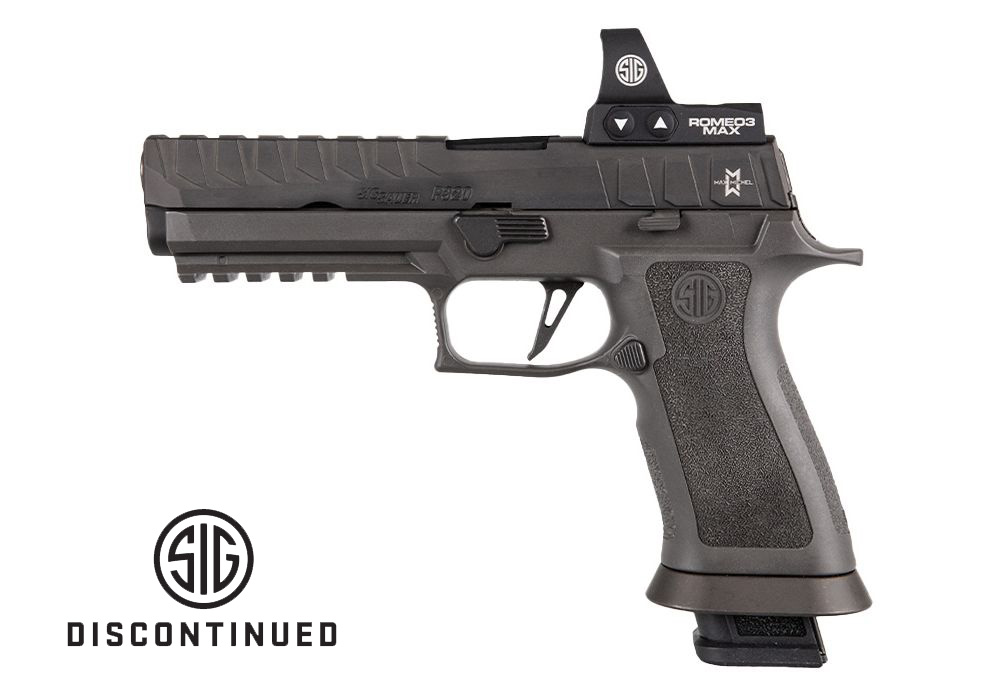
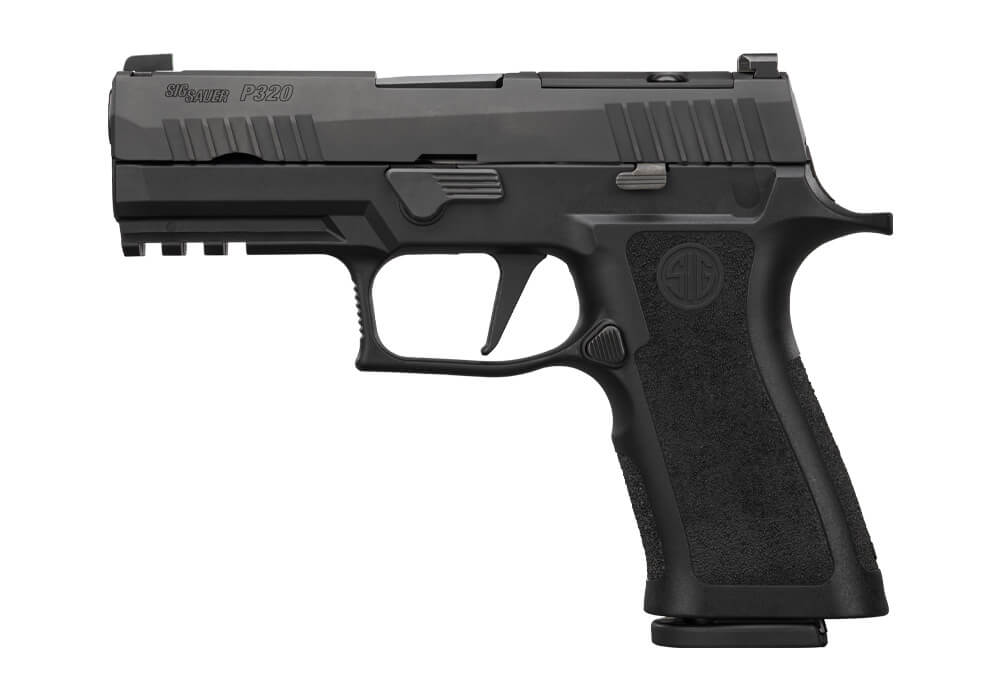
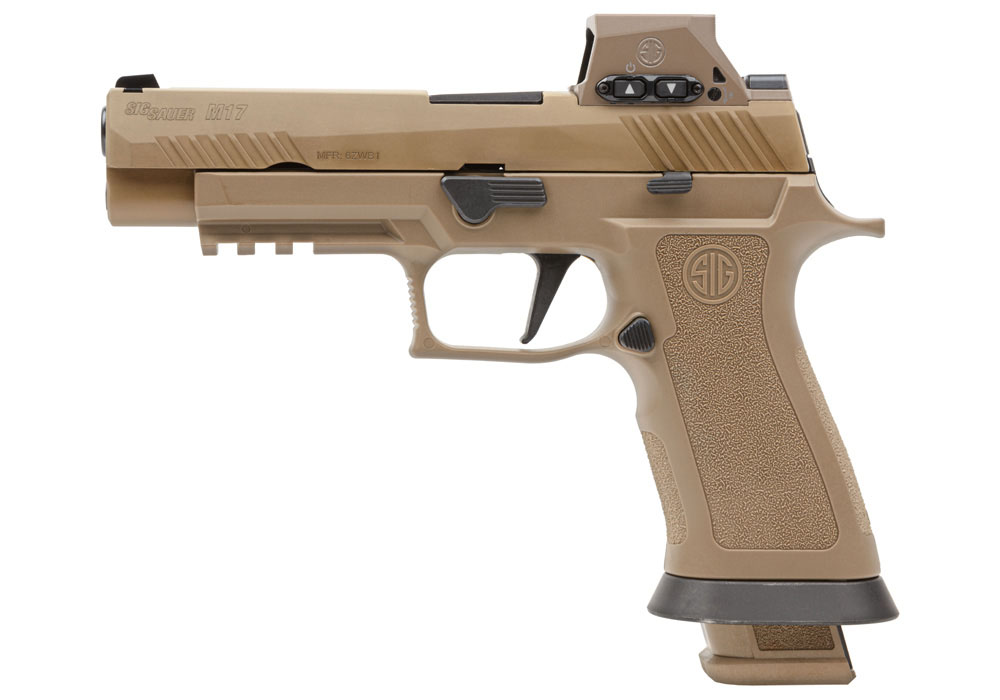
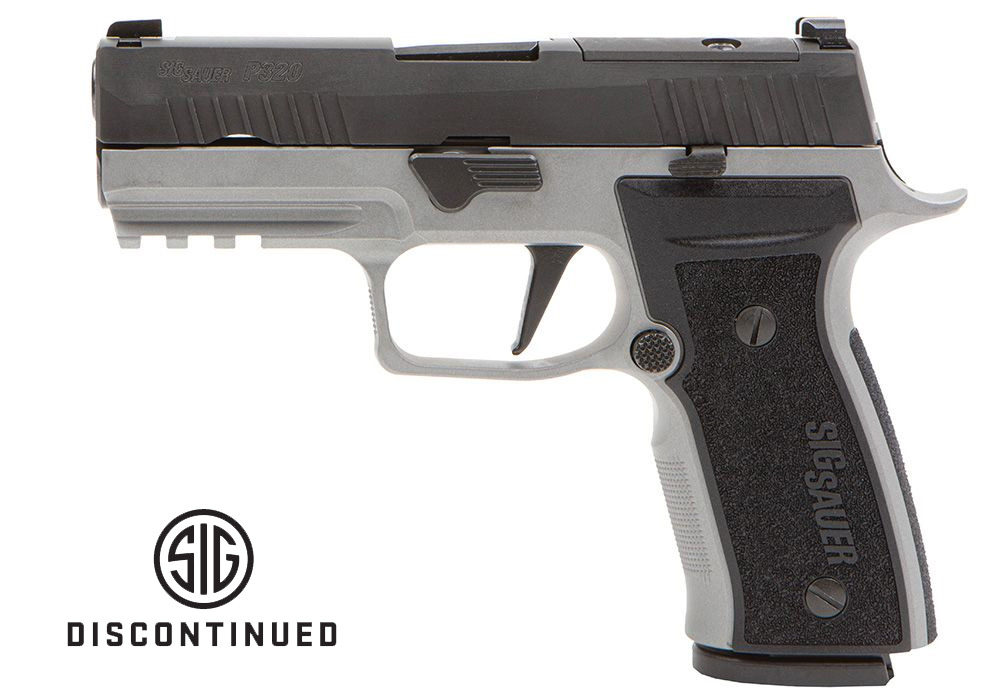
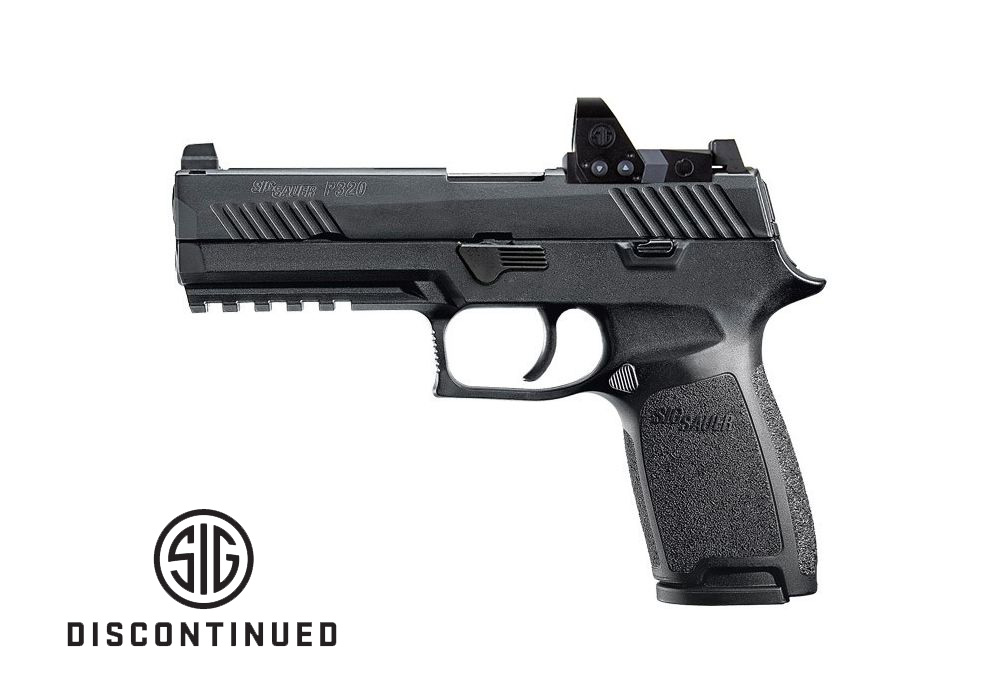
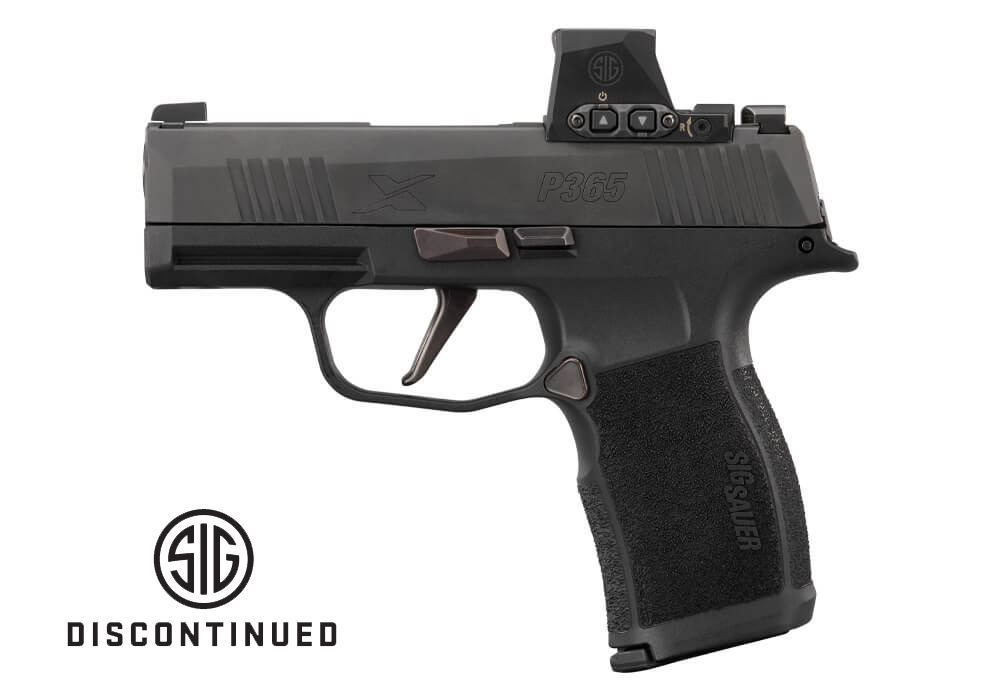
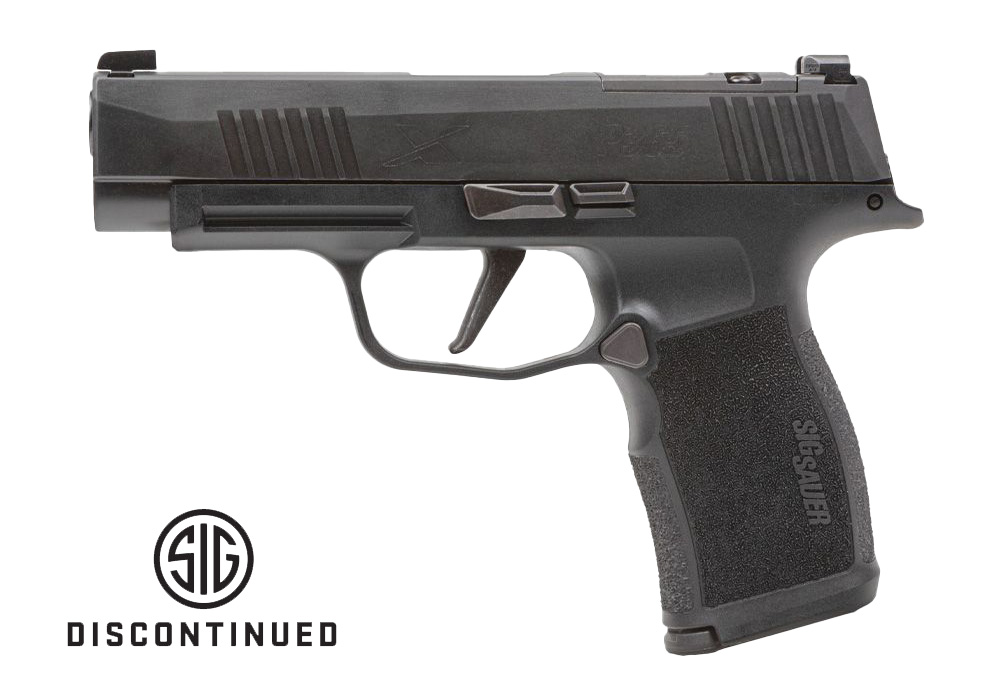
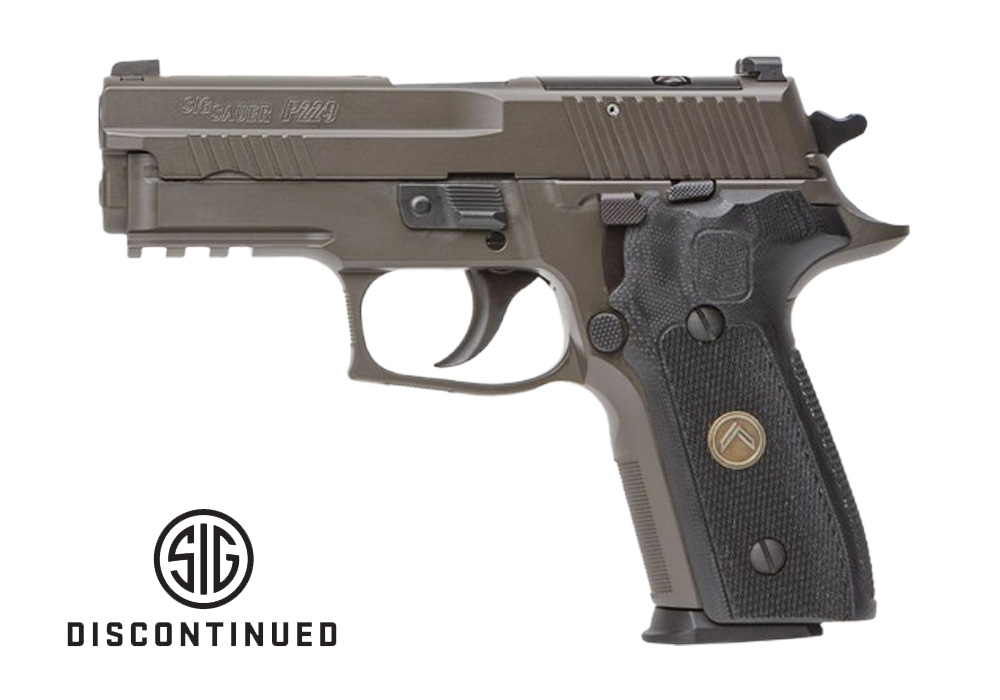
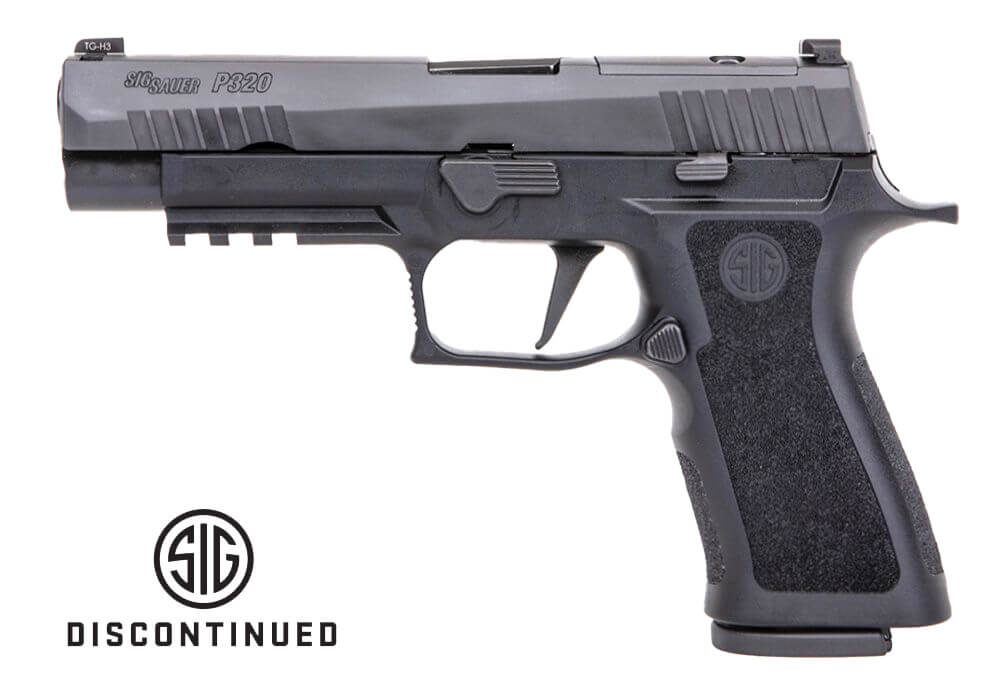
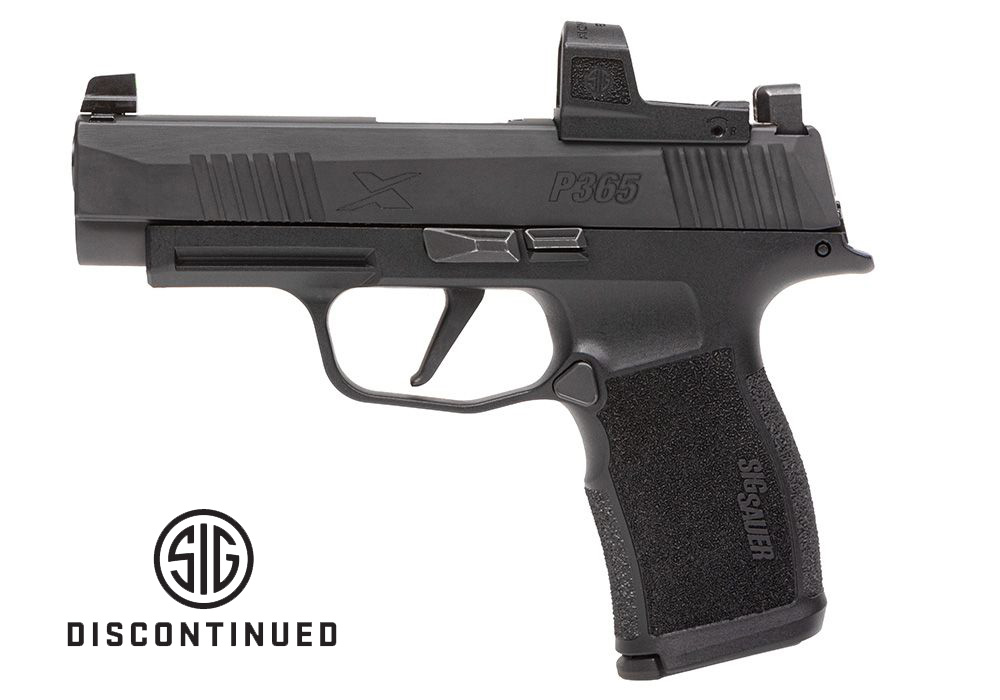
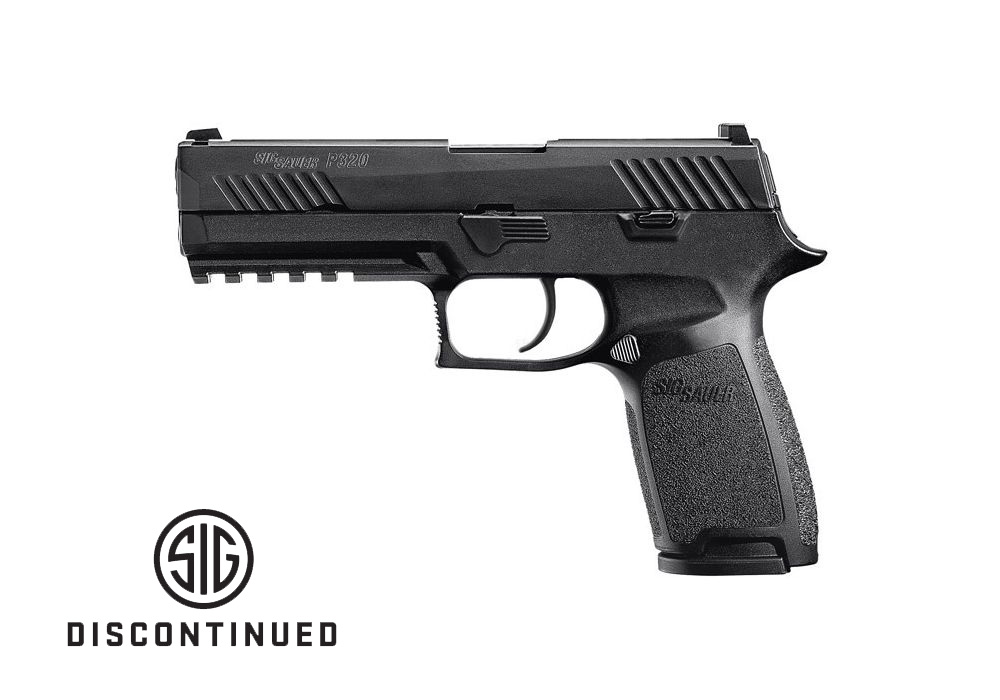
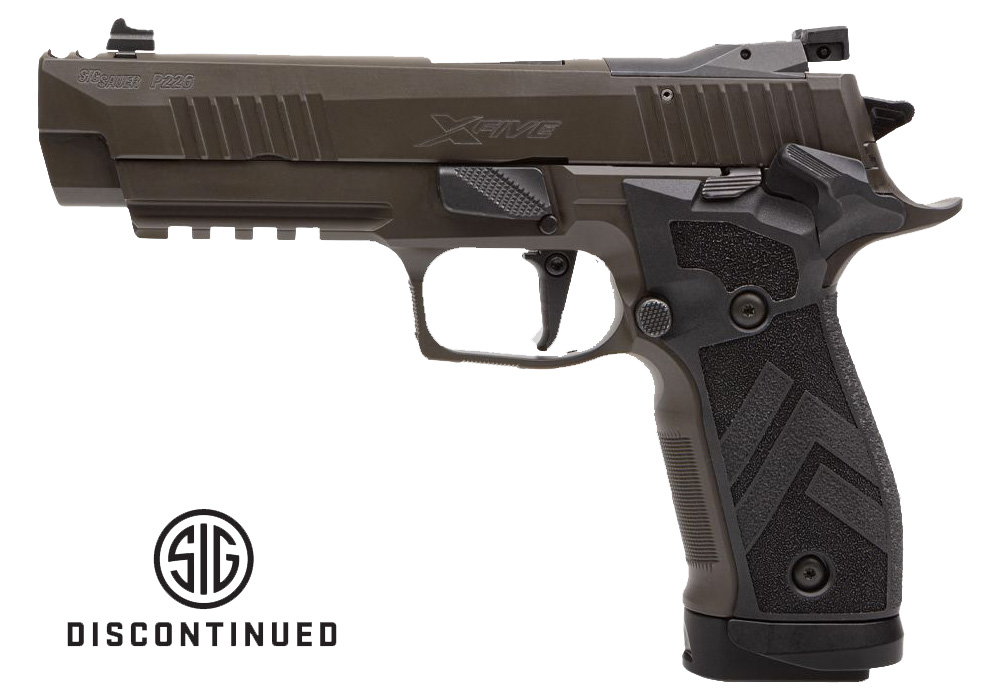
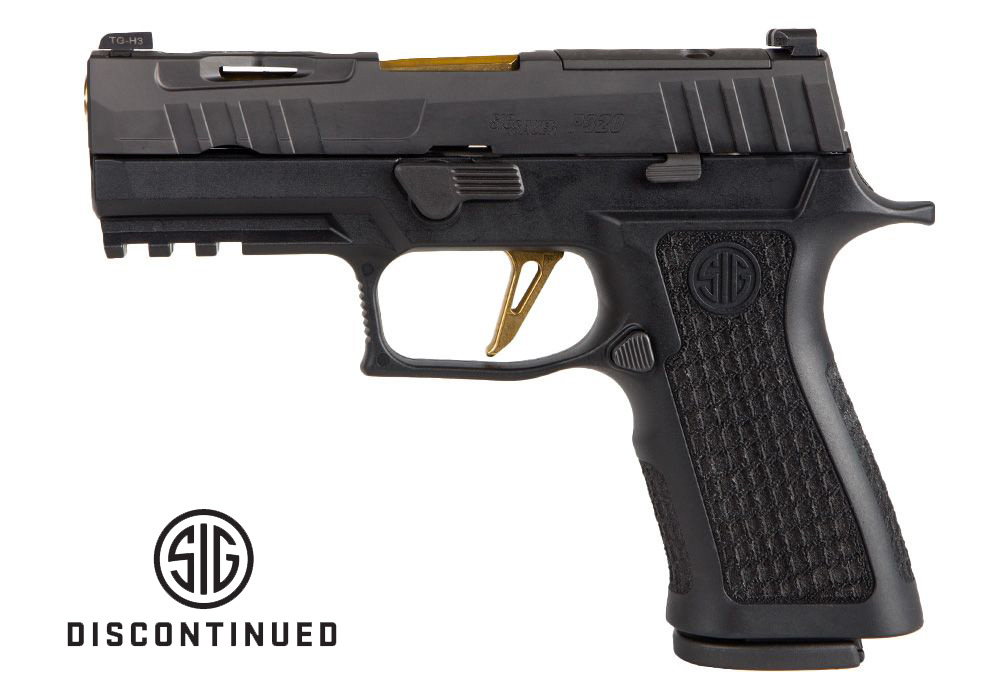
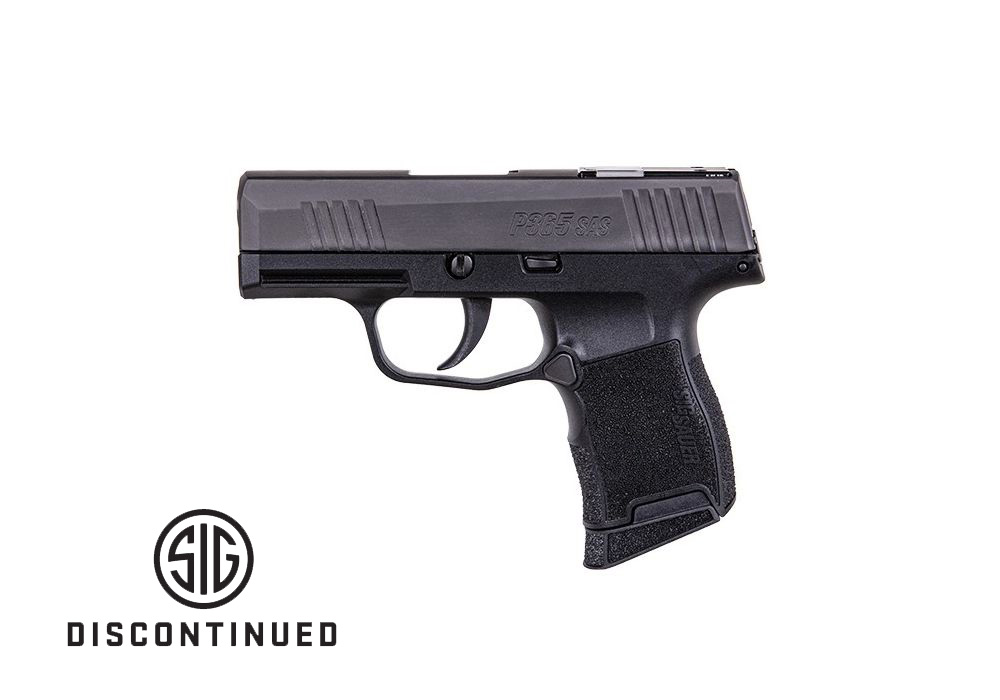
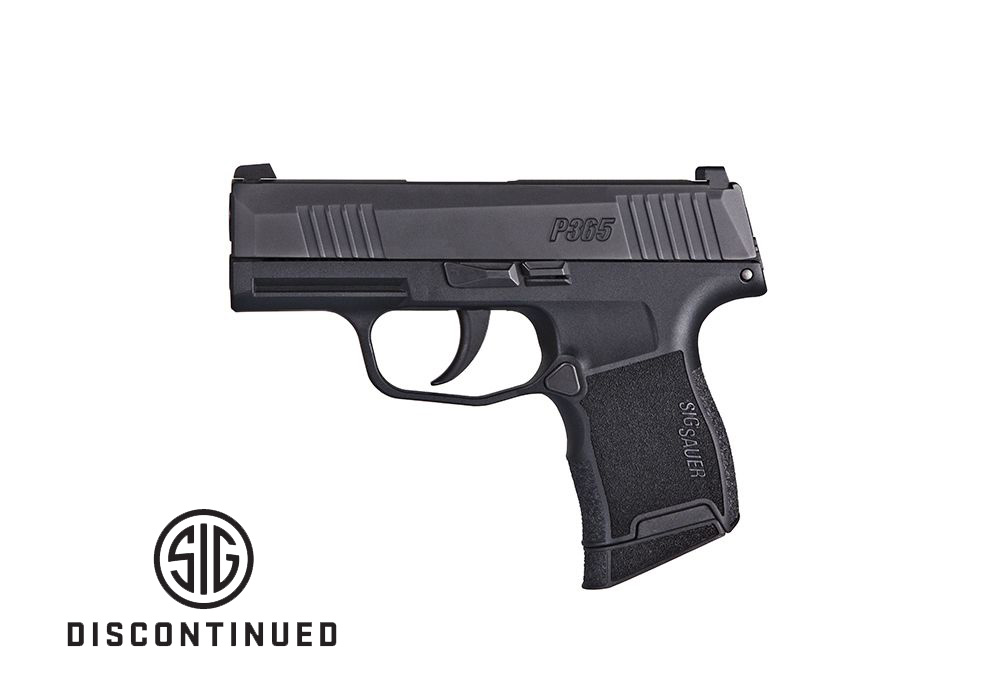
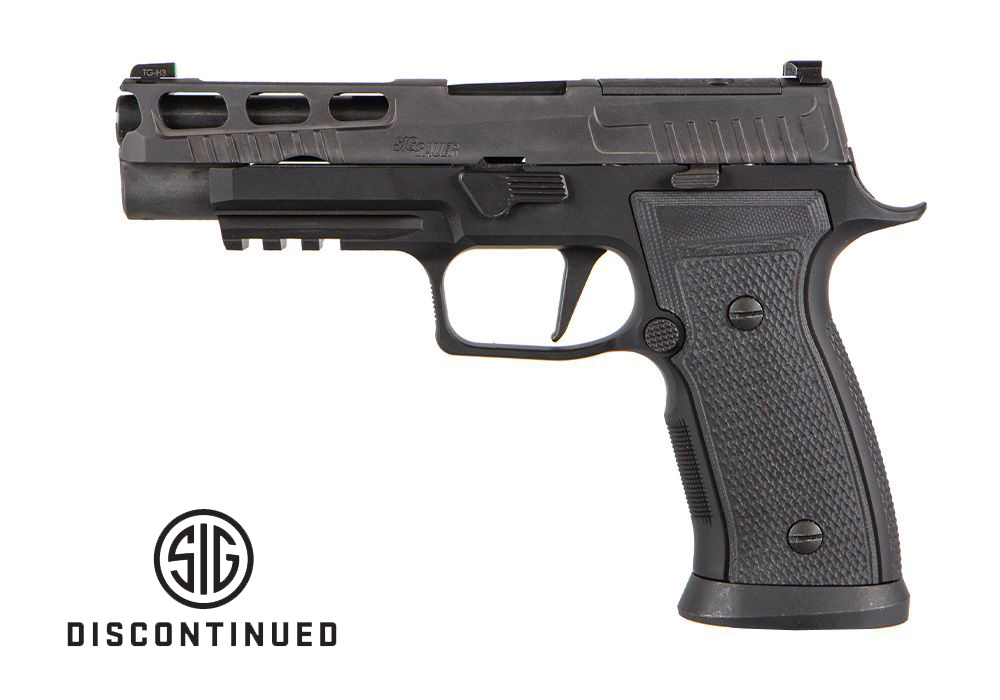
9mm pistols with extended grip features provide additional gripping surface below the trigger guard, giving the fingers more room to rest along the front of the frame. That extra length can be particularly useful for someone whose little finger sits beneath a shorter grip rather than against it. A longer gripping area may support a more comfortable, consistent hold, although comfort and perceived recoil depend on the pistol’s overall dimensions, weight, shape, and fit to the individual. Extended grip designs take several forms: a full-size frame with an inherently longer handle, a compact frame paired with a factory-designed finger extension, or a modular configuration with a longer grip section. These approaches can look similar in a photograph while feeling noticeably different in the hand. A finger extension may provide a ledge for the little finger without changing the upper portion of the grip, while a longer frame can offer a continuous gripping surface from the backstrap to the base. Neither feature necessarily means that the grip is wider. Length, circumference, and front-to-back depth are separate measurements, and each influences fit. Someone with long fingers may appreciate additional depth, while someone with a broad palm but shorter fingers may prefer more vertical room without extra bulk around the handle. For recreational range use, formal instruction, or lawful personal protection, the practical appeal is a grip that accommodates the hand without leaving fingers crowded together. The familiar 9mm chambering spans a broad range of pistol sizes, so an extended grip does not automatically indicate a large or heavy firearm. Some configurations combine a relatively short slide with a longer handle; others pair extended grip dimensions with a full-size frame and slide. Understanding those distinctions helps explain why two pistols described as having extended grips can offer very different proportions, handling characteristics, and everyday storage requirements.
Grip fit involves more than finding enough space for every finger. The curve of the backstrap, the shape of the frontstrap, the placement of finger contours, and the transition beneath the trigger guard all affect where the hand naturally settles. A pronounced palm swell may feel supportive to one person and overly full to another. Likewise, molded finger grooves can be comfortable when their spacing matches the hand, but less accommodating when a ridge lands directly beneath a finger. During an in-person fit assessment, conducted with an unloaded firearm under a qualified retailer’s supervision, those details are often easier to recognize than they are from measurements alone. A grip that initially feels substantial should also feel comfortable without requiring an awkward stretch to reach the controls. Interchangeable backstraps or grip panels can provide another dimension of adjustment, changing the contour or circumference rather than simply adding length. The related collection of 9mm Pistols With Interchangeable Grips highlights that distinction for shoppers considering both additional finger room and adaptable hand fit. Surface texture deserves similar attention. Molded stippling, checkered panels, and softer inserts each create a different contact feel, ranging from relatively smooth to distinctly coarse. More pronounced texture is not automatically more comfortable, particularly where the grip rests against the body during lawful carry. A softer surface can feel pleasant in the palm, but its edges, attachment method, and resistance to routine cleaning also matter. The junction between a grip and a magazine floorplate is another small detail with an outsized effect on comfort: an uneven seam or poorly matched contour may be noticeable beneath the little finger. Factory compatibility is essential because an extension, backstrap, or grip component is not interchangeable across every pistol that shares the same chambering. Manufacturer documentation should establish which components belong together. Additional grip length alone also does not establish how many cartridges a magazine holds; finger-support extensions and other magazine configurations serve different purposes, and their specifications should be considered separately.
Materials and construction shape how an extended grip feels over time, as well as how it should be cared for. Polymer grip frames and modules are often relatively light and can incorporate texture directly into their surfaces. Metal frames contribute a different sense of weight and may use separate panels to define the contact surfaces. Neither material alone determines durability; design, protective finishes, component fit, and routine care all contribute. On panel-equipped designs, the condition of fasteners and panel edges matters, while modular configurations also rely on correct fit between compatible components. Cleaning should follow the manufacturer’s instructions, with attention to approved products and procedures rather than an assumption that any household solvent is suitable. Texture can collect lint, dust, and residue, and softer inserts may react differently to cleaners than polymer or metal surfaces. After cleaning, checking for visible cracks, loose panels, damaged extensions, or unusual gaps can help identify concerns that warrant evaluation by a qualified professional. Intended use provides context for these details. A pistol primarily used for supervised range sessions may benefit from generous hand accommodation without the same emphasis on compact dimensions that accompanies lawful concealed carry. A longer grip can be more noticeable beneath clothing, even when the slide is relatively short, so grip comfort and overall size remain separate considerations. Holster compatibility depends on the complete firearm configuration, not merely its chambering or grip description, and an appropriate holster should securely retain the pistol and fully cover the trigger guard. For secure storage, the firearm’s overall dimensions should suit the chosen locked container, with access restricted to authorized adults and ammunition stored according to applicable guidance and law. New owners, experienced recreational shooters, and people attending professional instruction may all appreciate extra finger room, but no single grip profile suits every hand. If a firearm is being considered as a gift, recipient fit and lawful transfer requirements deserve particular care; the recipient’s participation in selection is more useful than guessing from hand size alone. Across these uses, extended grip features are best understood as an ergonomic characteristic rather than a universal measure of quality. Their value lies in how naturally the dimensions, contours, materials, and texture work together for the individual.