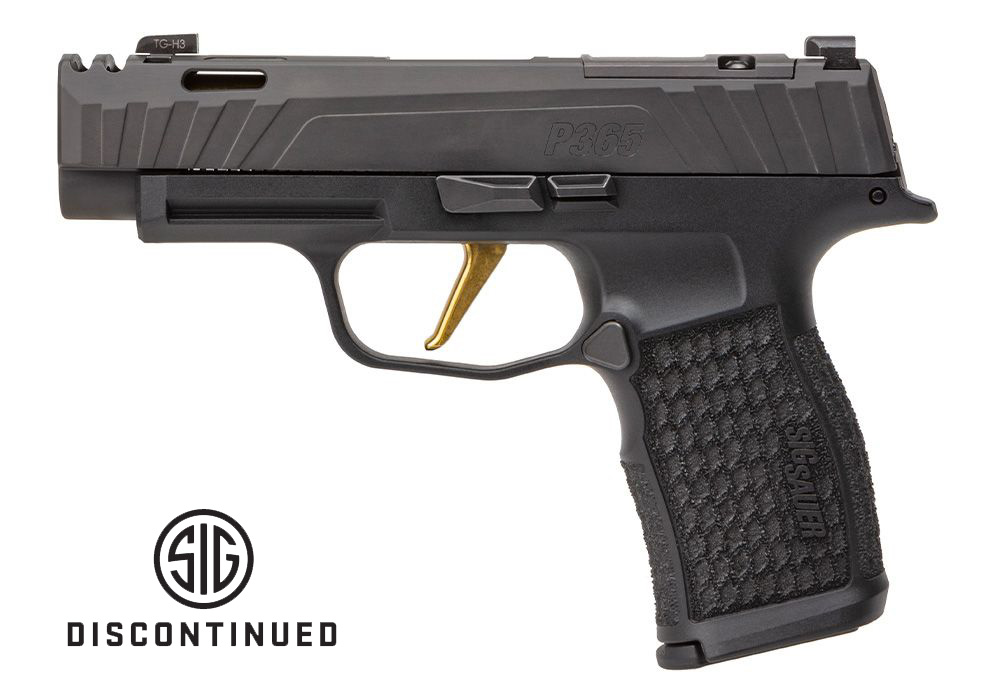
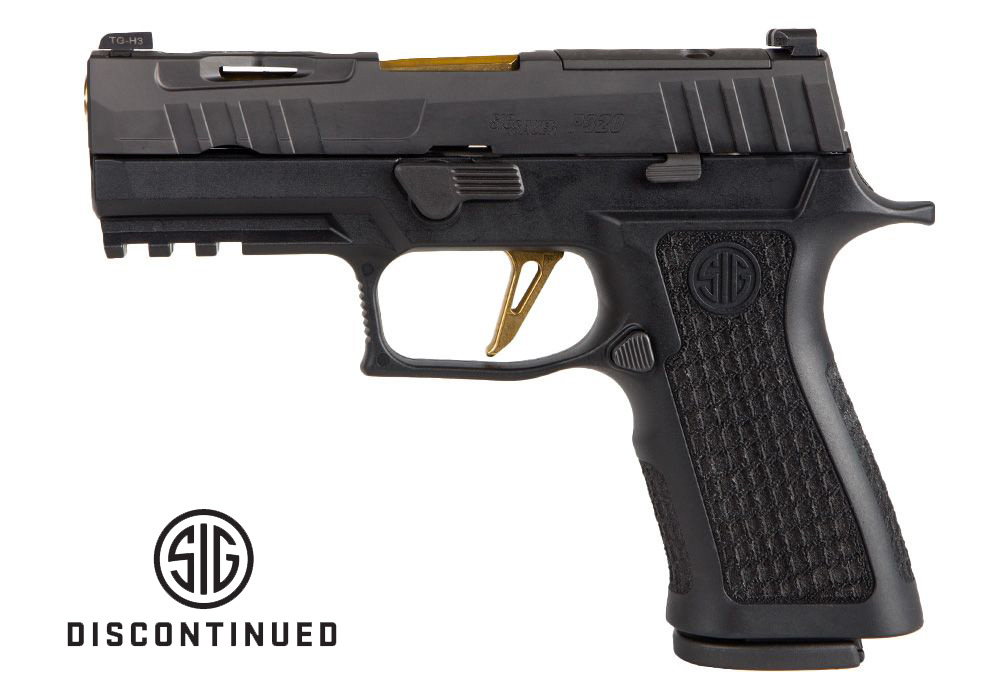
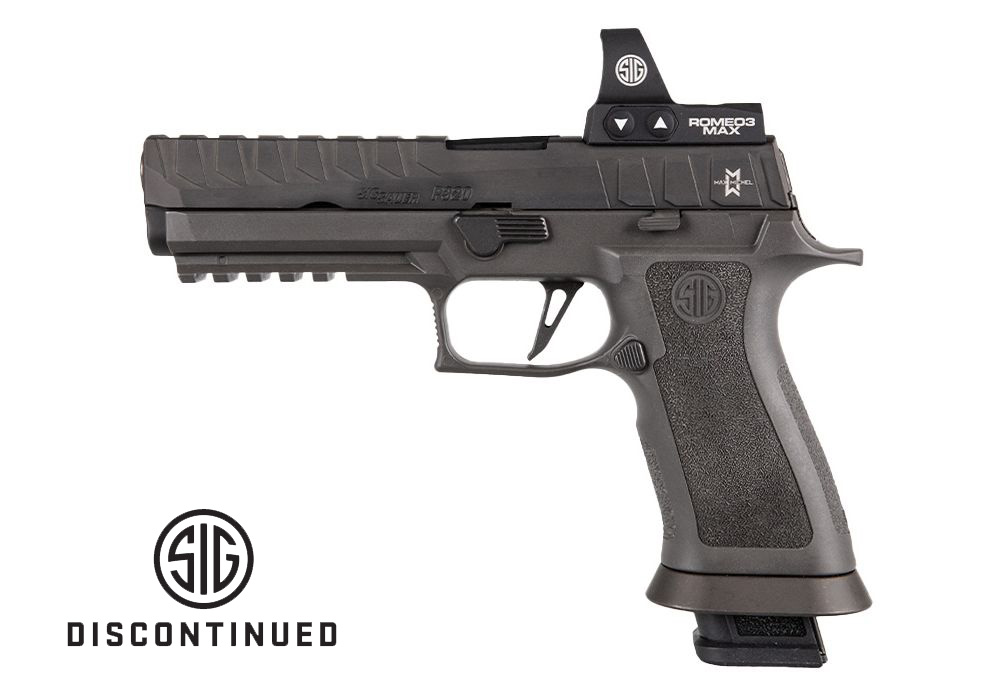
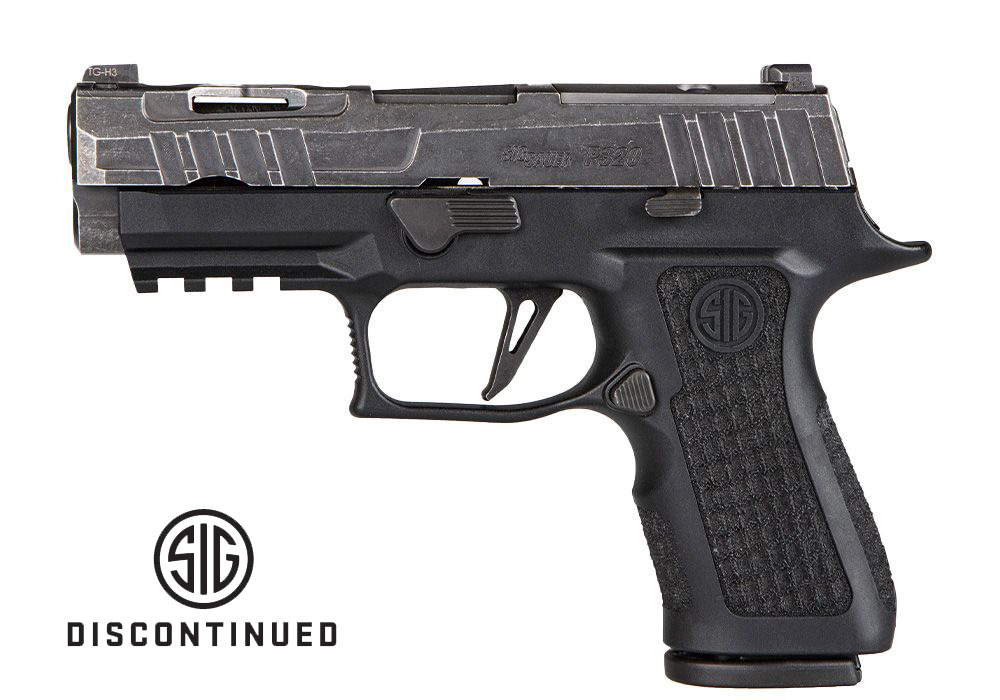
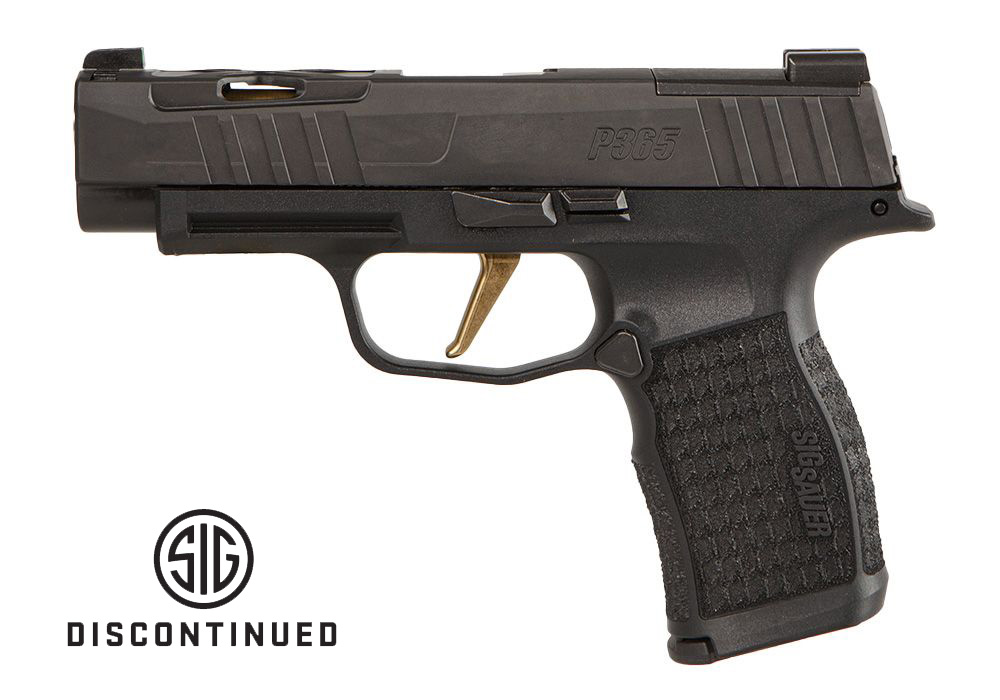
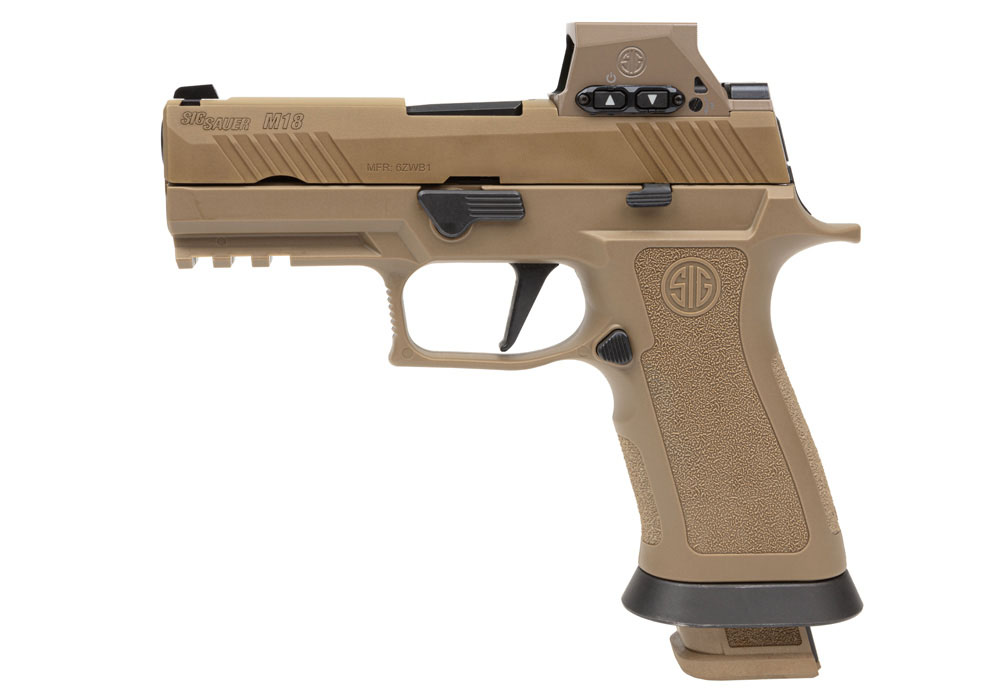
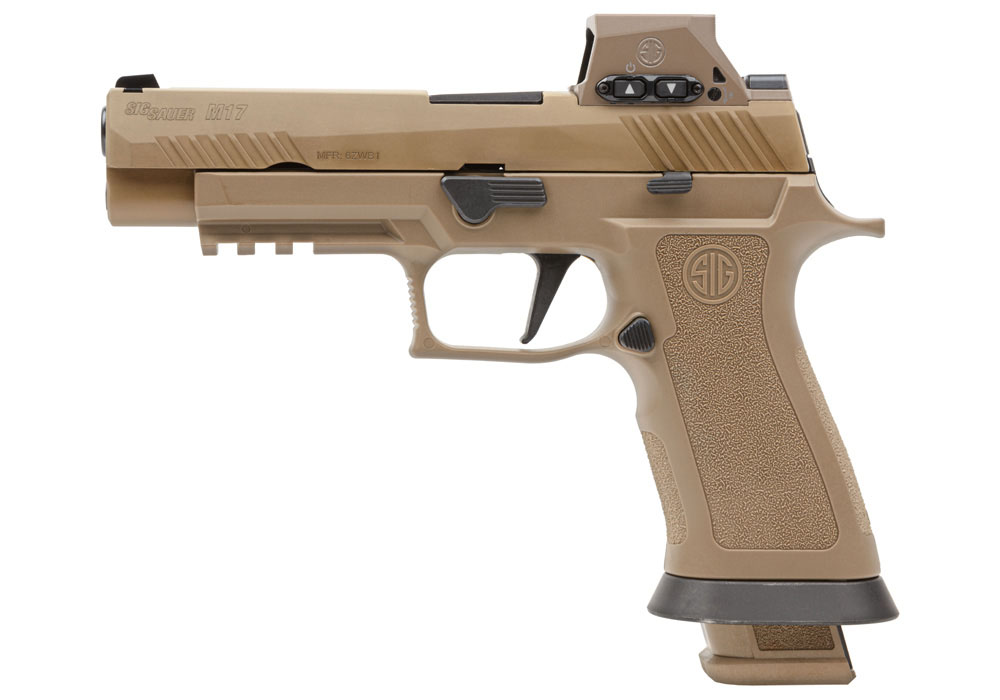
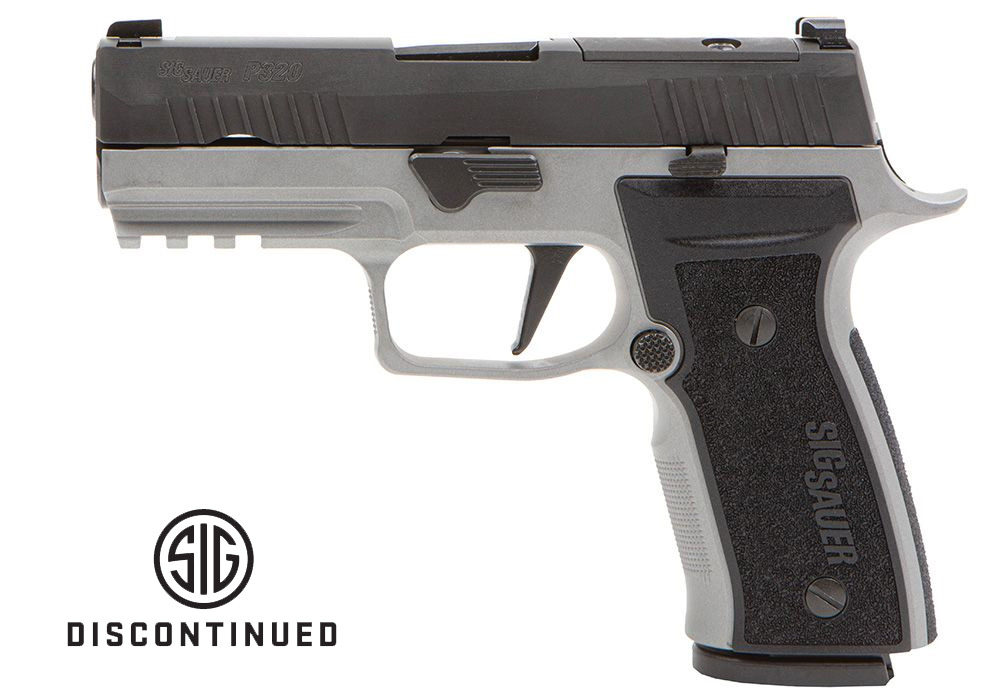
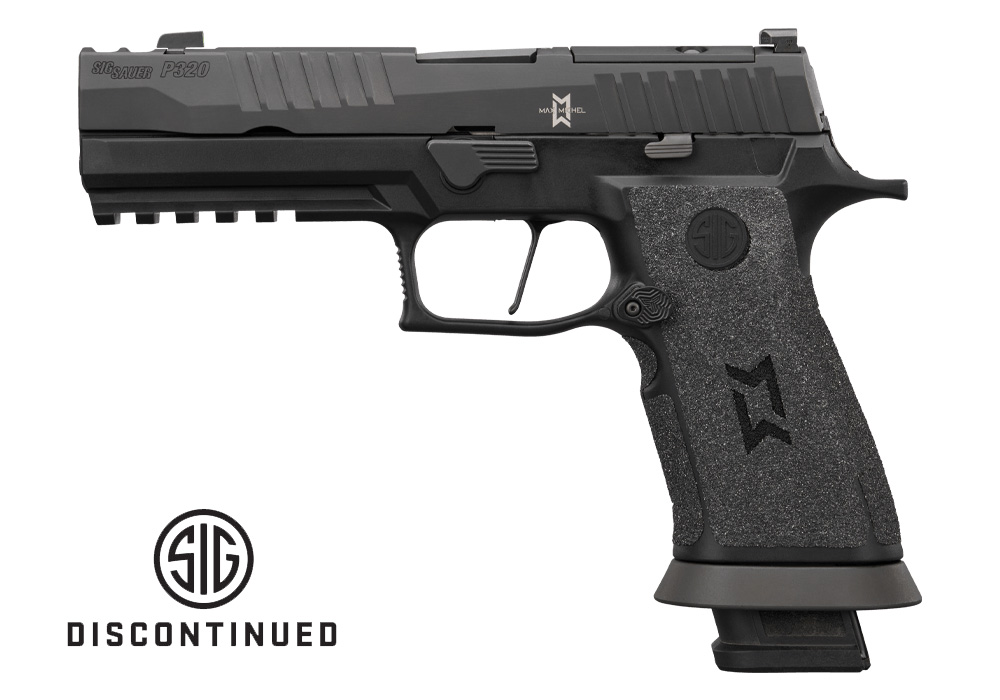
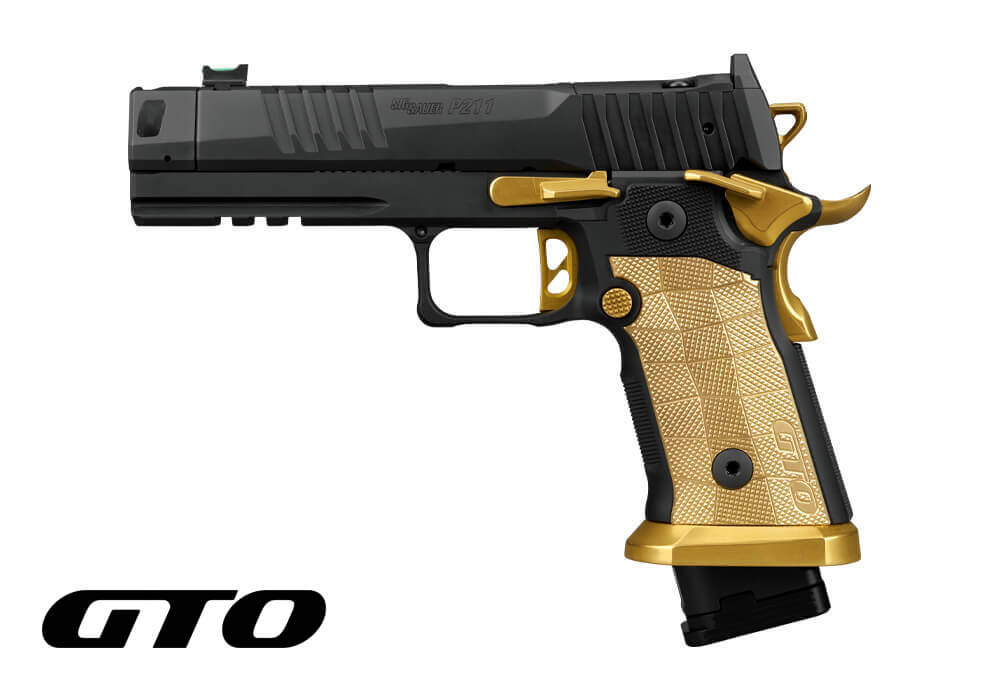
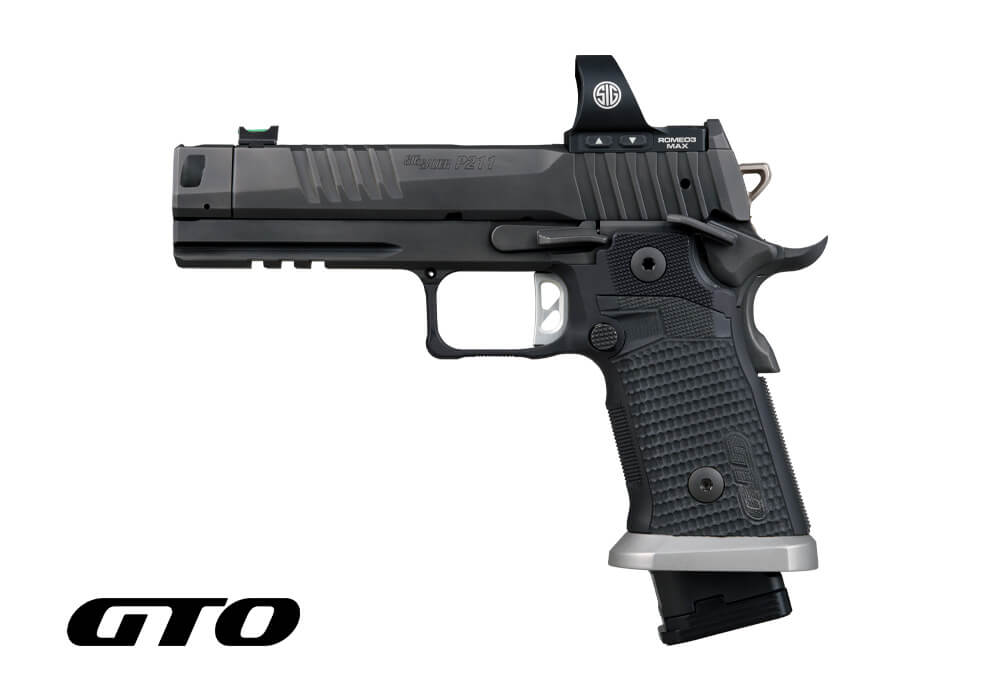
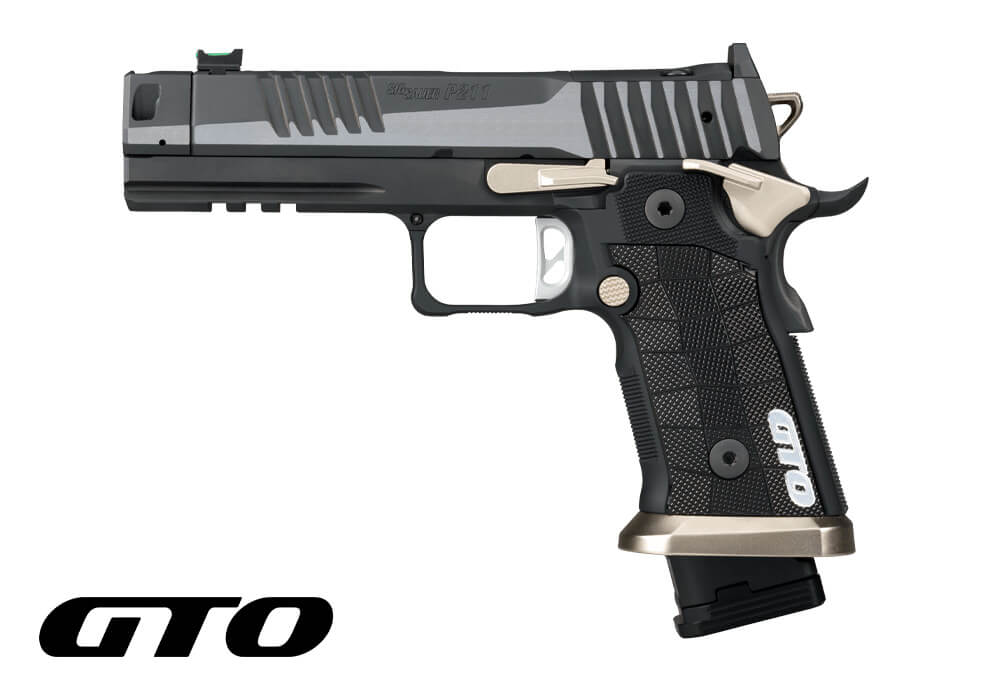
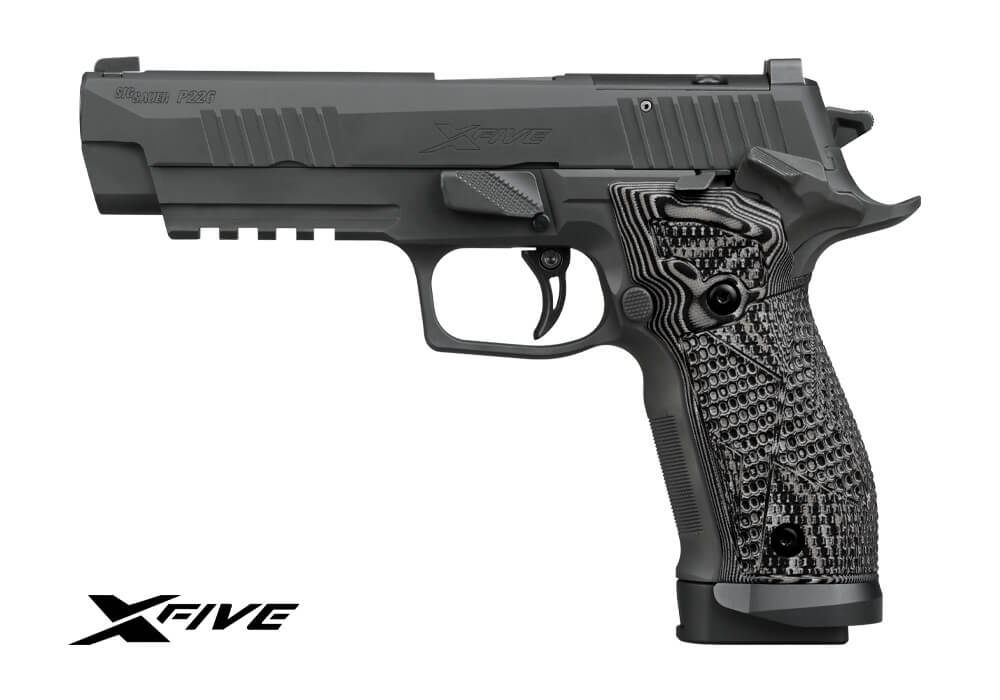
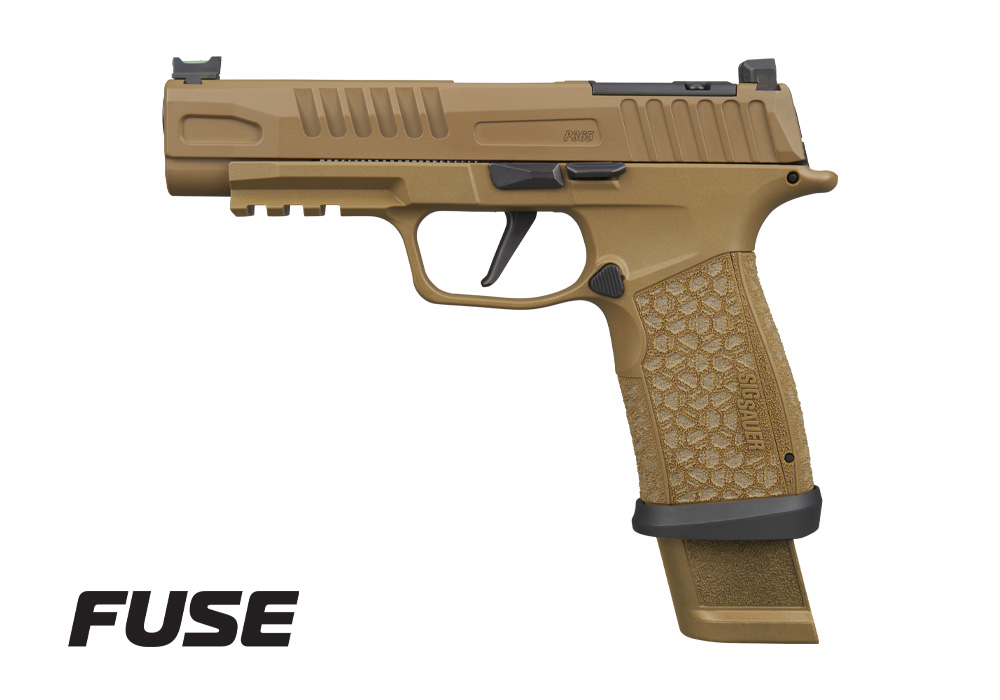
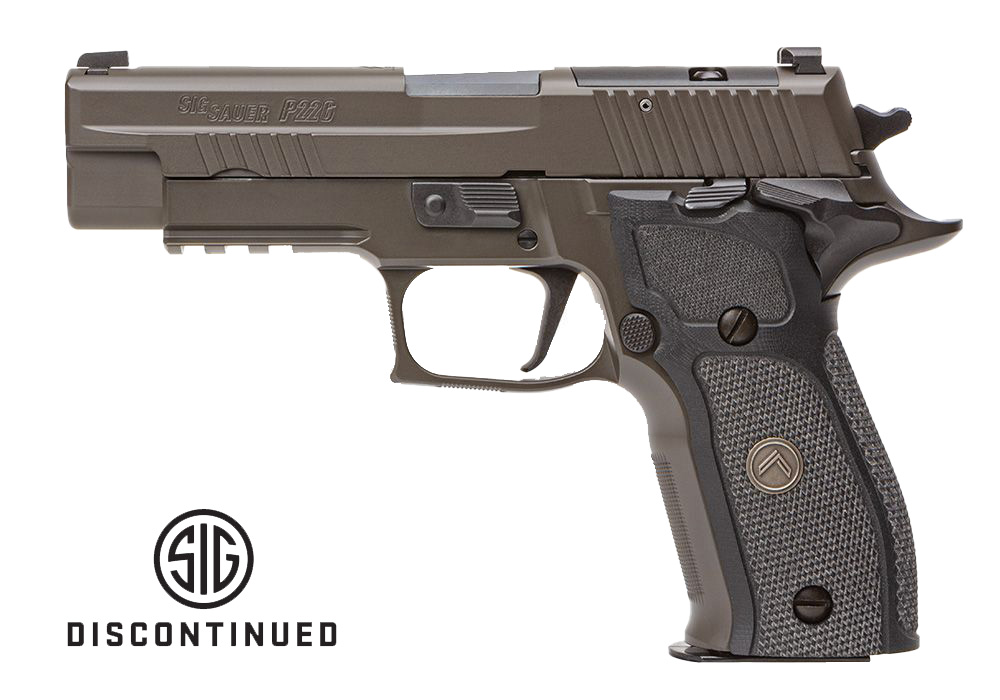
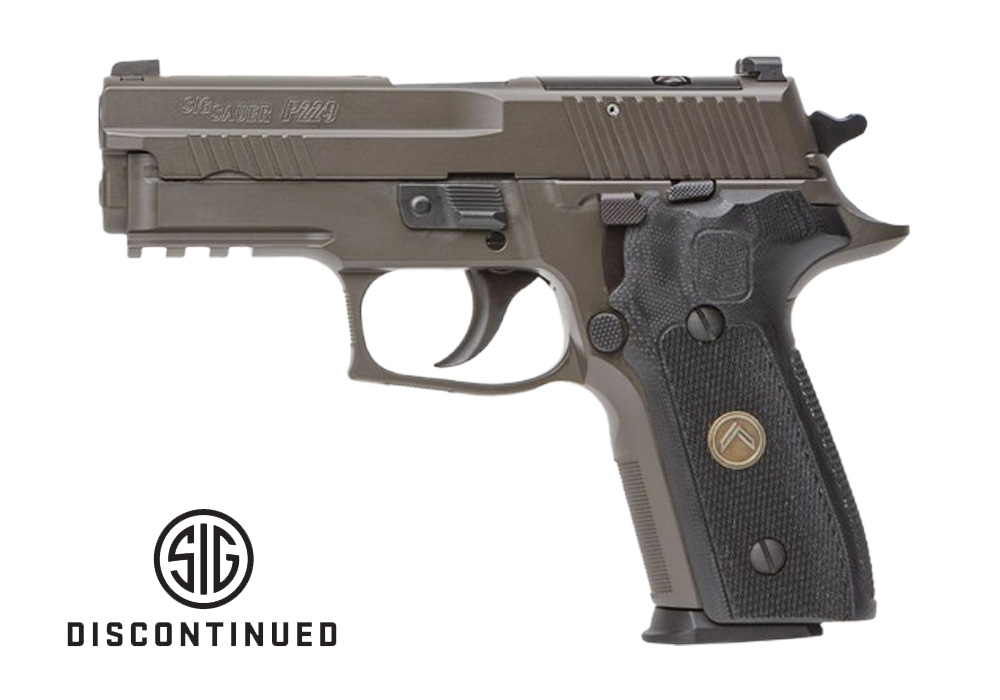
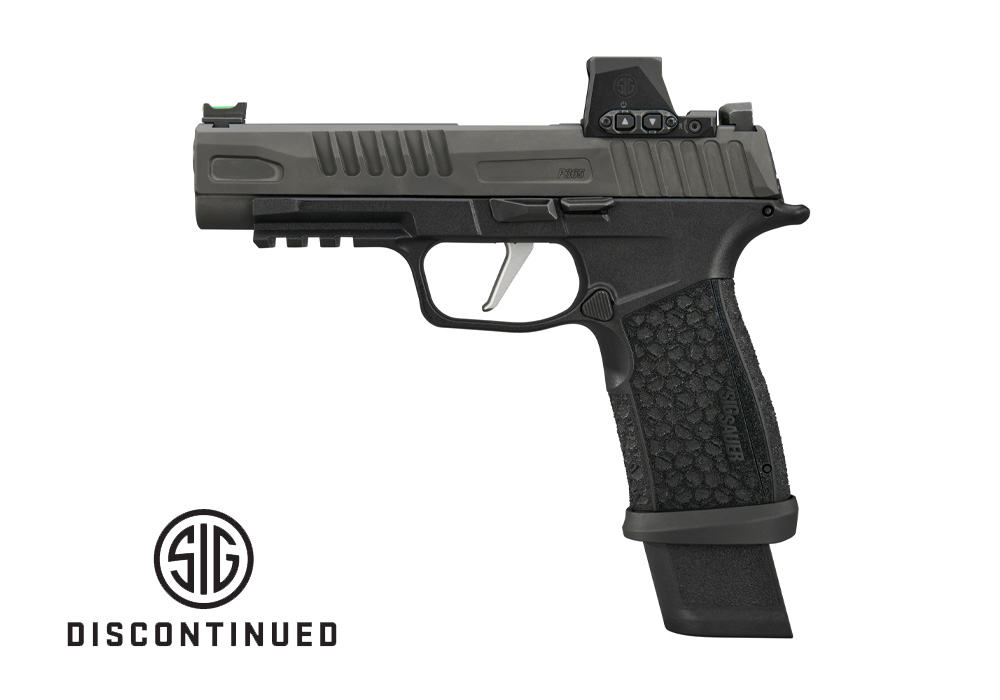
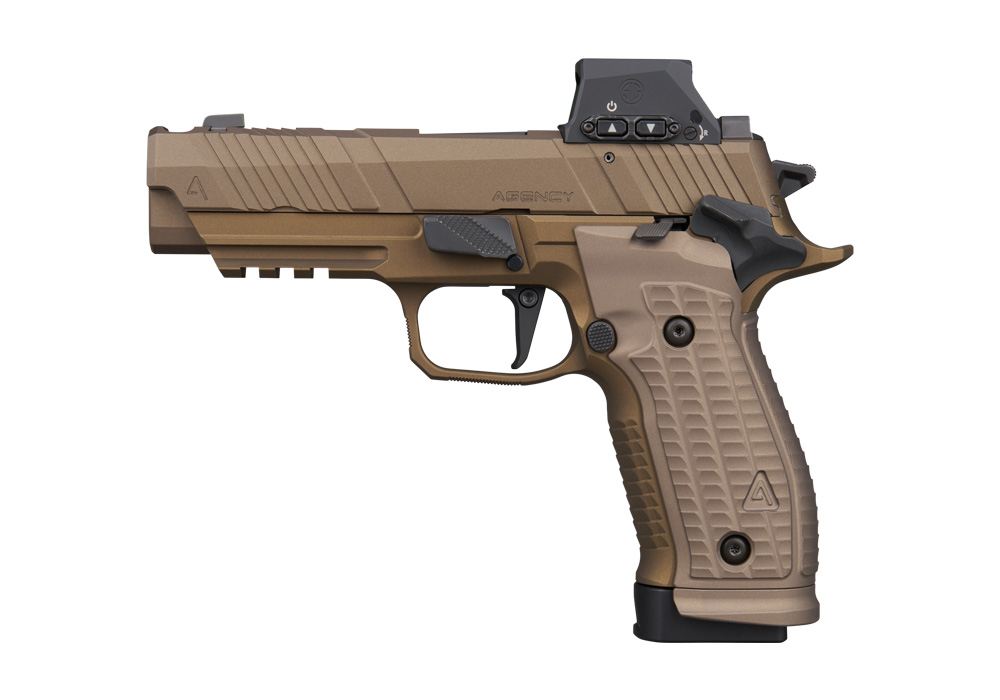
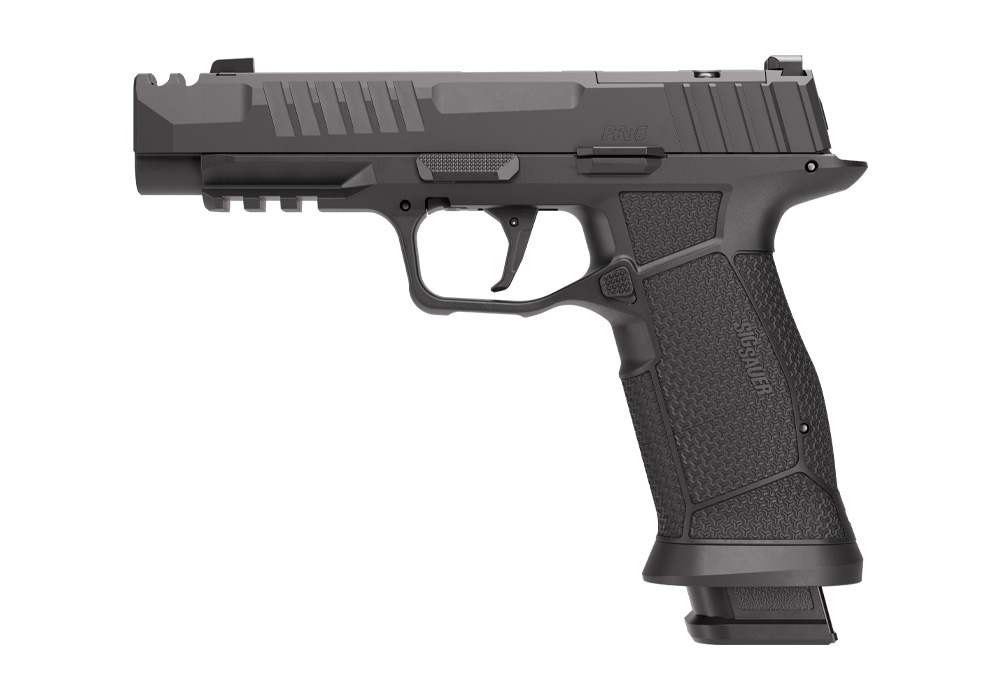
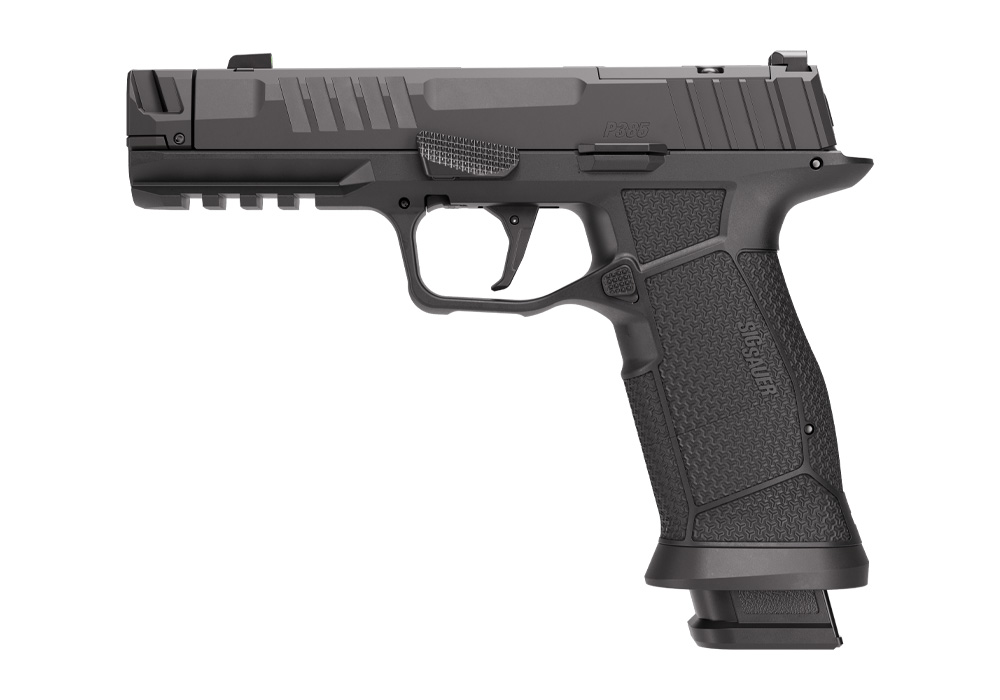
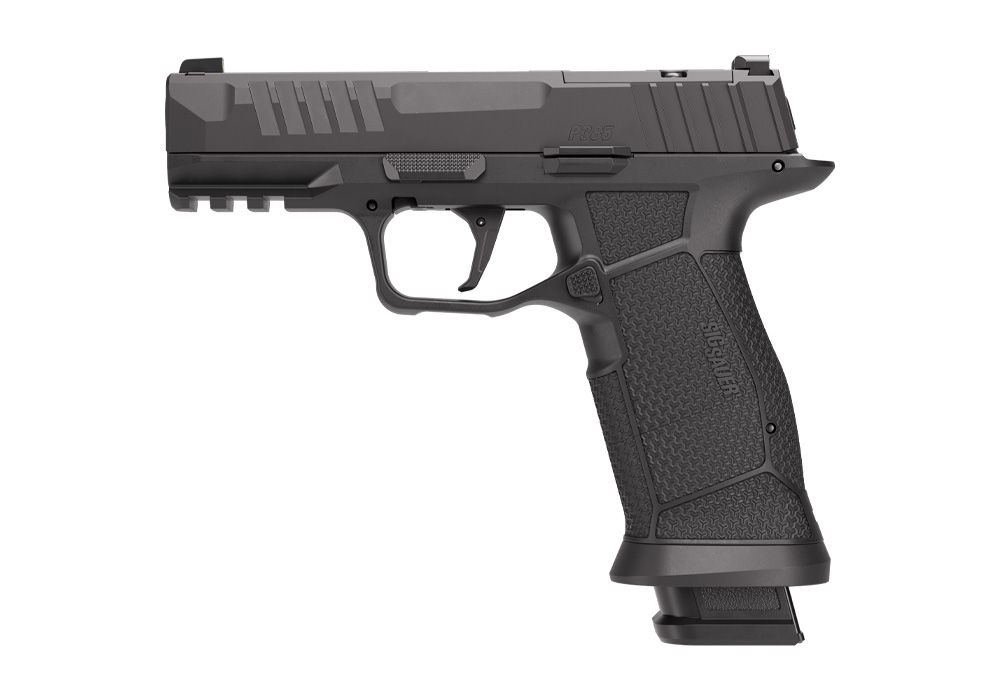
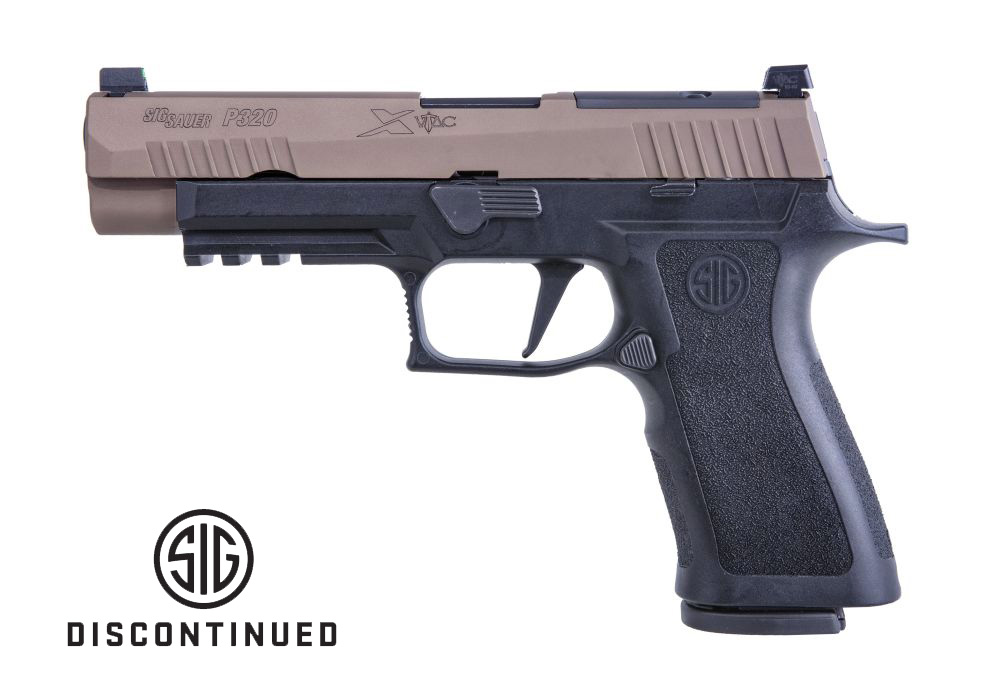
9mm pistols with enhanced grip textures feature patterned contact surfaces designed to increase traction between the hand and the grip. That added purchase can help the pistol feel more secure during handling and support consistent control as recoil moves through the frame. The benefit comes from the relationship between texture, grip shape, and hand fit—not simply from choosing the roughest surface. A finely pebbled finish, closely spaced stippling, raised geometric patterns, or more pronounced ridges can each create a different feel. Some designs distribute texture broadly across the side panels, front strap, and backstrap; others concentrate it where the fingers and palm apply pressure. Broad coverage can provide a consistent feel across several contact points, while selectively textured areas can balance traction with comfort. For someone spending an afternoon at the range, the difference may become noticeable as perspiration builds or the hands grow tired. A surface that feels pleasantly grippy at first can feel abrasive after repeated handling, while a smoother pattern may become less reassuring. The most suitable texture provides useful purchase without requiring an unnecessarily tight hold or creating uncomfortable pressure points. Materials influence that balance as well. Molded polymer can incorporate texture directly into the grip surface, combining relatively light weight with complex patterns and contours. Metal frames or grip panels may use checkering, machining, or other surface treatments to create distinct contact edges. Rubberized surfaces tend to feel more yielding against the hand, although their behavior and care requirements differ from harder materials. Texture alone does not establish a pistol’s overall handling quality, and it cannot substitute for sound fundamentals or a comfortable fit. Its value is in helping the hand maintain reliable contact with a grip that already suits the shooter. The familiar 9mm chambering spans compact, midsize, and full-size pistol formats, so enhanced texture can serve different purposes across this category, from adding purchase to a shorter grip to complementing the fuller contact area of a larger frame.
Grip fit is especially important because an assertive texture can emphasize both a good match and a poor one. A grip that is too large may leave the fingers stretching around the frame, while one that is too small can concentrate pressure in a narrow area of the palm. Grip circumference, front-to-back depth, backstrap curvature, and the shape beneath the trigger guard all contribute to how naturally the pistol rests in the hand. Trigger reach also matters: a secure-feeling surface does not resolve a reach that strains the shooter’s normal hand position. Where a design supports interchangeable backstraps or grip modules, those features may offer a way to adjust the fit, subject to the manufacturer’s compatibility requirements. Shooters with smaller hands may appreciate a less bulky profile with carefully placed texture, while larger hands may benefit from more surface area and a fuller contour. Neither preference calls for the same pattern in every case. Intended use adds another layer to the choice. For regular range practice, a pronounced texture may feel reassuring over longer sessions, particularly when the grip otherwise matches the hand well. In organized competition, consistent contact can be valuable, though equipment requirements vary by event. For lawful concealed carry, the interaction between the grip, clothing, and skin deserves equal attention. Raised edges that feel excellent in the palm may rub against the torso or catch on a cover garment. A more moderate pattern can offer a better balance for that use, especially when paired with a compatible holster that covers the trigger guard. Those evaluating a pistol for authorized professional use may also need to consider how the grip feels with required gloves and whether the configuration meets workplace policies. These are practical distinctions rather than a simple ranking of mild versus aggressive texture. A comfortable grip should feel secure without forcing the hand around sharp contours, and the pistol’s dimensions, weight, and controls remain important alongside its surface finish.
Durability and care help determine whether an enhanced grip texture continues to feel consistent over time. Integral texture in a polymer grip differs from a separate panel or an applied covering because its contact pattern is part of the underlying component. Textured metal surfaces have their own considerations, including the condition of the protective finish and the possibility of wear along raised edges. Replaceable panels can provide a different maintenance path, while adhesive or slip-on coverings introduce additional questions about fit, movement, and compatibility with the firearm’s controls and holster. None of these approaches guarantees a better result in every situation. A sharply defined pattern may gradually feel smoother with repeated use, and recessed areas can collect lint, skin oils, or residue that changes the sensation against the hand. Care should follow the firearm manufacturer’s instructions, with the pistol unloaded before cleaning or inspection. Cleaners, brushes, and other maintenance materials should be suitable for the specific polymer, metal finish, rubber, or adhesive involved; an unnecessarily harsh treatment can affect a surface that otherwise needs little attention. Texture deserves consideration as part of the whole pistol rather than as an isolated feature. Frame construction, finish quality, component fit, and routine maintenance all influence the ownership experience. For a broader look at those characteristics, 9mm Pistols With Enhanced Durability offers a related perspective on pistols with an emphasis on lasting construction. Within the enhanced-grip category, useful distinctions include how evenly the pattern meets the hand, whether its edges remain comfortable during extended handling, and how well the surface complements the intended use. An experienced shooter replacing a familiar pistol may notice subtle differences in palm contact immediately, while a newer owner may place greater value on an approachable contour and a texture that does not feel punishing. In either case, the strongest match combines appropriate traction, comfortable dimensions, suitable materials, and manageable care requirements. Enhanced grip texture is most useful when it supports that complete fit: a pistol that feels secure in the hand, remains comfortable for its intended role, and can be maintained according to its design.