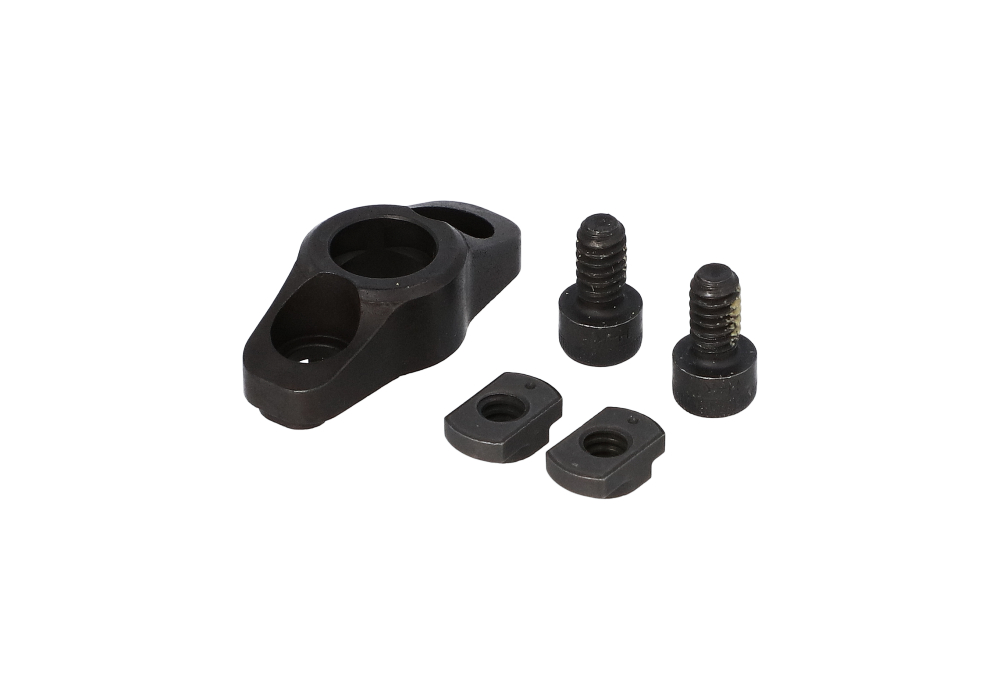
Accessories for SBR builds cover the supporting equipment used with short-barreled rifles, including sighting accessories, slings, protective covers, carrying cases, and maintenance supplies. The defining consideration is the platform’s compact size: space is limited, so fit, weight, and ease of handling deserve close attention. A useful accessory should serve a clear purpose without crowding the firearm or complicating routine care. For lawful owners who spend time at an established range, that purpose may be more comfortable carrying, better protection during transport, or keeping essential cleaning equipment organized. Optics and their supporting accessories also belong in this category, with selection depending on the firearm’s compatibility, the intended shooting activity, and the user’s visual preferences. Clear specifications matter more than a similar appearance, especially when two accessories look nearly identical but use different interfaces. A shared rail style does not necessarily establish compatibility with every surrounding component, and accessories described for rifles in general are not automatically suitable for every short-barreled configuration. Manufacturer documentation is the appropriate reference for fit, supported applications, and any restrictions. That distinction is particularly important with SBRs, which are subject to specific legal requirements; firearm classification and applicable federal, state, and local rules should be confirmed before purchasing configuration-dependent components. For a broader look at related equipment, Accessories For Rifle Builders provides another relevant category to explore. Across both categories, thoughtful selection starts with the firearm’s documented specifications and the way it will actually be stored, transported, and used. A compact rifle carried in a padded case to a supervised range presents different accessory priorities than equipment that spends long periods in secure storage between outings. In either setting, dependable fit and straightforward upkeep offer more lasting value than adding equipment simply because there is room for it. Keeping the overall setup manageable also makes it easier to inspect, clean, and pack consistently after each session.
Materials and construction help distinguish accessories that remain comfortable and dependable through repeated use. Aluminum components can offer a useful balance of rigidity and relatively low weight, while steel is often appropriate where strength and wear resistance are priorities. Polymer accessories can reduce weight and provide comfortable contact surfaces, though material quality, design, and the manufacturer’s stated temperature limits still matter. No single material is best for every application, and a protective finish does not eliminate the need for care. On fabric accessories, tightly woven webbing, even stitching, reinforced attachment areas, and smooth hardware are practical details worth examining. A sling that feels comfortable over a light shirt may feel different over a heavier jacket during cooler weather, making the published adjustment range and webbing width relevant shopping considerations. Carrying cases deserve the same attention to detail. Exterior measurements tell only part of the story; usable interior dimensions, padding layout, closure design, and room around attached accessories determine whether a case is genuinely suitable. Compressing delicate equipment against a zipper or forcing a closure around an awkward outline can undermine the protection the case is intended to provide. For range users who travel with several pieces of equipment, separate compartments can keep cleaning supplies and loose accessories from rubbing against finished surfaces. Protective covers should match the equipment they are intended to shield rather than relying on a loose approximation of size. Battery-powered accessories bring another set of everyday considerations, including battery type, published operating conditions, accessible controls, and the care required for seals and compartments. Weather resistance should be evaluated according to the stated rating, not assumed from a rugged appearance. A damp range bag, windblown grit, and condensation after a cold outing can affect different materials in different ways. Equipment that is easy to inspect and dry is often simpler to maintain over time, particularly when several accessories share a case. These ordinary details rarely attract as much attention as styling, but they shape the ownership experience long after the first outing.
Care and intended use tie the whole selection together. Accessories for short-barreled rifles are most useful when their upkeep fits naturally into an existing routine, rather than requiring unfamiliar products or guesswork. Follow the manufacturer’s cleaning directions for each material, especially around coated lenses, polymer surfaces, electronics, and textile treatments. A cleaner suitable for one surface may be inappropriate for another. Lens protection and approved cleaning materials help preserve optical clarity, while keeping grit out of fabric closures and hardware helps those parts remain serviceable. After exposure to moisture, accessories should be dried as directed before returning to storage; a padded case is useful for transport, but it should not be treated as a substitute for appropriate long-term storage conditions. Regular visual checks can reveal frayed webbing, damaged closures, cracked protective covers, or other wear that warrants replacement or professional attention. Any concerns about firearm compatibility, installation, or function belong with the manufacturer or a qualified gunsmith rather than trial-and-error adjustments. Before cleaning or inspecting equipment attached to a firearm, follow its documented unloading and safe-handling procedures, with ammunition kept separate from the work area. Secure storage remains essential, and a transport case alone does not necessarily prevent unauthorized access. For newer lawful owners, simple organizational accessories can make a range routine less cumbersome: dedicated storage for protective equipment, a suitable case, and clearly separated maintenance supplies help keep the bench orderly. Experienced owners may place greater emphasis on replacing worn protective gear or finding accessories that better suit their established habits. Gift buyers can also find practical options in this category, particularly care and transport accessories, provided the recipient’s measurements, preferences, and equipment requirements are known. Compatibility-dependent purchases are best confirmed with the recipient instead of chosen by appearance. Whether the occasion is a birthday, a seasonal gift, or preparation for regular range visits, the most welcome accessory is often the one that solves a familiar inconvenience. Durable materials, documented fit, sensible protection, and manageable care remain the clearest priorities for equipment that earns its place alongside a compact rifle.