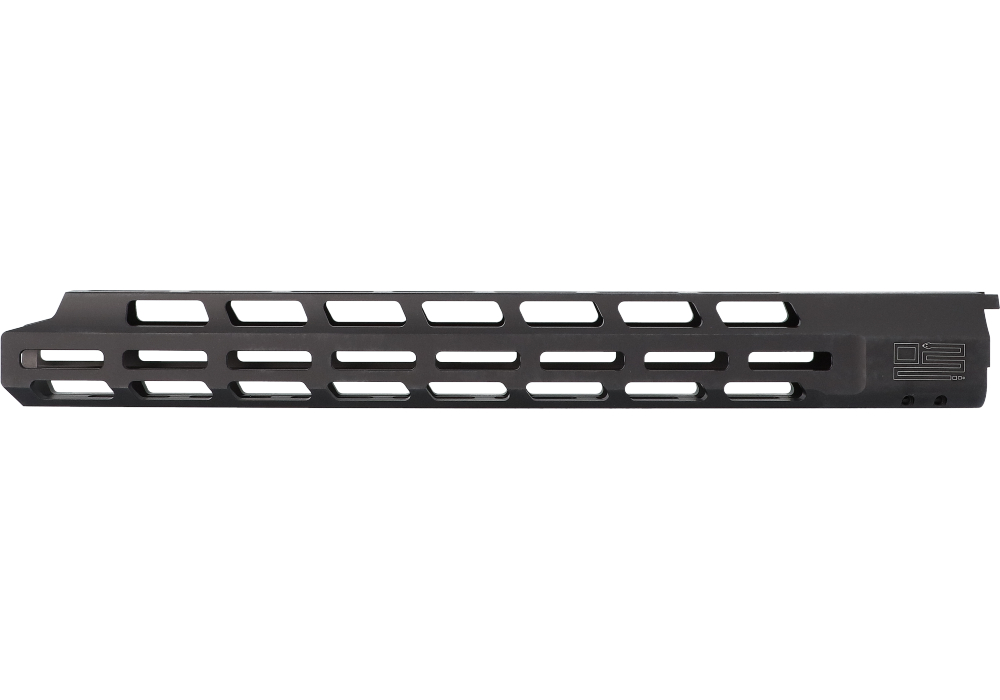
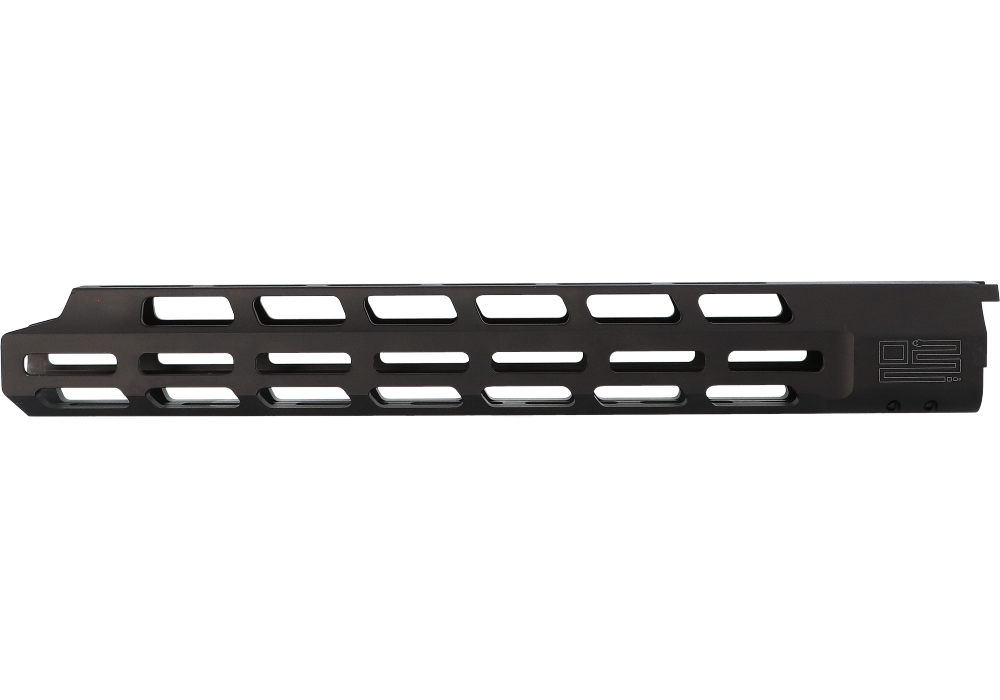
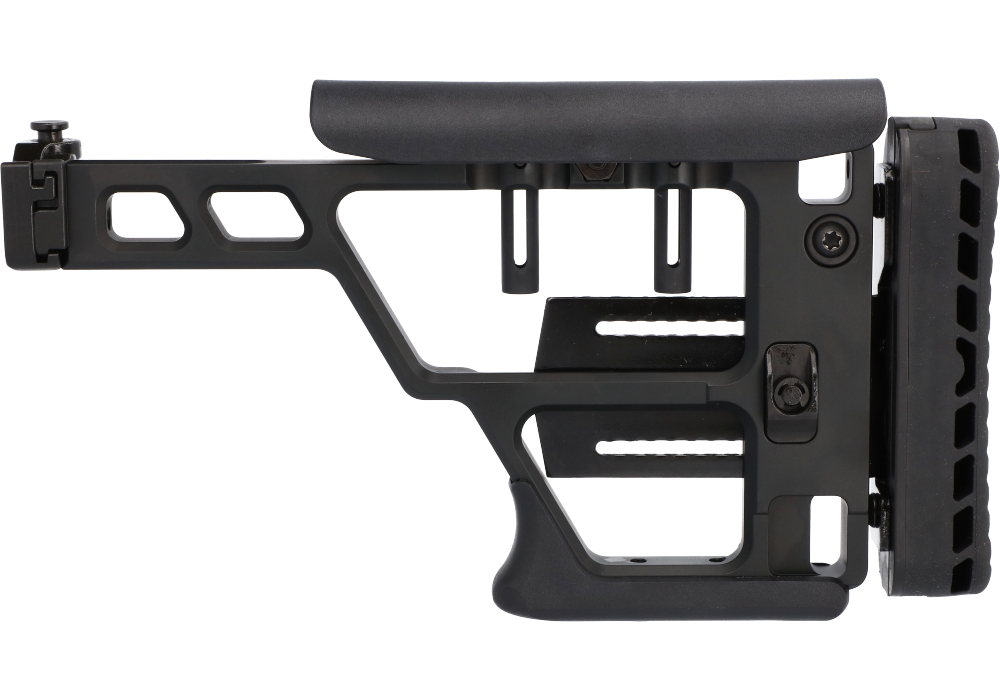
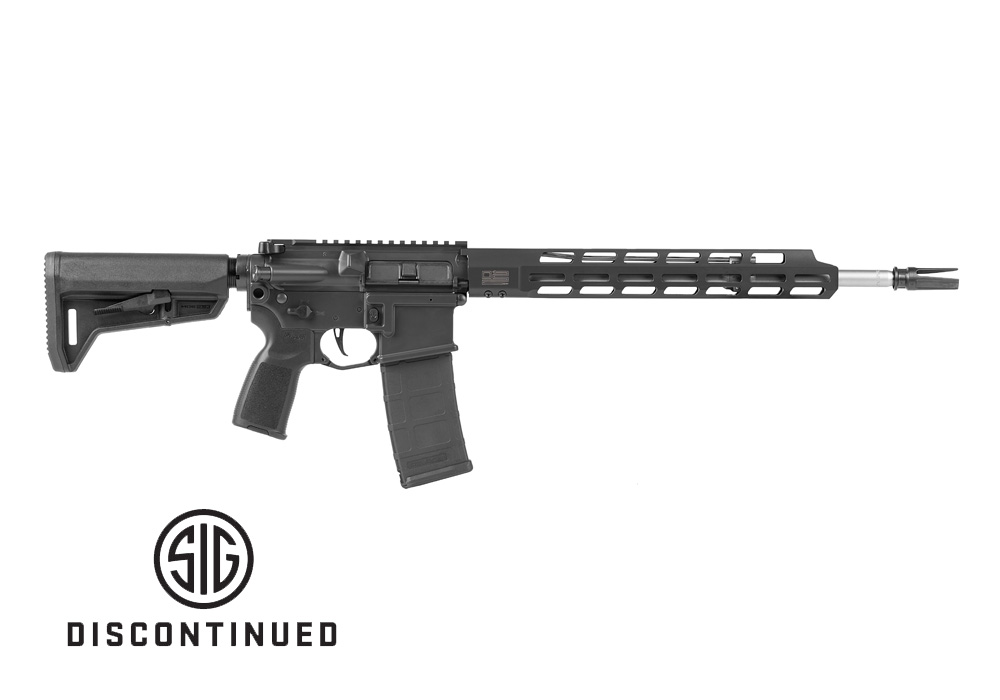
Accessories for upper receiver upgrades can help refine the way a firearm handles, cycles, vents gas, and interfaces with the shooter. Whether the goal is improved accuracy, more comfortable recoil, easier manipulation, or dependable performance with a suppressor, the right components should be selected as a complete system rather than as isolated additions. Common upgrade categories include bolt carrier groups, charging handles, handguards, barrels, gas blocks, muzzle devices, sights, and mounting hardware. A bolt carrier group is central to reliable cycling and lockup, so look for construction and inspection standards that support consistent function, including high-pressure testing or magnetic particle inspection where applicable. An enhanced charging handle may provide a larger or ambidextrous grasping surface, making it easier to operate from either shoulder or while wearing gloves. Gas-mitigating designs can also help direct expelled gas away from the shooter’s face, an especially useful consideration for suppressed setups. Handguards serve as both a protective surface and an attachment platform, with free-float designs helping reduce unintended contact between the handguard and barrel. That separation can support more consistent mechanical accuracy, particularly when a sling, barricade, or shooting rest places pressure on the front of the firearm. When selecting a handguard, confirm the appropriate length, mounting pattern, barrel nut compatibility, and clearance for the gas system and muzzle device. A barrel upgrade may be chosen for accuracy, durability, weight, or intended shooting distance. Stainless options are often considered for precision-focused builds, while chrome-lined or otherwise wear-resistant barrels may appeal to owners who place a premium on service life and repeatable function. Pay close attention to chambering, twist rate, gas-system length, profile, and muzzle-thread specifications so the barrel works with the rest of the upper receiver assembly.
Gas management is another important part of an upper receiver upgrade. A fixed gas block can offer straightforward operation, while an adjustable gas block allows the shooter or qualified armorer to regulate gas flow for a particular ammunition and operating setup. This can help balance suppressed and unsuppressed use, reduce excess cycling energy, and make recoil feel more manageable when properly tuned. Adjustments should always be made according to the manufacturer’s instructions and verified with safe function testing, since too little gas can cause failures to cycle and too much can increase wear or felt recoil. Muzzle devices also influence the character of a firearm. A flash hider can reduce visible flash, a compensator can help limit muzzle rise, and a suppressor mount can provide a secure interface for compatible equipment. The choice should reflect the intended use, local regulations, barrel threading, and whether the firearm will be used indoors, outdoors, suppressed, or in low-light conditions. Mounting accessories such as rail sections, sling attachment points, back-up sights, and hand stops can further improve control without adding unnecessary bulk. For many owners, the best upgrade is the one that makes routine handling feel natural: a charging handle that is easy to reach, a handguard that stays comfortable during an extended range session, or a muzzle device that keeps the sights settled during controlled fire. Before ordering, compare the upper receiver’s platform, caliber, barrel interface, gas-system dimensions, handguard mounting method, and intended suppressor compatibility. If several parts are being combined, reviewing the manufacturer’s specifications or consulting a qualified gunsmith can prevent mismatched components and unnecessary returns. Additional options for refining a complete firearm can be found in Parts For Firearm Upgrades.
These accessories may be useful to recreational range shooters, hunters, competitors, instructors, collectors, and responsible owners who want to tailor a firearm to a particular role. A practical, lightweight handguard and streamlined muzzle device may suit a carbine carried over uneven ground, while a heavier barrel, stable free-float handguard, and precision-oriented sighting setup may be better suited to deliberate bench or prone shooting. A shooter who practices during the warmer season may value ventilation, reduced weight, and an easy-to-grip surface, while someone training during cooler months may prioritize controls that remain accessible with gloves. Accessories can also make thoughtful gifts for an experienced firearm owner, provided the giver knows the exact platform and specifications. A quality charging handle, rail-mounted accessory, sling hardware, or maintenance-related upgrade can be useful without requiring the recipient to change the firearm’s core configuration. For gifts involving barrels, bolt carrier groups, gas blocks, or other fit-sensitive components, it is wise to confirm compatibility first or choose a gift card instead. Every upgrade should be installed with the firearm unloaded, pointed in a safe direction, and separated from ammunition during assembly or inspection. After installation, function checks should be performed carefully, followed by appropriate live-fire verification at a safe and lawful range. Follow all applicable federal, state, and local laws, as well as manufacturer guidance, particularly when selecting suppressor-related components or making changes that affect the firearm’s operating system. With thoughtful matching and careful installation, upper receiver accessories can provide a more comfortable, controllable, and dependable shooting experience while preserving the familiar handling qualities that make a well-configured firearm feel like an extension of the shooter.