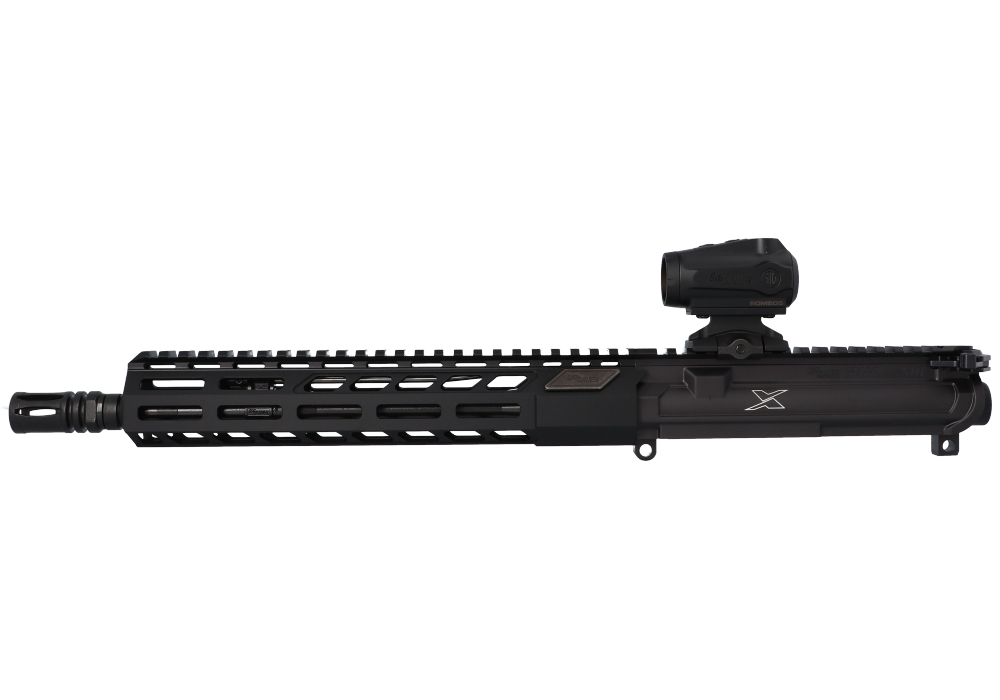
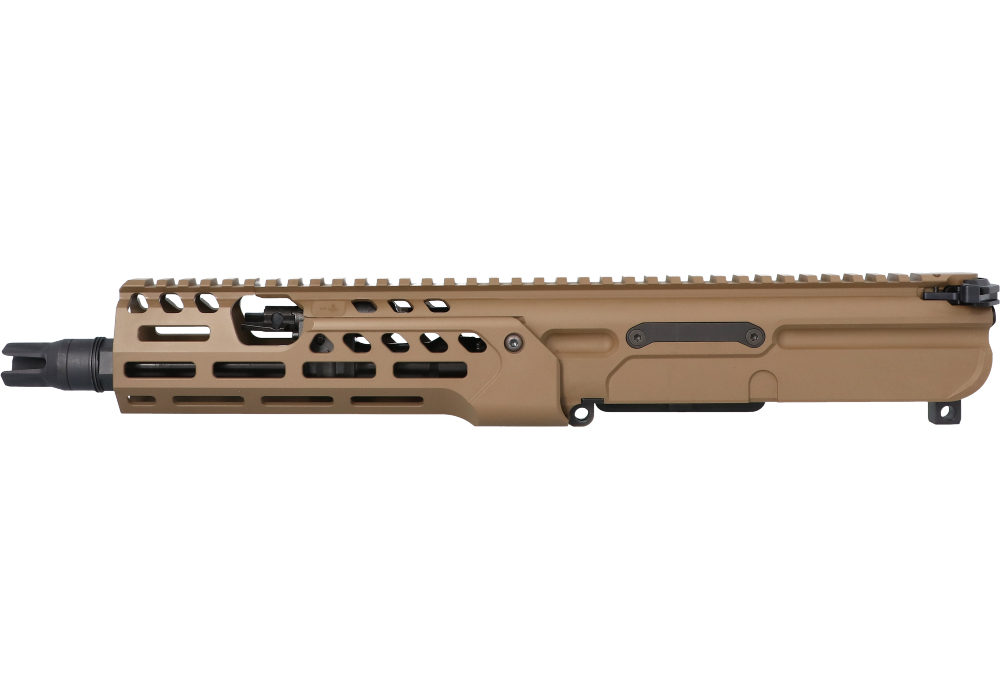
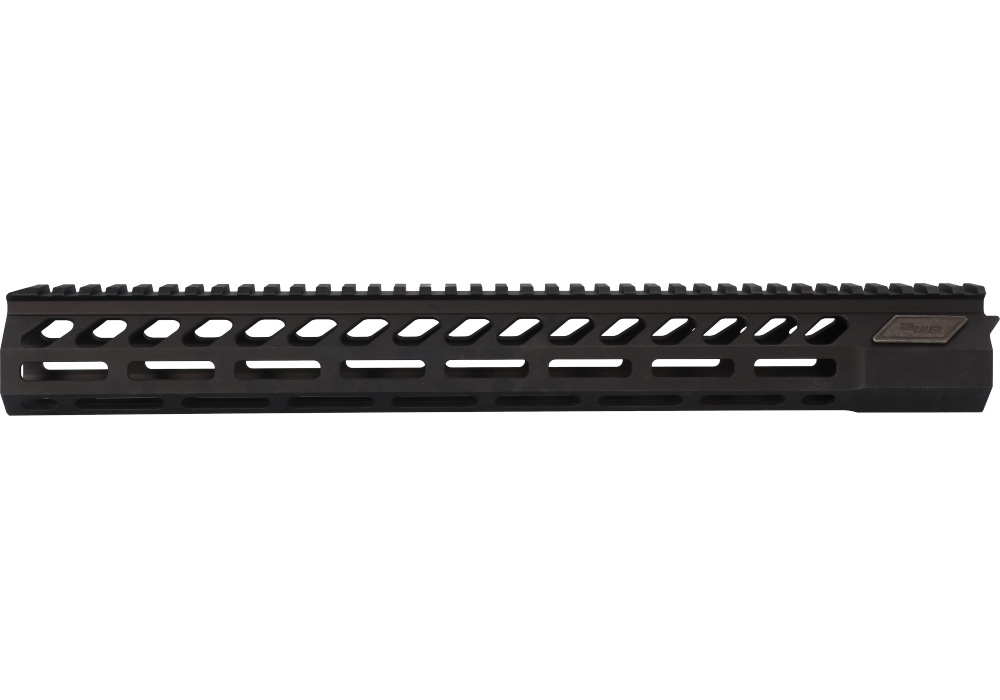
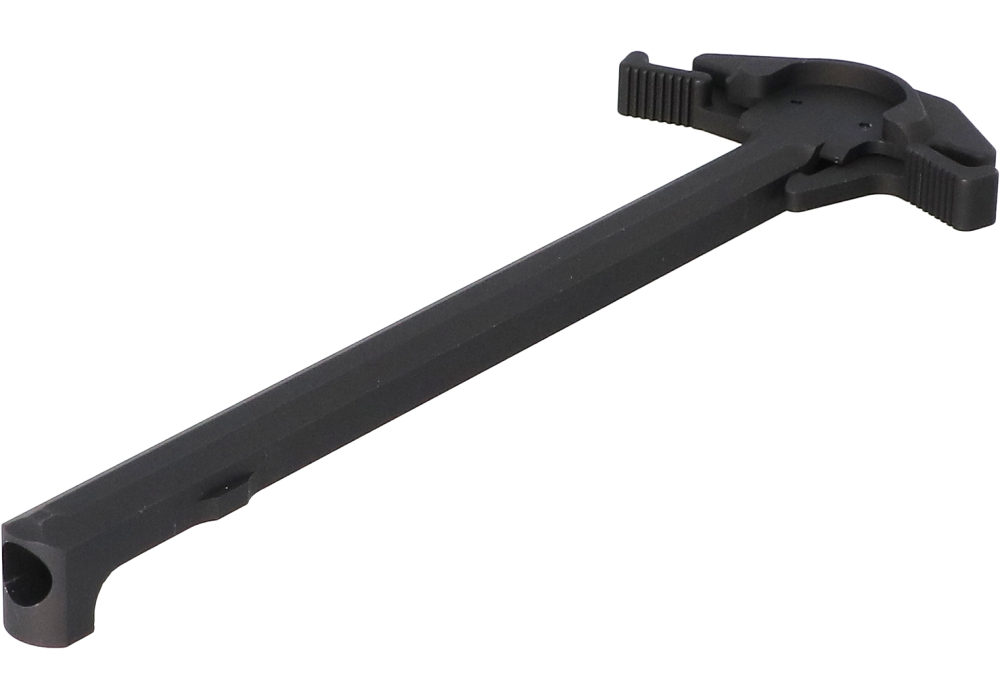
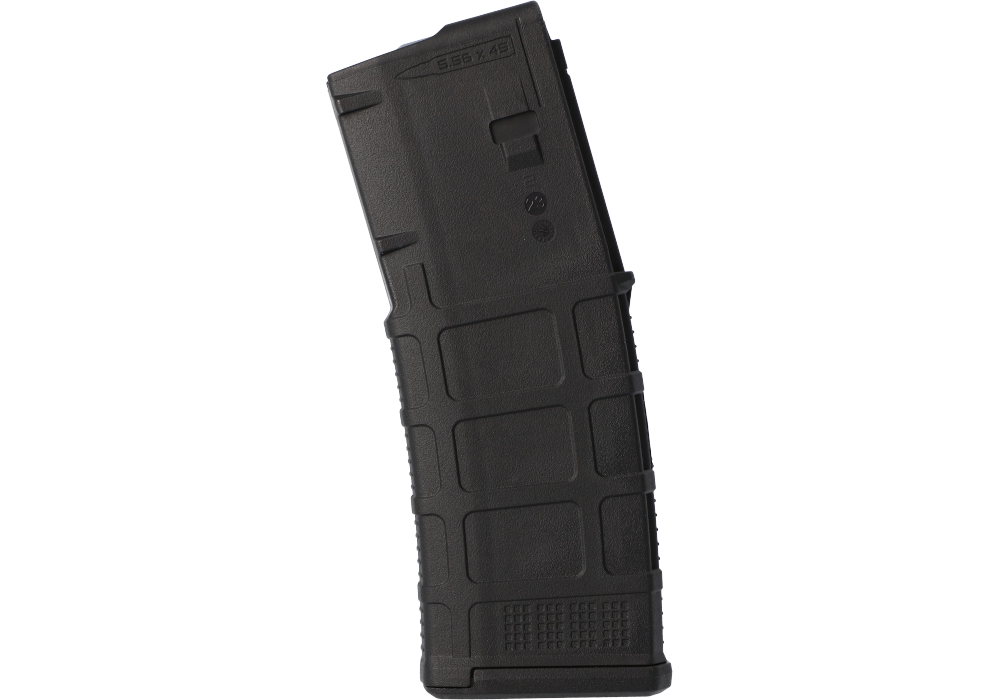
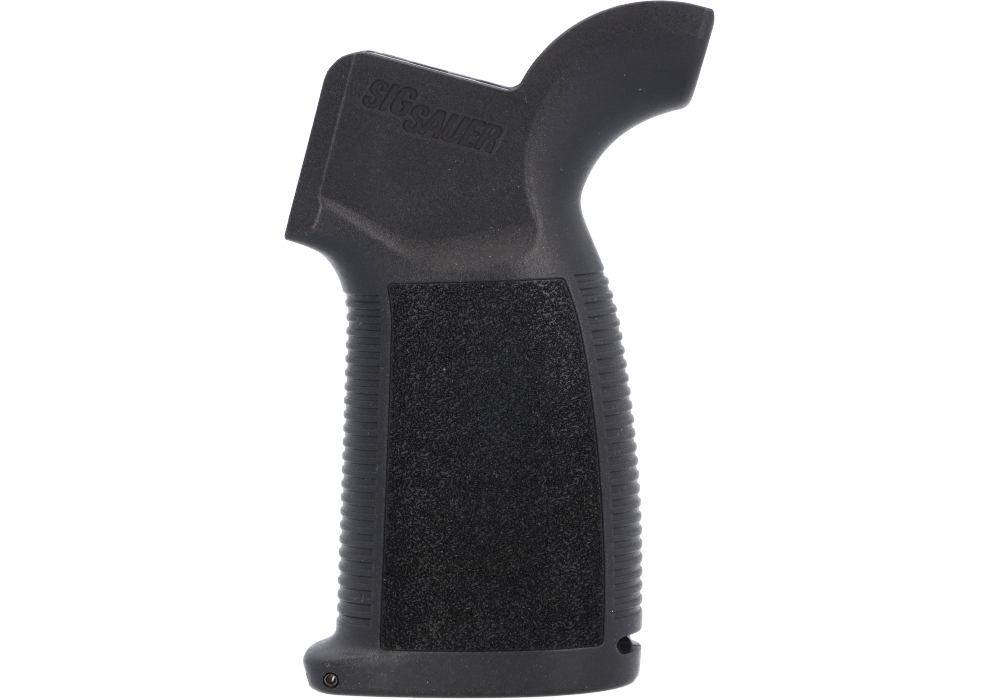
Upgrades for an AR-15 include replacement parts and accessories that address ergonomics, fit, sighting preferences, protection, and routine care. The most useful choices reflect the firearm’s existing configuration and the way its owner uses it, whether that means supervised instruction, recreational target shooting, or organized shooting sports. Grips, stocks, handguards, sighting accessories, and carrying equipment each serve different purposes, and a change in one area does not necessarily call for changes everywhere else. For someone who spends time at a bench, comfort may center on consistent contact surfaces and equipment that works naturally with the rest of the setup. For someone attending a structured range class, manageable bulk, clearly accessible controls, and convenient transport may matter more. A textured grip can feel quite different from a smooth surface, while a broader profile occupies more space in the hand than a slimmer one. Those differences are personal rather than universal measures of quality. Product dimensions, material descriptions, and compatibility information offer a more reliable basis for comparison than appearance alone. The AR-15 platform includes numerous configurations, so a familiar silhouette is not proof that a component will fit a particular firearm. Relevant considerations can include the manufacturer’s stated platform compatibility, mounting interface, surrounding equipment, and any limitations associated with the existing configuration. Clear documentation matters, especially when two accessories appear similar but use different attachment standards. Replacement components also vary in their intended application; a part designed for one configuration should not be assumed suitable for another. Manufacturer guidance and assessment by a qualified gunsmith are important whenever a proposed change affects function or requires installation beyond routine owner care. A well-considered selection respects the firearm’s original specifications while addressing a genuine preference, such as a more comfortable contact surface, a less cumbersome carrying arrangement, or better protection between range visits. That practical connection between the accessory and its intended use gives AR-15 upgrades their relevance beyond a change in appearance.
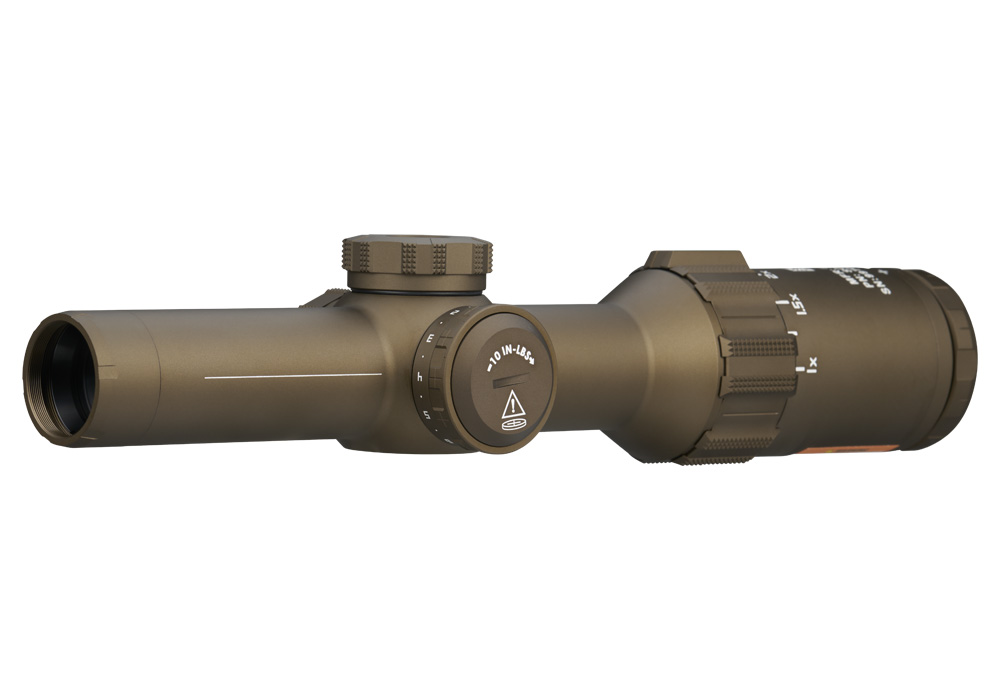
Materials and construction influence how firearm accessories feel, wear, and respond to regular handling. Aluminum is common where a rigid structure and manageable weight are desirable, while steel often appears in hardware and other areas subject to concentrated wear. Reinforced polymers offer another balance of weight, surface texture, and resilience. None of these materials tells the whole story on its own: design, manufacturing consistency, finish quality, and suitability for the application all contribute to durability. A substantial-looking accessory is not automatically the better match, particularly when its extra bulk makes an otherwise comfortable setup feel cumbersome. Likewise, a lighter component still needs the appropriate construction for its stated purpose. Clean edges, even finishes, well-defined attachment features, and clear care instructions are useful details to evaluate across accessory categories. Surface treatments can help resist corrosion and ordinary abrasion, but they do not eliminate the need for proper care. Repeated contact with a range bag, bench surface, or carrying strap can leave cosmetic marks over time, and normal finish wear does not always indicate a functional problem. Compatibility extends to cleaning products as well. Solvents, oils, and other treatments should be suitable for the particular metal, polymer, coating, or optical surface involved, with care following the relevant manufacturer’s instructions. Textured surfaces may collect dust and residue differently from smooth ones, while recesses and exposed hardware can require attention during routine inspection. Sighting accessories have their own considerations, including compatible mounting systems, protective covers, and care requirements for lenses or other viewing surfaces. These details matter even when an accessory looks straightforward. Loose hardware, damaged surfaces, or an uncertain fit call for professional assessment rather than an improvised solution. Cleaning and inspection belong in a safe routine with the firearm unloaded and ammunition stored separately. Durable equipment is best understood as equipment suited to its role and supported by appropriate care, not equipment that can be ignored after installation.
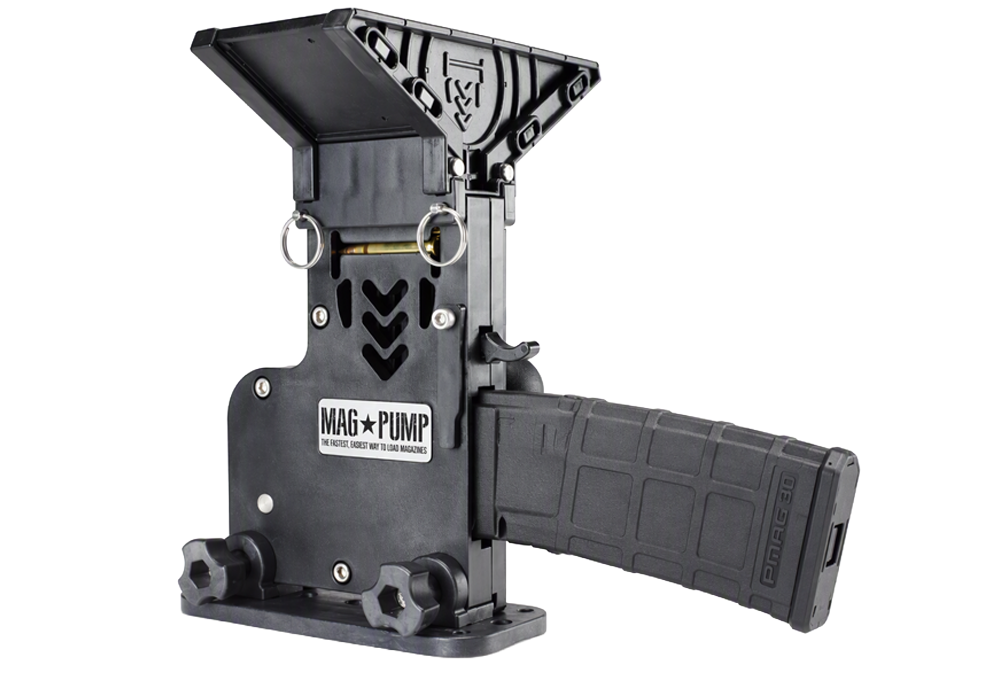
The right assortment of AR-15 accessories also accounts for everything surrounding a range visit: carrying, organization, protection, and the practical demands of returning equipment to storage. A protective case helps separate the firearm from loose gear during transport, while dedicated compartments can keep care supplies and small accessories from becoming tangled together. Carrying accessories introduce their own fit and attachment requirements, and their usefulness depends on compatibility with the firearm and the intended activity. These supporting details may be less visually prominent than replacement furniture or sighting equipment, but they contribute to a more orderly ownership experience. For a newer owner, straightforward documentation and familiar care requirements can be especially valuable. An experienced enthusiast may place greater importance on a particular surface feel, a preferred profile, or consistency across equipment used for lawful sporting activities. Neither situation requires changing every component. An existing setup that fits comfortably and functions as intended may benefit more from protection and upkeep than from an extensive collection of replacement parts. The broader selection of Parts For Firearm Upgrades provides context for comparing accessory categories while keeping the requirements of the individual firearm in view. Gifts call for the same attention to detail. A recipient’s exact configuration, preferences, and experience matter, and a visually appealing component can still be unsuitable for the firearm they own. General-purpose care or organizational accessories may involve fewer fit questions than replacement components, though dimensions and material compatibility still deserve consideration. For a regular range visitor, thoughtful equipment often solves an ordinary frustration: keeping a finished surface from rubbing against loose gear, giving frequently used accessories a dedicated place, or maintaining a consistent care routine. These are practical benefits that remain relevant long after the novelty of a new accessory fades. Across the category, useful distinctions come from documented compatibility, appropriate materials, comfortable proportions, and realistic expectations about care. AR-15 upgrades are most meaningful when they complement an established use, preserve safe operation, and bring a clear purpose to the overall setup.