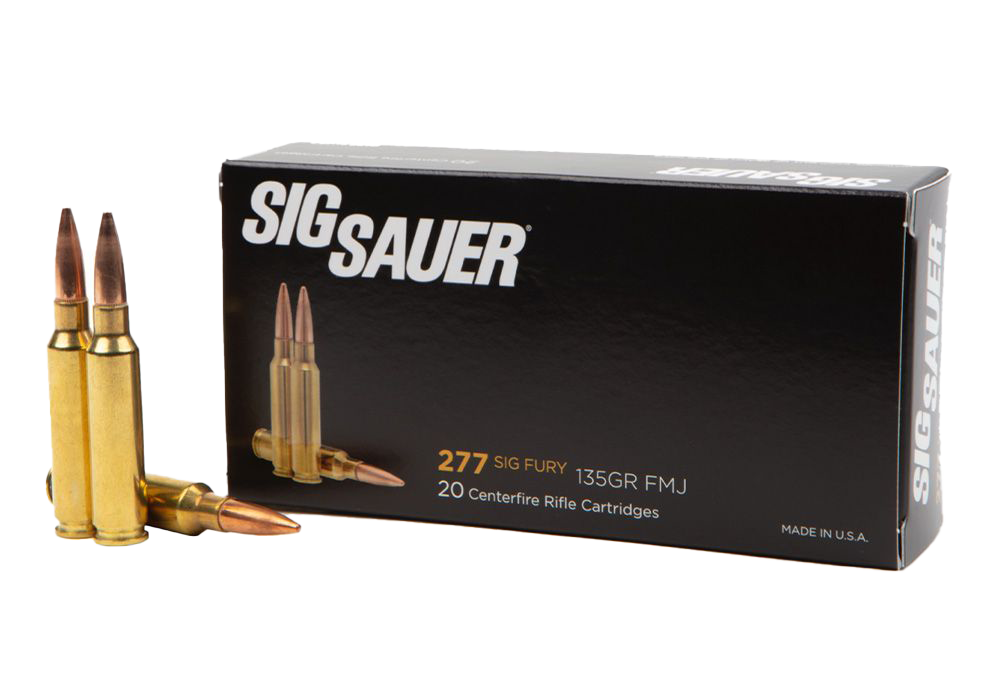
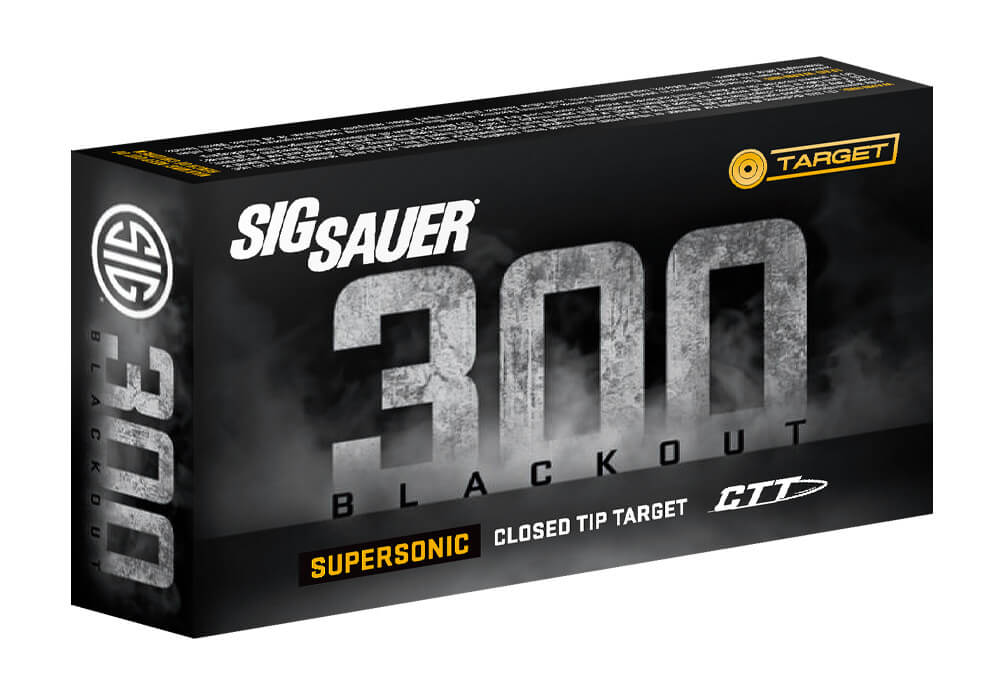
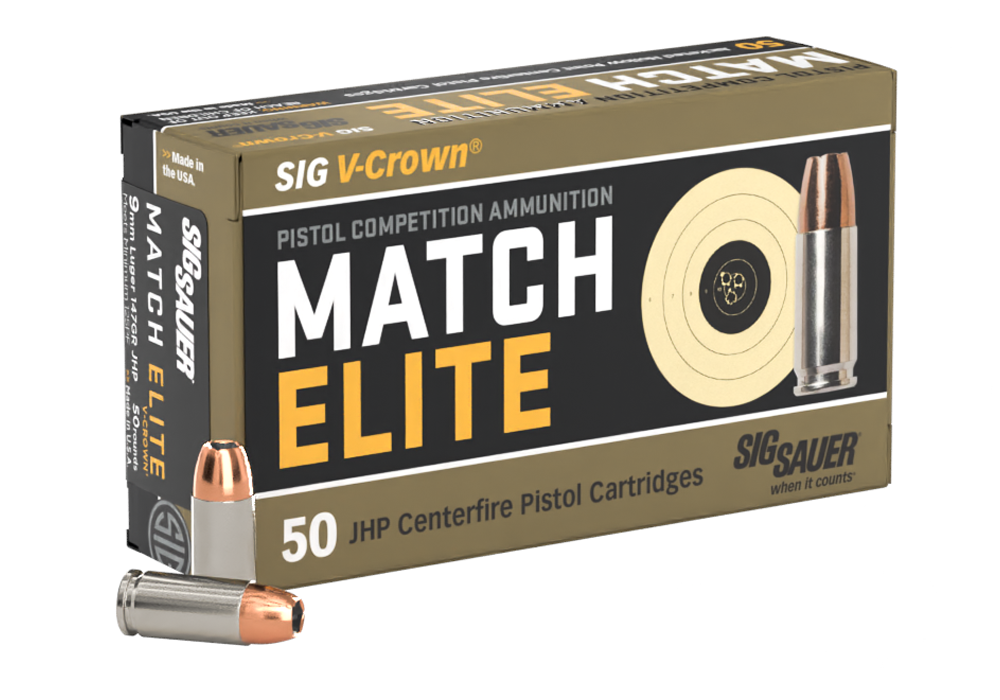
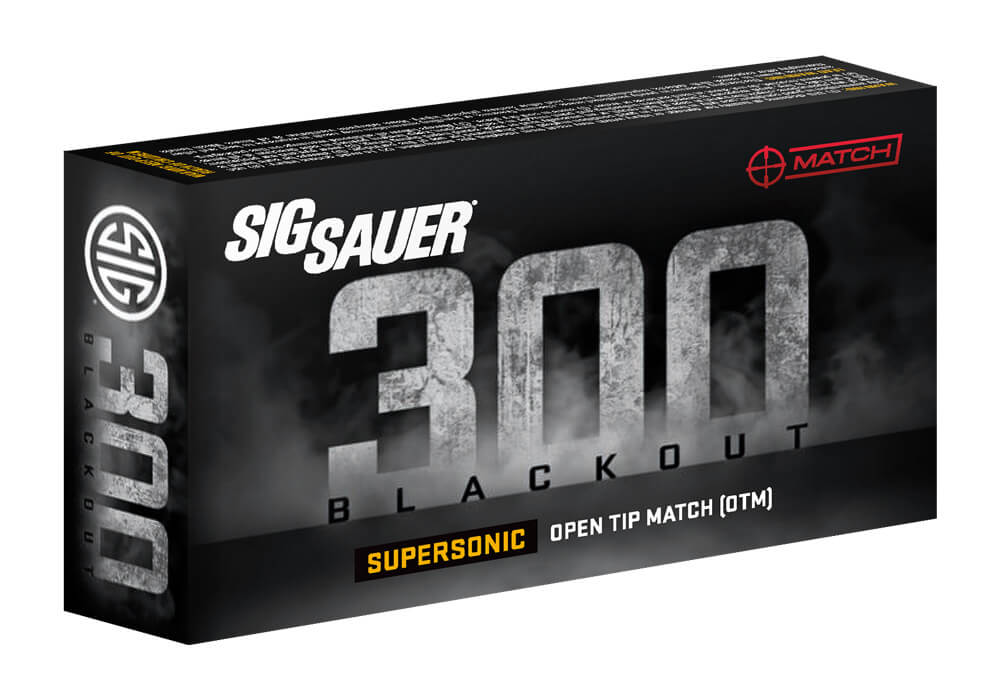
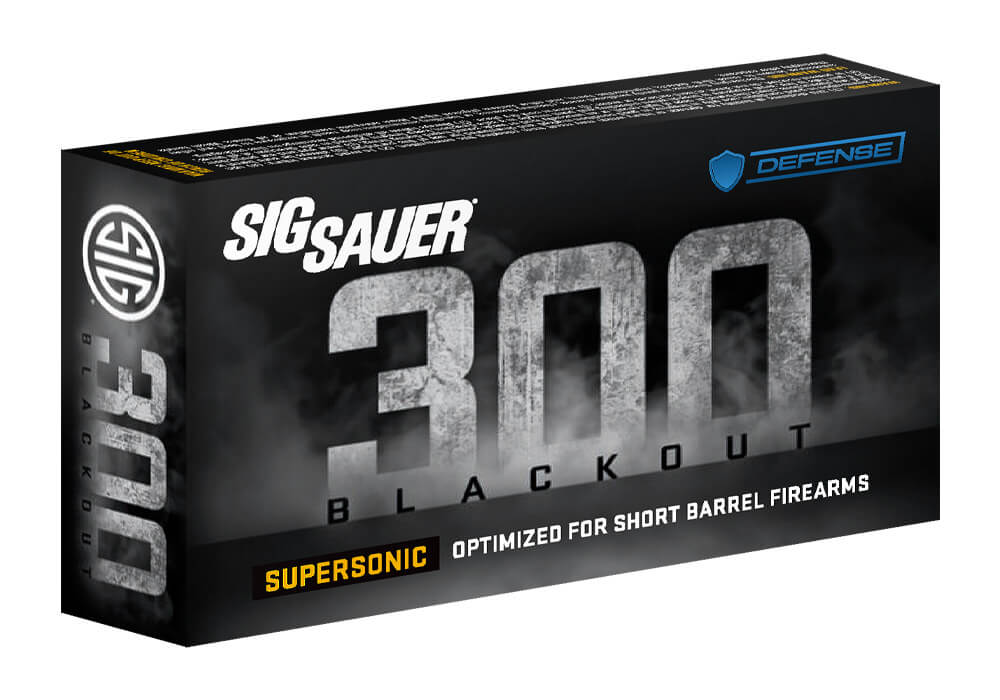
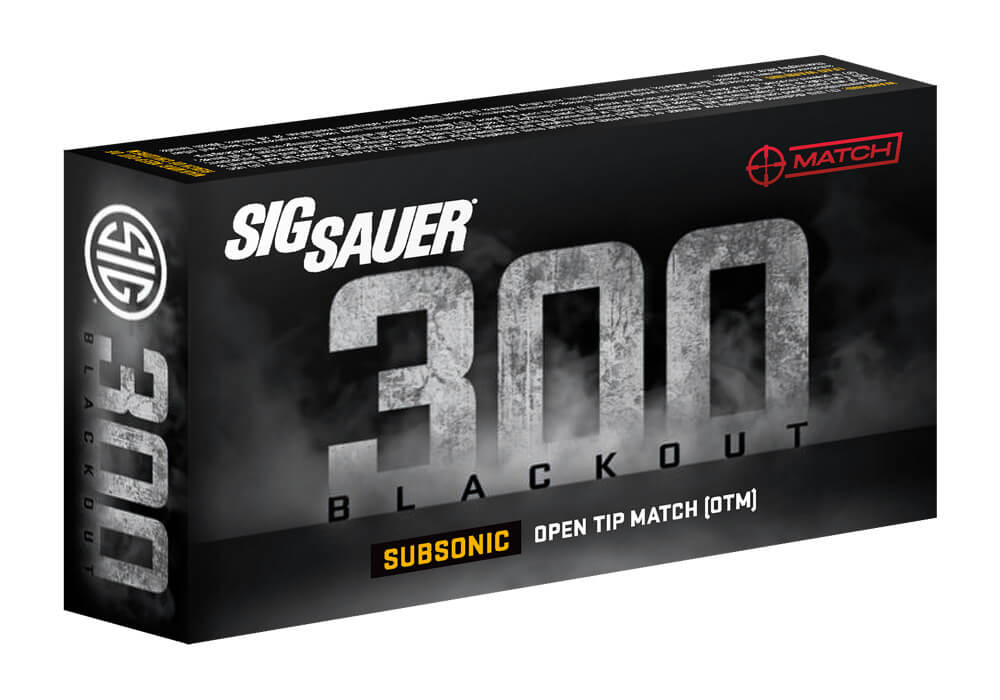
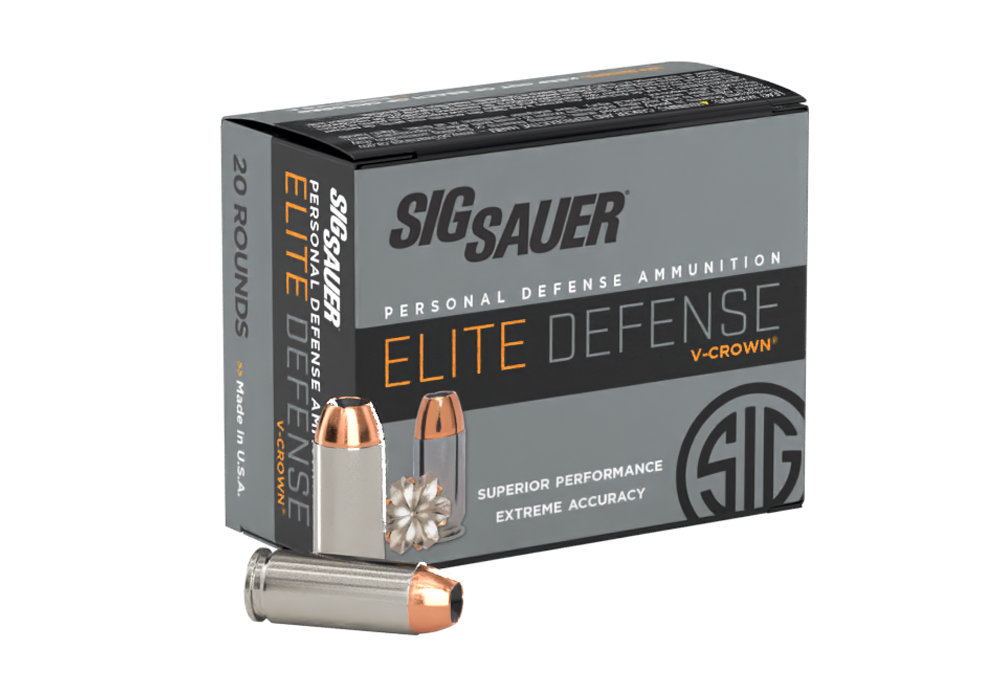
Accurate ammunition delivers repeatable performance, helping shots form consistent groups when paired with a compatible firearm and sound shooting fundamentals. Its defining qualities include uniform construction, dependable ignition, and consistent velocity—not simply a label on a box. Match ammunition emphasizes precision for target shooting and competition, while hunting ammunition balances accuracy with bullet construction suited to its intended use. General-purpose target ammunition supports practice, familiarization, and recreational range sessions. These categories can overlap, but no single load is the most accurate choice for every firearm. Barrel characteristics, chamber dimensions, firearm condition, and the shooter’s technique all influence results. A load that performs well in one rifle may produce different groups in another, even when both firearms share the same chambering. That makes compatibility and repeatability more useful considerations than broad claims of universal superiority. Quality factory ammunition brings together carefully controlled components, including cases, primers, propellants, and projectiles, with manufacturing checks intended to limit variation between rounds. Bullet uniformity and consistent assembly contribute to predictable performance, while variation in velocity can become more noticeable as target distances increase. Brass cases are common in centerfire ammunition and offer a combination of strength, corrosion resistance, and the ability to seal against the chamber during firing. Jacketed projectiles often combine a metal jacket with a core, while some designs use a solid copper construction. Materials alone do not establish accuracy; their dimensions, consistency, and suitability for the application matter just as much. For shoppers comparing ammunition within a collection, the strongest starting points are the firearm’s specified chambering, the manufacturer’s stated purpose for the load, and the type of shooting planned. Published accuracy results can provide context, but their value depends on the firearm, distance, and testing conditions behind them. A small group on a test target is meaningful evidence for that particular setup, not a promise that every shooter will see the same result.
The right ammunition also fits the purpose of the outing. A competitor shooting paper targets may prioritize consistent grouping and predictable recoil, while a recreational shooter may value reliable function and manageable handling throughout a range session. Hunters need accuracy alongside a projectile appropriate for the game being pursued and the applicable regulations. Target bullets and hunting bullets can look similar at a glance, but their construction and intended behavior are not necessarily interchangeable. A projectile designed primarily for precision on paper should not be assumed suitable for hunting, and a hunting load should be evaluated on more than its group size alone. Bullet weight, profile, and construction are useful comparison points, although none should be treated as an isolated guarantee of performance. Different profiles may also interact differently with a firearm’s feeding system, which is another reason to follow the firearm and ammunition manufacturers’ specifications. Exact chambering matters: similar names, comparable dimensions, or a cartridge that appears to fit do not establish safe compatibility. The markings on the firearm and its owner’s manual remain the proper references. Within the correct chambering, manufacturer guidance can help clarify which ammunition types suit the firearm and its intended role. New shooters often benefit from ammunition appropriate for supervised practice and skill development, while experienced shooters may seek a consistent choice for organized matches or regular training. For either group, a clear connection between practice ammunition and the intended activity makes the selection more useful. Familiar handling and a known point of impact can support confidence without replacing careful sight verification or responsible range procedures. Recoil comfort deserves consideration as well, since an unpleasant shooting experience can distract from a steady position and deliberate technique. Accurate ammunition contributes to the overall system, but it cannot compensate for loose equipment, an unsuitable setup, or inconsistent fundamentals. Thoughtful selection keeps the emphasis on dependable performance in the firearm actually being used, rather than on specifications viewed without context.
Care and storage help preserve the condition of ammunition between shooting sessions. Factory packaging protects cartridges from unnecessary handling and keeps essential information together, including chambering, bullet description, and lot identification. Those details are useful when maintaining records or comparing results over time. Secure, dry storage away from moisture, oils, solvents, and other contaminants helps protect cases and components, while locked storage limits unauthorized access. Ammunition should remain separate from unsecured firearms and out of children’s reach. Cases offer protection during ordinary handling, but corrosion resistance does not mean immunity to damage or neglect. Dented cases, visibly damaged projectiles, significant corrosion, or other unusual conditions warrant caution and guidance from the manufacturer rather than an attempt to restore the ammunition at home. Cleaning chemicals and lubricants intended for firearms are not ammunition treatments. For range use, intact packaging or a suitable protective container helps keep cartridges organized and shields them from grit and unnecessary contact. Keeping different chamberings clearly separated also reduces confusion when several firearms are present. Beyond physical condition, a useful distinction is the difference between accuracy and reliability: accuracy describes how closely shots group under a given set of conditions, while reliability concerns consistent ignition and proper function in a compatible firearm. Both matter, and neither should be inferred solely from appearance. The related Consistent Performance Ammunitions collection offers another way to explore ammunition with repeatability in mind. A simple record of the ammunition used, its lot information, and observed range results can provide more practical context than memory alone. Comparisons are most meaningful when the shooting conditions and firearm setup are reasonably consistent, rather than when one unusually small group receives all the attention. Across target practice, competition, and lawful hunting, accurate ammunition is best understood as a combination of suitable design, controlled construction, proper care, and demonstrated compatibility. Those qualities give shoppers a grounded basis for choosing ammunition that supports their intended use without relying on a universal ranking or an unsupported accuracy promise.