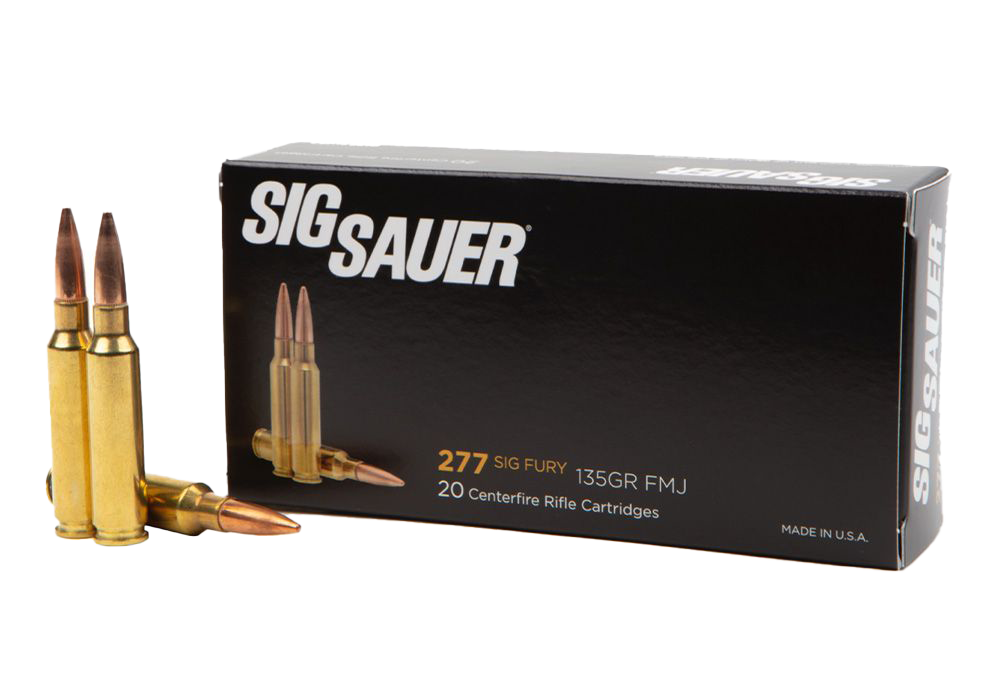
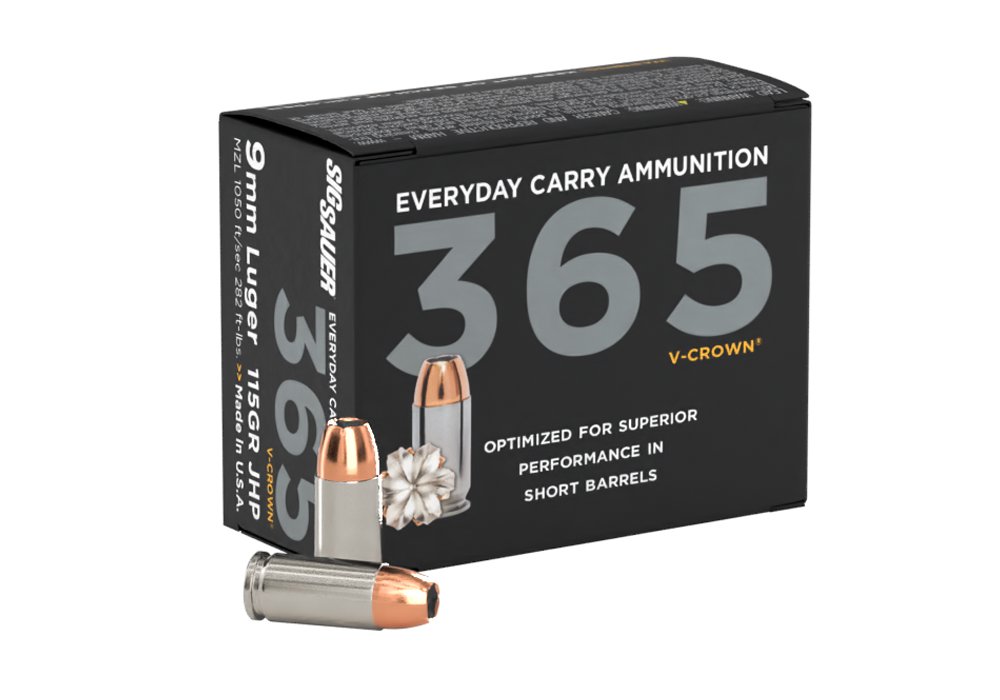
Consistent-performance ammunition is defined by repeatable ignition, controlled variation in muzzle velocity, uniform cartridge dimensions, and dependable functioning in a compatible firearm. Those qualities help keep ammunition from becoming an unpredictable variable, whether the goal is a tight group on paper, a productive practice session, or reliable performance for an intended field application. Consistency does not mean every shot leaves the barrel at exactly the same speed or lands in exactly the same place. It means the ammunition performs within controlled specifications, giving the shooter a more dependable foundation for evaluating accuracy and handling. Four components contribute to that foundation: the projectile, case, propellant, and primer. Uniform projectile weight, shape, and alignment help support repeatable flight and seating. Cases with controlled dimensions help cartridges fit the chamber correctly, while suitable case materials support the demands of firing and extraction. Propellant selection and charge uniformity influence pressure and velocity, and dependable primers provide the ignition that starts the process. These components work together; attention to one cannot compensate for poor control of another. Brass is a common case material, and many projectiles use a metal jacket around a core, although construction varies according to purpose. Material quality matters, but dimensions, assembly, and inspection matter just as much. For shoppers comparing ammunition, velocity consistency is often described through extreme spread, the difference between the fastest and slowest recorded shots, and standard deviation, a measure of how closely recorded velocities cluster around the average. Both depend on the number of shots tested and the test conditions, so an isolated figure is not a complete measure of quality. Published velocity also reflects a particular test setup and may differ from results in another barrel. A compact handgun, a full-length rifle, and a specialized target firearm place different demands on ammunition. Useful consistency is therefore more than an impressive number on a box: it is repeatable performance that suits the firearm, the shooting discipline, and the expectations of the person using it.
Fit begins with the exact cartridge designation specified for the firearm, not a visual resemblance between cartridges or a shared bullet diameter. Chambering, permitted pressure levels, and any ammunition restrictions in the firearm manufacturer’s documentation remain essential considerations. Bullet weight and projectile profile can also affect suitability, with rifle barrel twist influencing how well certain projectiles stabilize and firearm design influencing feeding and cycling. Matching those characteristics to the intended use helps narrow a broad ammunition category into meaningful choices. For routine target practice, predictable recoil, reliable functioning, and repeatable point of impact can support focused sessions without adding unnecessary variables. A shooter returning to the same paper target over several visits benefits from ammunition that provides a stable reference for tracking progress. In precision competition, uniform velocity becomes especially relevant as distance increases, because differences in flight time can contribute to vertical dispersion. Even then, a small velocity spread does not automatically guarantee a small group; projectile quality, barrel compatibility, firearm condition, and shooting technique still matter. Field use brings a different set of priorities, including projectile construction appropriate to the intended application and compliance with relevant regulations. Ammunition intended for personal protection likewise calls for compatibility and dependable functioning, rather than selection based on a single advertised measurement. Full metal jacket, open-tip match, and expanding projectile designs serve different purposes and should not be treated as interchangeable simply because their cartridge designation matches. An open-tip match design, for example, is associated with precision-oriented construction and is not automatically equivalent to an expanding hunting projectile. Range rules may also restrict certain projectile materials or constructions. For someone who practices frequently, the most useful choice may be ammunition that delivers a familiar shooting experience and dependable results across repeated sessions. For a competition-focused shooter, documented uniformity and demonstrated compatibility may carry greater weight. Neither purpose requires an assumption that one load will perform identically in every firearm. The right fit is the combination that supports the intended application while respecting the firearm’s specifications.
Care and storage help preserve the consistency built into ammunition. Original packaging protects cartridges from unnecessary handling and keeps important information, such as cartridge designation and lot identification, connected to the contents. A clean, dry, secure storage area, away from solvents, oils, and other contaminants, helps protect cases, projectiles, and primers. Ammunition should remain inaccessible to children and unauthorized users, with storage practices that follow applicable requirements. Protective case finishes and primer sealing vary by construction; a bright case or a polished projectile alone does not establish durability or resistance to moisture. Visible corrosion, damaged cases, loose projectiles, or other abnormal conditions warrant attention rather than an assumption that the cartridge will still perform normally. Attempting to clean contaminated ammunition with household chemicals or alter a cartridge can introduce new problems. Durable ammunition is better understood as ammunition whose materials and assembly withstand appropriate handling and storage while maintaining their intended function, not ammunition that can tolerate unlimited neglect. Reliable ignition is also the focus of the related Dependable Primer Rifle Ammunitions collection, where the primer’s role connects directly with broader expectations for repeatable rifle performance. Manufacturing controls may include dimensional checks, component inspections, and ballistic testing, but shoppers should distinguish documented specifications from broad performance language. Lot identification can be particularly useful for shooters who keep records, since it helps connect observations with a specific production group. Notes on group size, firearm configuration, and ammunition type provide more meaningful context than memory alone, especially when comparing results over several range visits. Consistent ammunition supports that kind of clear evaluation without promising that equipment or technique no longer matters. It can suit newer firearm owners establishing a reliable practice routine, experienced competitors refining equipment choices, and enthusiasts who value predictable results. Across those uses, the practical benefit is the same: ammunition that fits the firearm and purpose, receives appropriate care, and behaves dependably enough for the shooter to recognize meaningful changes rather than chase unexplained variation.