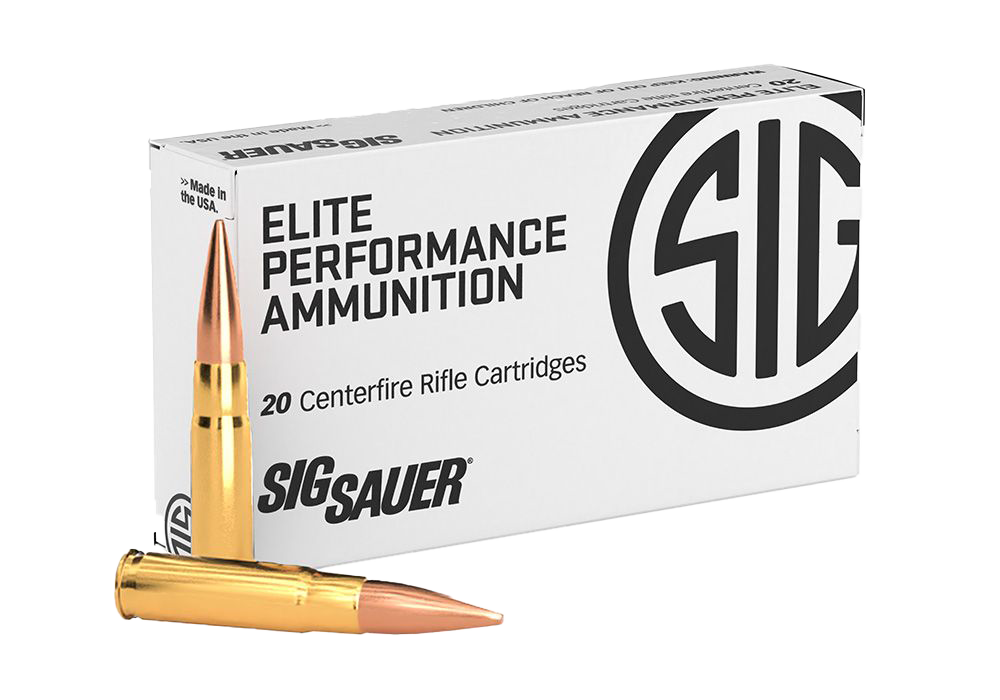
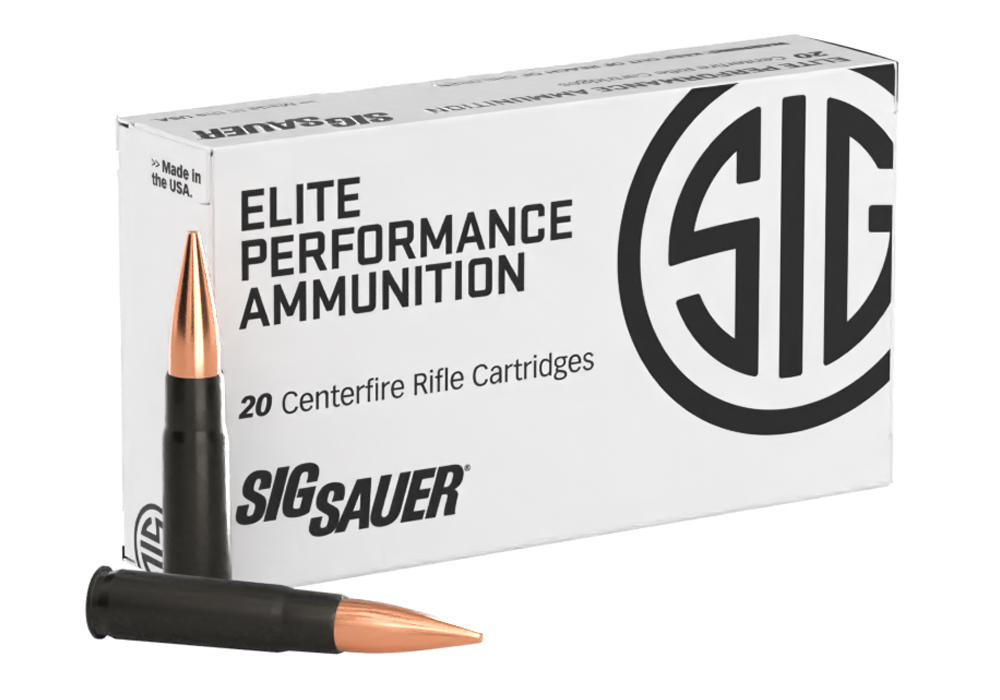
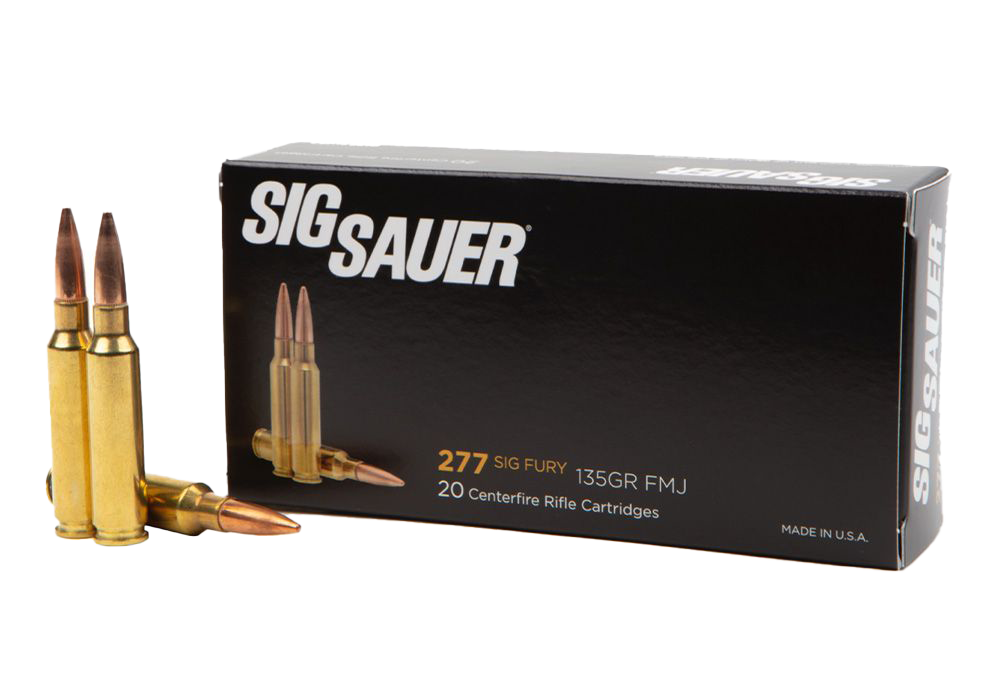
Dependable rifle ammunition combines reliable primer ignition, consistent components, and compatibility with the firearm in which it will be used. In a centerfire cartridge, the primer sits at the center of the case head and initiates ignition of the propellant when struck by the firing pin. Its role is small in size but fundamental to performance: a properly functioning primer helps begin the firing sequence consistently, while the propellant, case, bullet, and firearm all influence what follows. Primer reliability alone does not guarantee accuracy, and a particular primer style does not automatically make one cartridge better than another. Dependability comes from the complete cartridge working as intended, supported by careful component selection, controlled assembly, appropriate handling, and sound firearm maintenance. For target shooters, that can mean ammunition that supports repeatable practice without unnecessary interruptions. For competitors, it means a dependable foundation for evaluating precision and functioning under the rules of their discipline. For hunters, it means choosing ammunition whose intended application matches the game pursued, while meeting applicable legal requirements. These uses share a need for predictable performance, but they do not necessarily call for the same bullet construction or loading characteristics. A practice load intended for punching paper serves a different purpose from a hunting load designed for appropriate terminal performance. Product descriptions are most useful when they identify the cartridge designation, bullet weight, projectile construction, and intended application clearly, allowing meaningful comparisons without relying on broad reliability claims. Terms such as clean-burning or precision-oriented can provide context, but they should not substitute for compatibility information or a clear explanation of purpose. Ammunition that earns a place in a range bag is not simply the option with the strongest wording on its packaging. It is ammunition suited to the rifle, the shooting activity, and the performance expectations of the person using it. That distinction matters whether the next outing involves slow groups from a bench, structured practice on a supervised range, or a carefully planned hunt.
Materials and fit help explain why rifle ammunition can feel consistent from one session to the next. Cartridge cases commonly use brass because it offers a useful balance of strength, formability, and corrosion resistance. Some cases have a protective surface treatment, although appearance alone does not establish quality or reliability. The case must work with the chamber, support the cartridge components, and allow the rifle to function as intended. Bullet construction matters just as much to application: a jacketed projectile intended for target use and an expanding hunting projectile have different design priorities, even when their weights appear similar. Projectile jackets may use copper or copper alloys, while core materials vary by design; material restrictions at ranges and in hunting areas can also affect the choice. Consistent dimensions, secure component seating, and sound packaging are relevant considerations, but shoppers cannot verify every aspect of internal quality through a visual inspection. Clear specifications and documented quality controls therefore provide more useful context than finish or packaging alone. Compatibility begins with the exact cartridge designation specified for the firearm, not a resemblance between cartridges or an assumption based on bullet diameter. Chambering requirements, pressure limits, and any manufacturer restrictions deserve attention before ammunition is selected. Similar-looking cartridges are not necessarily interchangeable, and a cartridge that physically fits is not automatically appropriate. Magazine dimensions and firearm configuration can also influence suitability, making the owner’s manual an important reference. Within those requirements, bullet weight and design can affect recoil feel, point of impact, and how well a particular rifle groups. Two rifles chambered for the same cartridge may show different preferences, so broad accuracy promises deserve caution. A shooter working from a steady bench may value tight, repeatable groups, while someone practicing field positions may place greater emphasis on reliable functioning and a load suited to the eventual application. Both benefit from specifications that describe the complete cartridge rather than treating its primer as the only meaningful feature.
Care and handling help preserve the qualities built into finished ammunition. Dry, secure storage in original packaging keeps cartridge identification, lot information, and relevant warnings together, while protecting ammunition from unnecessary handling and contamination. Access should be restricted to authorized adults, with storage practices consistent with applicable laws and firearm safety recommendations. Solvents, oils, and other chemicals have no place on cartridges, and ammunition does not need polishing or lubrication as part of routine care. Corrosion, split cases, loose components, or other visible damage are reasons to set ammunition aside and seek guidance from the ammunition manufacturer rather than attempting a repair. Packaging also has a practical role beyond protection: keeping different loads clearly separated reduces confusion when several rifles or shooting activities are involved. At the range, a simple record of the cartridge description, lot number, and observed performance can help distinguish an ammunition preference from a change in sights, shooting position, or firearm condition. Consistent evaluation is more informative than judging a load by a single unusually tight group or one poorly executed shot. Dependability also includes recognizing when something is not normal. An unusual report, unexpected recoil, or failure to fire calls for stopping and following the firearm manufacturer’s safety procedures and range rules, not continuing the session to test whether the issue repeats. For a broader look at ammunition selected around repeatability, Consistent Performance Ammunitions offers a related collection to explore alongside application and compatibility details. The strongest purchasing decisions connect those details to a realistic purpose: regular target practice, organized competition, hunting, or another lawful shooting activity. Reliable ignition matters in every case, but it belongs within a larger picture of appropriate construction, careful storage, and responsible use. The result is a practical standard for evaluating rifle ammunition—clear identification, suitable materials, dependable functioning, and performance that supports the task without asking a single feature to explain everything.