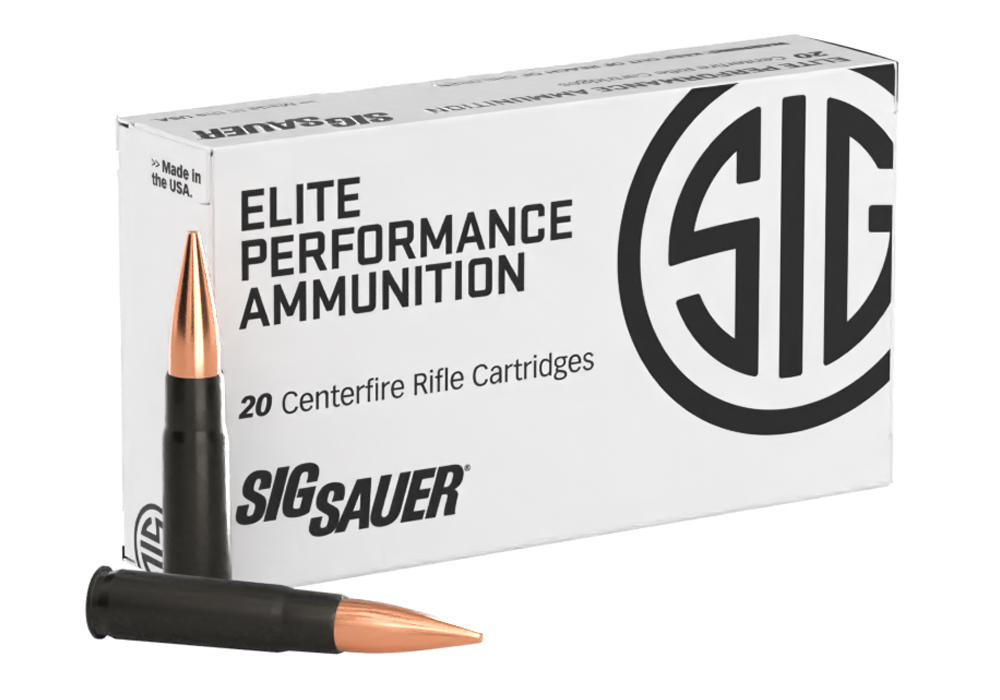
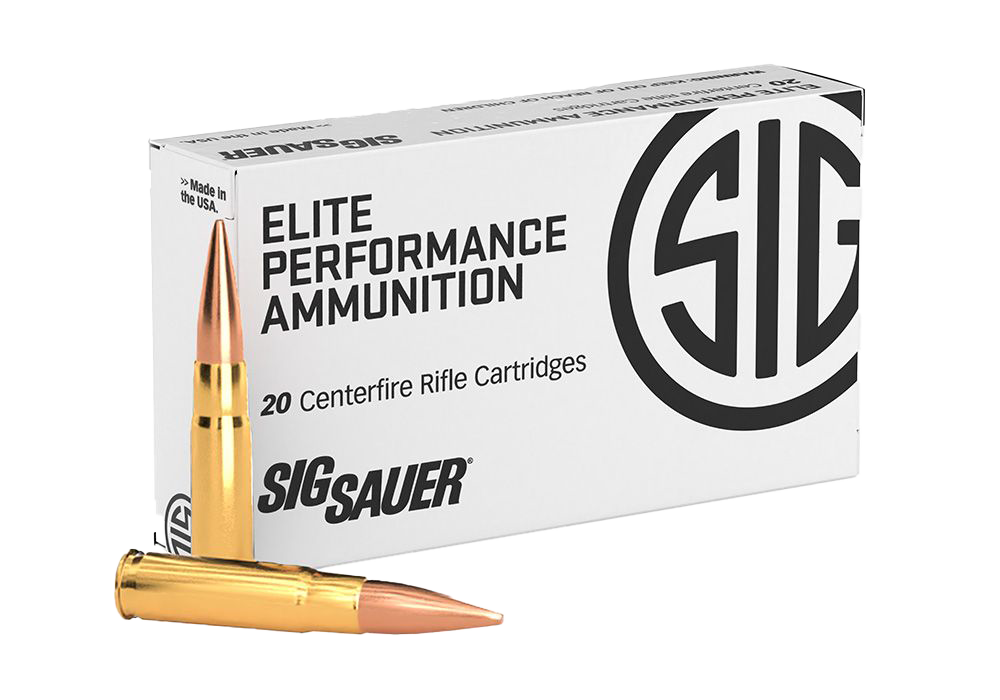
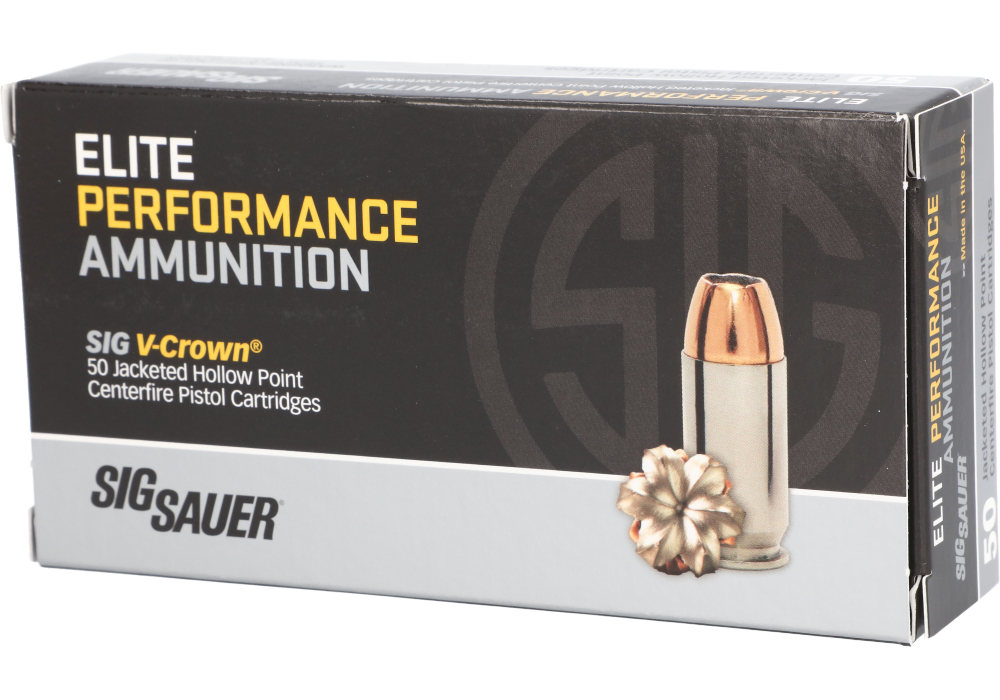
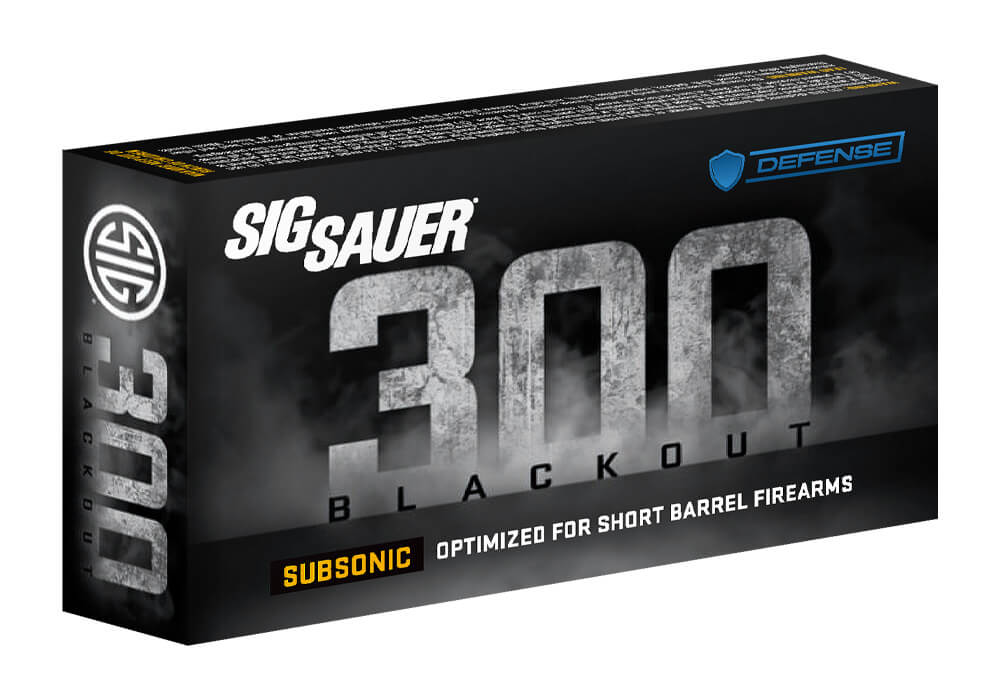
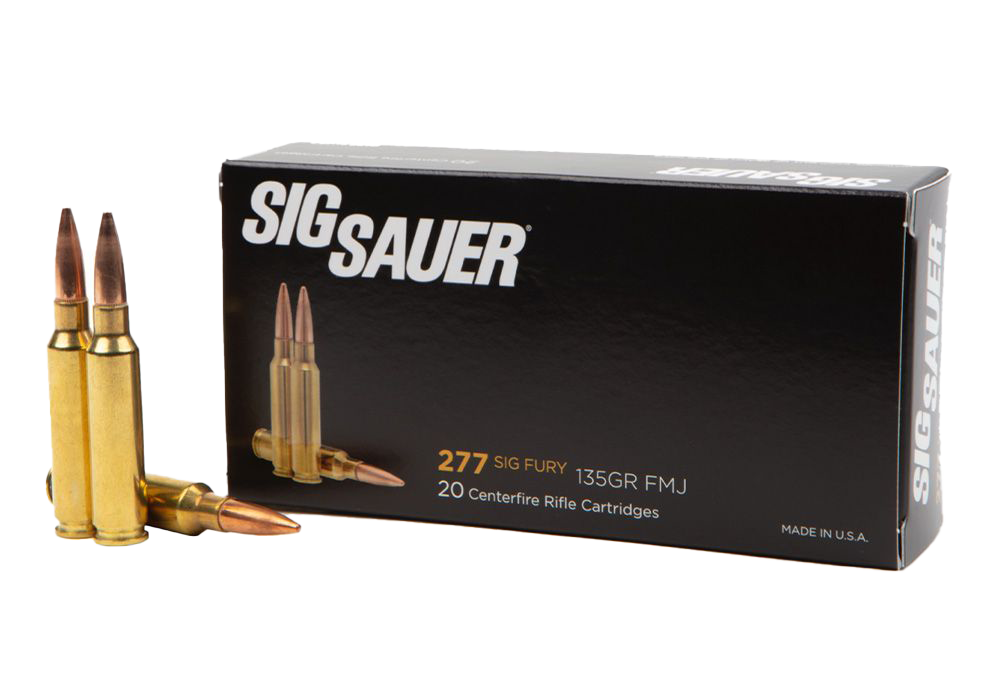
Dependable ignition is a fundamental part of reliable ammunition performance, whether a range session involves deliberate shots at paper targets, a structured practice routine, or preparation for a hunting trip. Shoppers often use “bullets” to describe ammunition, but the distinction matters: the bullet is the projectile, while a complete cartridge also includes the case, primer, and propellant. Ignition begins with the primer, so bullet construction alone does not establish how reliably a cartridge will fire. Consistent primer performance, sound cartridge construction, and compatibility with the firearm all contribute to dependable function. For someone comparing ammunition, the useful details are the exact cartridge designation, bullet weight, projectile style, and intended application—not simply a broad promise of reliability. A cartridge that suits one firearm may be inappropriate for another, even when the names or dimensions appear similar. The firearm’s markings and owner’s manual should establish the starting point for any selection, with the ammunition packaging providing the corresponding specifications. Bullet weight, typically expressed in grains, is another important distinction, although it is not a measure of primer quality or a guarantee of accuracy. Different weights and profiles can produce different recoil characteristics, points of impact, and feeding behavior in a compatible firearm. That is why dependable ignition bullets are best considered as part of a complete ammunition choice rather than an isolated feature. Factory-loaded ammunition with clearly stated specifications gives shoppers a practical basis for comparison, while documented manufacturing controls can provide context about consistency. No ammunition can promise flawless function in every firearm, and reliable performance also depends on the firearm’s condition and maintenance. For an experienced shooter replenishing familiar practice ammunition or a newer owner learning to read cartridge labels, clear compatibility information is more useful than sweeping claims. The goal is a suitable load that supports a predictable shooting experience without obscuring the differences between ignition, feeding, accuracy, and projectile performance.
Materials and construction help explain those differences. Many conventional bullets combine a lead core with a copper or copper-alloy jacket, while other designs use a solid copper projectile or a different composition suited to a particular purpose. The jacket, tip, and overall profile influence how a bullet interacts with the barrel and how it performs at the target; they do not replace the role of the primer in initiating ignition. Cartridge cases are commonly brass, although other case materials also exist, and each ammunition listing should be evaluated according to its stated specifications and the firearm manufacturer’s recommendations. Full metal jacket designs are often associated with target practice, while expanding projectile designs may be intended for hunting or personal protection, depending on the load. Those categories are not interchangeable, and a familiar bullet shape is not enough to establish suitability. Range rules, hunting regulations, and any restrictions on projectile materials can also narrow the appropriate choices. At an indoor range, for example, the permitted ammunition types may matter as much as the caliber stamped on the box. For a hunter, the intended game and applicable regulations add considerations beyond whether a cartridge functions reliably. Competitive shooters may place particular value on repeatable recoil feel and a stable point of impact across practice sessions, while recreational shooters often appreciate ammunition that lets them concentrate on fundamentals rather than unexpected variations. Ignition reliability and accuracy are related parts of the overall experience, but neither guarantees the other. A load can ignite consistently yet group differently across compatible firearms because barrel characteristics, projectile design, and other factors affect results. Shoppers exploring that distinction can also compare Accurate Bullets with their intended use in mind. Published velocity and accuracy information can be helpful context, provided the test conditions are considered rather than treated as a promise for every firearm. Consistency is most meaningful when the ammunition’s specifications, the firearm’s requirements, and the shooter’s actual application align.
Care and handling help preserve the condition of ammunition after purchase. A cartridge is a precision-assembled product, and its durability should not be confused with immunity to damage or contamination. Original packaging keeps the cartridge designation, bullet weight, lot information, and manufacturer guidance together, making it easier to identify ammunition correctly before a range visit. Clearly labeled, secure storage also helps prevent similar-looking cartridges from becoming mixed. Ammunition should be kept dry and protected from moisture, cleaning solvents, oils, and unnecessary handling, following the manufacturer’s storage recommendations. A suitable storage container can help protect packaging and cartridges, but it is still important to retain the information needed to identify the contents. Loose rounds rolling around a range bag are harder to track and more exposed to dirt and physical wear than ammunition kept in appropriate packaging. Before use, visible corrosion, damaged cases, or other irregularities warrant setting the ammunition aside and consulting the manufacturer or a qualified professional rather than assuming it remains suitable. Altering or attempting to repair a questionable cartridge is not an appropriate substitute for that advice. Firearm care matters as well: ammunition cannot compensate for worn parts, an unsuitable magazine, or maintenance issues, and recurring failures deserve professional attention. Within those practical boundaries, dependable ammunition supports a wide range of ordinary shooting routines. It can help a recreational shooter maintain continuity between visits, give a competitor a consistent foundation for practice, or allow a hunter to confirm the performance of an appropriate load before entering the field. For anyone choosing ammunition as a gift, suitability requires more than knowing that the recipient enjoys shooting; the exact firearm chambering, intended use, recipient eligibility, and applicable laws all matter. When those details are uncertain, assumptions can lead to an unsuitable selection. Across uses, the strongest basis for choosing dependable ignition ammunition remains straightforward: verified compatibility, clearly described construction, appropriate projectile design, careful storage, and realistic expectations about performance. Those details turn a broad search for reliable bullets into a more informed comparison of complete cartridges and their intended roles.