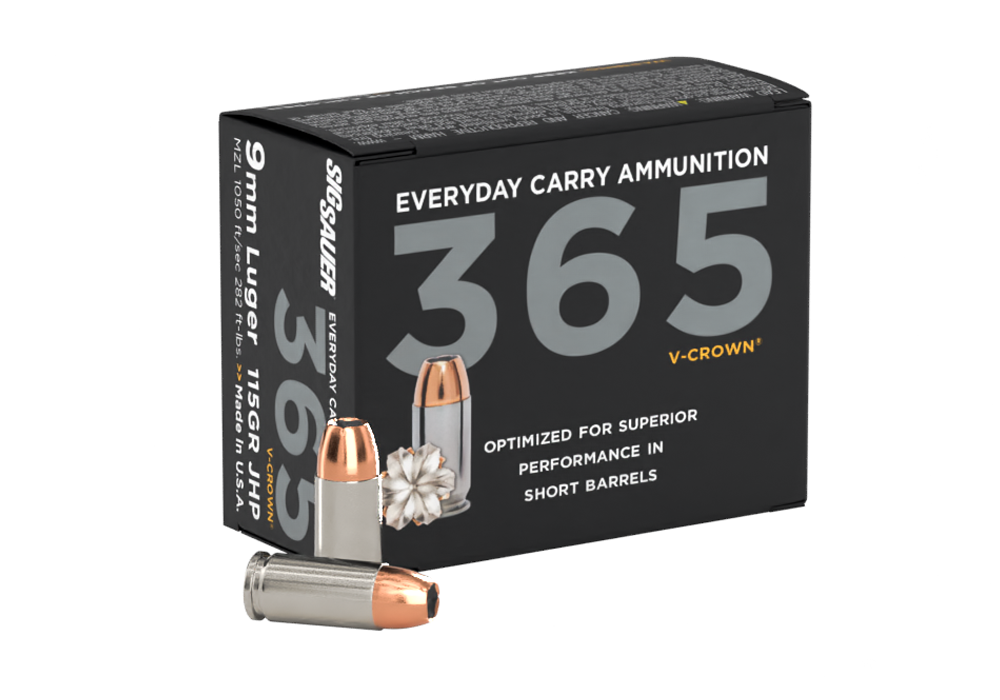
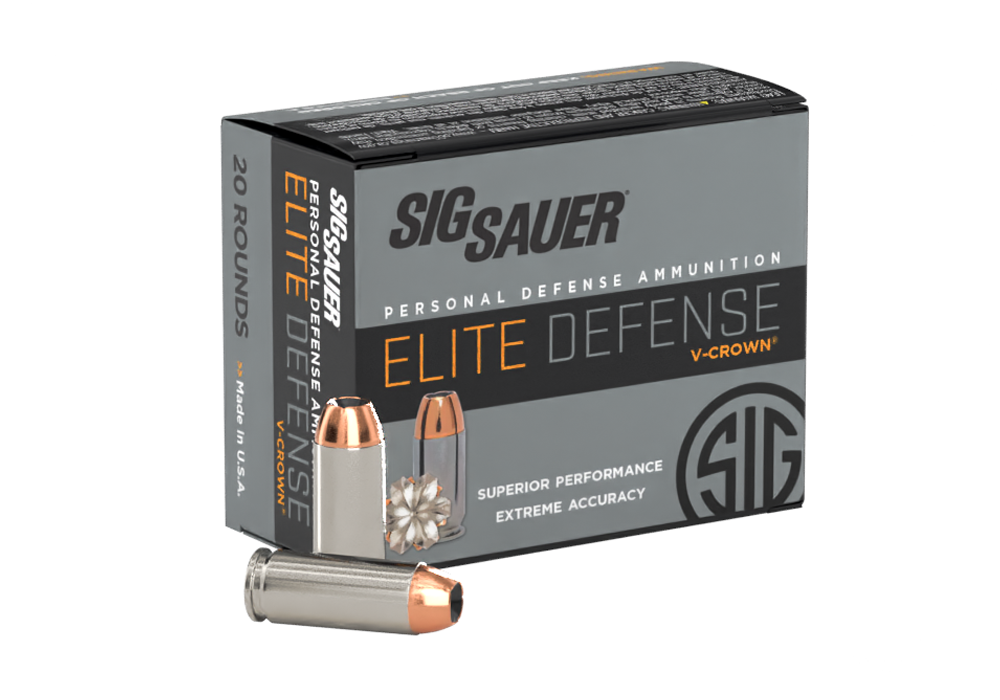
Defense ammunition is selected for dependable performance when a firearm may be used to protect a person, family, or property. Unlike general-purpose range ammunition, defensive loads are commonly designed with a jacketed hollow-point projectile or another controlled-expansion profile that can expand after impact, helping transfer energy efficiently while limiting the potential for excessive penetration. Performance depends on the complete cartridge, including bullet construction, weight, velocity, primer, and casing, as well as the firearm and barrel length in which it is used. That is why choosing defense ammunition should begin with the owner’s specific firearm and its chambering. Confirm the caliber marked on the barrel or receiver, consult the owner’s manual, and select ammunition that matches those specifications exactly. Common defensive chamberings include 9mm, .380 Auto, .40 S&W, and .45 Auto, but the correct choice is always the one approved for the individual firearm. A compact handgun may produce different velocity and recoil than a full-size model, even when both use the same cartridge. Casing material can also matter in practical use: brass and nickel-plated brass are widely chosen for smooth feeding and reliable extraction, while a clean, consistent finish can make inspection and storage easier. For shoppers comparing options, consider controlled expansion, dependable ignition, consistent dimensions, manageable recoil, and a proven record of reliable function rather than focusing on a single specification. Browse Accurate Ammunitions to explore ammunition selected with precision and practical performance in mind.
Defense ammunition is commonly used by licensed firearm owners who keep a handgun for personal protection, home defense, or carry where permitted by law. It may also be a thoughtful gift for an experienced shooter, new firearm owner, or family member who has completed appropriate training and understands safe handling; ammunition should never be given to someone who cannot legally possess or safely operate a firearm. Before purchasing, check all applicable federal, state, and local requirements, including restrictions on ammunition sales, shipping, possession, and carry. It is also important to distinguish defensive ammunition from practice ammunition. Full metal jacket or other range loads are often more economical for regular training, while a selected defensive load can be reserved for protection after it has been tested in the intended firearm. A sensible setup may include enough practice ammunition to build familiarity with recoil, sight recovery, and safe loading procedures, along with a separate supply of defensive rounds for storage or carry. Reliability testing should be performed in a controlled range environment: fire a meaningful quantity of the chosen load through the actual firearm, including from the magazines used for carry, and confirm that feeding, cycling, extraction, and slide lock function as expected. Pay attention to recoil and accuracy as well. A load that is difficult to control may slow follow-up shots, while a load that groups consistently gives the shooter greater confidence in responsible handling. Firearms and ammunition should always be stored securely, separate from unauthorized users, and maintained according to the manufacturer’s instructions.
Storage and upkeep become especially important as temperatures, humidity, and daily routines change during the cooler months. Defensive ammunition should remain in its original packaging or another clearly labeled container, protected from moisture, heat, oils, solvents, and unnecessary handling. Inspect cartridges periodically for corrosion, dents, scratches, loose bullets, damaged primers, or other irregularities, and set aside anything that appears compromised. Avoid mixing different loads in the same container, since clear identification helps prevent mistakes when preparing for practice or lawful carry. Many owners establish a simple rotation routine: inspect the ammunition carried or stored for protection, replace any rounds that have been repeatedly chambered or exposed to harsh conditions, and use older but serviceable defensive rounds for supervised practice when appropriate. Chambering and unloading the same cartridge again and again can mark the bullet or affect its fit, so a rotation plan supports both reliability and organization. Ammunition should never be altered, dismantled, or used in a firearm that is not rated for its caliber and pressure. As with every aspect of firearm ownership, training remains essential. A qualified instructor can help owners develop safe loading and unloading habits, secure-storage practices, malfunction awareness, and judgment around when a firearm should or should not be accessed. The right defense ammunition is not simply a box chosen by bullet style; it is a carefully matched component of a responsible system that includes a compatible firearm, verified function, proper storage, regular practice, and respect for the law.