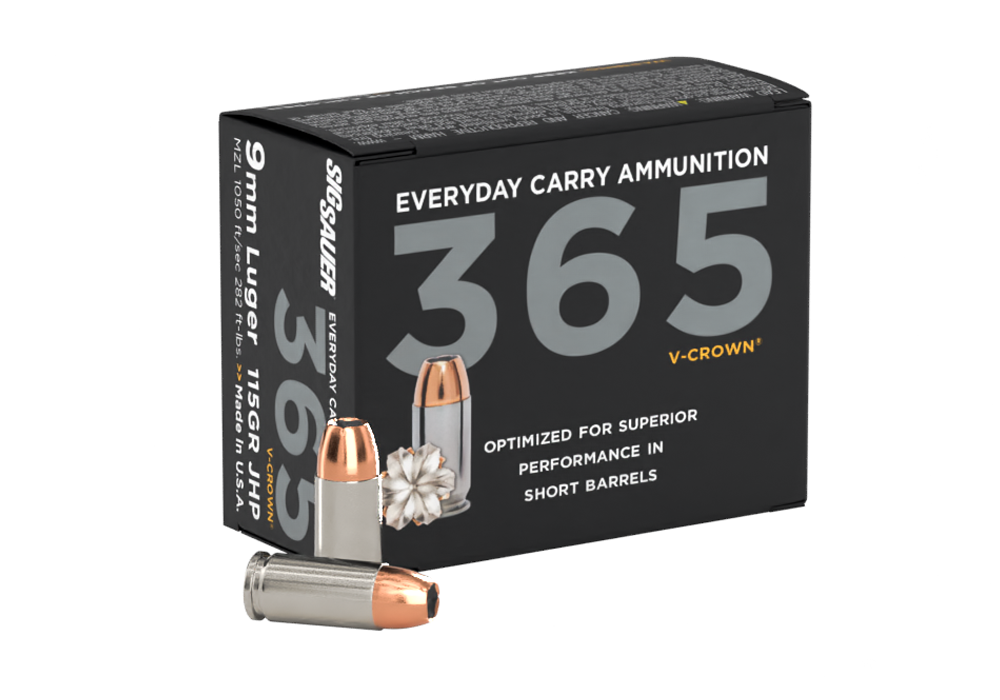
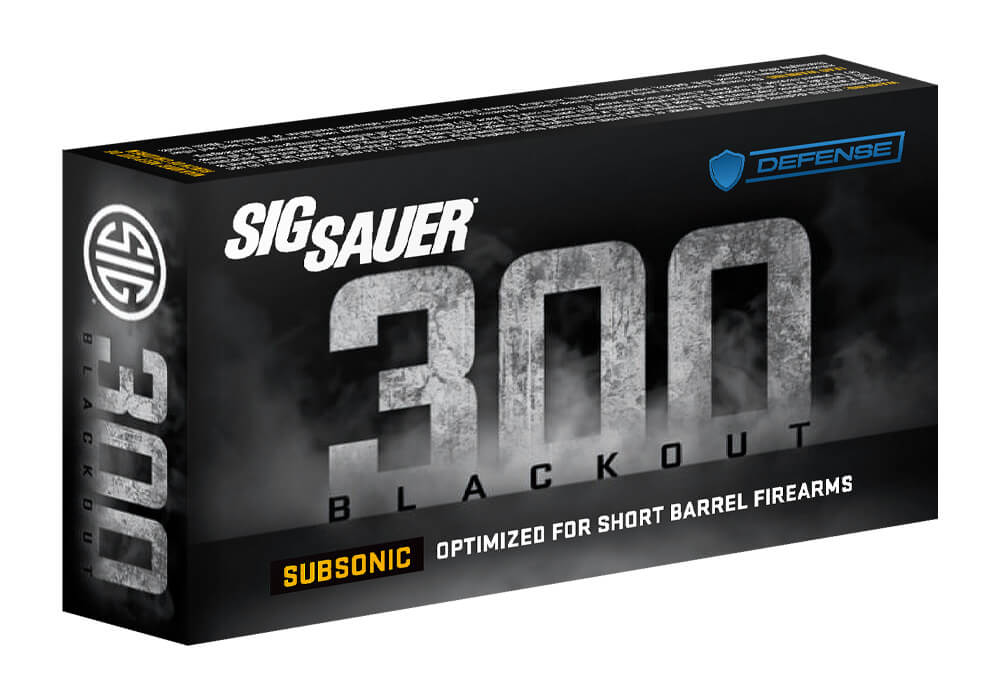
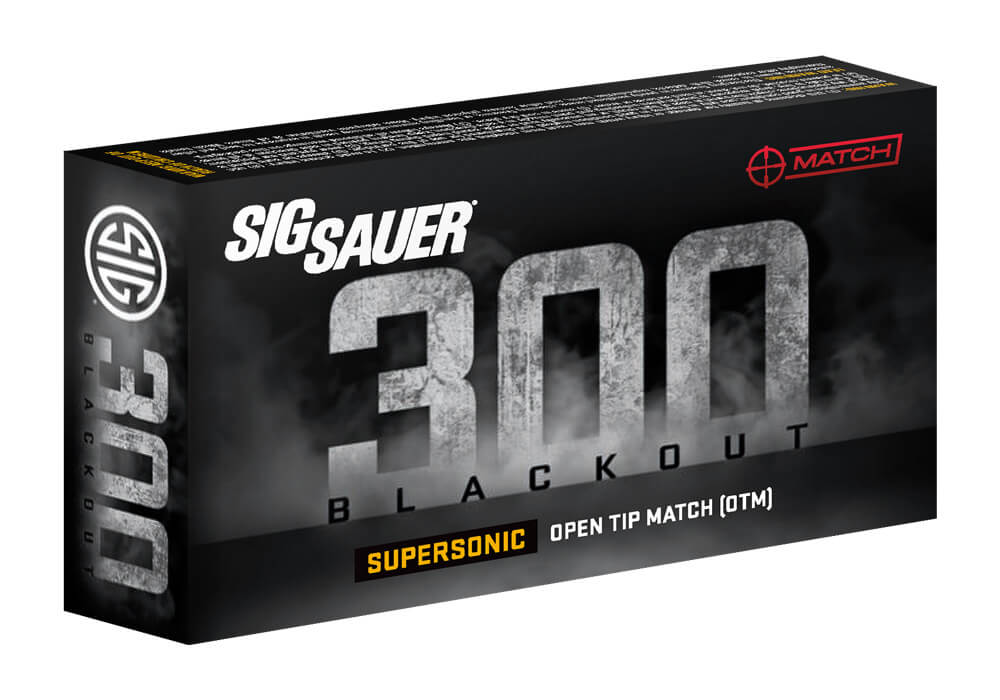
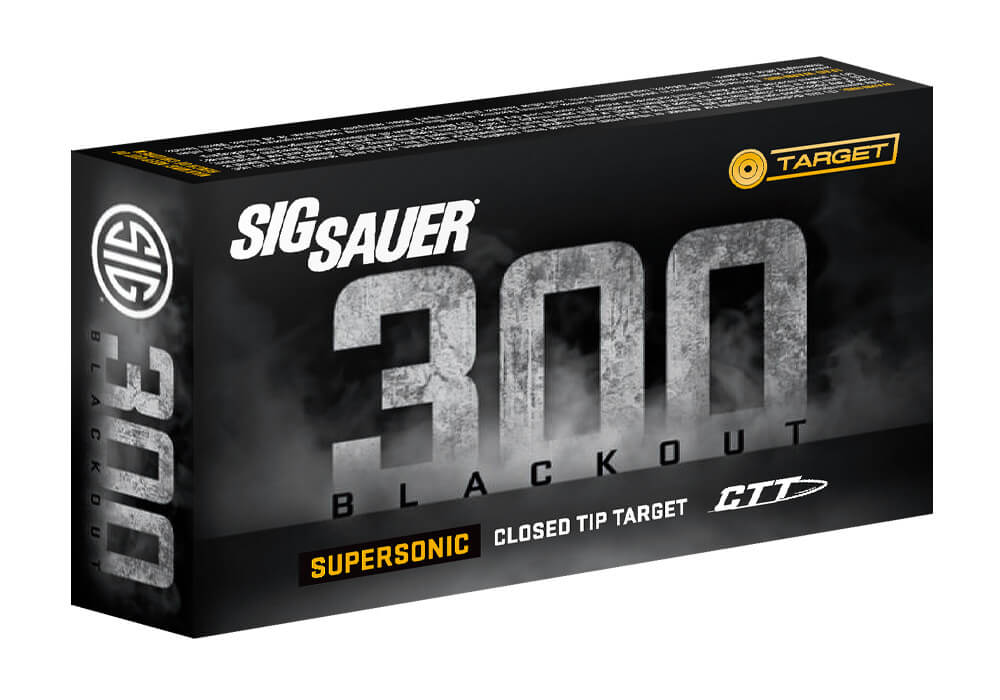
Premium ammunition is selected by shooters who value consistency, dependable function, and purposeful performance from every round. While the word “premium” can refer to different features across handgun, rifle, and shotgun loads, the common thread is careful component selection and tight manufacturing control. Quality brass cases, clean-burning propellants, dependable primers, and carefully designed projectiles can contribute to reliable cycling, uniform ignition, and repeatable results. Consistency matters on the range, where small variations can open up a group, and it matters in the field, where changing light, distance, temperature, and terrain leave little room for guesswork. A well-made cartridge is not a substitute for practice or sound judgment, but it can help a shooter spend more time refining technique and less time sorting through unexplained flyers or ammunition-related malfunctions. For target shooting, look for loads with a reputation for clean, uniform performance and bullet weights that suit the firearm and distance involved. For hunting, projectile construction is especially important: soft-point, polymer-tipped, bonded, and other specialized designs are built with different expansion and penetration characteristics, so the right choice depends on the game, local regulations, expected range, and the recommendations of experienced guides or ammunition manufacturers. For personal protection, defensive ammunition is engineered with terminal performance and reliable feeding in mind. Visit Defense Ammunition to explore options intended for that specific purpose, and remember that defensive loads should be tested in the individual firearm before being relied upon.
Choosing premium ammunition begins with matching the cartridge to the firearm, then narrowing the selection according to how and where it will be used. Confirm the exact caliber or gauge marked on the firearm and compare it with the cartridge designation on the packaging; similar-sounding names are not interchangeable, and ammunition should never be used when the markings do not match precisely. Bullet weight can affect point of impact, recoil, and velocity, while projectile profile can influence feeding in some semi-automatic firearms. A load that groups beautifully in one rifle may produce a different point of impact in another, even when both firearms share the same chambering. That is why a careful shooter brings several boxes to the range, fires from a stable position, and records group size, function, felt recoil, and point of impact rather than relying on a single impressive group. I have seen the difference that a consistent load can make: on a cool morning with the paper target barely moving in the breeze, a rifle that had produced scattered hits with one type of ammunition settled into a noticeably tighter cluster after the shooter found a bullet weight and profile it preferred. The improvement did not come from a promise on the box alone; it came from a sensible match between the firearm, the load, and the shooter’s intended use. Before purchasing, consider whether standard or extended capacity packaging better fits your practice schedule, but avoid buying more than can be stored safely and used within a reasonable period. Inspect cartridges for damaged cases, loose bullets, corrosion, or other irregularities, and keep ammunition in its original packaging whenever possible. Store it in a cool, dry place away from heat, moisture, solvents, oils, and unauthorized access, following all applicable laws and the firearm manufacturer’s guidance.
Premium ammunition can serve a range of shooters, from the experienced hunter preparing for a demanding trip to the recreational marksman who wants dependable rounds for a carefully planned range session. It may also be a thoughtful gift for a knowledgeable firearm owner, provided the giver confirms the recipient’s exact caliber, preferred load type, and local purchasing requirements first. Ammunition is a particularly practical gift for someone who trains regularly, because even a well-stocked range bag eventually needs replenishing; however, the wrong cartridge is not merely inconvenient, so a gift card or a conversation about a preferred load can be wiser than guessing. During the cooler months, many shooters take advantage of crisp mornings and clearer sight pictures to work on fundamentals, confirm zero, or prepare equipment for hunting and outdoor competitions. Others use indoor ranges for structured practice when weather makes outdoor sessions less appealing. In either setting, premium ammunition can provide a consistent baseline for evaluating stance, grip, breathing, trigger control, and follow-through. Hunters should confirm zero with the exact load they plan to carry, then keep enough rounds from the same lot or production run for final checks when practical. Defensive firearm owners should function-test their chosen ammunition, including from the magazines they intend to use, while following safe range procedures and any limits imposed by the facility. Every shooter should wear appropriate eye and hearing protection, keep the muzzle pointed in a safe direction, treat every firearm as loaded, and follow the rules of the range or hunting area. Whether the goal is a tighter group, a more confident field setup, or dependable readiness, premium ammunition is best understood as one part of a complete system that includes a properly maintained firearm, informed selection, regular practice, and responsible storage.