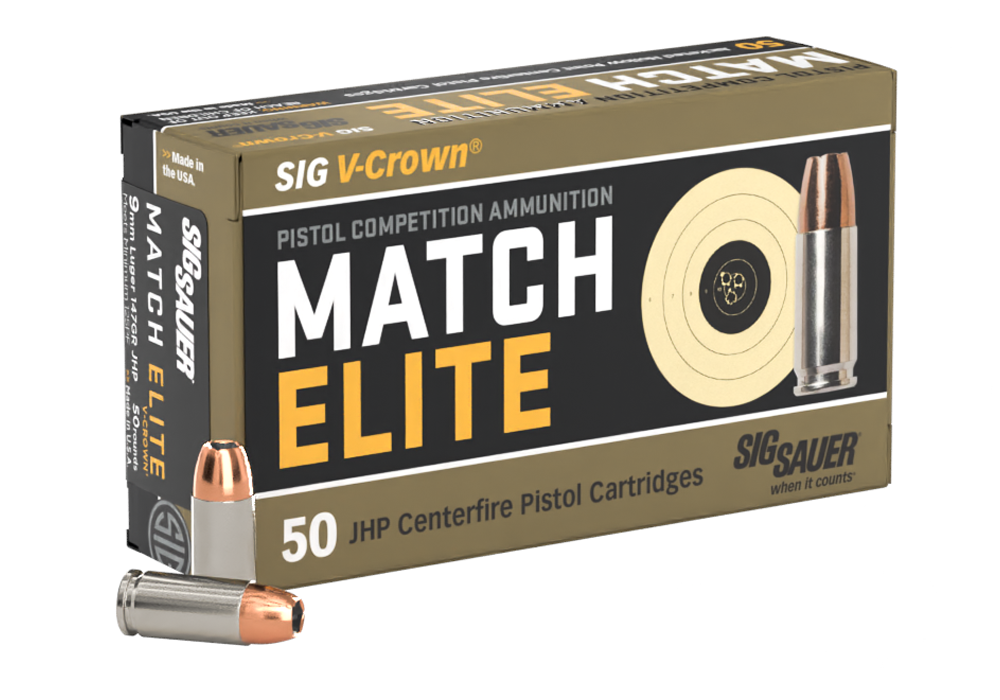
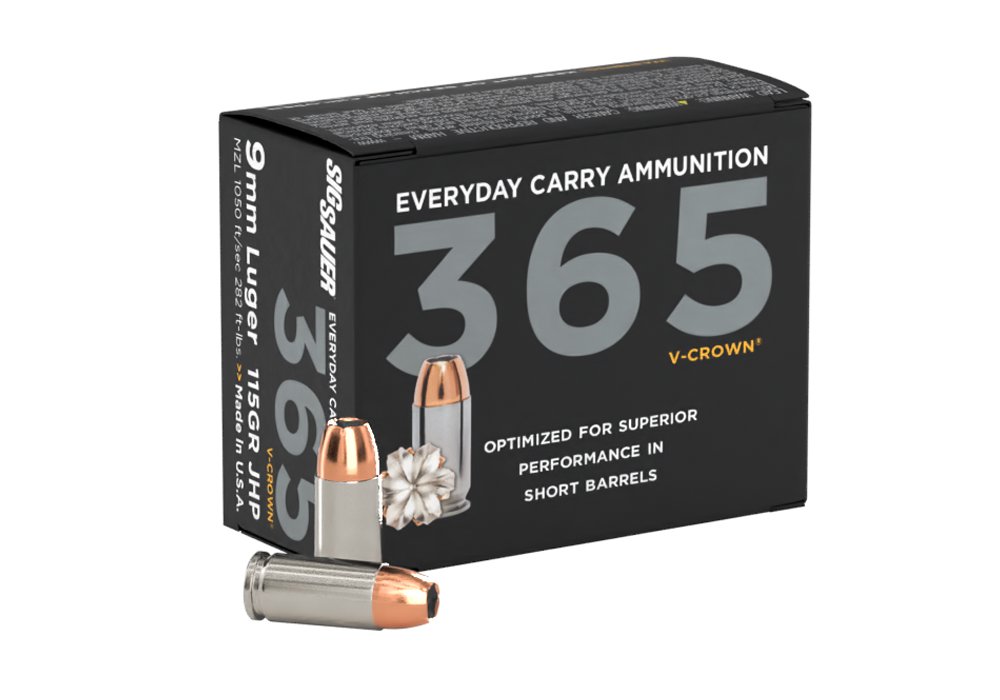
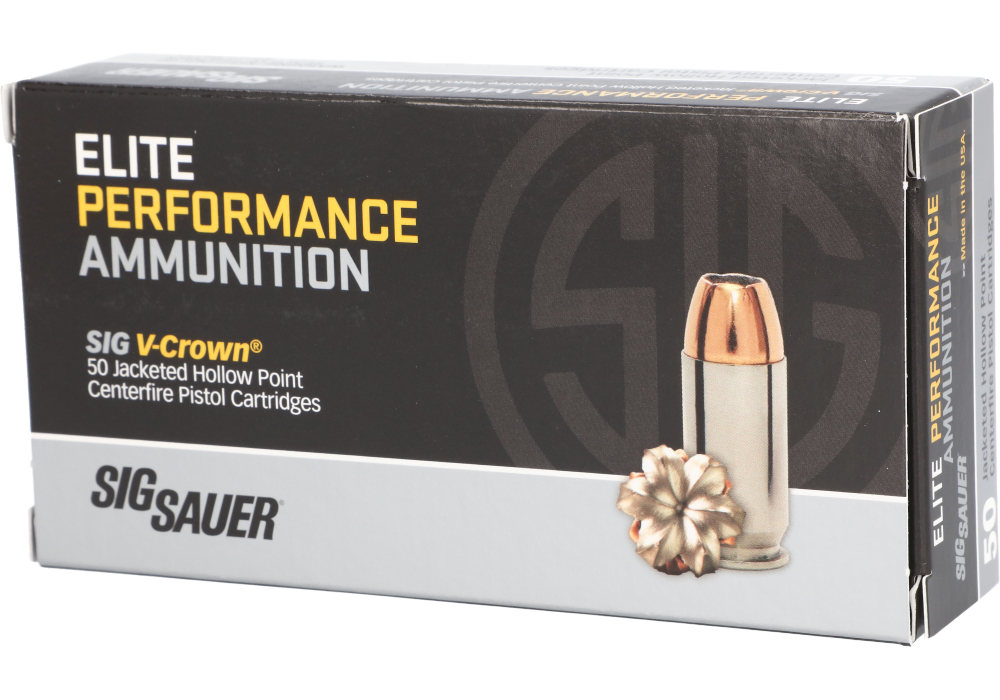
Premium handgun ammo brings together carefully controlled components, consistent assembly, and projectile designs suited to a defined purpose. For defensive ammunition, common premium designs include bonded jacketed hollow points, specialized jacketed hollow points, and expanding monolithic copper bullets. These designs are engineered around a balance of reliable expansion, consistent penetration, and weight retention, although performance varies with the cartridge, projectile, firearm, and test conditions. Bonded bullets join the jacket and core to help them remain together, while monolithic designs use a single primary material rather than a separate lead core and jacket. A hollow point’s cavity, jacket profile, and other design features influence how it responds on impact; the visible opening alone does not establish performance. Premium handgun ammunition also extends beyond defensive loads. Target-focused ammunition may emphasize uniform bullet dimensions, consistent velocity, and dependable ignition for deliberate practice or competition. Across these applications, the quality of the complete cartridge matters: the case, primer, propellant, and projectile must work together within the cartridge’s specifications. Brass cases are common, and some defensive ammunition features nickel-plated cases that resist corrosion and provide a smooth exterior. Neither a bright finish nor an elaborate bullet profile is a substitute for documented testing and compatibility with the firearm. Published evaluations are most useful when they identify barrel length, velocity, test medium, and other relevant conditions. Expansion and penetration figures from different testing methods are not necessarily comparable, and standardized barrier testing describes a particular evaluation rather than a universal result. For shoppers comparing premium defensive ammo, meaningful detail comes from transparent specifications and repeatable testing, not dramatic terminology. The distinction is especially relevant when ammunition is intended for concealed carry, professional duty where authorized, or another application with clearly defined requirements. Premium construction represents attention to the entire cartridge, not simply a specialized projectile seated in a polished case.
Fit begins with the exact cartridge designation specified for the handgun, not a broad description of bullet diameter or a familiar-looking round. Cartridges with similar names or dimensions are not automatically interchangeable, and pressure designations require equal attention. Ammunition marked +P, for example, is appropriate only where the firearm manufacturer expressly permits it. Barrel length also provides useful context because published velocity figures reflect particular test equipment, while a compact carry pistol and a longer-barreled handgun may produce different results with the same ammunition. Bullet weight can influence recoil feel and point of impact, but weight alone does not establish accuracy, comfort, or suitability. Projectile shape, cartridge dimensions, firearm condition, and the interaction between ammunition and the handgun all contribute to dependable function. For a concealed-carry owner, the practical distinction may be how consistently an approved load functions in a particular pistol during supervised range use. For a competitive shooter, it may be the combination of repeatable accuracy, manageable recoil, and compliance with the applicable rules. For lawful handgun hunting, ammunition suitability depends on the game, local regulations, and the firearm manufacturer’s guidance; a defensive load is not automatically appropriate for every hunting application. These different needs explain why premium handgun ammunition is a category rather than a single specification. A carefully selected defensive cartridge and a precision-oriented target cartridge can both belong within it while serving different purposes. Routine range practice remains a separate consideration from specialized ammunition selection. Related options in Affordable Handgun Training Ammunitions can complement that practice, with attention to differences in bullet weight, recoil characteristics, and point of impact. Similar specifications may help create a more familiar range experience, but they do not establish identical performance. Familiarity comes from responsible practice with the actual handgun, supported by qualified instruction where needed, rather than assumptions based solely on packaging or a cartridge’s appearance.
Care and storage help preserve the qualities that distinguish premium pistol ammunition. Cartridge materials are durable, but they are not immune to corrosion, contamination, or physical damage. Original packaging keeps essential information together, including the cartridge designation, bullet weight, pressure marking, and lot identification, while also helping protect cartridges from unnecessary handling. A dry, secure storage location, separate from firearms and inaccessible to children or unauthorized people, supports responsible ownership. Cleaning solvents, lubricants, and other chemicals belong away from ammunition; exterior finishes and any manufacturer-applied sealants should not be treated as permission to neglect storage conditions. Ammunition carried regularly can encounter perspiration, lint, and repeated handling, making its condition an important consideration alongside the handgun’s condition. Corrosion, damaged cases, or a visibly shifted projectile warrant setting the cartridge aside and seeking manufacturer guidance rather than attempting a repair. Repeatedly chambering the same cartridge can also affect its condition, so the firearm and ammunition manufacturers’ handling recommendations remain important. For someone who spends long sessions practicing precise groups on paper, consistent ignition and uniform performance can be more relevant than an aggressive-looking projectile. For someone carrying a handgun lawfully, documented defensive performance and reliable function in the approved firearm deserve particular attention. Professional users may also have agency requirements that govern ammunition selection, while competitors must account for range and match rules. These are practical differences that no single premium label can resolve. Clear specifications, sound materials, protective packaging, and a well-defined intended use provide a stronger basis for comparison than appearance alone. Ammunition is also a consumable component of a larger system: the handgun, its maintenance, the shooter’s familiarity, and responsible handling all remain relevant. Premium handgun ammo is best understood through that complete picture, with construction and testing matched to a legitimate application and the condition of every cartridge treated as part of dependable performance.