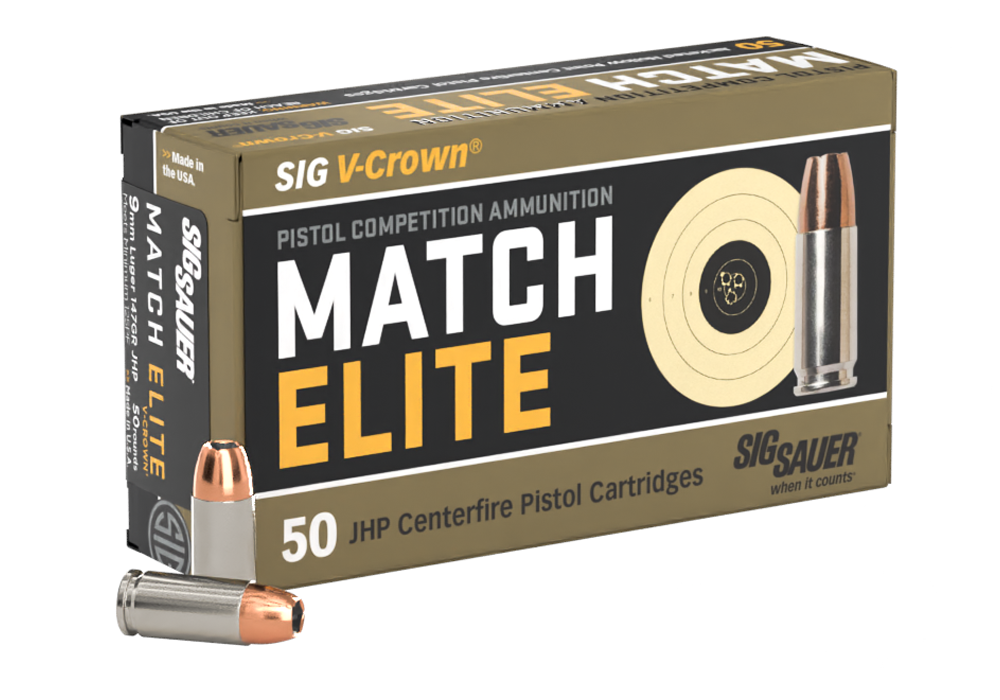
Full metal jacket handgun ammunition is a familiar choice for target practice, supervised instruction, and regular range visits. Commonly called FMJ, it typically features a lead core surrounded along the nose and sides by a metal jacket, often a copper alloy. That construction gives the projectile a durable exterior while leaving the base exposed in many conventional designs. Unlike bullets engineered to expand, FMJ projectiles generally retain their basic profile, making this category closely associated with paper targets and routine practice. For shoppers browsing affordable FMJ handgun ammunition, the most useful distinctions are the cartridge designation, bullet weight, case material, and compatibility with the intended firearm and range. These details say more about suitability than packaging size or a broad claim about performance. A box intended for a compact pistol may share a cartridge designation with ammunition used in a larger handgun, but individual firearms can respond differently to bullet profiles and load characteristics. Common handgun cartridges include 9mm Luger, .380 Auto, .40 S&W, and .45 Auto, each with its own dimensions and specifications. They are not interchangeable, even when their names or bullet diameters seem similar. The correct match is the exact ammunition designation approved in the firearm manufacturer’s documentation, including any restrictions on pressure ratings. Within a cartridge family, bullet weight is expressed in grains, a unit of weight rather than a description of the amount of propellant. Familiar 9mm weights include 115, 124, and 147 grains; these figures identify different projectile weights, not a universal ranking of quality. Depending on the load and handgun, those differences can influence felt recoil, point of impact, and operating behavior. FMJ handgun ammunition is relevant to newer owners attending an introductory class, experienced shooters maintaining familiarity with their equipment, and recreational target shooters who appreciate repeatable performance. Its appeal rests on straightforward construction and a clear purpose: ammunition intended for regular practice, selected with the same attention to fit and specifications as any other firearm accessory.
Case and projectile materials are important parts of that selection. Brass cases are widely used because brass can expand during firing to help seal the chamber and then contract enough to support extraction. Steel and aluminum cases also appear in the broader practice-ammunition category, though their suitability depends on the firearm’s requirements and the rules of the facility where they will be used. Case material and bullet-jacket material are separate characteristics. A steel case does not automatically mean a steel-containing projectile, and a brass case does not establish that a projectile is free of steel. Some projectiles have bimetal jackets that include steel beneath a copper-colored exterior, which is why a jacket’s appearance alone cannot settle questions about range acceptance. Indoor facilities may restrict certain projectile materials or require particular bullet constructions, so the range’s published rules are an important part of product fit. Conventional FMJ is also distinct from total metal jacket and fully encapsulated designs, which cover the projectile differently. An FMJ label by itself does not mean lead-free construction, and it does not replace the need for proper ventilation and hygiene. Eye and hearing protection, handwashing after handling ammunition or shooting, and keeping food away from shooting and cleaning areas remain relevant to ordinary range use. Bullet shape adds another consideration: round-nose and flat-point profiles can differ in how they interact with a handgun’s feeding system. Published compatibility information and the firearm manual should take precedence over assumptions based on appearance. Consistency matters as well, particularly when comparing results across multiple practice visits. Keeping the cartridge designation, bullet weight, and load type consistent can reduce equipment-related variables when evaluating target groups with an instructor. Claims such as clean-burning or reliable functioning should be understood in context, since residue and operation also depend on the firearm, its condition, and the ammunition used. No jacket or case material eliminates the need for routine care. A well-maintained handgun and correctly matched ammunition work together; neither substitutes for the other.
For everyday ownership, ammunition durability depends as much on handling and storage as on its materials. Metal cases and bullet jackets are sturdy, but complete cartridges still need protection from moisture, contamination, and physical damage. Original packaging keeps cartridges organized and preserves useful information such as caliber, bullet weight, and lot identification. Those details are especially helpful in households with more than one handgun chambering or when a shooter wants to identify the same load used during an earlier class. A clean, dry, secure storage area helps protect ammunition while keeping it inaccessible to children and unauthorized users. Loose cartridges mixed in an unmarked container are harder to identify confidently, and visual similarity is not enough to establish compatibility. Ammunition showing corrosion, damaged cases, or other visible abnormalities warrants evaluation through the manufacturer’s guidance rather than an assumption that it remains suitable. Oils and cleaning solvents belong with firearm-maintenance supplies, not on cartridges; ammunition should not be polished, altered, or treated as part of a cleaning routine. At the range, the practical appeal of FMJ is its familiar role in structured practice. A first-time class participant may need ammunition that meets an instructor’s stated cartridge and construction requirements, while a frequent visitor may prefer a consistent load for recurring sessions with the same handgun. Some shooting sports and facilities have additional ammunition requirements, so FMJ construction alone does not establish eligibility for every activity. It is a category defined by projectile construction, not a guarantee of match suitability, universal feeding, or identical recoil across firearms. Shoppers considering ammunition for other shooting needs can also explore Affordable Performance Ammunition, with the same emphasis on matching published specifications to the intended use. For handgun target practice, the clearest selection criteria remain exact chambering, approved pressure level, suitable bullet construction, and compliance with range policies. Together, these considerations keep the focus on ammunition that fits the firearm and the setting, whether the occasion is an introductory lesson, a scheduled practice session, or an afternoon spent working through paper targets under range supervision.