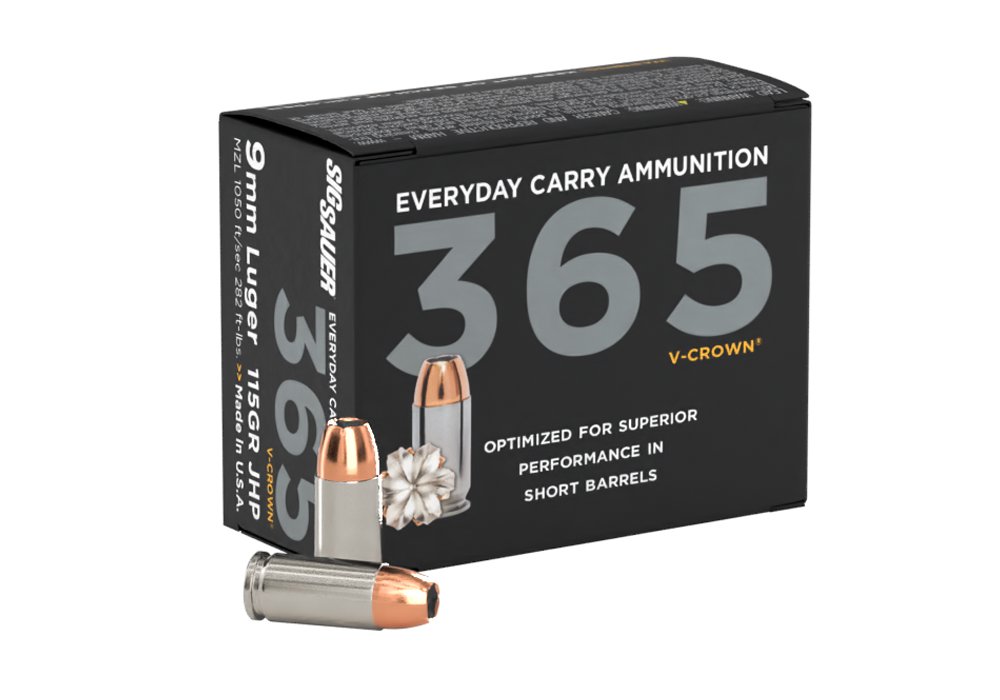
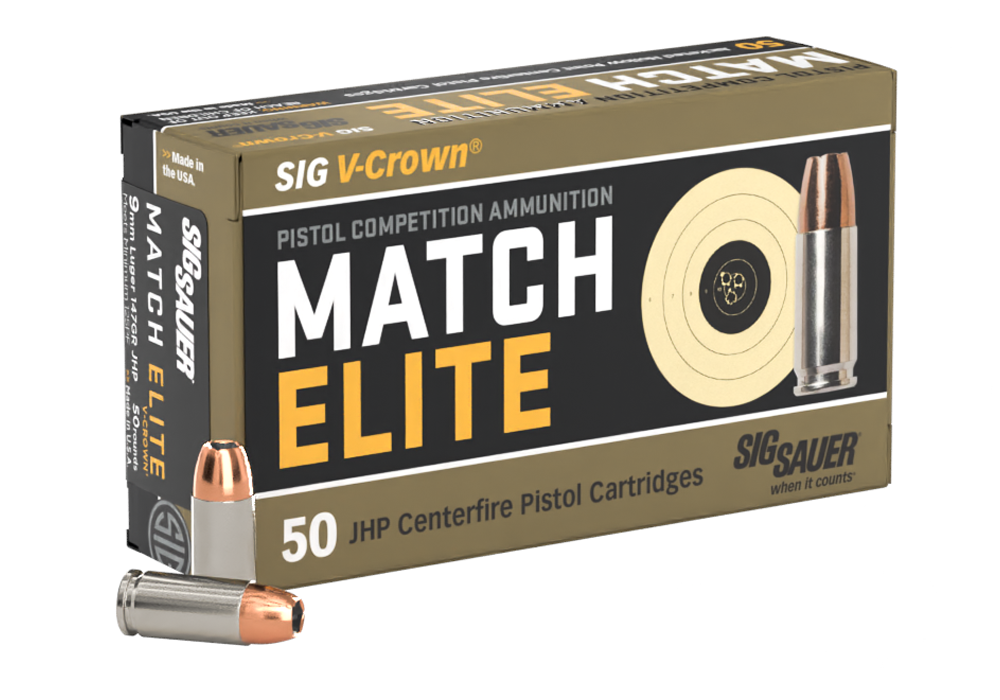
Handgun training ammunition typically includes full metal jacket (FMJ) loads intended for target shooting and routine range practice, with brass cases a common choice for centerfire pistols. These cartridges emphasize practical range use: dependable function in a compatible firearm, consistent performance, and a bullet construction accepted by the shooting facility. A conventional FMJ bullet usually has a lead core enclosed by a metal jacket, often a copper alloy, although its base may remain exposed. That jacket helps distinguish it from an unjacketed lead bullet, but the FMJ designation alone does not establish whether a cartridge meets a particular range’s requirements. Case material, bullet construction, cartridge designation, and manufacturer specifications all contribute to suitability. The correct fit starts with the exact cartridge identified for the handgun, not simply a similar name or a cartridge that looks approximately the same size. Handguns with similar dimensions can have different ammunition requirements, and cartridges with similar designations are not necessarily interchangeable. The firearm’s markings and owner’s manual provide the relevant compatibility information. Bullet weight is another useful distinction on ammunition packaging. Expressed in grains, it describes the projectile’s weight rather than the amount of propellant inside the case. Different bullet weights and load specifications can produce noticeable differences in recoil feel and where shots appear on a target, even within the same cartridge designation. Those differences help explain why training ammunition is not a single uniform category. A load that functions well in one compatible handgun may feel different in another because firearm size, weight, and design also influence the experience. Standard-pressure ammunition is common for routine practice; ammunition carrying an elevated-pressure designation requires explicit firearm compatibility. For someone comparing range loads, clear labeling and complete manufacturer specifications provide more useful context than broad claims about performance. The purpose is a cartridge suited to the firearm and the planned session, with its characteristics understood before it reaches the range.
Materials matter both during a range session and when ammunition is stored between visits. Brass is widely used for cartridge cases because its properties support the sealing and extraction functions expected of conventional centerfire ammunition. Steel and aluminum cases also exist, but case material alone does not establish overall quality or compatibility. Some facilities restrict particular case materials for operational reasons, so an otherwise suitable cartridge may still fall outside local range rules. Bullet composition deserves separate attention: a brass case does not guarantee a nonmagnetic bullet, and a copper-colored jacket does not reveal everything inside the projectile. Indoor facilities may have specific restrictions involving steel-containing bullets, exposed lead, or other construction details. Manufacturer descriptions and the facility’s published requirements are the appropriate sources for those distinctions. Likewise, FMJ ammunition should not automatically be described as lead-free or suitable for every indoor range. Lead-free projectiles, lead-free primers, and frangible bullets represent different features, and one does not necessarily imply the others. Frangible ammunition is intended for particular applications and remains subject to firearm and facility requirements. These details become especially relevant when a class confirmation lists an ammunition specification or a range checks ammunition before admitting it to a shooting lane. Care is generally straightforward but important. Original packaging keeps the cartridge designation, specifications, and lot information together, making identification easier after a box has spent time in a range bag or storage cabinet. Dry, secure storage helps protect cartridges from moisture, contamination, and unnecessary handling, while separation from cleaning solvents and oils helps preserve their condition. Ammunition with corrosion, a damaged case, or an unusual appearance warrants evaluation through the manufacturer or another qualified source rather than an assumption that it remains suitable. Secure storage should also prevent access by children and unauthorized people. After shooting, firearm care should follow the owner’s manual, and handwashing is important because ammunition components and range residue can involve lead and other contaminants. Durable packaging helps protect the contents, but no package substitutes for appropriate storage and handling.
The people who use handgun training ammunition range from first-time class participants to experienced recreational shooters maintaining a familiar range routine. A new student may need ammunition that matches both a rented handgun and the instructor’s written requirements. A regular range visitor may prefer a consistent load across several sessions so that changes in ammunition feel do not become an unnecessary variable. Someone attending an organized shooting event may also need to account for its ammunition rules, which can differ from those of a casual practice session. In each situation, the useful characteristics are specific rather than abstract: the right cartridge designation, suitable pressure specifications, permitted bullet construction, and compatibility with the individual firearm. Consistency can be valuable when comparing targets from separate visits or returning to a class with the same equipment, although no ammunition can guarantee a particular result. Published specifications provide a starting point, while actual function in the compatible handgun remains an important consideration. Even the stated velocity on a package reflects a particular testing setup and may differ from results in a handgun with another barrel length. Packaging details also matter in ordinary use. Clearly marked boxes help keep different cartridge types distinct on a shared range bench, and retaining the original labels preserves information that could be useful if a question arises about a particular lot. Related options can be explored through Affordable Performance Ammunition, with the same attention to intended use and firearm compatibility. For training ammunition, the strongest fit is not defined by a single material, bullet weight, or marketing term. It comes from matching documented cartridge characteristics to the handgun, the facility, and the type of practice planned. That practical match supports a more predictable range experience, whether the occasion is an introductory lesson, a supervised refresher, or a familiar afternoon of recreational target shooting.