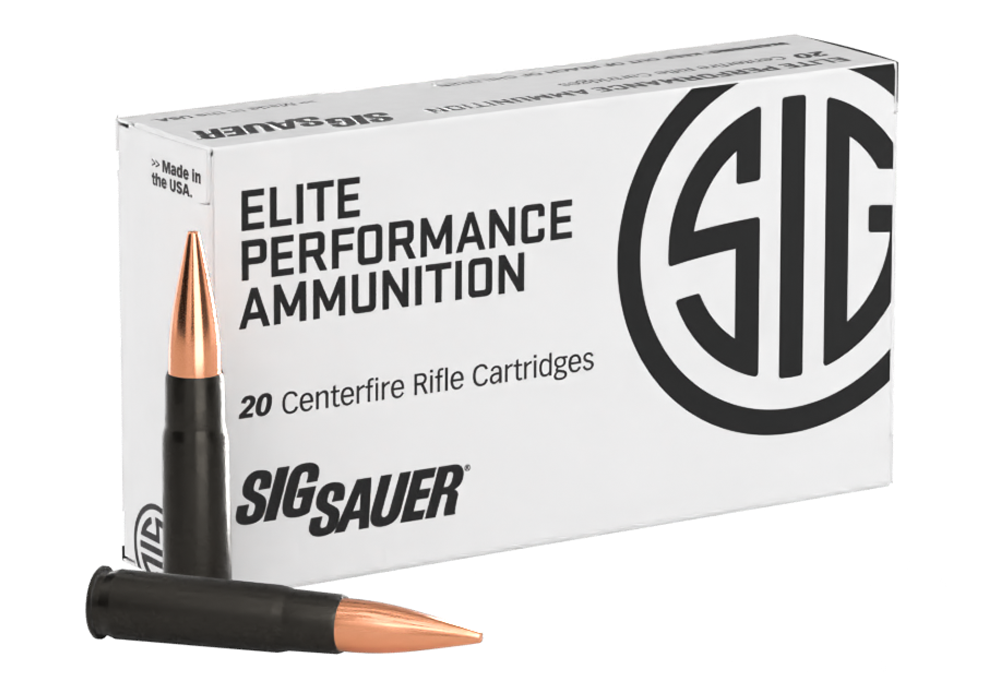
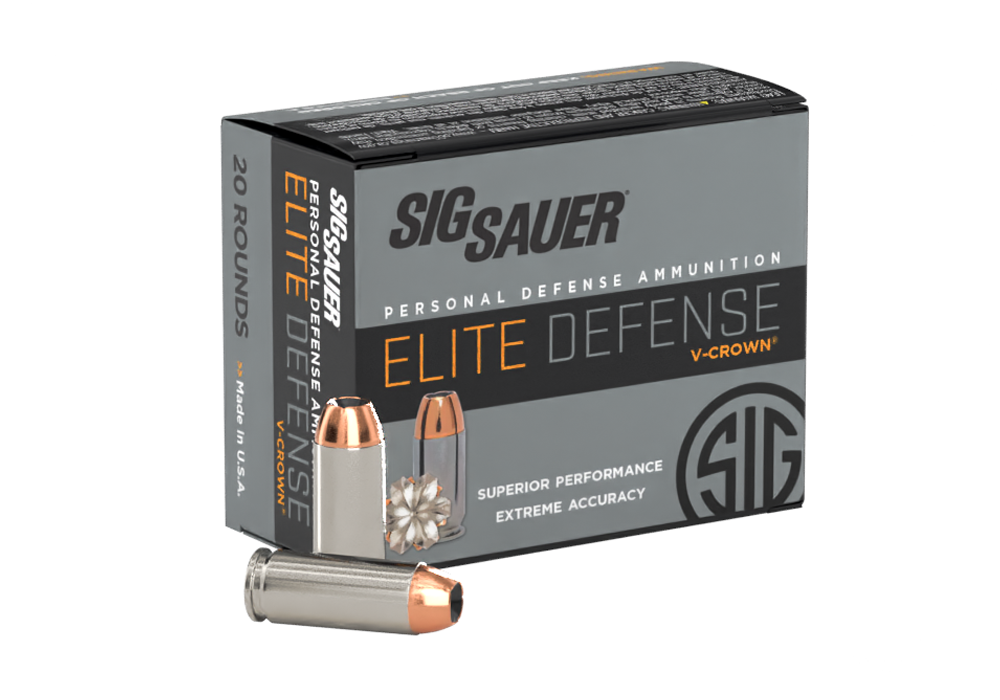
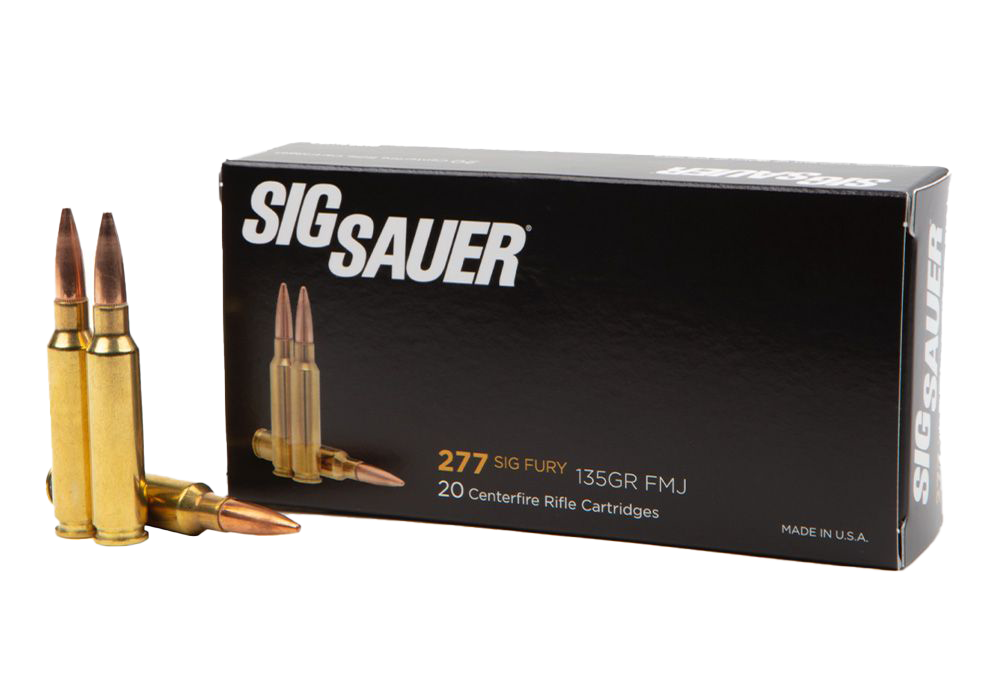
Ammunition bullets are the projectiles that leave a firearm’s barrel, but the complete ammunition round includes several components working together: the casing, primer, propellant, and bullet. This distinction matters when comparing products, because a bullet by itself is not the same as a complete, ready-to-fire cartridge. Ammunition is commonly identified by caliber or gauge, and selecting the correct type begins with matching the markings on the firearm exactly. Popular handgun cartridges such as 9mm and .45 ACP are often chosen for range practice, training, personal protection, and duty use, while rifle cartridges such as .223 Remington, 5.56x45mm NATO, .308 Winchester, and 7.62x51mm NATO are commonly associated with training, recreational shooting, competition, and hunting. Shotgun ammunition is typically identified by gauge rather than caliber; 12 gauge remains a widely used option for sport shooting, hunting, and defensive applications. Each cartridge has its own pressure, projectile weight, velocity, recoil, and intended performance characteristics, so a careful purchase starts with the firearm manufacturer’s specifications and the shooter’s intended use. When labels appear similar, do not assume they are interchangeable. Check the chamber designation, read the packaging, and consult the owner’s manual or a qualified firearms professional before purchasing or using ammunition.
Choosing ammunition is also a matter of balancing performance, comfort, availability, and practice needs. Projectile design can affect how a round performs in a particular firearm, while bullet weight influences recoil, trajectory, and point of impact. Full metal jacket ammunition is frequently selected for structured range sessions because it is commonly available and well suited to general practice, while expanding projectiles are often considered for defensive purposes where appropriate and lawful. The right choice depends on the firearm, barrel, target distance, local regulations, and the shooter’s experience. Someone building a dependable training routine may want enough ammunition for regular practice, with a consistent load that makes it easier to become familiar with recoil and sight alignment. A hunter may prioritize a projectile designed for the game and conditions involved, while a competitive shooter may focus on consistency and reliable function. People purchasing ammunition as a gift should first confirm the recipient’s exact caliber, preferred load, and firearm compatibility; ammunition is a thoughtful addition for an experienced shooter, but a gift card or a conversation about specifications can prevent an incorrect purchase. For those selecting Defense Ammunition, dependable function, proper storage, and compatibility should take priority over appearance or novelty. Ammunition should always be handled responsibly, kept away from heat and moisture, and stored securely where unauthorized users cannot access it.
A well-rounded ammunition selection can support many kinds of shooting, from a first supervised range visit to routine practice during the cooler months. Before checkout, review the caliber or gauge, projectile type, bullet weight, quantity, and any restrictions that apply to delivery or purchase in your area. Standard capacity packaging may be practical for occasional sessions, while extended capacity options can suit shooters who practice more frequently, provided storage and transportation are managed responsibly. It is useful to keep a simple record of the loads that perform reliably in a specific firearm, especially when sight settings or point of impact matter. At the range, use only the ammunition recommended for the firearm, inspect cartridges for visible damage, and follow all posted safety procedures and range rules. Store ammunition in its original packaging or another clearly labeled container, separate from firearms when required by local law, and protect it from excessive humidity and temperature changes. As weather shifts from early fall into winter, a dry, stable storage area helps preserve ammunition condition and keeps supplies organized for the next range outing. Whether the goal is skill-building, recreational shooting, hunting, competition, or responsible personal protection, selecting the right ammunition bullets is an important part of a safe and satisfying firearm experience.