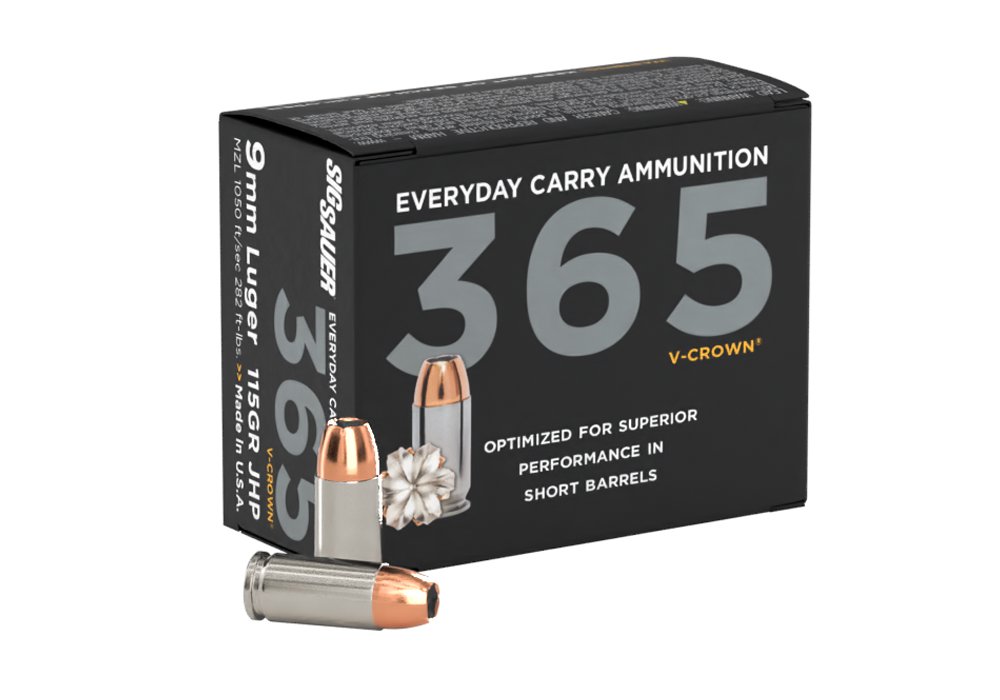
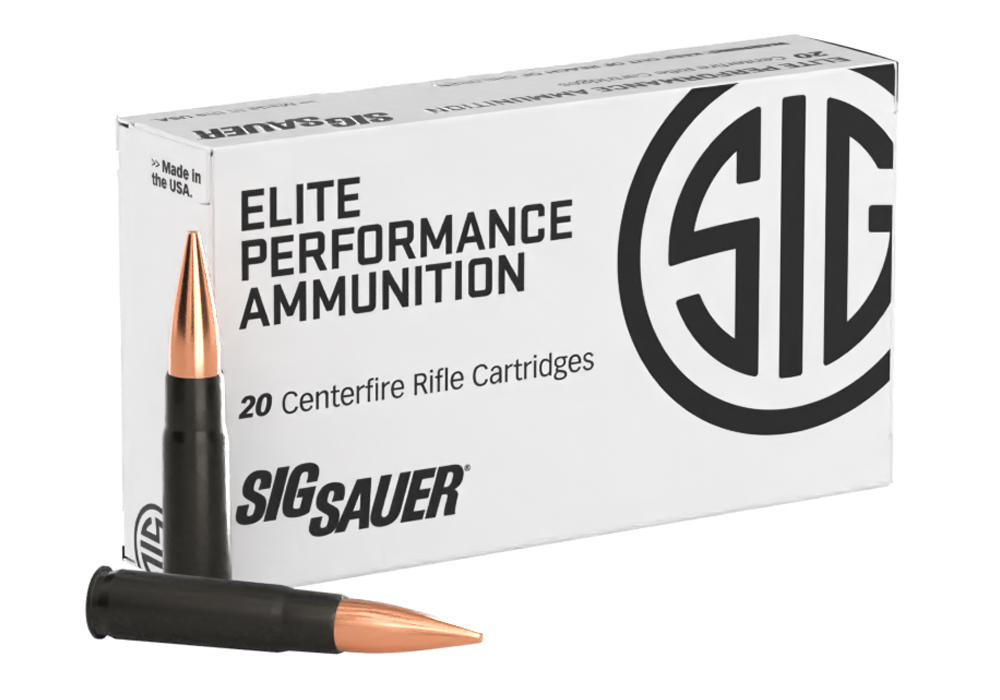
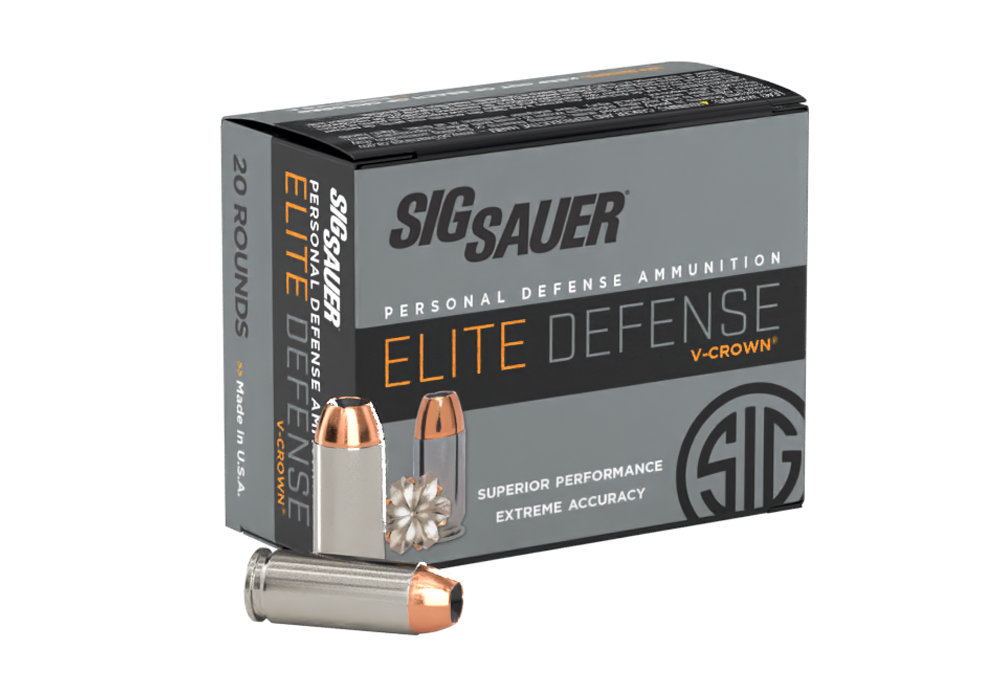
Advanced design bullets are projectiles that combine carefully controlled geometry, selected materials, and consistent construction to support accuracy, aerodynamic efficiency, and performance appropriate to a particular shooting application. The term covers several approaches to projectile engineering rather than one universal shape or material. In conventional sporting ammunition, advanced design refers to physical construction and manufacturing consistency, not electronic guidance. A streamlined profile can influence how efficiently a projectile moves through the air, while the relationship between its jacket, core, and tip can influence its behavior on impact. Those characteristics serve different purposes, so a design intended for precise target shooting may have very different priorities from one intended for lawful hunting. Common construction approaches include copper-alloy jackets around lead cores and monolithic projectiles formed from a single primary material, such as copper. Some designs incorporate polymer tips, while others feature an exposed point, an enclosed nose, or a small opening associated with the manufacturing process. Appearance alone does not establish intended use. A pointed tip is not a guarantee of superior accuracy, and a cavity at the nose does not necessarily indicate a projectile engineered for controlled expansion. Consistency in dimensions, weight, and alignment matters because small variations can affect how predictably ammunition performs. Aerodynamic descriptions also deserve context: a published ballistic coefficient expresses resistance to air drag within a particular model, not a promise that one projectile will perform identically in every firearm. Shape, weight, and construction work together, and their practical value depends on the complete ammunition system and its intended role. Advanced design bullets are therefore best understood through documented characteristics rather than a single impressive specification. For shoppers comparing Ballistic Bullets, materials, intended application, and compatibility provide a more useful basis for evaluation than appearance alone. The meaningful distinction is not how elaborate a projectile looks in its packaging, but how clearly its design supports the purpose described by its manufacturer.
Target shooting places a strong emphasis on repeatability. For a recreational shooter returning to the same range or a competitor tracking results across practice sessions, consistent projectile construction can support meaningful comparisons without making equipment the sole explanation for every result. Match-oriented designs often emphasize uniformity and efficient flight, but that designation should not be treated as a statement about suitability for hunting. Some open-tip match projectiles, for example, have a nose opening related to construction rather than a specific expansion function. Hunting-oriented bullets may instead emphasize controlled expansion, penetration, and structural integrity under the conditions identified by their manufacturer. Bonded construction connects the core and jacket to help them remain together, while certain monolithic designs pursue similar integrity through a different material structure. Neither approach is automatically the right choice for every lawful hunting application. Suitability depends on the intended game, applicable regulations, and the documented operating limits of the ammunition. Material requirements can also influence selection, particularly where nonlead projectiles are required. These distinctions matter to hunters seeking a purpose-built option, experienced target shooters comparing projectile characteristics, and sporting enthusiasts who want a clearer understanding of what separates one construction style from another. A sleek profile can be visually striking, but an attractive outline cannot substitute for an appropriate application. Similarly, a heavier projectile is not inherently more accurate, and a higher ballistic coefficient does not resolve every compatibility or performance consideration. Published results are most useful when their test conditions are clear, since figures from different testing methods may not support a direct comparison. An advanced design earns its relevance through a coherent combination of features, not through an isolated claim. Clear labeling and accessible technical information help distinguish meaningful engineering choices from broad descriptions, especially when two projectiles look nearly identical but serve different sporting purposes. That distinction gives shoppers a practical way to understand the category without treating every design as interchangeable.
Fit and condition remain essential considerations regardless of how sophisticated a projectile appears. A bullet is the projectile itself, while a complete cartridge includes the other components needed for use in a compatible firearm; component bullets are not ready-to-use ammunition. Similar terminology can obscure that difference, particularly for someone purchasing shooting supplies for an experienced enthusiast. Exact product identification matters more than a familiar-looking package or a broadly similar caliber description. For complete ammunition, the full cartridge designation must match the firearm manufacturer’s requirements. For separate projectiles, suitability requires qualified knowledge and the relevant manufacturer documentation; appearance and diameter alone are not sufficient grounds for substitution. Projectile length, profile, and construction can also affect compatibility, so broad category descriptions should never replace firearm and ammunition specifications. Range policies may restrict certain projectile materials, and hunting rules can impose additional requirements. Care is largely about preserving identification and physical condition before use. Original packaging helps keep specifications and lot information connected to the contents, while secure, dry storage protects against unauthorized access and contamination. Ammunition and components should remain separate from oils, cleaning solvents, and other substances that could compromise them. Surface coatings and finishes are part of a projectile’s construction, not an invitation to polish, refinish, or alter it. Visible corrosion, deformation, damaged packaging, or uncertain identification warrants assessment under the manufacturer’s guidance rather than assumptions about continued suitability. Durability in this category means maintaining the integrity of a consumable component through appropriate storage and handling, not extending its usefulness through cosmetic treatment. For regular range participants, competitive shooters, and lawful hunters, the strongest selection criteria remain consistent: a clearly identified purpose, compatible specifications, trustworthy technical information, and construction appropriate to the application. Advanced design has practical value when those details align, allowing thoughtful materials and precise geometry to serve a defined sporting need rather than stand as features without context.