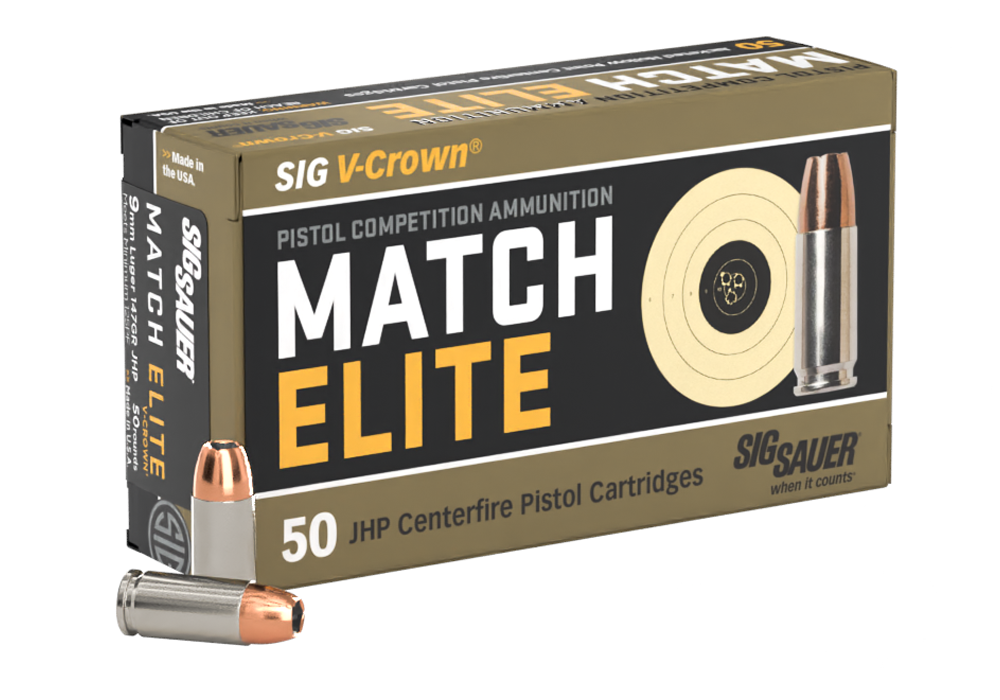
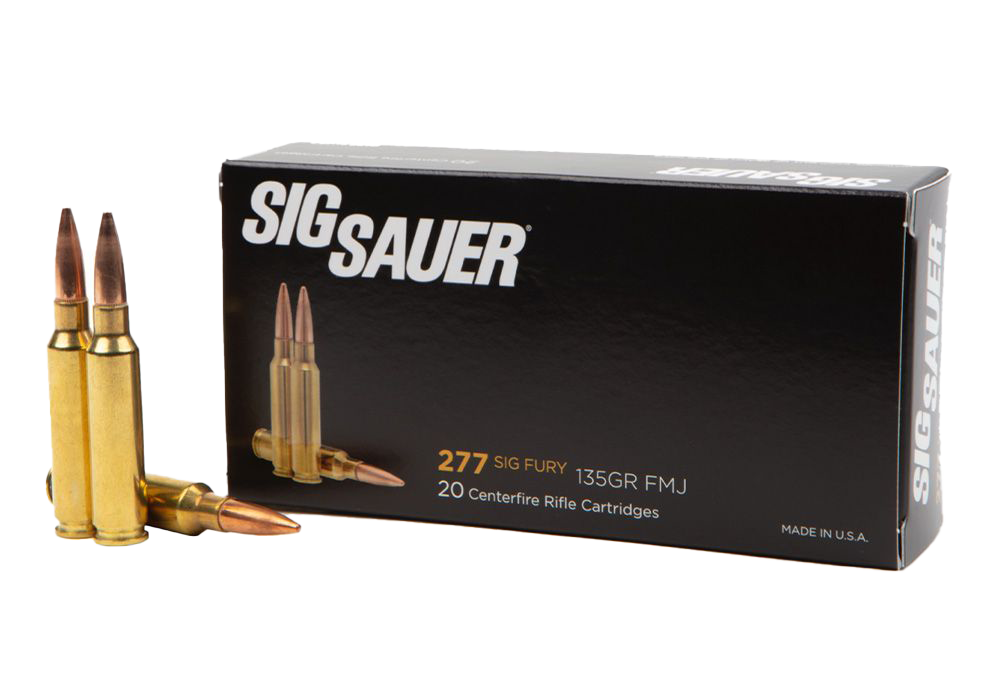
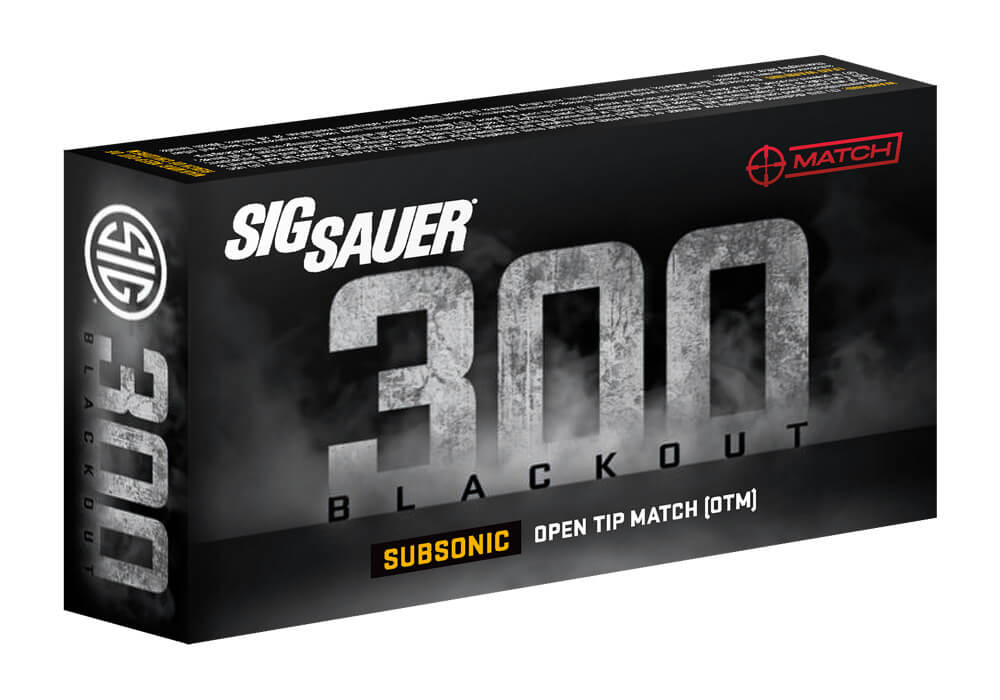
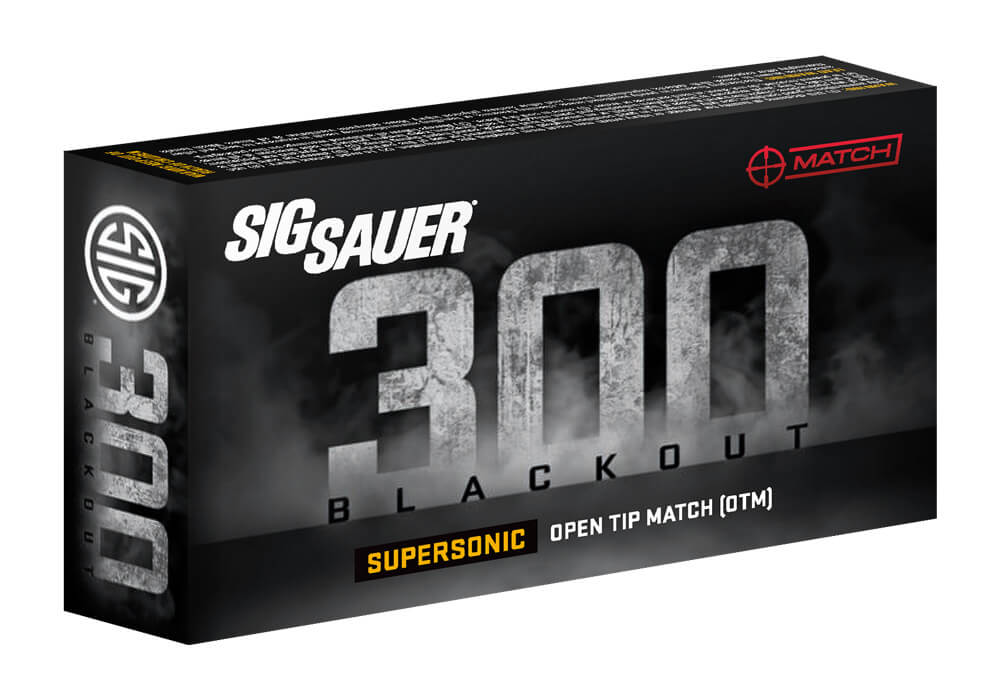
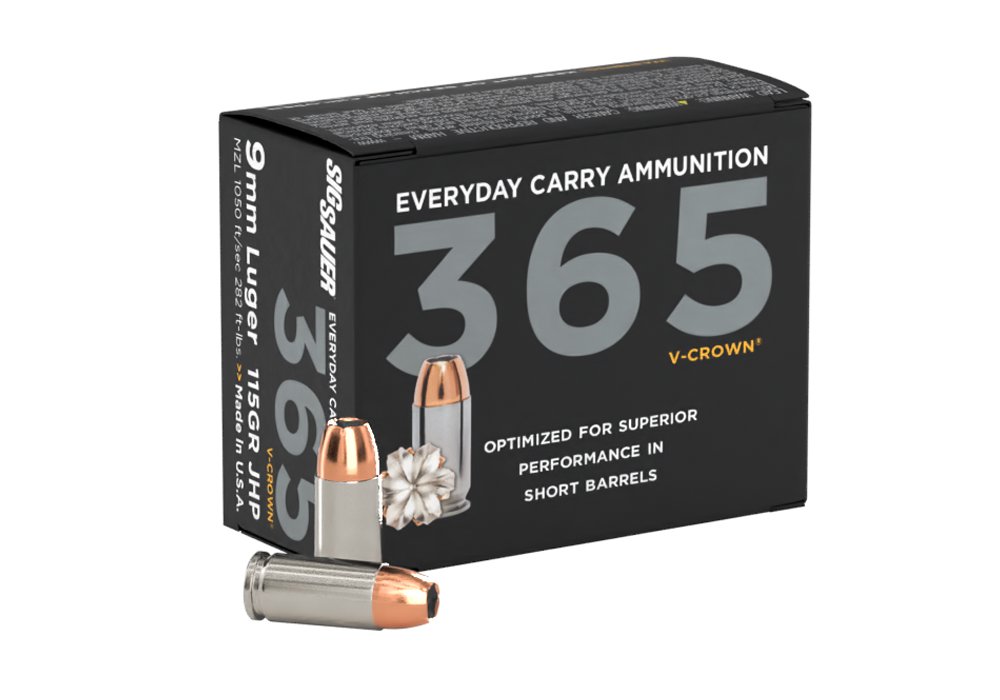
Match grade bullets are precision projectiles designed for consistent performance in target shooting and competition, with particular attention to uniform weight, dimensions, jacket thickness, and overall construction. The bullet is the projectile itself, not a complete cartridge; loaded ammunition also includes a cartridge case, primer, and propellant. That distinction matters when evaluating a product description, because component bullets and ready-to-use ammunition serve different needs. In match-oriented production, close manufacturing tolerances and quality checks help limit variation from one projectile to the next. A centered core, an evenly formed jacket, and a consistent base can all contribute to repeatable performance, although the result on target depends on the complete ammunition, firearm, sights, and shooter. The term match grade describes a performance-oriented design and manufacturing approach rather than a universal certification or a promise that every rifle will produce the same group size. Common jacketed constructions pair a lead core with a copper-alloy jacket, while other precision projectiles use different materials or a single-metal construction. Each design should be understood through its own specifications rather than assumptions about appearance. Many target bullets have an open tip, a tapered rear section, or a carefully shaped nose, but none of those features alone establishes match-level quality. An open tip on a match bullet often reflects the way its jacket and core are formed; it should not be treated as proof of controlled expansion or suitability for hunting. Likewise, a polished jacket is less meaningful than consistent geometry and reliable manufacturing controls. For a shooter looking at a paper target marked by a tight cluster rather than scattered impacts, the appeal is repeatability: projectiles with similar physical characteristics help reduce one source of variation. Match grade bullets support that goal, but they do not replace suitable equipment, safe handling, or the skill developed through deliberate practice.
The details that distinguish one match bullet design from another begin with diameter, weight, profile, and intended application. Bullet weight is commonly expressed in grains, a unit of mass, rather than a measure of accuracy or quality. Diameter must match the requirements of the intended cartridge, and a familiar caliber name is not a substitute for checking the stated measurements and manufacturer guidance. Weight and length also influence suitability for a particular barrel, so compatibility depends on more than choosing the heaviest projectile or the most streamlined shape. A boat-tail has a tapered base that can help reduce aerodynamic drag, while a flat-base design can suit other target applications; neither shape is automatically the right choice for every shooting discipline. The ogive, or curved portion of the nose, affects the bullet’s profile, and consistency in that shape is part of a precision projectile’s construction. Ballistic coefficient describes how effectively a projectile resists drag relative to a reference model. Higher published values can be useful for comparison, but the figures are meaningful only when the reference model and relevant measurement conditions are considered. They are not a standalone accuracy rating. A bullet optimized for one range or discipline may not suit another, and a firearm’s published requirements remain the starting point for compatibility. At a bench, where the target and shooting position stay consistent, differences in repeatability can be easier to observe. In organized competition, reliable performance across a string of shots matters more than a single impressive impact. These are different contexts, yet both reward attention to the projectile’s actual specifications rather than broad claims. Match bullets intended for target use should also remain distinct from projectiles designed for hunting or other applications with different performance requirements. Related projectile options can also be explored through Advanced Design Bullets, with the same attention to materials, dimensions, and intended use. A useful comparison keeps those characteristics together, with accuracy understood as the result of an entire shooting system rather than a feature isolated inside the bullet.
Match grade bullets are relevant to competitive target shooters, dedicated recreational shooters, and experienced reloaders who work within established technical guidance. Their appeal is especially clear during a focused range session: a clean target, a stable shooting position, and carefully recorded results give consistency a practical meaning. Someone preparing for a club match may value dependable performance across repeated practice sessions, while a precision shooting enthusiast may be interested in the relationship between projectile construction and the behavior of a compatible firearm. Neither use requires treating a match label as a guarantee. Manufacturing consistency helps establish a dependable starting point, but realistic expectations still account for the firearm’s condition, ammunition compatibility, sighting equipment, and the shooter’s technique. Care also matters because precision components depend on intact surfaces and geometry. Jackets provide structural support around the core, yet bullets are not immune to corrosion, contamination, or physical damage. Tips, jackets, and bases should retain their original condition; visible deformation or corrosion is a reason to seek manufacturer guidance rather than assume normal performance. Clean, dry storage in labeled packaging helps protect components and preserves the information needed to identify them correctly. Keeping different specifications clearly separated also prevents confusion between projectiles that may look similar but serve different applications. Original labels and lot information are useful records for shooters who value consistency over time. Appropriate handling includes following manufacturer safety information, keeping ammunition components away from children and unauthorized users, and washing hands after contact with lead-containing materials. For an experienced target shooter, component bullets can be a thoughtful gift when the recipient’s exact specifications and preferences are known; visual similarity alone is not enough to establish suitability. The lasting value of match grade bullets lies in disciplined construction, documented fit, and an intended purpose that aligns with the shooter’s needs. Those qualities matter more than dramatic performance language, especially when the goal is a repeatable result that can be evaluated on the target.