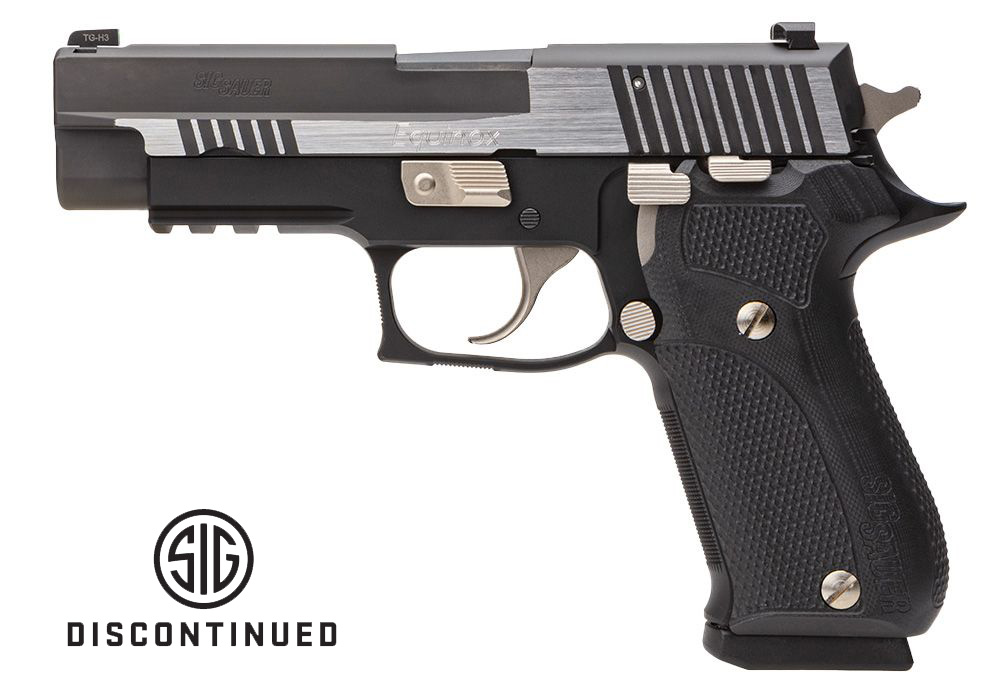
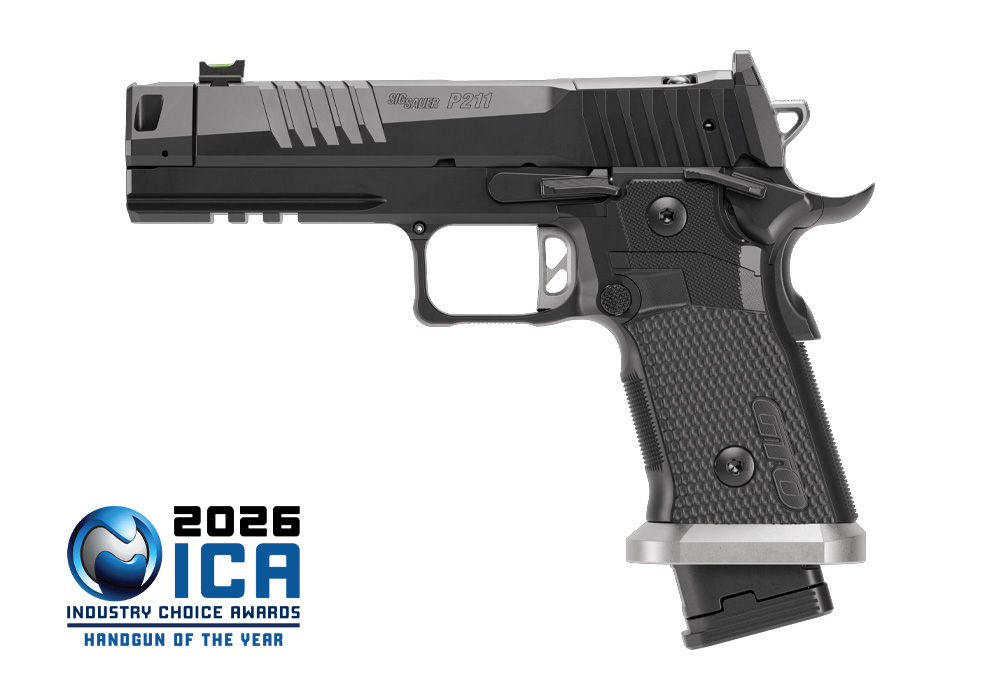
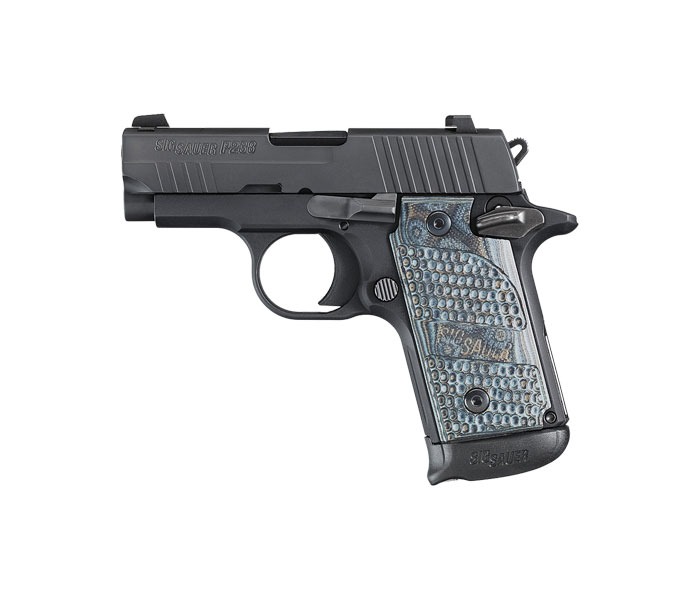
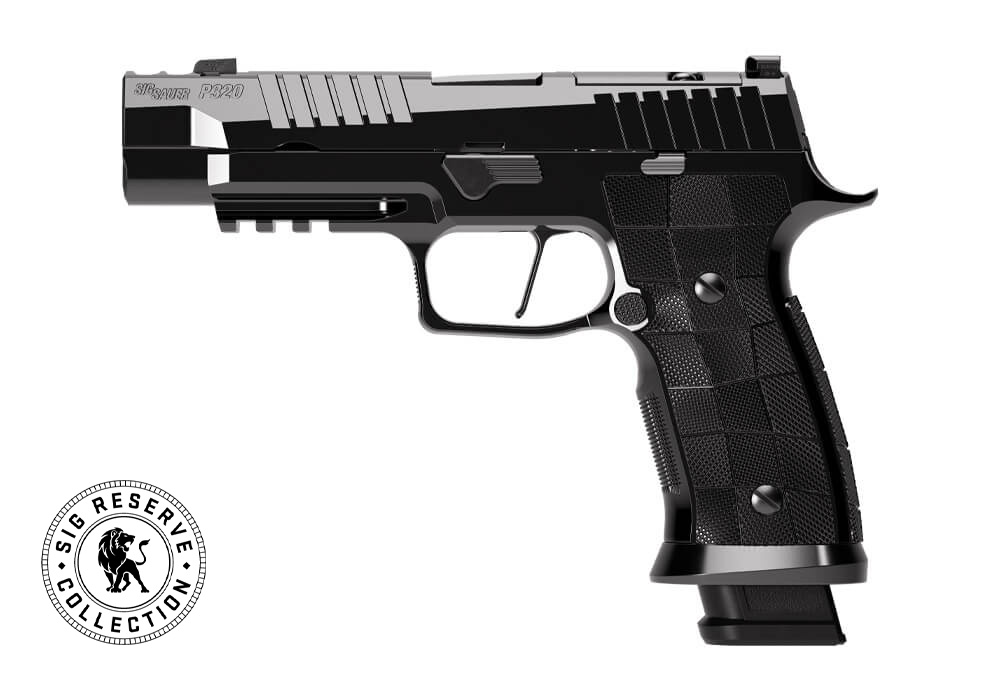
Advanced safety feature firearms combine established mechanical safeguards with design elements that help reduce the likelihood of an unintended discharge, unauthorized use, or unsafe condition. These features may include a trigger safety, striker or firing pin safety, internal drop safety, loaded chamber indicator, magazine disconnect, manual safety, grip safety, or other systems designed to require deliberate action before a firearm can fire. A striker or firing pin safety generally blocks forward movement until the trigger is fully pressed, while a trigger safety uses an integrated lever that must be depressed as part of a normal trigger press. Drop-safety systems help keep the sear or firing mechanism secured if a firearm is bumped, dropped, or subjected to sudden impact. A loaded chamber indicator may provide a visible or tactile signal that a cartridge is present in the chamber, offering an additional status check before handling, storage, transport, or maintenance. A magazine disconnect, when included, is designed to prevent firing when the magazine is removed, although users should never assume that removing a magazine makes a firearm unloaded because a round may remain in the chamber. These systems work as layers rather than substitutes for safe handling. Every firearm should be treated as loaded, pointed in a safe direction, kept away from the trigger until ready to fire, and stored so unauthorized people cannot access it. For shoppers comparing advanced safety feature firearms, the most important consideration is not simply how many mechanisms are listed, but whether the controls are easy to understand, consistent with the user’s training, and practical to verify under ordinary conditions. A feature that is difficult to see, feel, or operate may create confusion, while a clearly marked manual safety or well-defined chamber indicator can support a more deliberate routine. Review the manufacturer’s specifications, owner’s manual, and applicable laws before purchase, and confirm that the firearm’s controls are comfortable for the intended user’s hand size, strength, and level of experience.
These firearms may appeal to first-time owners seeking an extra measure of mechanical protection, experienced shooters who value clear status checks, household members selecting a home-defense option, or outdoorspeople who want a carefully considered firearm for transport and use in changing conditions. They can also be a thoughtful gift for a qualified adult who has expressed a genuine interest in responsible firearm ownership, provided the purchase, transfer, and storage arrangements comply with all applicable federal, state, and local requirements. A firearm should never be given casually or placed in someone’s hands without confirming that the recipient is legally eligible, prepared to complete any required transfer process, and willing to receive professional instruction. For a new owner, features such as a tactile loaded chamber indicator or an integrated trigger safety may make it easier to build a consistent inspection habit, while an experienced owner may prioritize a familiar control layout, a positive manual safety, or a design that can be operated without changing grip. Biometric sensors, fingerprint recognition, RFID, or PIN-based systems may appear on certain specialized firearms or accessories and are intended to limit operation to authorized users, but their usefulness depends on reliable power, proper enrollment, maintenance, and a backup procedure. They should not be treated as a replacement for locked storage. When evaluating a firearm with an electronic or personalized access system, consider how the system performs after extended storage, whether it provides a clear indication of its status, how quickly it permits authorized access, and what happens if the battery is depleted or the user’s finger is wet, cold, dirty, or positioned differently than during setup. Mechanical safeguards remain important because electronics can require maintenance, and no technology eliminates the need for secure storage, supervision, and training. During the warmer seasons, a locked container can help protect a firearm from curious visitors, children, and guests moving through the home, while during cooler months it can also help prevent unauthorized access when firearms are transported for range practice or outdoor activities. A quality lockbox or safe, separate ammunition storage where appropriate, and a documented access routine add practical protection to the firearm’s built-in safety features.
Selecting among advanced safety feature firearms also means considering intended use, operating environment, maintenance requirements, and the owner’s ability to confirm the firearm’s condition at a glance and by touch. A compact firearm carried in a properly designed holster may need a different control arrangement than a firearm kept secured for home use or taken to a supervised range. Buyers should examine whether the trigger guard is fully protected by the chosen holster, whether the manual safety can be checked without unnecessary manipulation, whether the chamber indicator is visible in low light, and whether the grip and controls remain manageable with gloves or reduced hand strength. Fit matters: a firearm that feels balanced and allows the user to reach the controls without shifting the hand can support safer handling and more consistent practice. Training should cover loading and unloading, clearing a malfunction, confirming the chamber is empty, using every safety control, transporting the firearm, and securing it before leaving it unattended. Professional instruction is especially valuable for first-time owners and for anyone receiving a firearm as a gift. Regular practice with inert training aids or an unloaded firearm, conducted according to the owner’s manual and in a safe environment, can reinforce the habit of keeping the muzzle in a safe direction and the trigger finger indexed along the frame until firing is intended. Shoppers looking to add compatible storage, training, visibility, or handling solutions can also explore Gun Safety Upgrades as part of a broader safety plan. No single feature can prevent every unsafe act, and advanced mechanisms should be viewed as a final layer supporting—not replacing—responsible ownership. With the right combination of mechanical safeguards, secure storage, clear communication, and ongoing training, these firearms can provide a carefully considered option for owners who place deliberate operation and controlled access at the center of every range session, transport plan, and home-storage routine.