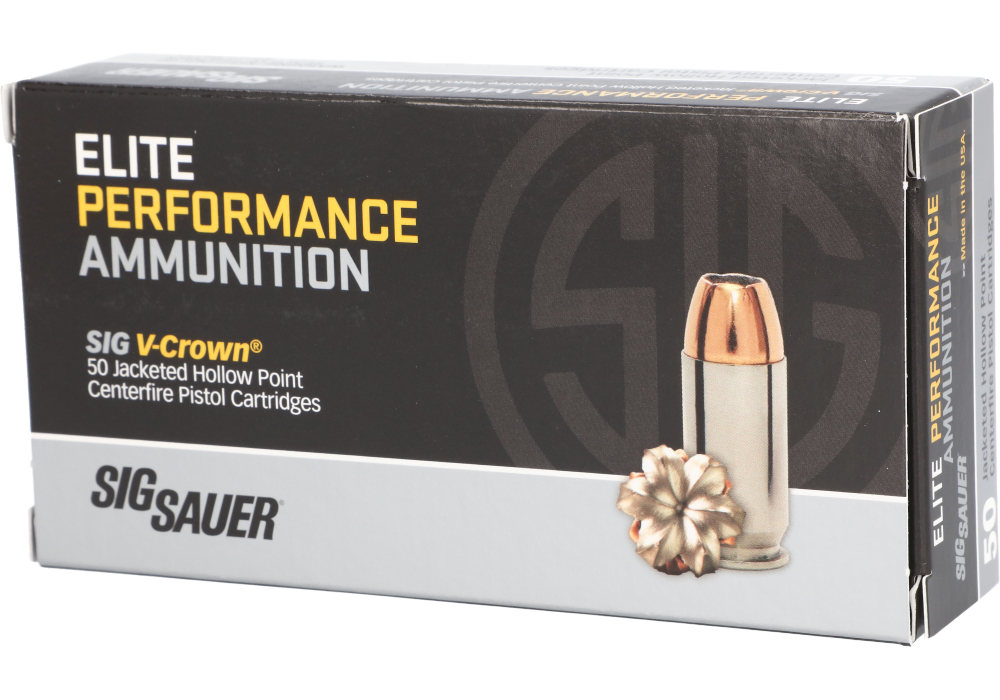
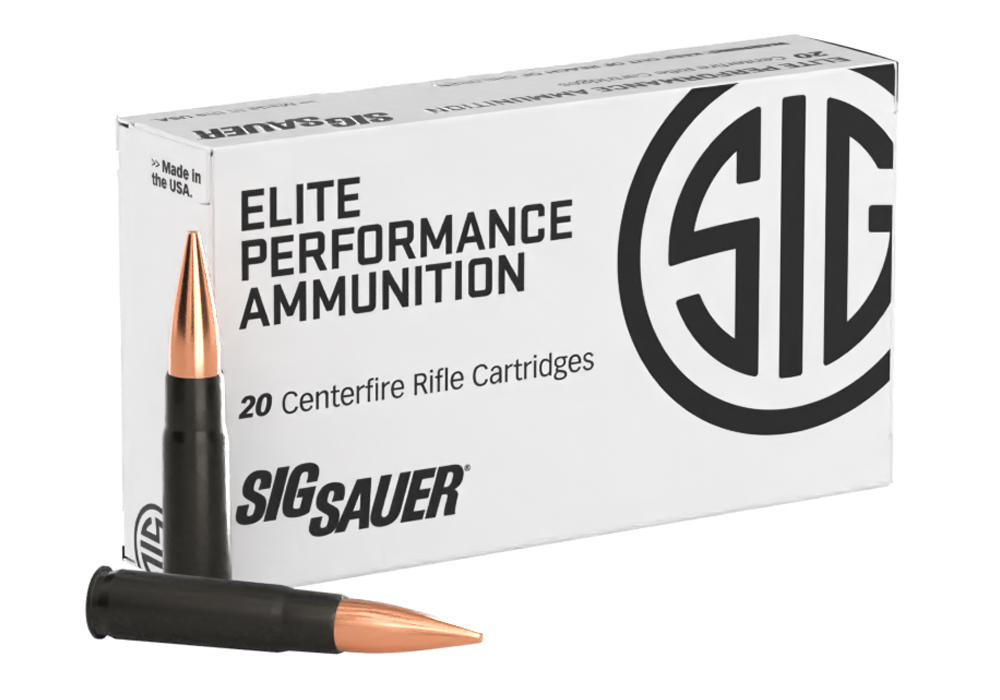
Bullets and ammunition are often discussed interchangeably, but a bullet is the projectile, while a cartridge is the complete round used in a firearm. For shoppers looking for affordable bullets, that distinction helps separate loaded ammunition for range practice from component projectiles intended for a different purpose. Centerfire cartridges typically contain a case, primer, propellant, and projectile; rimfire cartridges use a priming compound within the case rim. Complete ammunition brings those elements together in a cartridge identified by its caliber and other specifications. For routine target shooting, full metal jacket, or FMJ, ammunition is a familiar category because its jacketed projectile is commonly used for practice. The jacket often surrounds a lead core, although construction varies, so the package description remains important. FMJ identifies a bullet design rather than a universal quality standard, and it does not by itself establish firearm compatibility, range approval, or suitability for every activity. Paper targets, supervised practice, and recreational range sessions all place an emphasis on ammunition that matches the firearm and performs consistently within its intended role. A new adult shooter may be looking for an appropriate option for an introductory range visit, while an experienced enthusiast may prefer familiar specifications for recurring practice. In both cases, dependable selection begins with clear information rather than an assumption that similar-looking cartridges are interchangeable. The useful details include the exact cartridge designation, bullet construction, bullet weight, and any restrictions stated by the firearm manufacturer or range. Bullet weight is commonly expressed in grains, a unit of mass, and should not be confused with the amount of propellant inside a cartridge. Different weights within the same cartridge family can feel and perform differently, but no single weight is automatically right for every firearm or shooter. Appropriate target ammunition matches the firearm, meets the facility’s requirements, and suits the planned session, whether that means a short visit with a few paper targets or a longer stretch of supervised practice.
Materials help explain the differences between ammunition types, even when cartridges look similar at a glance. Brass is a common cartridge-case material, while some ammunition uses steel or aluminum cases. Those differences can matter to firearm compatibility, range policies, and the way spent cases are handled afterward. A case’s appearance alone does not establish its composition, and a metallic-looking finish should not take the place of the stated specifications. Bullet jackets commonly use copper or copper alloys, but the jacket, core, and case are separate components with separate characteristics. A brass case does not establish what is inside the projectile, just as an FMJ label does not mean the ammunition is lead-free. Some facilities restrict certain case materials or projectile constructions, so range acceptance belongs alongside firearm fit as a basic consideration. Exact cartridge naming matters as well: rounds with similar names or dimensions are not necessarily compatible, and ammunition should match the firearm’s chamber designation and manufacturer guidance. Any special pressure designation deserves the same attention rather than being treated as an incidental detail on the box. For handgun practice in particular, shoppers can also explore Affordable FMJ Handgun Ammunitions as a related ammunition category. A practice-focused choice is not simply about selecting a familiar bullet shape; it is about bringing together the appropriate cartridge, suitable construction, and a clear intended use. Someone attending an instructor-led session may need to follow ammunition requirements supplied by the instructor, while a recreational shooter visiting an indoor facility may encounter different rules from those at an outdoor range. Competition organizers can have their own requirements, too. These settings illustrate why detailed specifications are more useful than broad claims about universal performance. Published velocity information can offer context, but results depend on test conditions and the firearm involved. Consistent specifications help establish a familiar baseline for ordinary practice without suggesting that every firearm will behave identically or that target ammunition is interchangeable with ammunition intended for other purposes.
Care and storage protect ammunition before it reaches the range. For cartridges, durability concerns the integrity of the case, projectile, and other components rather than repeated use of the same round. Intact packaging helps shield cartridges from unnecessary handling and keeps identifying information close at hand. Original boxes also preserve the cartridge designation, bullet weight, manufacturer information, and lot details, which can be useful when organizing ammunition or addressing a product concern. A labeled storage container can add protection, but loose cartridges mixed together make identification harder and increase the chance of confusion. Secure storage away from children and unauthorized users is essential, along with protection from moisture and contaminants. Oils, solvents, and cleaning chemicals belong apart from ammunition, and cartridges should not be cleaned or altered in an attempt to improve their appearance. Visible corrosion, deformation, or other damage calls for manufacturer guidance rather than an assumption that the round remains suitable for use. Packaging size is another practical consideration: smaller boxes can be convenient for keeping cartridge details together, while larger packages require enough secure storage space and careful organization. For a range visit, keeping ammunition identifiable makes it easier to confirm that the planned rounds match both the firearm and the facility’s rules. Range hygiene matters as well, since a jacketed projectile does not eliminate every source of lead exposure. Following facility procedures, washing hands after handling ammunition or shooting, and keeping food away from handling areas support responsible practice. These habits suit both newcomers learning range routines and experienced adults maintaining an established shooting schedule. The useful qualities in everyday practice ammunition are straightforward: clearly stated specifications, appropriate materials, intact condition, and suitability for the intended firearm and setting. A thoughtful selection supports an organized session, from confirming the box label before leaving home to keeping remaining rounds securely stored afterward, without relying on appearance or a broad category name to answer every compatibility question.