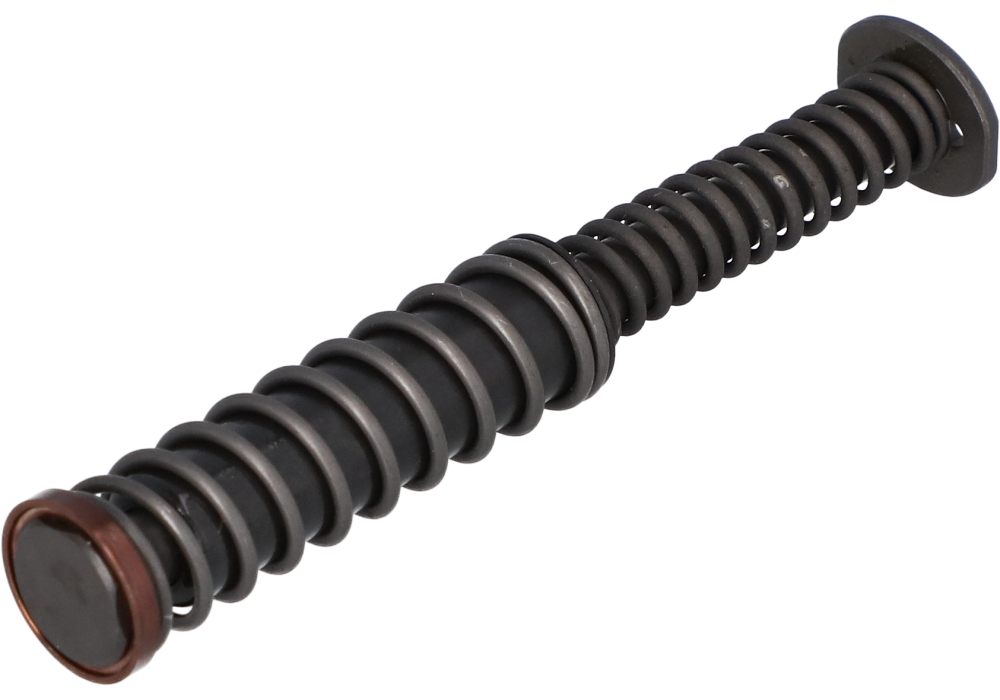
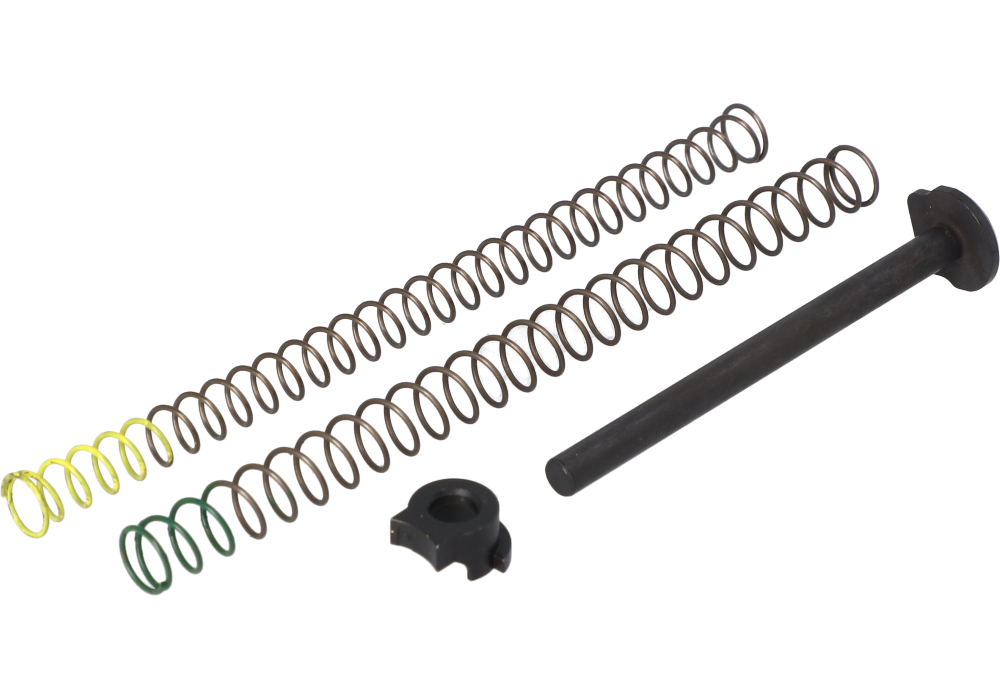
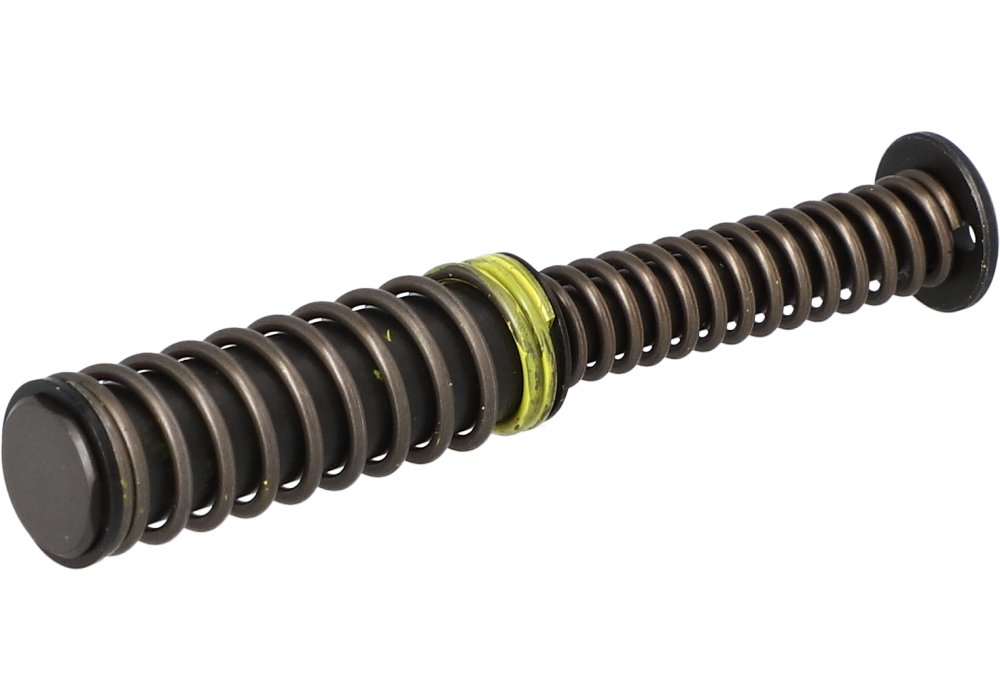
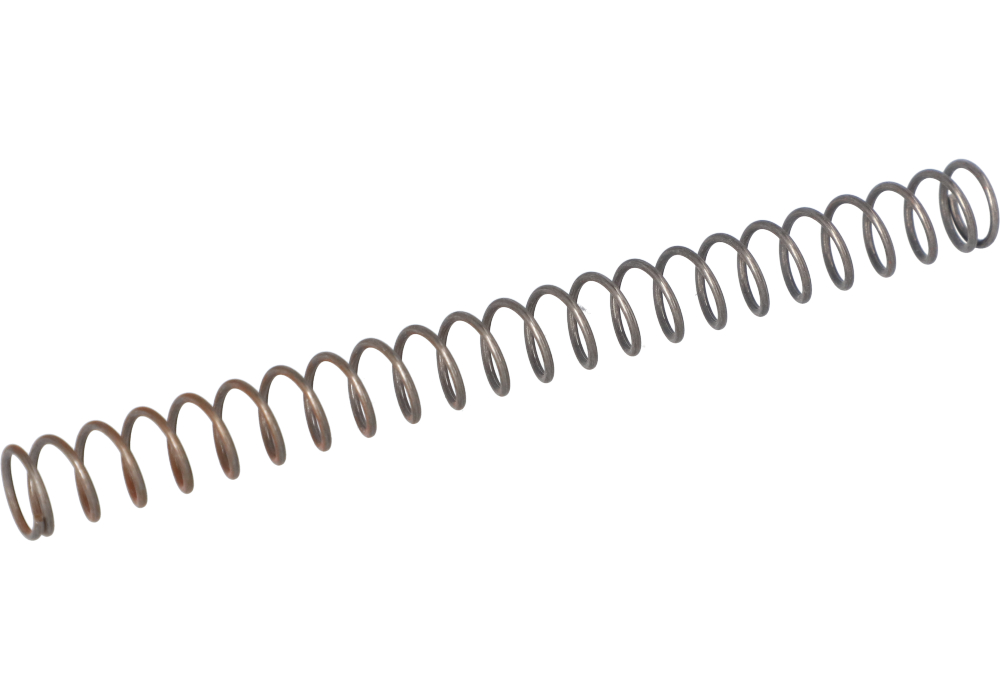
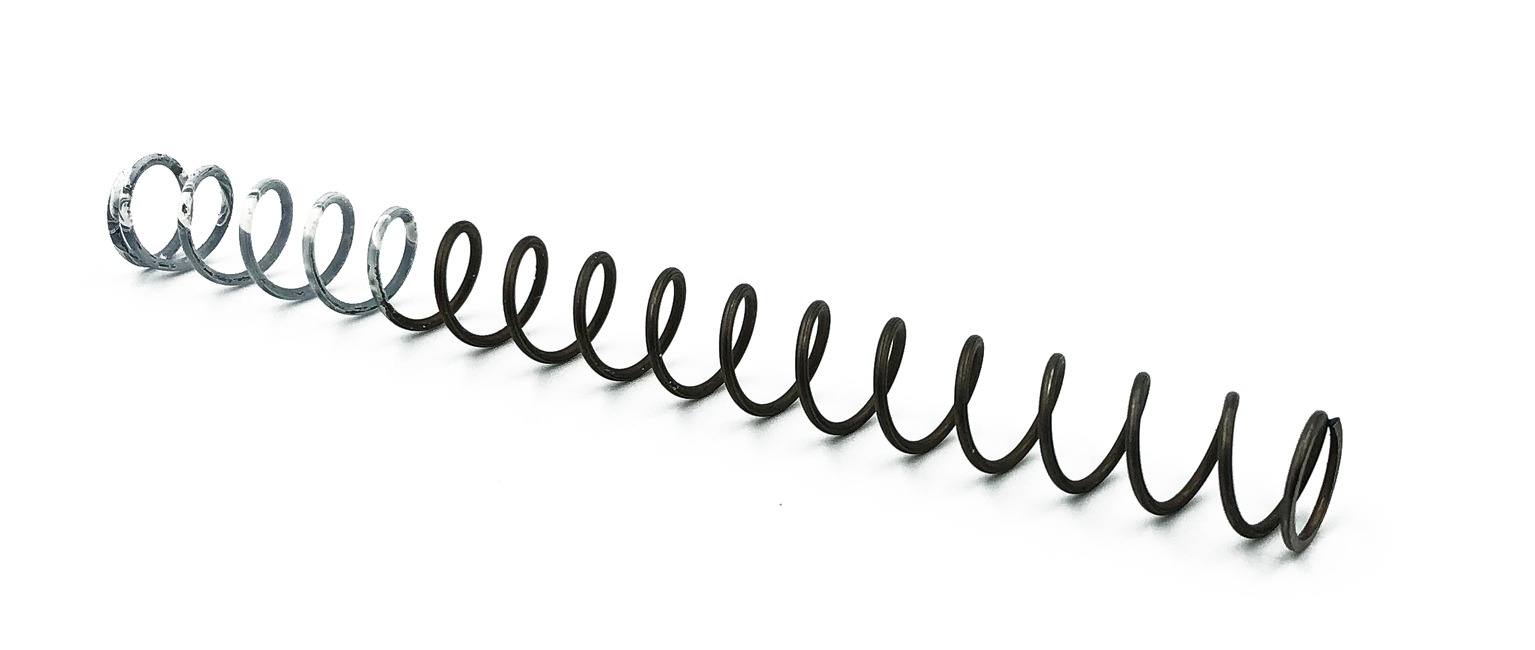
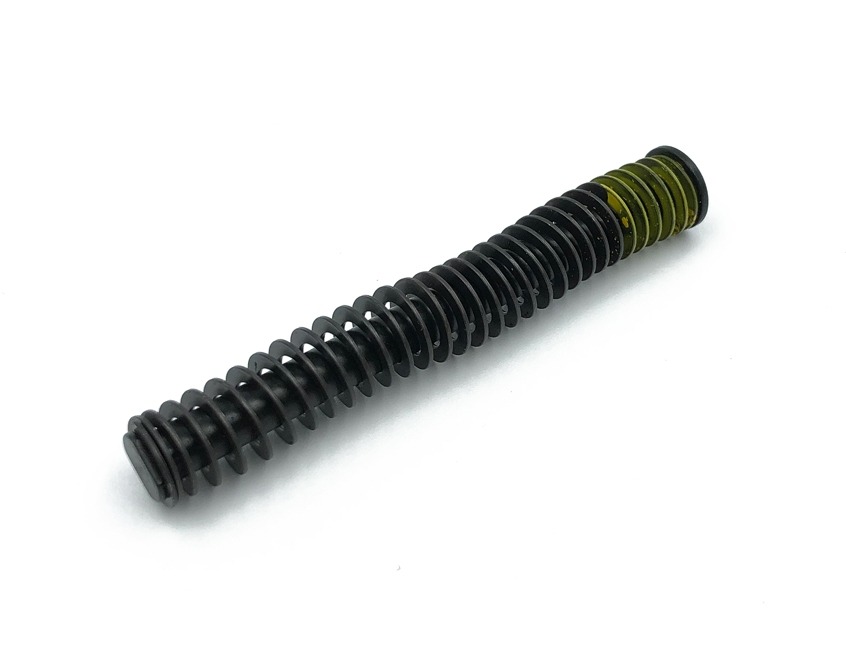
Aftermarket 9mm recoil spring assemblies are replacement or performance-oriented components designed to help a compatible semi-automatic pistol cycle smoothly and consistently. An assembly commonly includes the recoil spring, guide rod, and, depending on the design, additional components that work together as the slide moves rearward and returns to battery. The recoil spring absorbs energy as the slide travels back, then uses that stored energy to help drive the slide forward, chamber the next cartridge, and lock the action into position. Because spring tension influences slide velocity, felt recoil, muzzle movement, and feeding behavior, selecting the right assembly requires more than choosing a spring by appearance alone. Compatibility with the pistol’s exact model, generation, barrel configuration, and operating system is the first consideration. Some 9mm handguns use a captive dual-spring assembly, while others are configured for a single spring, a traditional round-wire design, a flat-wire spring, or a multi-stage system. Guide rod dimensions, end-cap shape, overall length, and spring weight must all match the intended platform. A properly matched assembly can support reliable cycling and predictable handling, while an incorrectly fitted part may contribute to failures to feed, failures to return to battery, excessive slide velocity, or unnecessary wear. Owners comparing aftermarket options should also consider whether they are maintaining a standard factory configuration or making a deliberate change for a specific purpose, such as a competition setup, a pistol equipped with a miniature reflex optic, or a training firearm used with a particular type of 9mm ammunition.
Spring weight is one of the most important purchase considerations. A heavier spring generally offers greater resistance as the slide moves rearward, which can reduce rearward impact and help manage slide velocity when the ammunition and pistol are suited to that setup. It may also make the slide more difficult to retract and can cause the pistol to feel sluggish or dip slightly as the slide returns forward if the spring rate is too strong for the load. A lighter spring can allow faster slide movement and may make a pistol easier to cycle by hand, but it can increase frame and slide impact if the ammunition produces more energy than the assembly is intended to manage. If the spring is too light for the pistol and load, the slide may move rapidly enough to affect control, timing, or component life. Multi-stage assemblies are designed to provide changing resistance through different portions of the slide’s travel, while flat-wire designs are often selected for their distinctive contact pattern and potential service-life characteristics. These features should be viewed in relation to the whole firearm rather than as universal upgrades. Ammunition pressure, bullet weight, barrel length, optic installation, suppressor use, and the shooter’s grip can all affect cycling. A setup that runs well with one load may behave differently with another. For that reason, it is sensible to use the manufacturer’s recommendations as the starting point, change one variable at a time, and test the pistol with suitable ammunition under controlled conditions. A recoil spring assembly is not a substitute for correcting a damaged extractor, worn magazines, inadequate lubrication, or another underlying issue. When the goal is dependable function, shooters should inspect the existing assembly for uneven wear, broken coils, deformation, peening, or unusual guide-rod marks and replace related parts when inspection indicates a problem. Those seeking an original-equipment configuration can also review Factory Replacement Recoil Spring Assemblies for Pistols when maintaining a compatible pistol with factory specifications in mind.
These assemblies may appeal to several types of handgun owners. A frequent range shooter may keep a properly fitted spare on hand as part of routine maintenance, particularly when a pistol sees regular practice, drills, or extended sessions. A concealed-carry owner may prefer a dependable replacement that restores the original feel and cycling characteristics after normal wear, while a competitive shooter may evaluate different spring rates to refine sight tracking and follow-up shot control within the limits of the pistol and ammunition. A handgun owner who installs an optic, changes barrel configuration, or routinely uses a suppressor should confirm that the recoil system remains appropriate for the new configuration and that the pistol continues to cycle reliably. These parts can also be practical gifts for an experienced shooter, gunsmith, range enthusiast, or firearm owner who already knows the exact model and configuration needed. They are less suitable as a surprise purchase when the recipient’s pistol specifications are unknown, since two visually similar 9mm handguns may require different assembly lengths, guide rods, or spring arrangements. Before ordering, verify the model marking, generation, caliber, frame size, barrel length, and any manufacturer-specific fitment information. Check whether the assembly is intended for standard or extended capacity configurations where applicable, and confirm that the listed spring weight is compatible with the ammunition and intended use. Installation should be performed with the firearm completely unloaded, including an empty chamber and clear magazine well, and with the owner’s manual available for reference. If the design is unfamiliar, the pistol has been modified, or the assembly requires fitting, a qualified gunsmith can inspect the firearm and confirm safe function. After installation, perform a careful function check according to the manufacturer’s instructions, then verify operation at a suitable range with reliable ammunition. During cooler months, when outdoor practice may involve changes in clothing, grip, and shooting conditions, consistent equipment becomes especially valuable; a correctly matched recoil spring assembly helps preserve the familiar cycling feel that allows the shooter to concentrate on safe handling, sight alignment, and controlled follow-up shots.