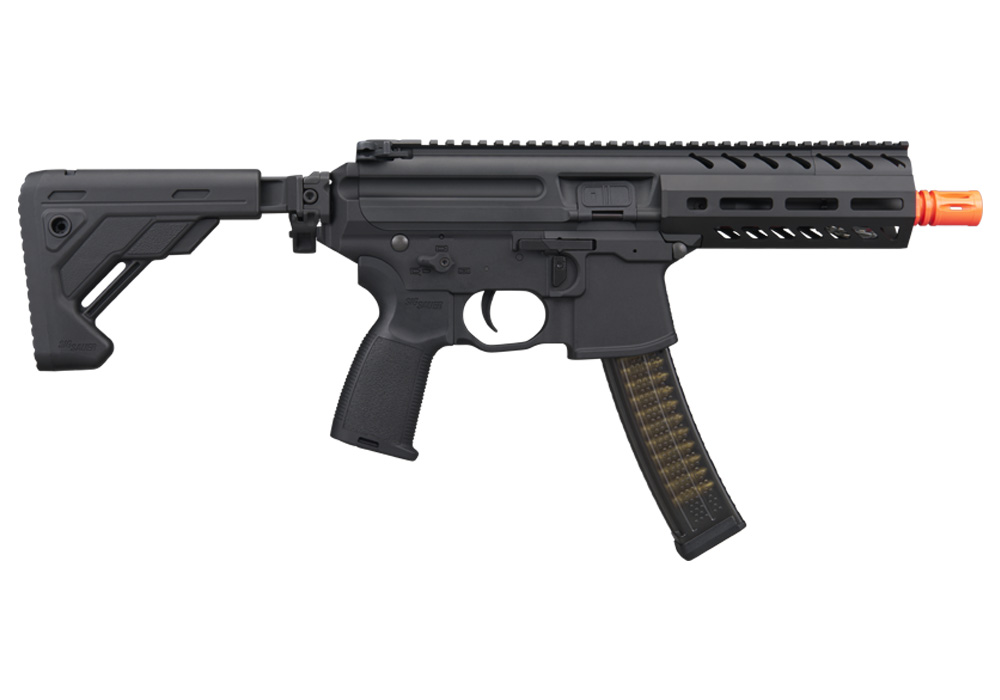
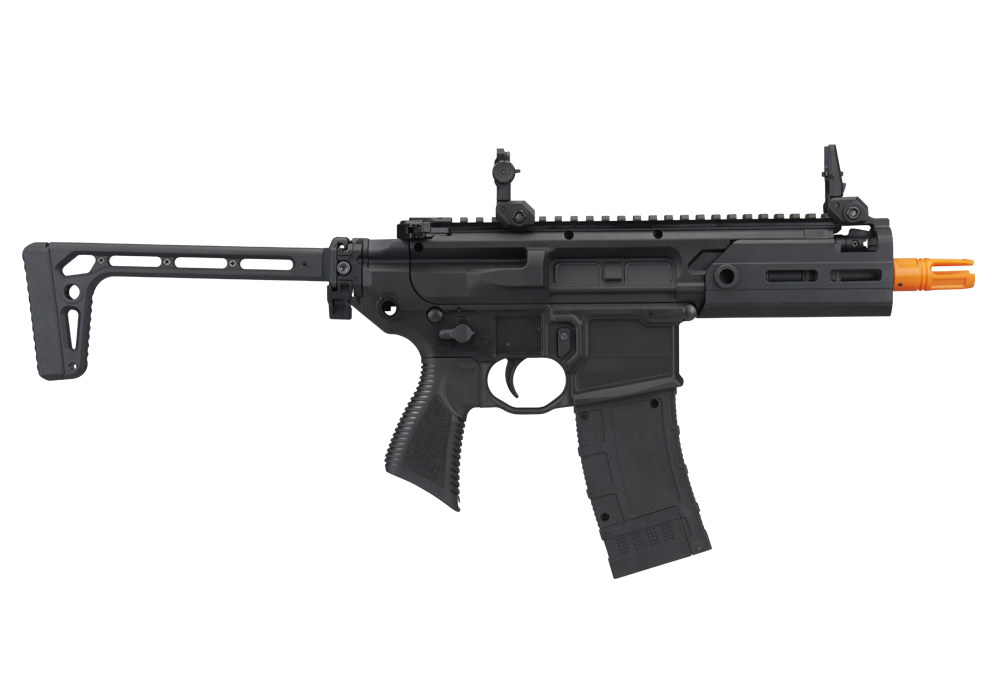
Airsoft rifles selected for tournaments are built around consistency, controllability, and dependable performance under match pressure. The right choice depends first on the format and field: indoor CQB tournaments typically reward a compact carbine or rifle that moves easily through doorways, tight lanes, and barricade-heavy stages, while outdoor events may place greater emphasis on effective range, hop-up consistency, battery life, and resistance to changing weather. Automatic electric guns, commonly called AEGs, remain a practical choice for many competitors because they offer steady operation without an external air line or tank. High-pressure air systems, or HPA platforms, are favored by players who want an immediate trigger response and adjustable velocity when the tournament rules permit those features. Gas blowback rifles can provide a realistic cycling action and engaging recoil, making them appealing for realism-focused or MilSim-style competitions, although their magazines generally hold fewer rounds and their performance can be more sensitive to temperature. Before selecting a tournament airsoft rifle, confirm the event’s velocity limit, ammunition requirements, engagement rules, magazine restrictions, and field regulations. Chronograph standards vary, and a rifle that is suitable for one venue may require a different spring, regulator setting, or configuration for another. Always use approved eye protection, follow the field’s handling procedures, and transport airsoft equipment responsibly.
Tournament performance is shaped by more than advertised velocity. A consistent hop-up unit helps stabilize BBs and can improve practical accuracy, while a well-matched inner barrel, quality ammunition, and a properly maintained air seal contribute to repeatable shots. Trigger response matters when engagements are brief and targets appear between obstacles, but a fast response should remain manageable and compliant with the event’s rate-of-fire rules. Players moving through close quarters often appreciate a shorter rifle with a balanced front end, while outdoor competitors may prefer additional barrel length or a configuration that supports a stable shooting position without becoming cumbersome. Ergonomics deserve close attention: an adjustable stock can help accommodate protective gear, a comfortable pistol grip can reduce fatigue, and accessible controls make it easier to transition between targets while keeping the rifle shouldered. Power systems are another important consideration. Electric platforms require a compatible battery and charger, whereas HPA setups require a tank, regulator, line, and dependable air source. Gas-powered rifles need appropriate magazines and maintenance supplies, with cooler conditions potentially affecting gas efficiency. Standard or extended-capacity magazines may suit different tournament formats, but magazine compatibility, pouch fit, reload speed, and the venue’s ammunition limits should all be checked before a match. A rifle that feels quick and natural during movement drills is often more valuable than one chosen solely for maximum velocity.
These airsoft rifles can serve dedicated tournament players, new competitors building a dependable first setup, and experienced teams refining equipment for speedsoft, CQB, or outdoor field play. They may also be a thoughtful gift for an adult airsoft player who is preparing for organized competition, provided the recipient’s preferred platform, field rules, and battery or air-system requirements are known. For someone joining a team, matching the rifle to the team’s role can make a noticeable difference: a mobile front player may benefit from a compact, lightweight configuration, while a player assigned to hold lanes may prioritize stability, range, and a larger ammunition reserve where permitted. As the weather warms, outdoor practice can highlight the value of sling adjustment, hydration-friendly loadouts, and reliable battery management; during the cooler months, players should pay closer attention to battery performance, gas efficiency, and glove-friendly controls. Routine care is equally important. Clean the barrel, inspect magazines for leaks or feeding issues, protect electrical connections, keep moving parts lubricated according to the manufacturer’s recommendations, and test the rifle over a chronograph before tournament day. Many competitors pair their primary rifle with a sidearm for specific stages or backup use; browse Airsoft Pistols For Airsoft Tournaments to compare complementary options. Whether the goal is shaving seconds from a fast indoor course or maintaining a steady rhythm across an outdoor field, selecting a rifle that fits the rules, the player, and the environment creates a more confident and enjoyable tournament experience.