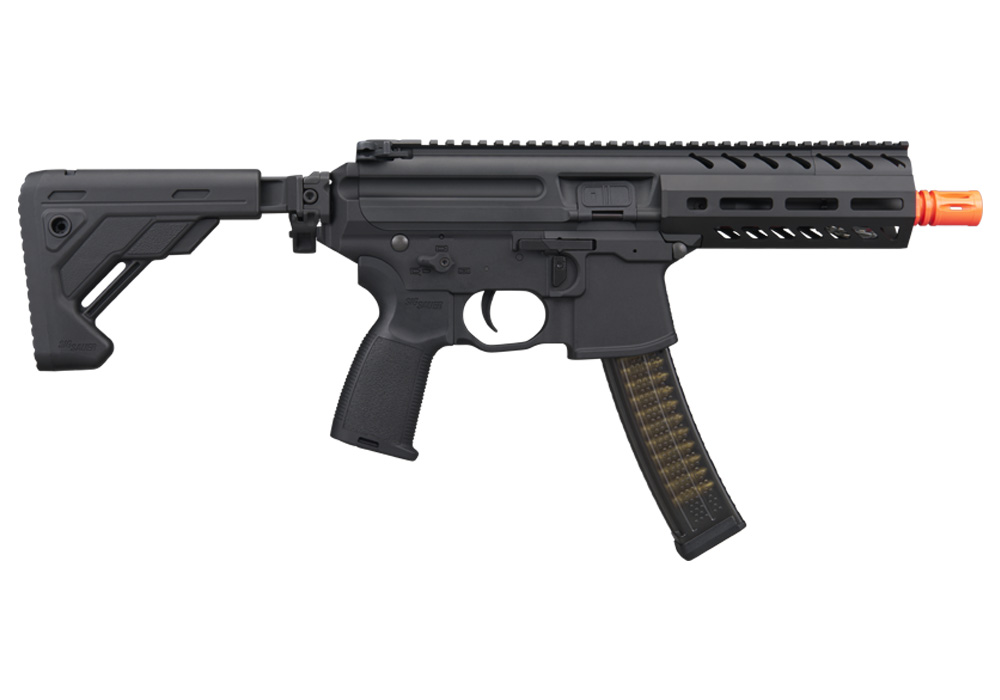
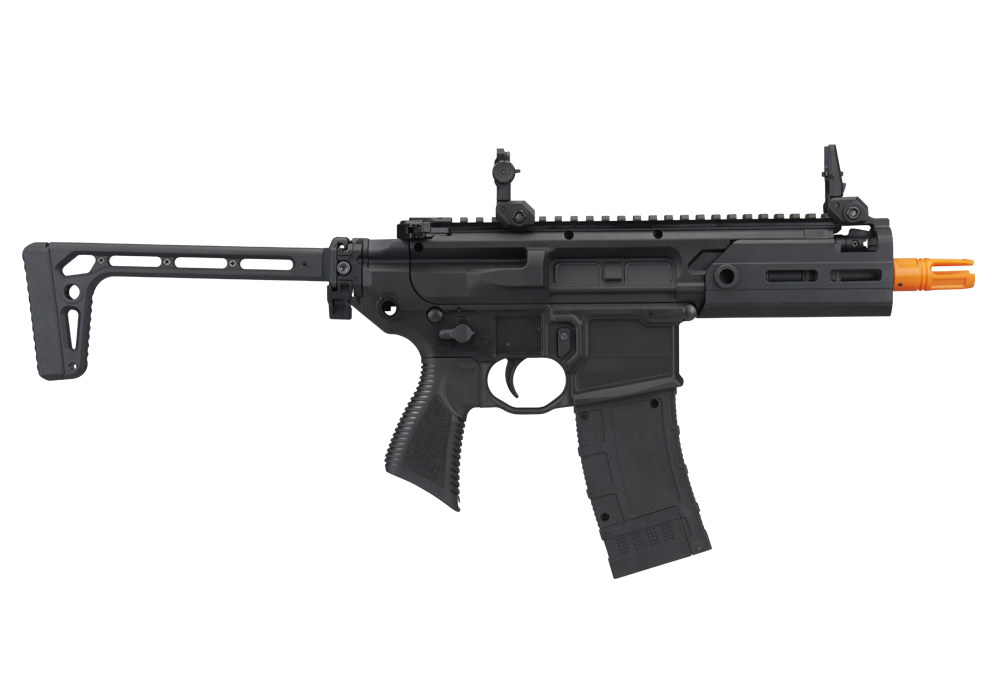
Airsoft rifles selected for summer airsoft leagues should balance dependable operation, manageable weight, field-legal velocity, and controls that remain easy to use during fast-moving games. Automatic electric guns (AEGs) are a popular choice for league play because they offer straightforward operation, consistent cycling, and practical performance across indoor and outdoor environments. Their rechargeable battery systems are generally simple to maintain, and a properly matched battery, charger, and magazine setup can support a full day of play without adding unnecessary complexity. High-pressure air (HPA) platforms are another strong option for players who prioritize shot-to-shot consistency, adjustable velocity, and a crisp response from the trigger. Gas blowback rifles can provide realistic movement and handling, but their performance may vary with temperature, humidity, magazine temperature, and the pace of firing, making them a more specialized choice for organized competition. As the weather warms, lightweight configurations and shorter barrels can help reduce fatigue during long match blocks, especially on compact fields where players move quickly between cover and close-quarters engagements. For outdoor leagues, a rifle with a balanced profile, comfortable shoulder stock, practical sling attachment points, and enough rail space for a sight or light can transition smoothly between open areas and wooded positions. For indoor CQB layouts, a compact carbine or short rifle can be easier to maneuver through doorways, corridors, and barricades. The best choice is usually the platform that feels natural in the hands, supports the player’s role, and fits the rules of the league rather than simply the rifle with the most features.
Velocity limits should be one of the first purchase considerations for anyone shopping for airsoft rifles for summer airsoft leagues. League organizers commonly set muzzle velocity limits for rifle classes, often in the approximate 350-to-400 FPS range, though rules vary by field, projectile weight, engagement distance, and whether the rifle is used in semi-automatic or automatic fire. Always verify the league’s published requirements before purchasing accessories or making internal changes, and use the field’s approved chronograph process before a match. HPA users should confirm that regulator settings and operating pressure can be adjusted to meet the field’s limits, while AEG owners may need to consider spring changes, hop-up tuning, and barrel configuration. Consistent performance matters as much as raw velocity; a rifle that feeds reliably, maintains a predictable trajectory, and remains comfortable through several rounds is often more valuable than one tuned solely for maximum output. Magazine compatibility also deserves attention. Standard-capacity magazines can support a streamlined loadout and reduce excess weight, while extended-capacity options may suit players who prefer fewer reloads during long games. Carrying several dependable magazines, a secure magazine pouch, and a speed loader can make reloads quicker without turning the kit into a burden. Battery access, charging requirements, optic compatibility, stock adjustment, grip shape, and ambidextrous controls are equally practical details. During a warm afternoon match, small ergonomic advantages become noticeable: a stock that sits securely against the shoulder, a grip that does not create hot spots, and controls that can be reached without changing the firing hand can help a player stay focused on movement and communication. Cooler months may make heavy layers and gloves more common, so choosing controls that remain usable with added clothing can extend the rifle’s usefulness throughout the season.
Airsoft rifles can suit new players joining a local league, experienced competitors refining a dedicated setup, or enthusiasts looking for a thoughtful gift for someone who enjoys competitive recreation. For a first rifle, an AEG is often an approachable starting point because it offers a familiar manual of arms, repeatable performance, and a broad selection of compatible batteries, magazines, and replacement parts. A compact rifle can be a practical gift for a player who spends most of their time in indoor arenas, while a balanced carbine may appeal to someone who divides games between field courses and CQB events. More experienced players may prefer an HPA system for its tunability or a carefully configured electric rifle that complements a particular position, such as point player, support, or flexible rifleman. Regardless of experience level, protective equipment and field essentials should be part of the planning process: certified eye protection, appropriate face coverage, sturdy footwear, gloves, biodegradable or field-approved BBs, spare batteries or an air supply, and a reliable sling all contribute to a safer and more enjoyable day. Basic care also pays off. Keep magazines free of dirt, inspect wiring and connectors, protect the hop-up and barrel from debris, and store batteries and air equipment according to their manufacturer’s instructions. Before attending a tournament, confirm the field’s BB requirements, minimum engagement distances, magazine restrictions, chronograph procedure, and rules for optics, lights, and external accessories. Players preparing for more formal competition may also browse Airsoft Rifles For Airsoft Tournaments when comparing platforms for organized events. With the right fit, dependable power source, legal velocity, and accessories suited to the field, an airsoft rifle can remain a reliable part of a player’s kit from warm-weather league matches through the cooler months.