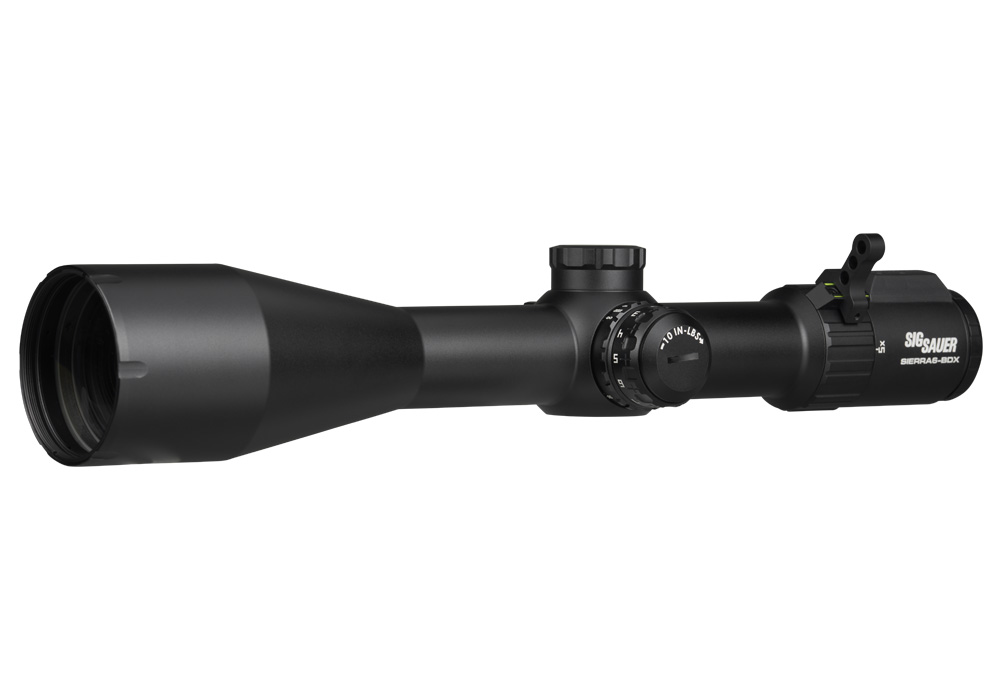
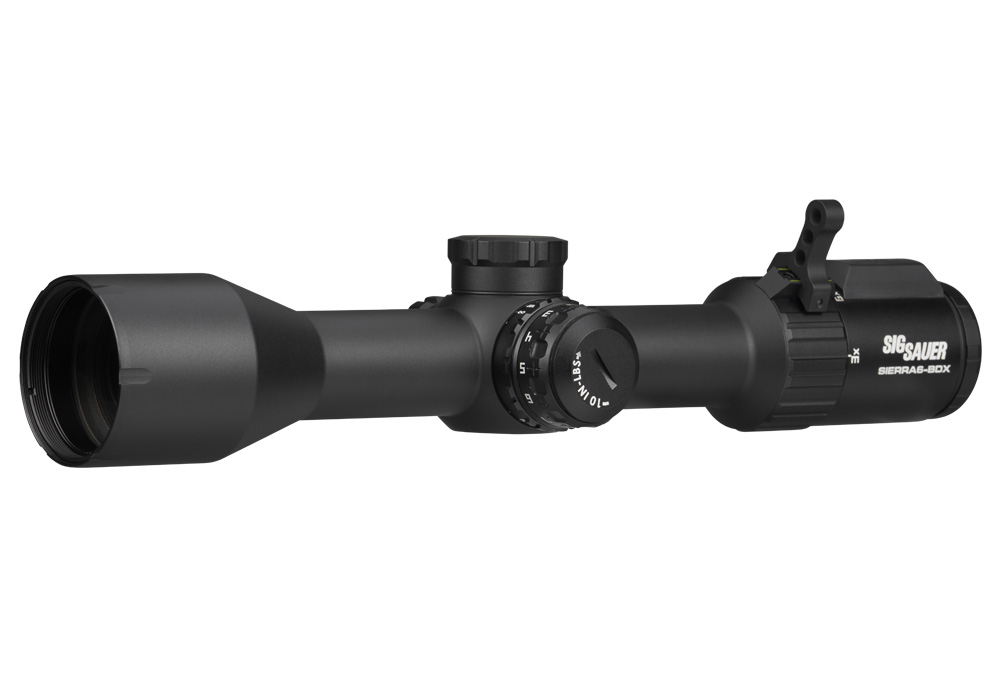
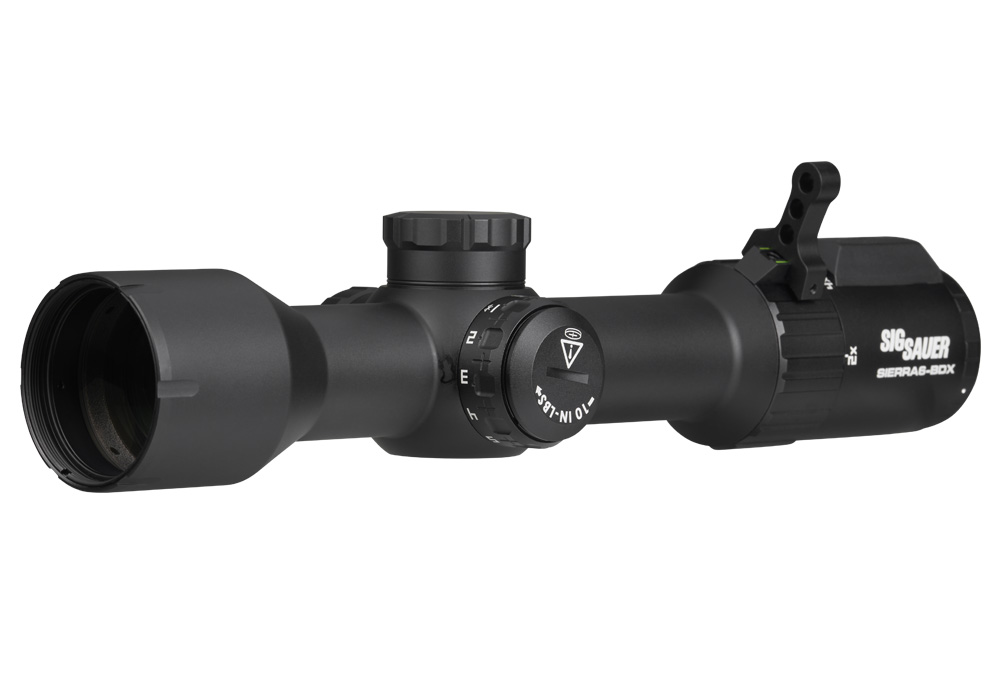
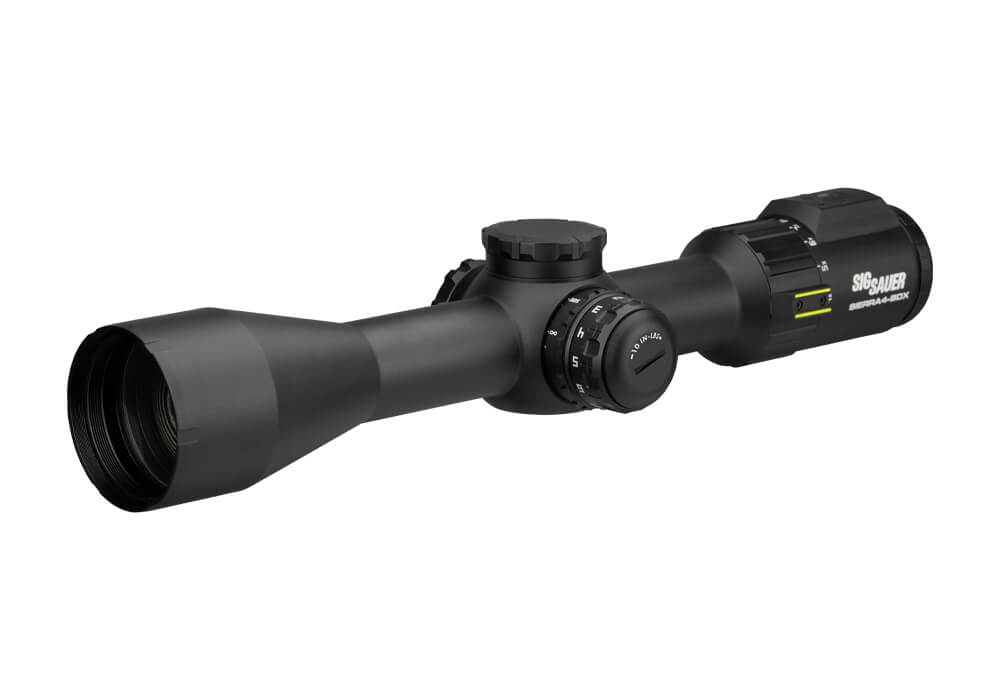
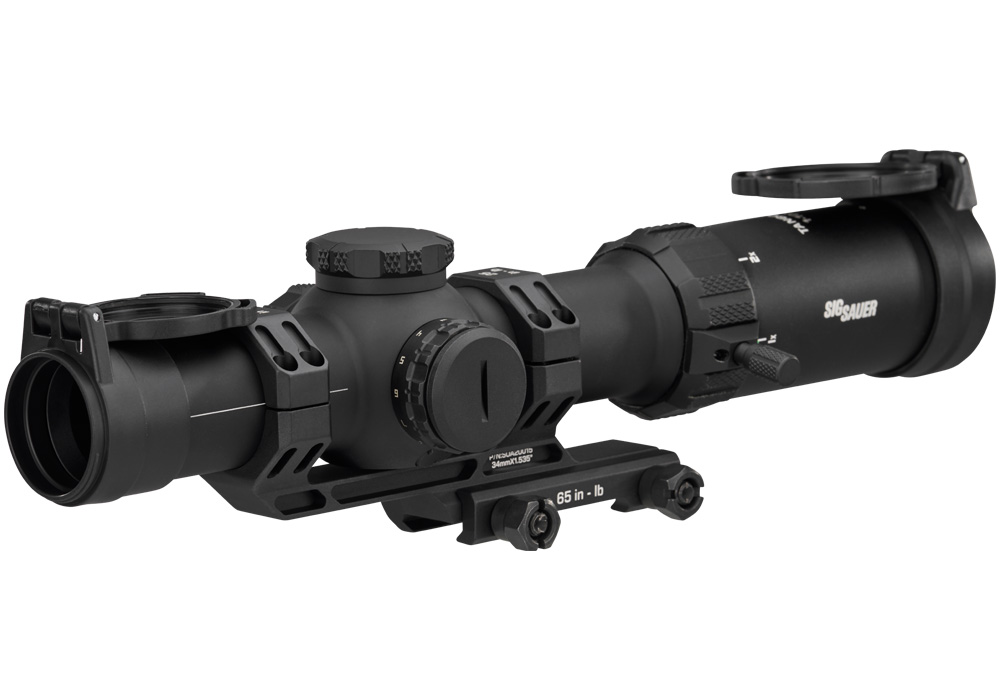
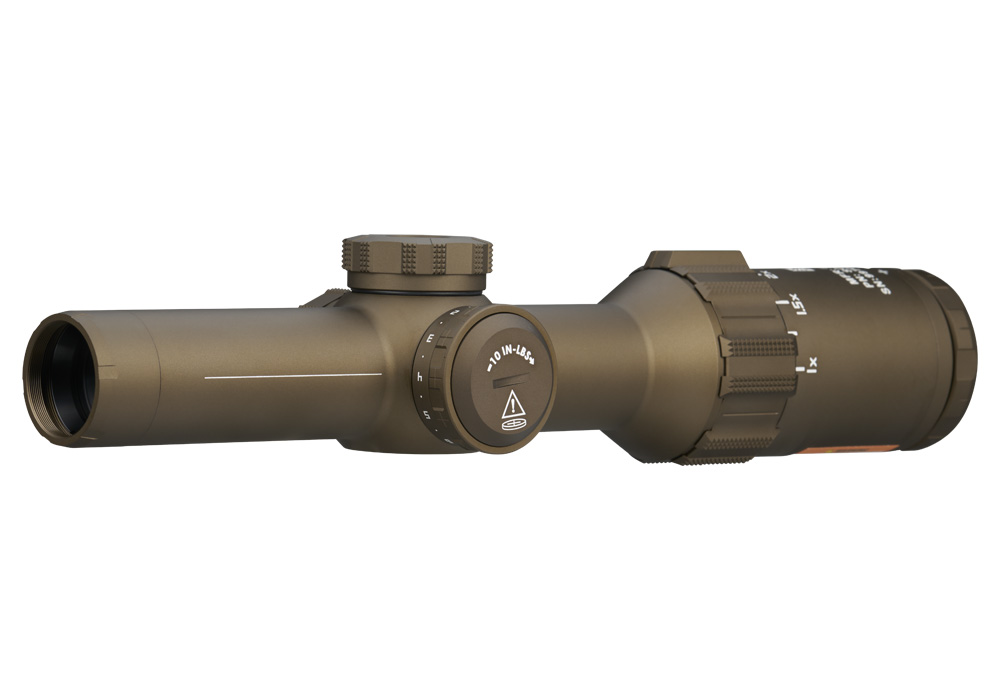
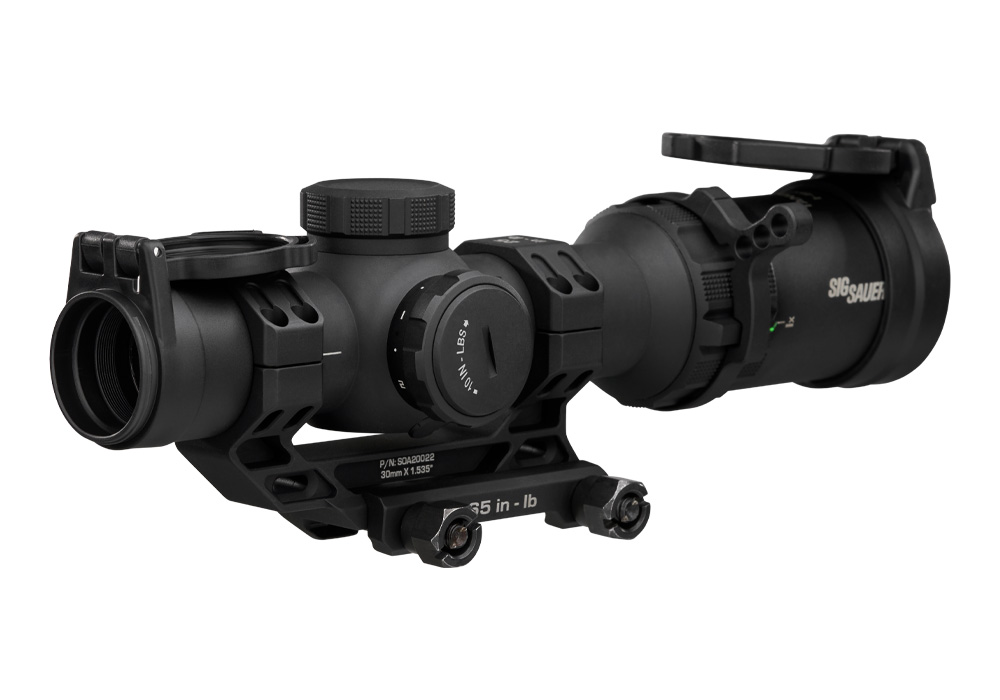
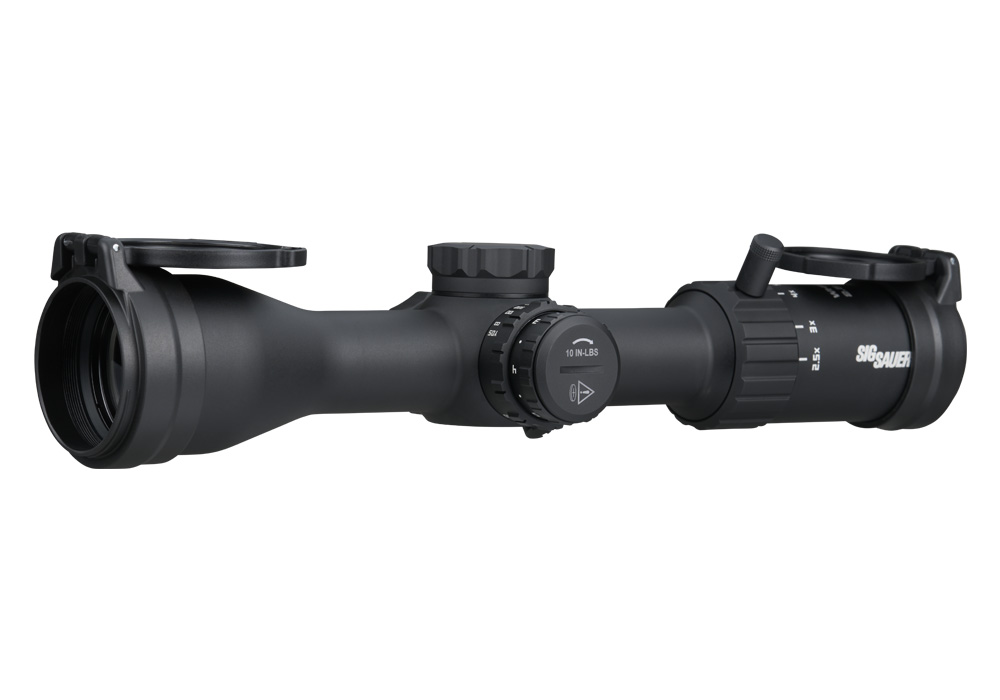
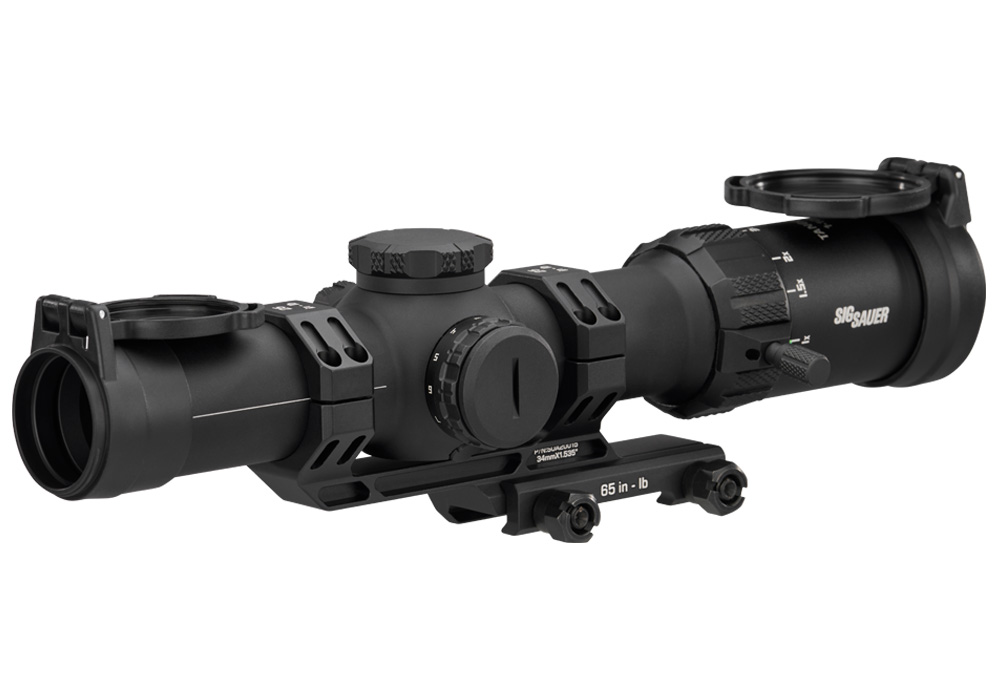
All weather scopes are built for shooters who need a clear sight picture when conditions are less than ideal. Rain, wet brush, blowing dust, falling snow, and sharp temperature changes can challenge any optic, especially when a firearm moves from a warm vehicle or cabin into cold outdoor air. A dependable all-weather scope is designed to help keep those distractions outside the optical system, using sealed construction to resist moisture and debris, fog-resistant internal components, and a durable housing that can stand up to recoil, transport, and everyday handling. O-ring seals help block water and dust from entering through joints and adjustment points, while nitrogen purging helps reduce internal fogging when the scope transitions between warm and cold environments. These features matter during the cooler months, when a crisp morning can give way to rain by midday or a sheltered shooting position can contrast sharply with the temperature outside. For a hunter moving through damp timber, a landowner checking equipment across open ground, or a range shooter practicing through changing weather, an all-weather scope provides confidence that the optic is prepared for the same conditions as the firearm. Many shooters also appreciate the rugged construction for travel, where a rifle may be carried through a truck rack, soft case, tree stand, blind, or backcountry trail before it ever reaches the firing position. A durable scope should be treated as a working component of the setup rather than a fragile accessory, with construction intended to preserve alignment and visibility through the ordinary knocks that come with responsible use outdoors.
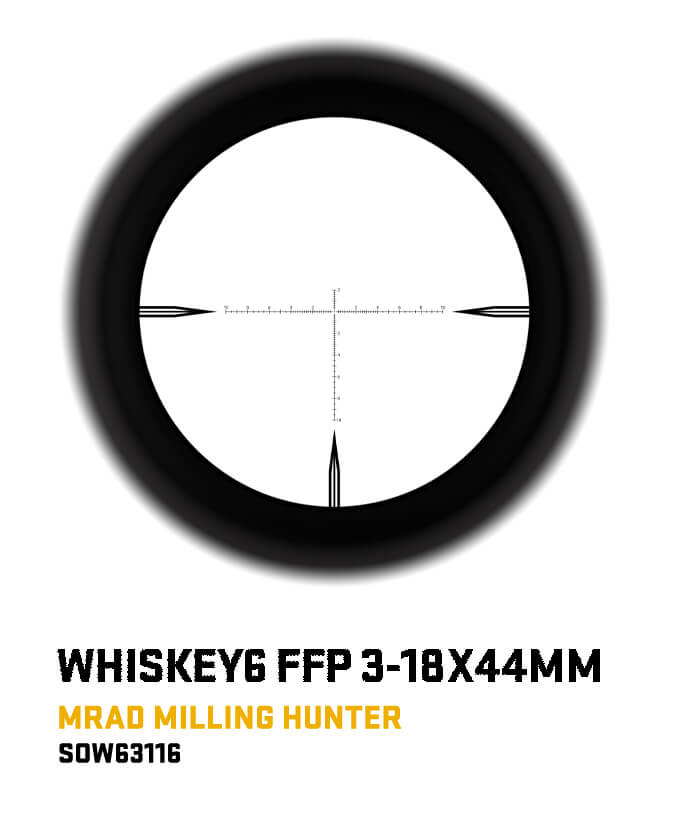
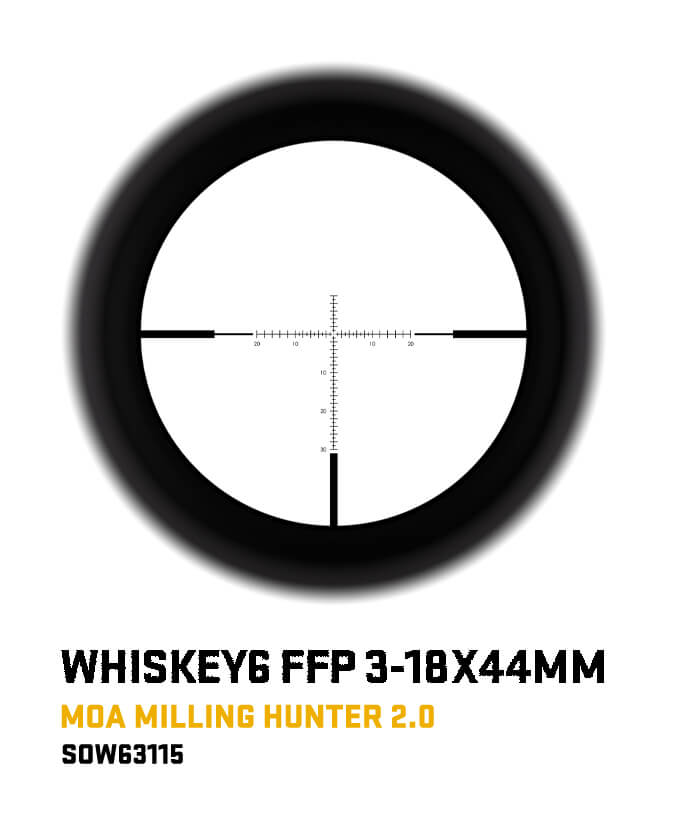
Choosing among all weather scopes begins with matching the optic to the firearm, shooting distance, and conditions in which it will be used. Magnification is one of the first considerations: lower magnification can provide a wider field of view for moving through timber or monitoring nearby targets, while higher magnification may assist with precise aiming at longer distances when a stable shooting position is available. A versatile variable-power configuration can bridge both situations, but the best range depends on the rifle, ammunition, intended use, and the shooter’s ability to maintain a steady sight picture. Eye relief deserves equal attention, particularly on rifles with noticeable recoil; adequate distance between the shooter’s eye and the ocular lens helps support a comfortable, repeatable position. Reticle style is another personal decision. A simple, uncluttered reticle can be quick to acquire in daylight and easy to use for general shooting, while an illuminated or more visible design may be helpful in deep shade, overcast weather, or the low-contrast landscape that often comes with rain and early winter light. Look for clearly marked turrets, a reliable adjustment system, and controls that can be operated with cold or gloved hands. Lens coatings can improve light transmission, reduce glare, and help maintain contrast when the sky is gray or the sun is low. A scope tube made from a strong, lightweight metal helps balance durability with the overall weight of the rifle, which becomes noticeable during a long walk to a blind or an extended day on the range. Before purchasing, confirm tube diameter, mounting height, ring compatibility, objective clearance, and the available adjustment range. Proper installation and zeroing are essential; even a rugged, sealed optic cannot compensate for loose mounts, an incorrect ring size, or a setup that has not been carefully sighted in with the intended ammunition.
All weather scopes can be a practical choice for anyone who spends time outdoors with a scoped rifle, including hunters, recreational shooters, ranchers, guides, and firearm owners who want dependable equipment for a broad range of conditions. They are especially useful for people whose plans cannot be dictated by a clear forecast. A hunter may leave a dry trailhead beneath a pale autumn sky and return through steady drizzle, while a range session can begin in cool sunshine and finish beneath a low ceiling of clouds. In each case, sealed construction, fog-resistant internals, a weather-tolerant exterior, and clear glass can make the difference between constantly wiping lenses and staying focused on safe, deliberate shooting. These optics can also make thoughtful gifts for a new rifle owner, an experienced outdoorsperson upgrading an older setup, or someone preparing for a season of hunting and range practice. When giving one as a gift, consider whether the recipient uses a rimfire, centerfire, or another compatible platform, along with their typical shooting distance and preference for a lightweight or more robust configuration. A scope should be selected with the firearm and mounting system in mind rather than by appearance alone. Shooters who prefer a compact sight picture and rapid target acquisition may also want to explore All Weather Red Dot Sights for compatible applications. Whichever optic fits the setup, routine care remains important: keep lens covers available, remove moisture with a clean lens cloth, inspect mounting hardware, and store the firearm and scope in a dry environment after exposure to rain or snow. With the right combination of sealing, optical clarity, rugged construction, magnification, reticle design, and proper fit, all weather scopes help shooters stay prepared as outdoor conditions shift from crisp fall air to colder, wetter days.