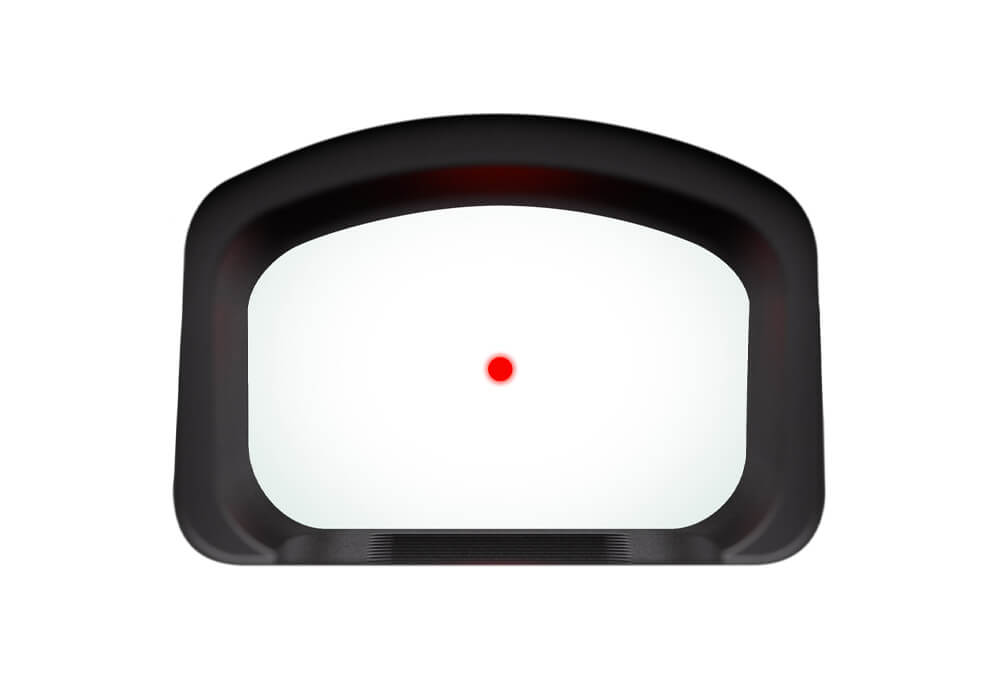
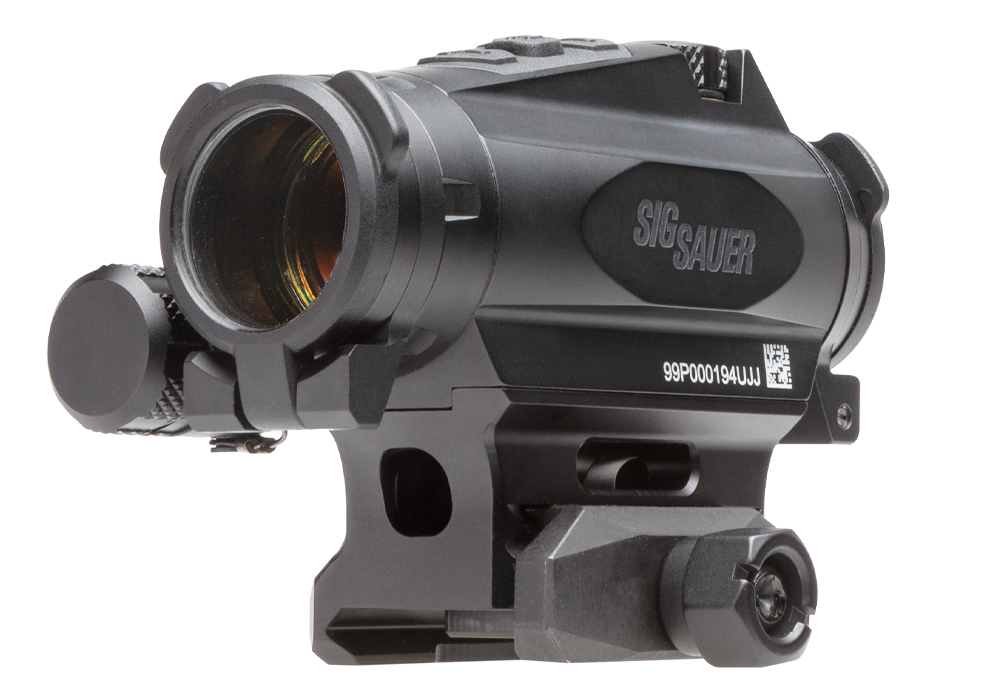
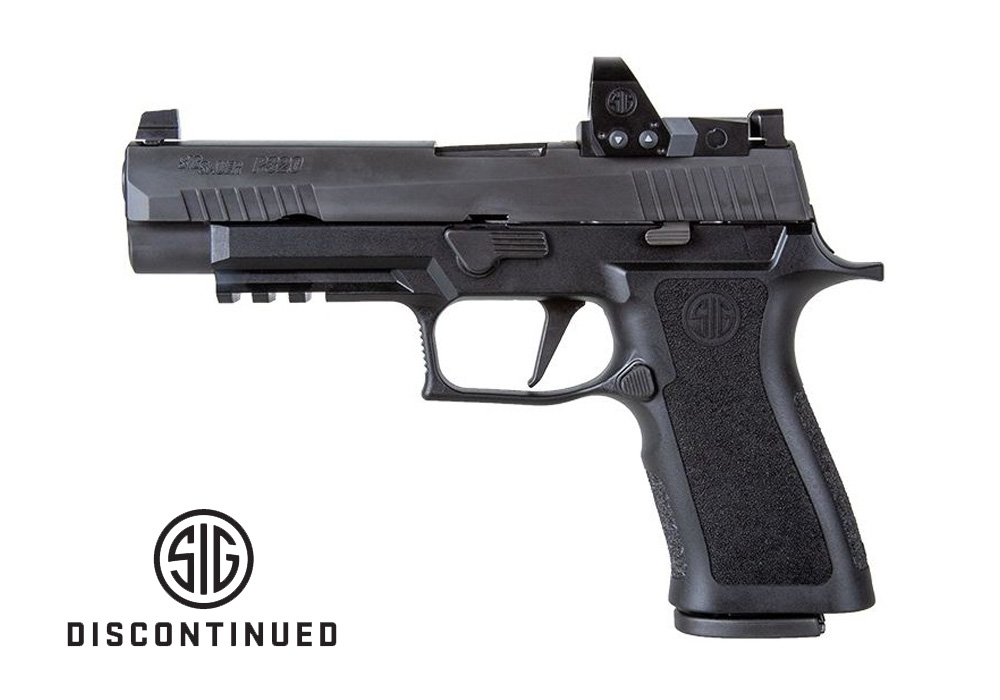
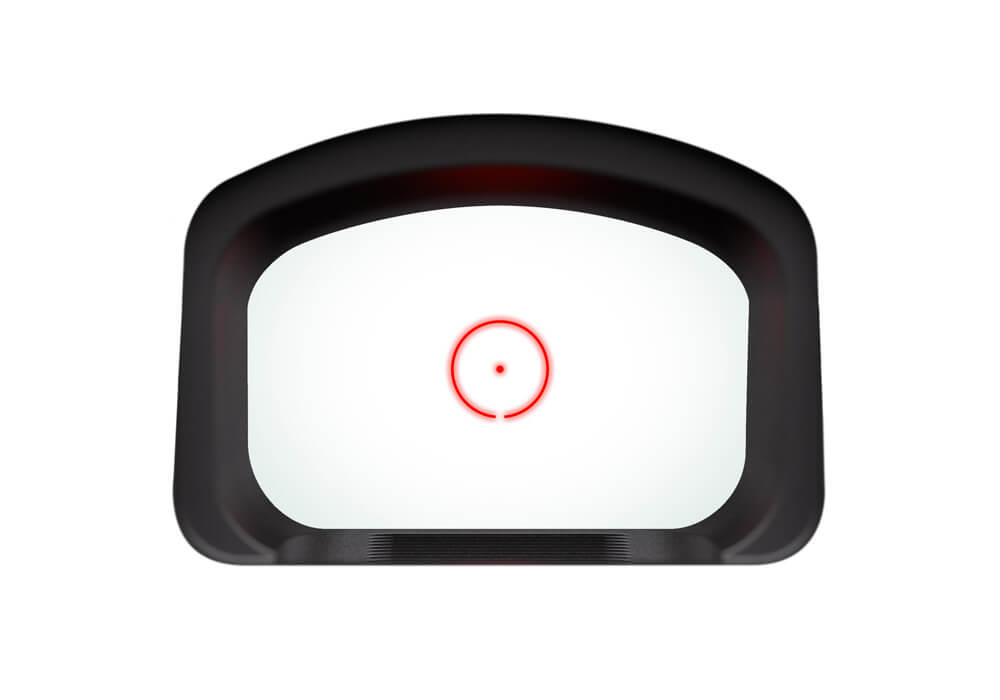
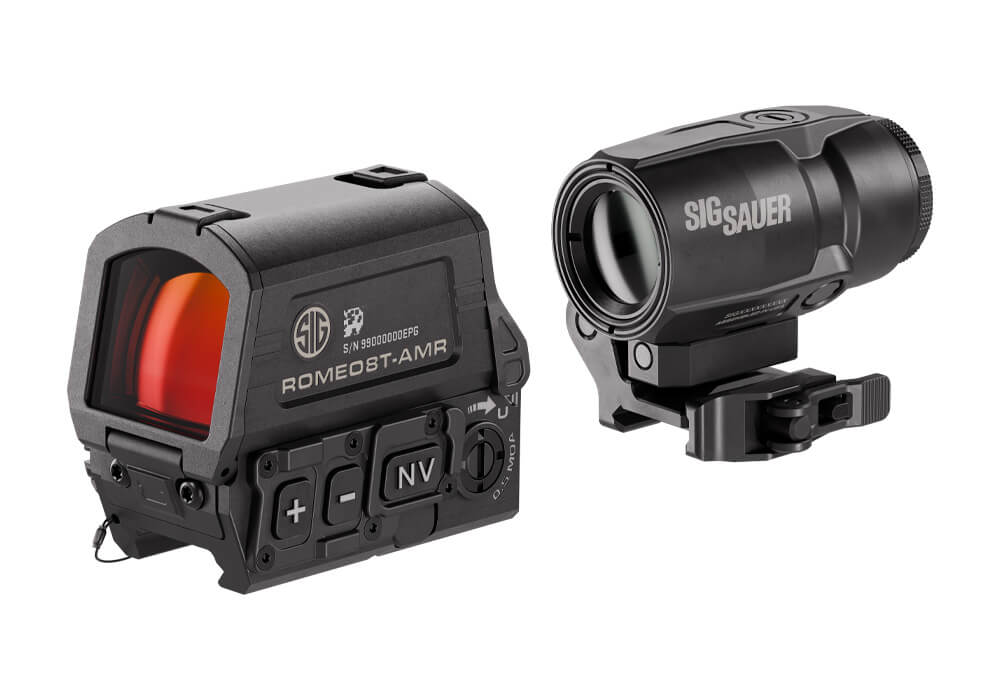
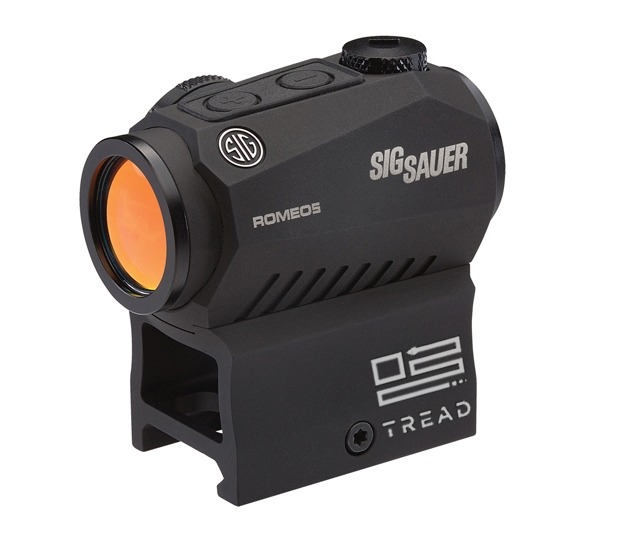
All weather red dot sights are built for shooters who need a dependable aiming reference when conditions are less than ideal. Unlike magnified optics, a red dot sight presents a clear illuminated aiming point without requiring the shooter to align a front sight, rear sight, and target along a narrow visual plane. That simple point-of-aim design can be especially useful on defensive firearms, sporting rifles, carbines, and handguns, where fast target acquisition and a broad field of view matter. For outdoor use, look for a sight with a sealed housing, protected adjustment controls, and construction designed to withstand recoil, impacts, dust, and repeated handling. O-ring seals help keep moisture and debris away from the emitter and electronic components, while nitrogen purging can reduce the chance of internal fogging when a firearm moves between a cool vehicle, a warm building, and damp outdoor air. An enclosed-emitter design offers additional protection because the LED projector and surrounding optical surfaces are shielded from rain, snow, mud, and fine grit. Open-reflex designs may still suit many range and field applications, but an enclosed sight can be a practical choice for users who expect changing weather or rougher conditions. When comparing models, consider the optic’s water-resistance rating, shock resistance, lens coatings, housing material, mounting footprint, and compatibility with the firearm and mount being used. A durable finish can help protect the exterior from scuffs and corrosion, while a clear, hard-coated lens can preserve contrast during bright daylight and overcast conditions. These details are easy to overlook when a sight is viewed under clean indoor lighting, yet they become meaningful when a lens is wet, a glove is covering the controls, or a sudden temperature change turns a clear morning into a foggy afternoon.
Brightness control is another important consideration for an all weather red dot sight. A daylight-bright setting helps the aiming point remain visible against sunlit fields, pale gravel, or reflective surfaces, while lower settings can prevent the dot from appearing harsh or obscuring a small target in shade. Shooters who train or work in low-light environments may also value night-vision-compatible settings, provided those settings match their equipment and intended use. Automatic brightness adjustment can be convenient as light changes across a trail or range, but manual controls give the user direct control when conditions are inconsistent or the dot needs to be tuned precisely. Battery access, battery life, and the placement of the brightness buttons deserve attention as well. A sight with a side-loading battery compartment can make replacement easier without removing the optic or disturbing the zero. Solar-assisted designs may extend runtime in suitable light, while efficient electronics and an automatic shutoff feature can help preserve the battery between sessions. Even with long projected battery life, keeping a spare battery with range or field gear remains a sensible habit. Zero retention is equally important: an optic should hold its point of aim after recoil, transport, and normal bumps, but the shooter should still confirm zero after installation, battery changes, a hard impact, or any adjustment to the mount. A properly torqued mounting system, a compatible footprint, and a repeatable sighting process all contribute to reliable performance. During the warmer seasons, these sights can accompany training days, camping trips, and outdoor competitions where dust and glare are common. During cooler months, sealed construction and anti-fogging protection become especially valuable when cold air, wet clothing, and rapid temperature shifts put more stress on equipment.
All weather red dot sights can be a practical selection for experienced shooters, first-time optic users, instructors, outdoor professionals, and anyone assembling a versatile firearm setup. They may also make a thoughtful gift for a responsible adult who already owns a compatible firearm and has expressed an interest in improving its aiming system, although the recipient’s mounting pattern and preferred reticle should be confirmed before purchase. A compact sight may complement a handgun or a lightweight carbine, while a larger enclosed optic can provide a more substantial viewing window and added protection for hard-use applications. Reticle color, dot size, brightness range, eye relief, window size, and overall weight should be matched to the firearm, shooting distance, and the user’s eyesight. A smaller dot can support precise aiming when visibility is good, while a larger dot may be easier to locate quickly in low light or under stress; some sights offer multiple reticle options for added flexibility. Users who spend time near water, in wooded terrain, or in dusty outdoor environments should give particular attention to sealing and lens protection, while range shooters may prioritize easy controls, a wide window, and a low profile. Those comparing red dot sights with magnified options can also review All Weather Scopes for products designed around different sighting needs. Whatever the application, responsible ownership includes following all applicable laws, using appropriate eye and ear protection, storing firearms securely, and practicing with the exact optic, mount, and ammunition combination intended for use. With the right fit and regular maintenance, an all weather red dot sight can provide a consistent aiming reference through bright sun, steady drizzle, windblown dust, and the cooler, damp conditions that often challenge outdoor equipment.