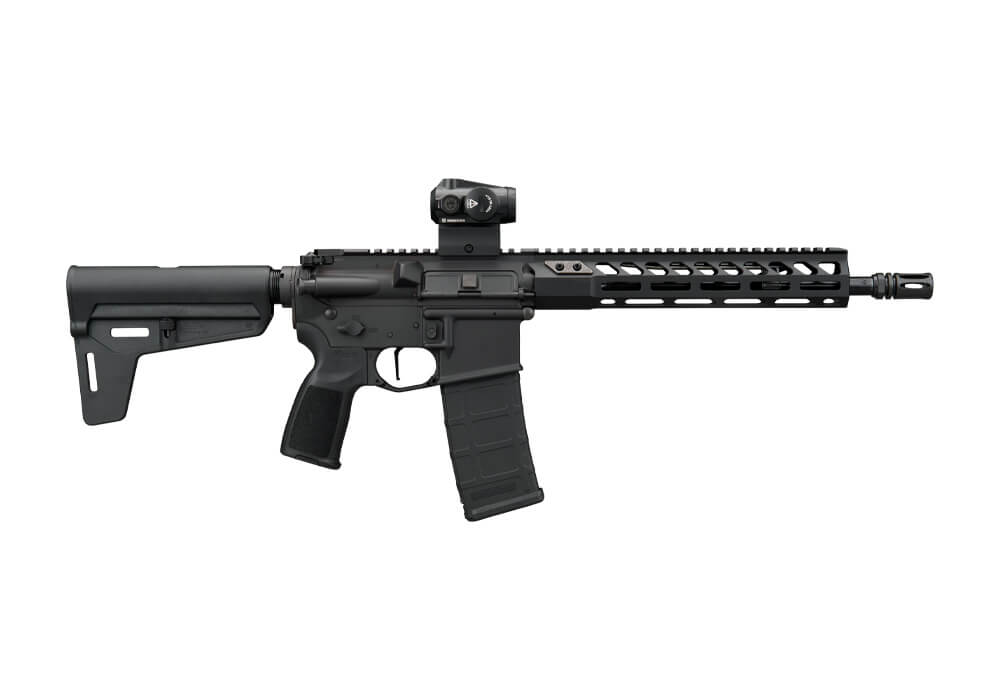
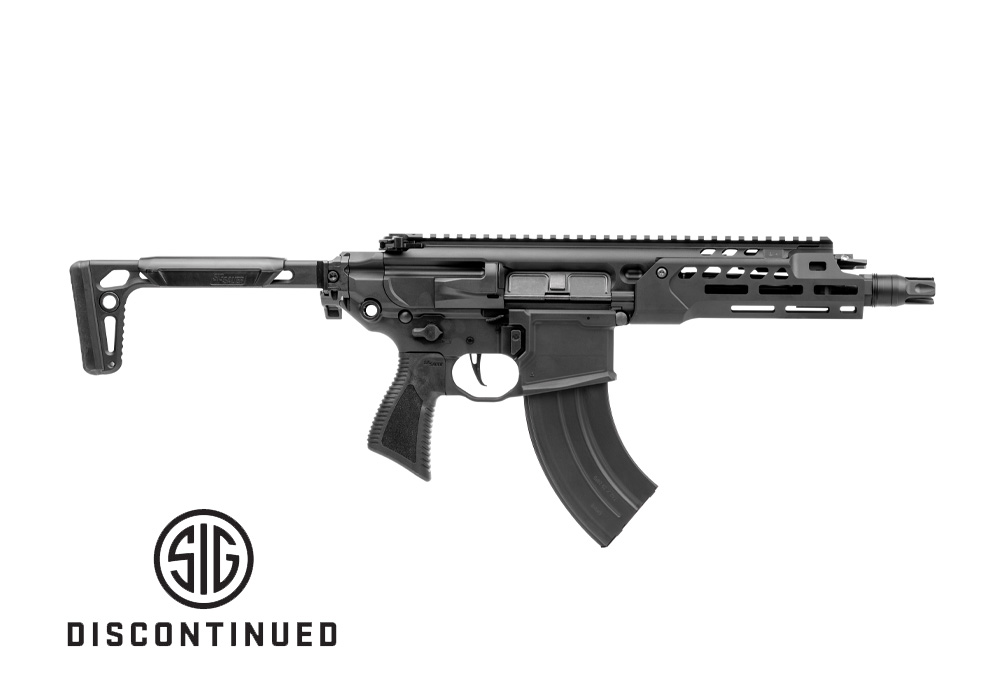
Ambidextrous charging handles for hunting rifles are designed to make an important rifle control easier to reach from either side of the receiver. On a compatible semi-automatic hunting platform, the handle can be pulled with the shooting hand or the support hand, which is especially useful when a rifle is shouldered in an awkward position, pressed against a tree, or held at an angle inside a blind. That flexibility can matter when a quick chamber check is needed, when clearing a stoppage, or when loading and making the rifle ready without shifting your grip more than necessary. Hunters who spend time in thick timber often appreciate this control because there may not be room to fully reposition the rifle, while those hunting from a rest or elevated blind may value the smoother movement around a large optic and other accessories. A well-designed handle can also provide a more positive purchase than a small factory control, helping the shooter operate the action with steady, deliberate movement rather than relying on fingertips. Before choosing an upgrade, confirm the exact rifle platform, upper receiver pattern, caliber family, and bolt carrier group compatibility. Hunting rifles that share a general AR-style layout are not always interchangeable, and a component intended for one receiver size may not fit another. The owner’s manual and manufacturer specifications should be treated as the final authority, and a qualified gunsmith can help verify fit when a rifle has been modified with aftermarket parts.
Optic clearance is one of the most practical reasons hunters consider an ambidextrous charging handle. A large scope bell, extended mount, or raised optic can make a standard latch difficult to reach and may force the hand into an uncomfortable angle. Set-back or low-profile latch designs can leave more room around the rear of the receiver, while extended or textured contact surfaces can make the handle easier to find without looking away from the rifle. The ideal balance depends on how the rifle is configured. A handle that is too short may be difficult to manipulate while wearing insulated gloves; one that is too large may catch on a sling, jacket, pack strap, or the interior of a rifle case. During the cooler months, gloves can reduce dexterity just when cold fingers and stiff materials make positive control most important. Look for a shape that gives the fingers a secure purchase without creating unnecessary bulk, and consider whether the handle’s edges are rounded, serrated, or otherwise shaped for reliable contact. Construction is another important consideration. Durable aluminum or similarly strong materials can keep weight reasonable while providing the rigidity needed for repeated use, and a smooth, properly finished interface can help the handle move without excessive drag. The charging handle should operate cleanly and return to position without binding, but it should not be used to force an improperly seated or damaged bolt. Routine inspection, appropriate lubrication, and adherence to the rifle manufacturer’s maintenance guidance help preserve dependable function throughout a season spent around dust, rain, leaves, and freezing temperatures.
Hunters who use a suppressor may also want to consider charging handles with features intended to redirect or reduce gas moving toward the shooter’s face. A suppressed semi-automatic rifle can send more gas back through the receiver area, and a gas-mitigation lip or similar design detail may help guide that flow away from the eyes and nose. These features do not eliminate gas, sound, recoil, or the need for appropriate eye and hearing protection, but they can contribute to a more comfortable shooting experience during sight-in sessions and field use. Fit remains more important than any single feature, so compare the handle’s dimensions with the scope, mount, receiver, and suppressor setup before purchasing. An ambidextrous model can also be a thoughtful gift for a hunter who has recently moved to a different rifle platform, added a magnified optic, begun shooting with a suppressor, or simply wants more flexibility in the field. It is particularly useful for left-handed shooters, members of a hunting group who share equipment, and anyone who practices shooting from both shoulders for use around cover or in changing terrain. Even experienced hunters benefit from choosing controls that suit their hands, gloves, sling arrangement, and normal shooting positions. Explore Hunting Rifle Charging Handles to compare options intended for compatible hunting rifle configurations, then verify the fit before installation and test the rifle in a safe, controlled setting. A few careful practice sessions can reveal whether the latch is easy to reach, clears the optic, works comfortably with gloves, and stays out of the way when the rifle is carried through brush or settled into a rest.