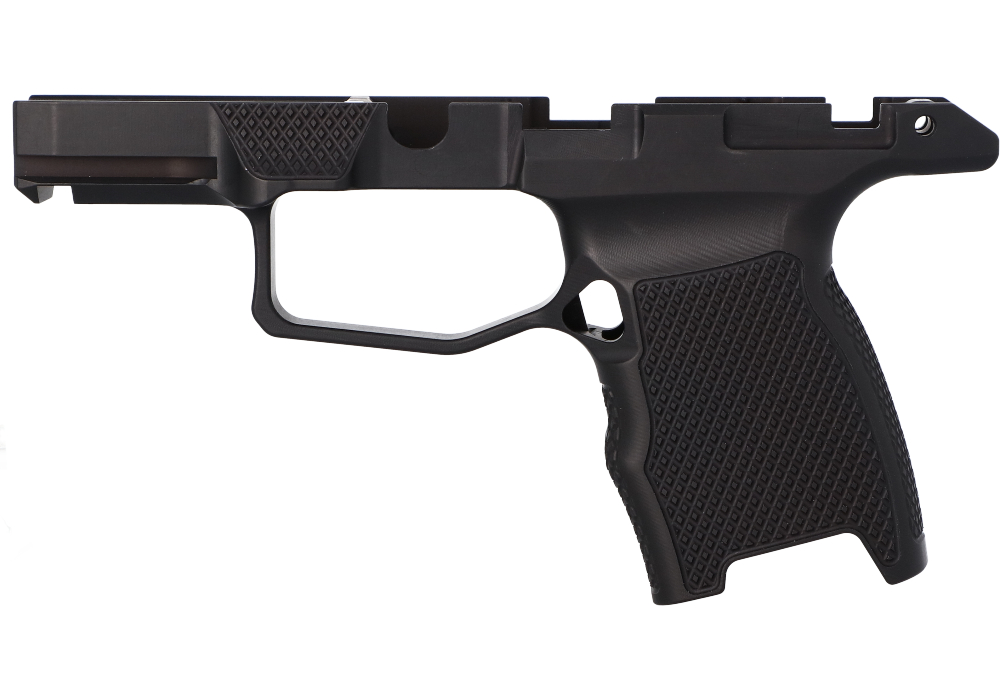
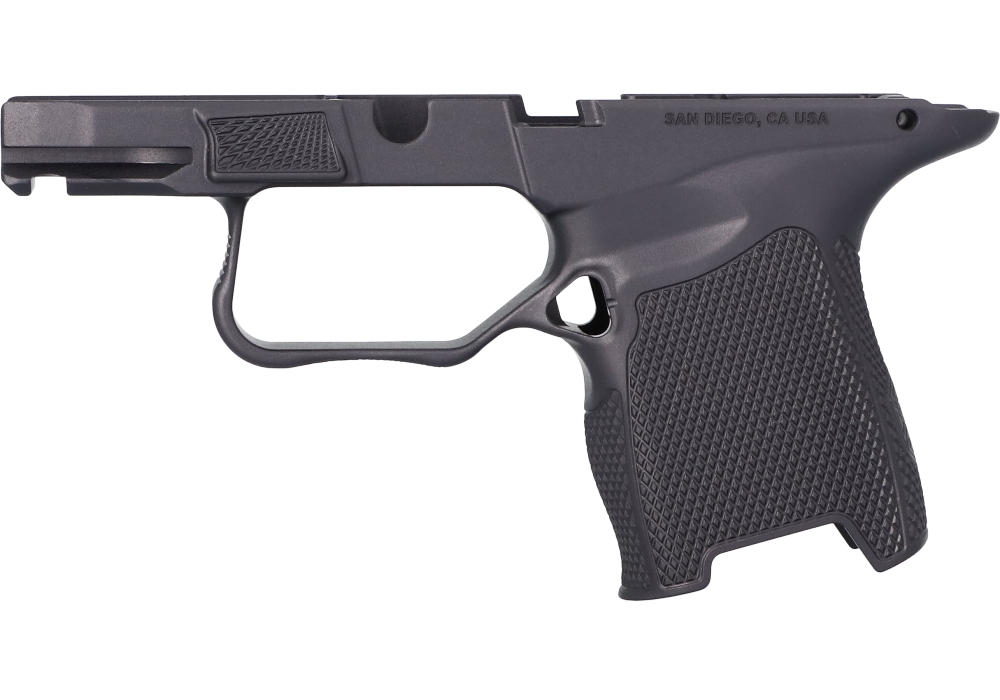
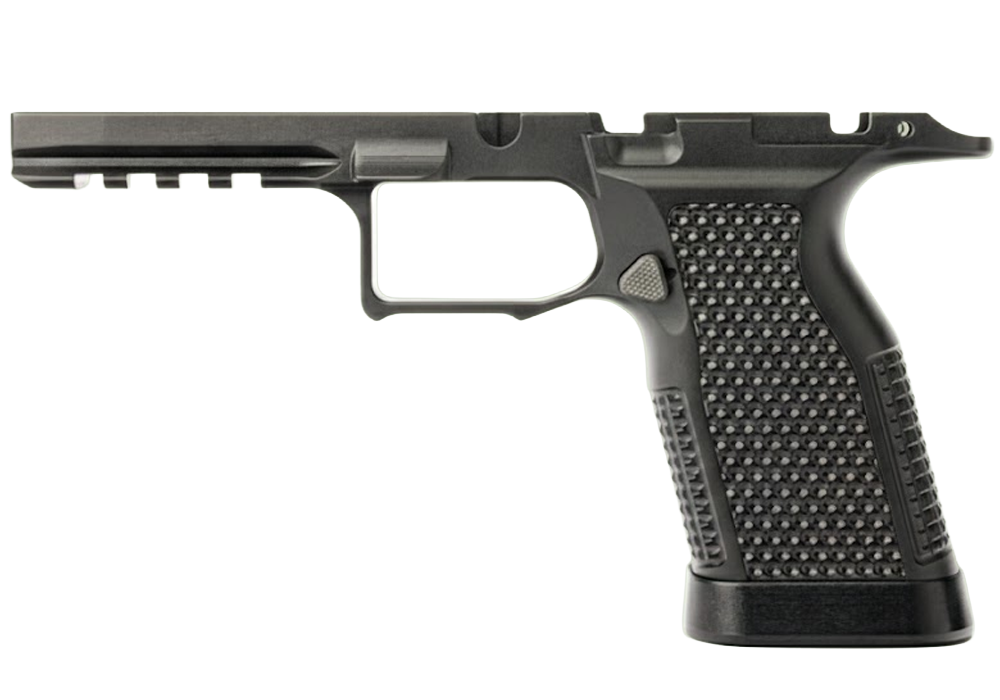
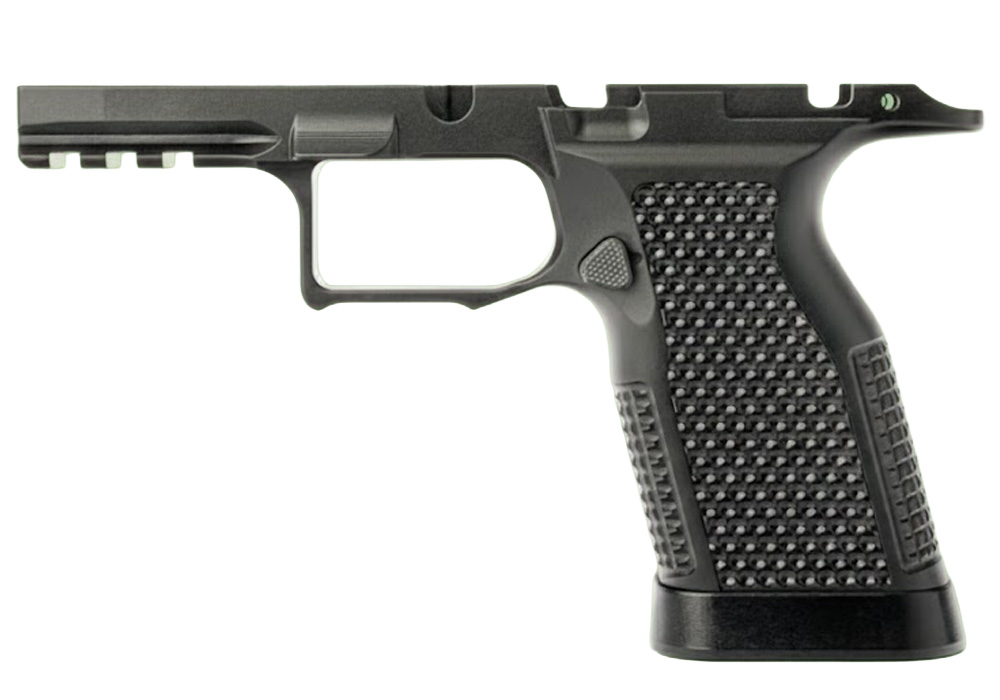
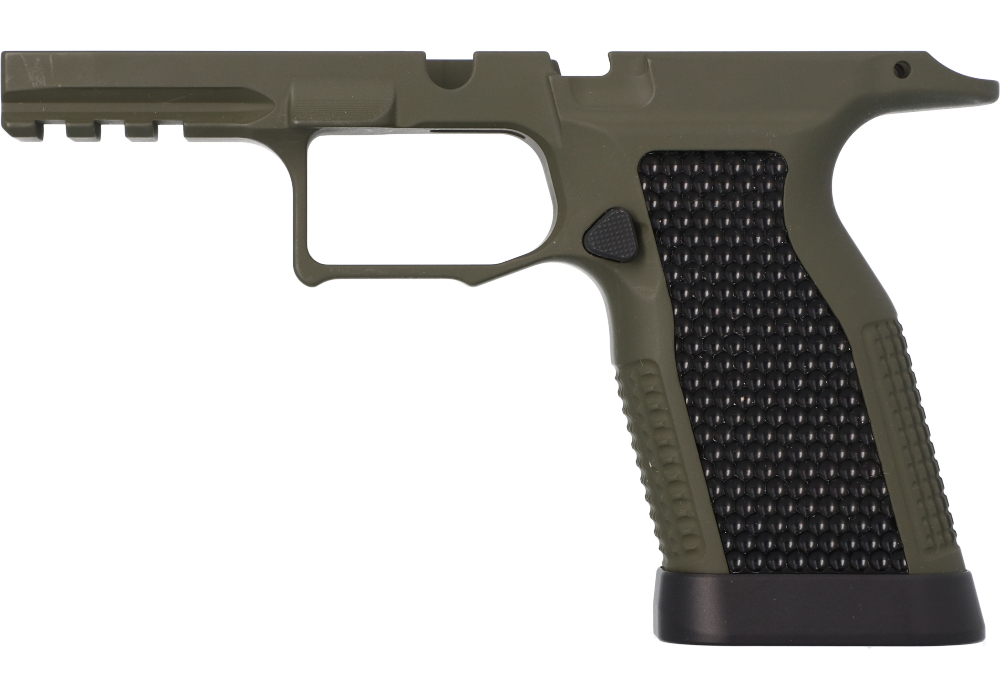
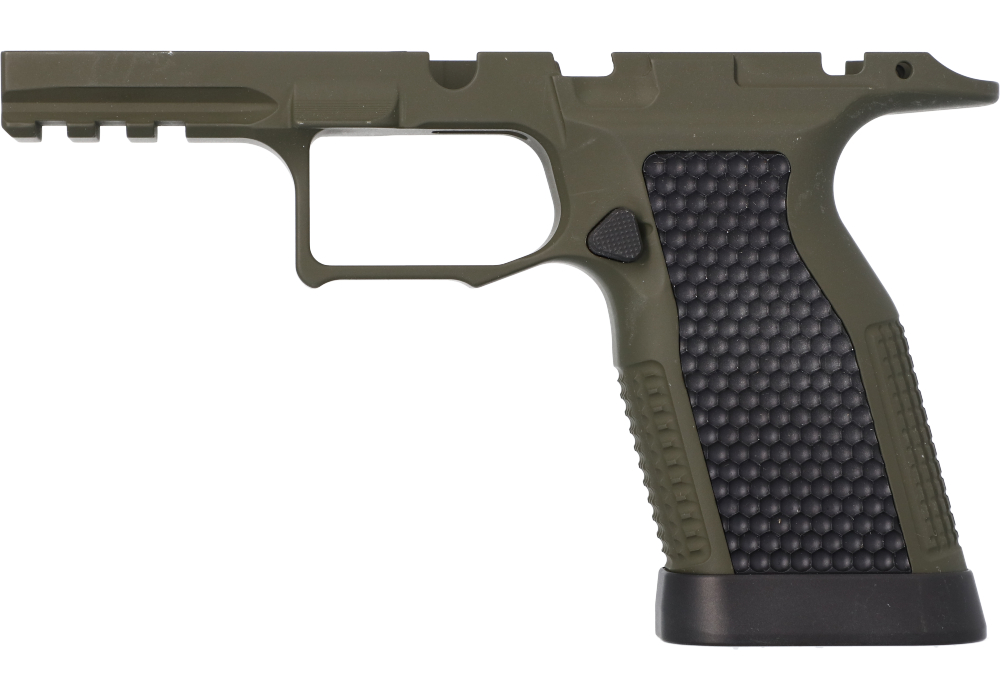
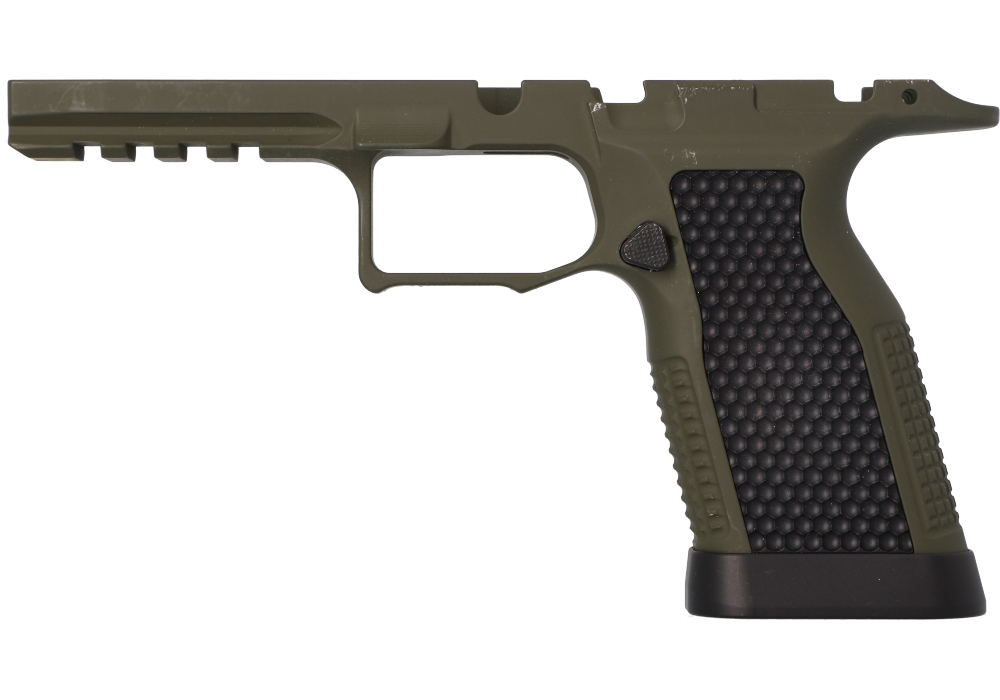
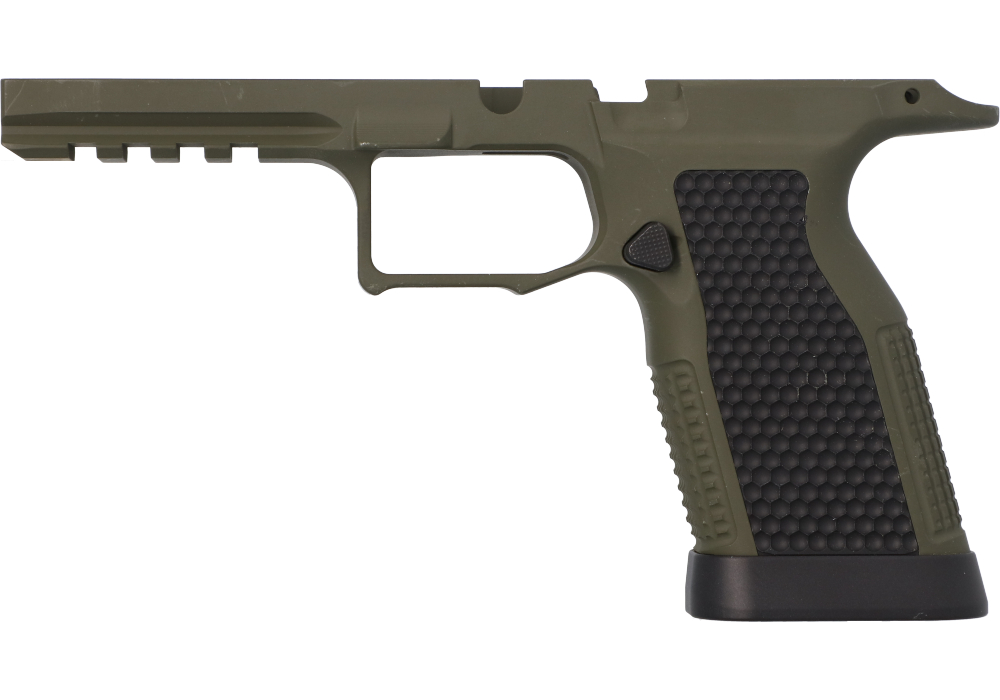
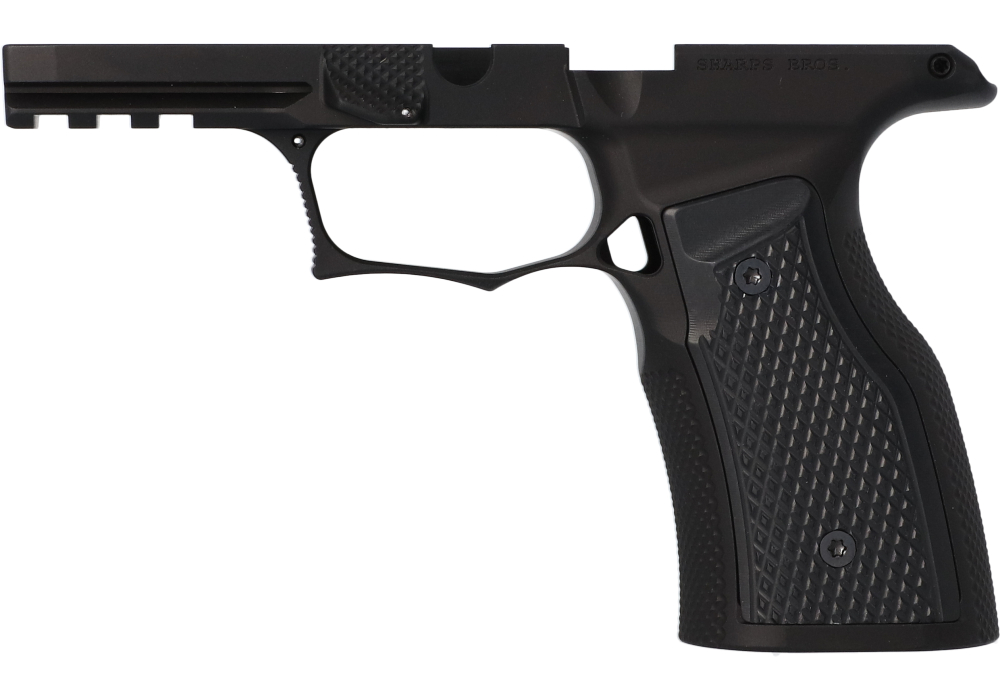
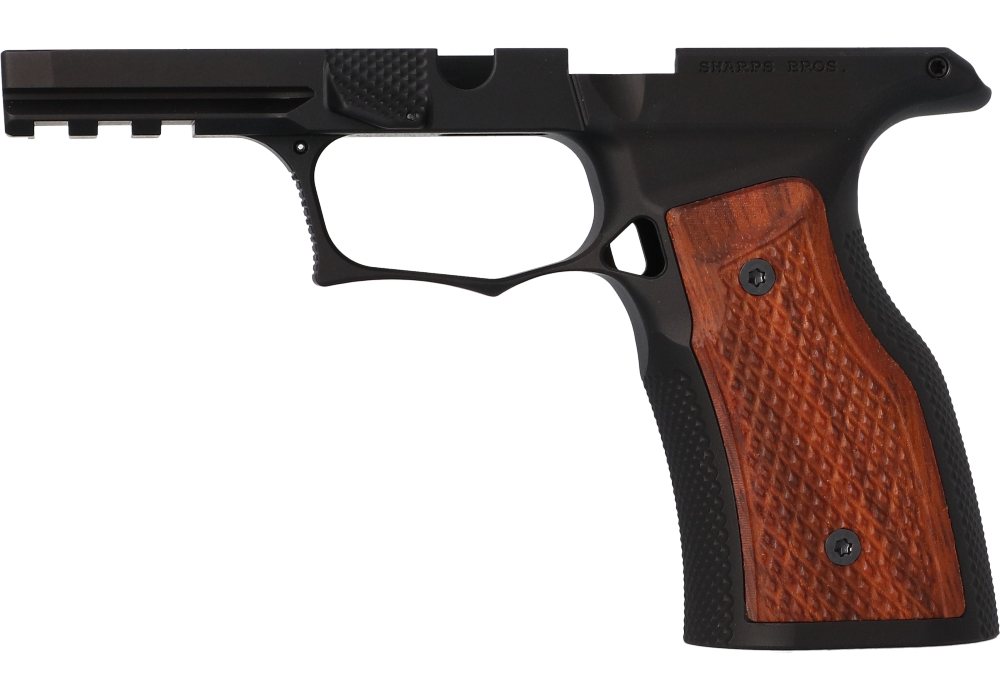
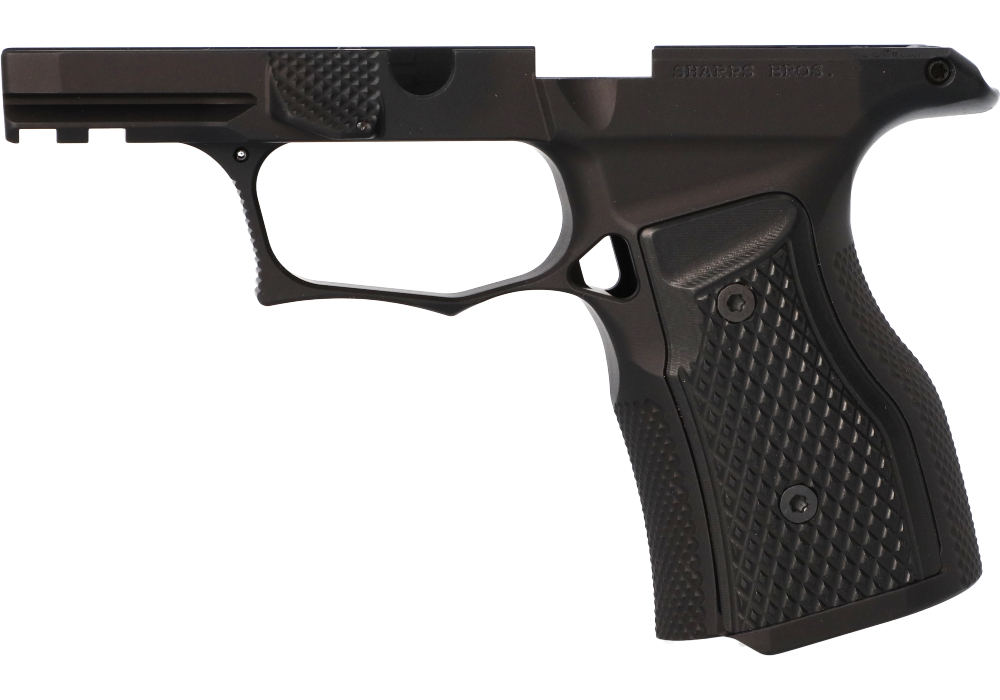
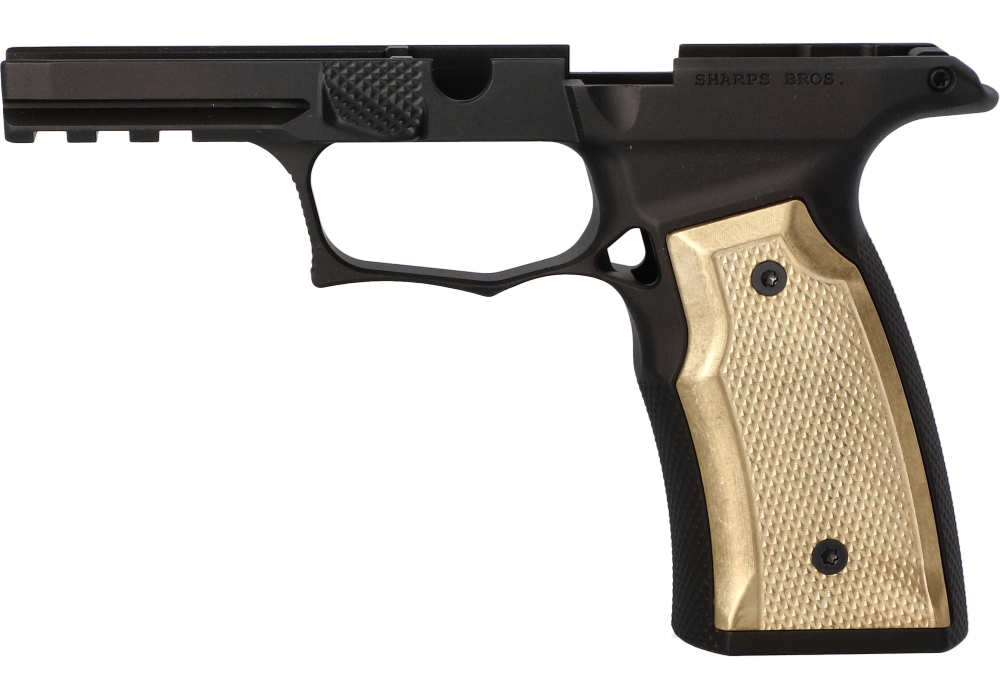
Ambidextrous grip modules are handgun frame components designed to accommodate left- and right-handed shooters through balanced grip geometry, accessible contact surfaces, and compatibility with the appropriate controls. On modular handgun platforms, a grip module forms the portion of the frame held by the shooter and may house a separate fire-control assembly. Its shape influences how the handgun sits in the palm, where the fingers rest, and how comfortably the shooter reaches the controls. An ambidextrous design generally avoids shaping the grip exclusively around one dominant hand, although the term does not mean that every control automatically operates from both sides. A reversible magazine release, for example, is different from a release accessible on either side without reconfiguration, and either arrangement depends on the handgun’s design and compatible components. That distinction matters when comparing modules for a left-handed shooter, a household with different hand preferences, or someone who practices with either hand under qualified supervision. Useful ergonomic details include consistent texturing on both sides, a comfortable transition beneath the trigger guard, and contours that support a secure hold without forcing the wrist into an awkward angle. Grip circumference and front-to-back dimensions deserve as much attention as the ambidextrous label. A broad palm can benefit from additional surface area, while shorter fingers may need a slimmer profile to reach the controls comfortably. Neither size is inherently better; the goal is a grip that supports the individual shooter and the intended handgun configuration. A pronounced thumb ledge can feel helpful in one hand yet intrusive in the other, so genuinely useful symmetry extends beyond appearance. The relationship between the backstrap, trigger reach, and control placement also affects comfort during repeated practice. For shoppers comparing ambidextrous grip modules, the most meaningful differences are the dimensions, surface treatment, control compatibility, and platform fit—not simply whether a frame looks the same from both sides. A suitable module should feel natural during ordinary handling rather than requiring the shooter to compensate for its shape.
Materials give ambidextrous grip modules distinctly different handling characteristics, even when their overall dimensions are similar. Polymer is commonly valued for its relatively low weight and the flexibility it gives designers to incorporate molded contours and texture. Aluminum offers a different balance of weight, rigidity, and surface feel, with machined details that can create clearly defined contact areas. Material alone does not establish quality or durability; design, construction, surface finish, and compatibility all contribute to long-term performance. For a handgun intended for regular carry, a lighter module may help keep the complete setup comfortable, while a heavier configuration may appeal to someone who prefers that feel during range practice or organized competition. Those preferences remain personal, and a change in frame weight can alter the handgun’s balance rather than simply improving it. Texture is equally important. Fine stippling can provide a consistent tactile surface without feeling overly abrasive, while more pronounced patterns may offer a firmer connection to the palm but create friction against clothing or skin. A shooter who spends extended periods practicing may notice pressure points that are not obvious during a brief handling session. Gloves introduce another variable: extra fabric can change how the hand settles around the grip and how easily the fingers reach the controls. Smooth transitions, rounded edges, and thoughtfully placed texture can therefore matter as much as the depth of the pattern itself. Shoppers interested in more closely defined contours and surface details can also explore Precision Grip Modules when comparing ergonomic approaches. Whatever the material, an attractive finish is only one part of the decision. The module should provide comfortable contact where the hand actually rests, leave compatible controls unobstructed, and suit the intended handling experience. A design that feels secure to a bare hand at the range may feel quite different against a cover garment or beneath a glove, making texture placement and edge treatment practical considerations rather than cosmetic extras.
Compatibility is the foundation of a successful grip module selection. Modules that resemble one another can still differ in the fire-control assemblies they accept, their slide and barrel fit requirements, their safety provisions, and the magazines they accommodate. An ambidextrous grip module should match the exact handgun platform and configuration specified by its manufacturer; visual similarity or a shared general size description is not enough. Grip length can affect magazine fit, and changes around the trigger guard, accessory rail, or frame contours can affect holster fit even when the upper assembly remains unchanged. A holster that fits the original frame should not be assumed to fit a replacement module, particularly if it depends on specific contours for retention. The same care applies to existing accessories and to any control components transferred between configurations. Where compatibility or installation requirements are unclear, support from the manufacturer or a qualified gunsmith is more useful than assumptions based on appearance. Routine care should follow the material and finish requirements for the module. Textured surfaces can collect lint, dust, and residue, while recesses around controls may need attention during normal maintenance. Manufacturer-approved cleaning methods help protect polymer surfaces, coatings, and finished metal, and harsh chemicals or abrasive tools can damage them. Regular inspection can reveal worn texture, cracks, unusual movement, or damage that warrants professional evaluation. Fit checks and maintenance should take place with an unloaded firearm in accordance with the manufacturer’s safety directions. For frequent range visitors, ambidextrous modules can offer a more comfortable interface that accommodates personal hand shape and control preferences. Left-handed owners may especially appreciate a design that treats their grip as a primary consideration rather than an afterthought. As a gift for an experienced handgun owner, a module is most appropriate when the recipient’s platform, configuration, and ergonomic preferences are already known. Across these uses, the strongest choice is one that combines confirmed compatibility, suitable materials, comfortable dimensions, and a balanced layout that works naturally for the intended shooter.