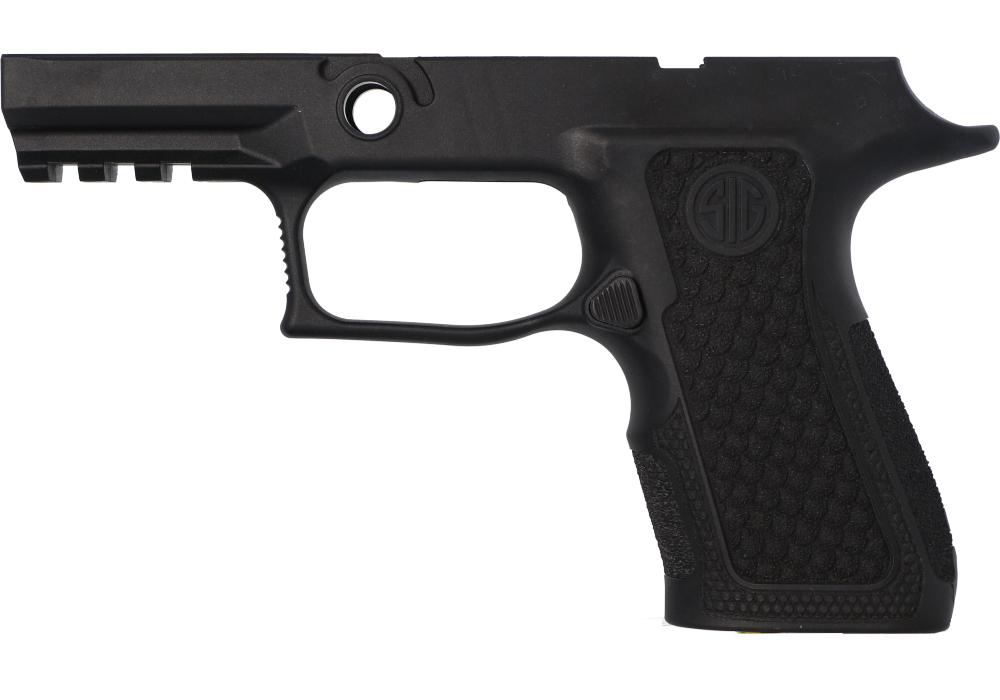
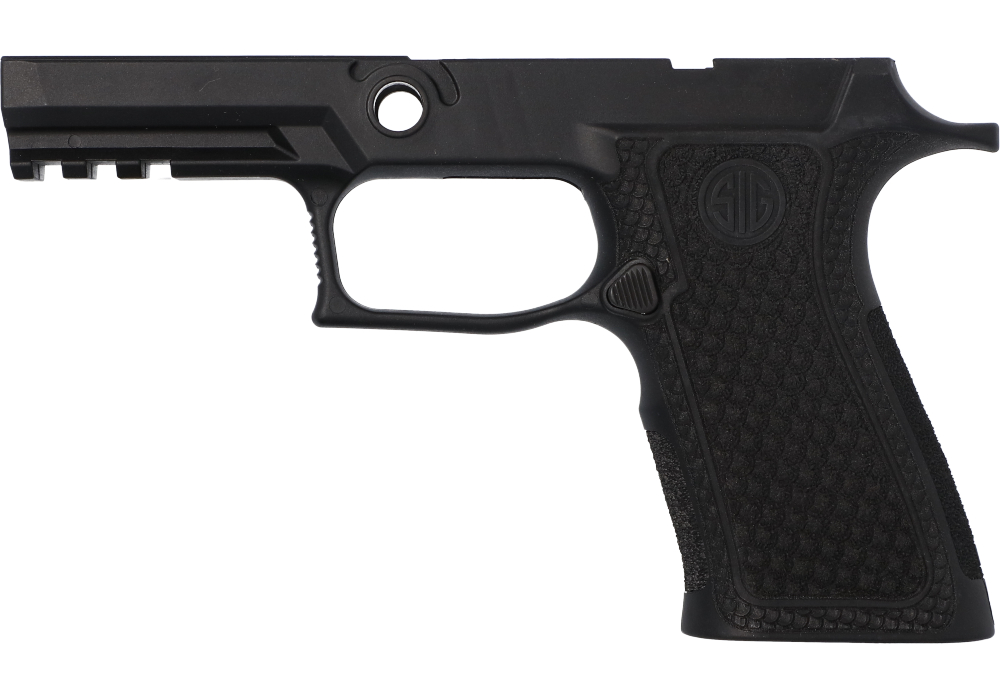
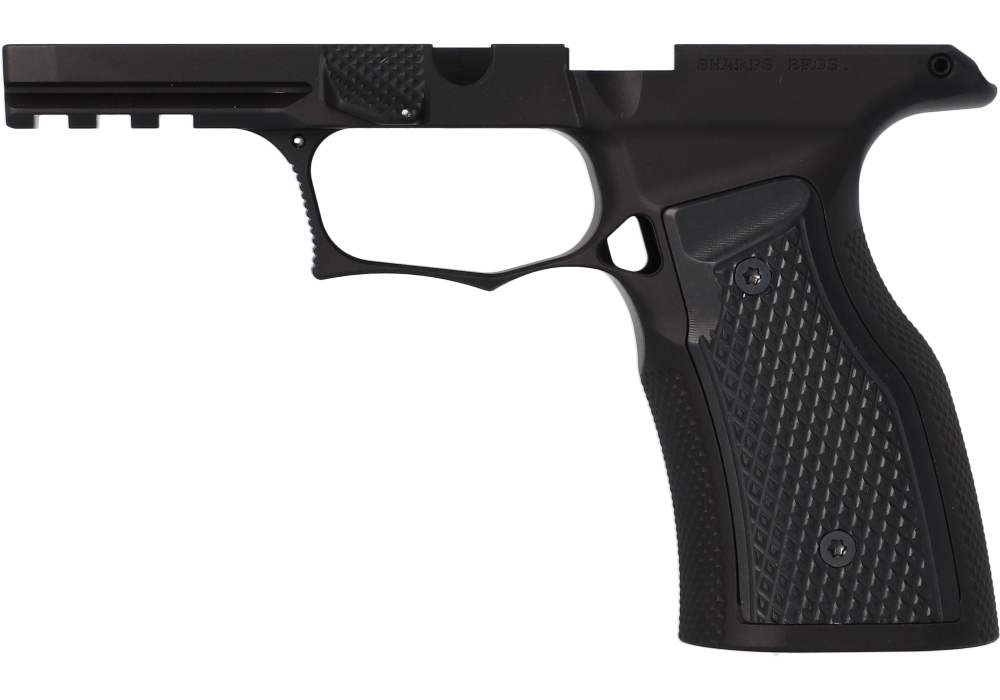
Enhanced Grip Modules provide a practical way to refine the fit, feel, and handling characteristics of a compatible modular handgun. Rather than replacing the complete firearm, a grip module typically serves as the frame that houses the grip area, trigger guard, magazine well, and accessory interface, while the serialized fire control unit transfers between compatible configurations. This modular design gives owners more flexibility when the original grip does not feel quite right in the hand. An upgraded module may offer a more natural grip angle, a fuller or slimmer palm swell, a deeper undercut beneath the trigger guard, an extended beavertail, or a carefully shaped backstrap that helps keep the handgun seated during recoil. Texturing is another important consideration. Fine stippling can provide comfortable control during extended practice, while a more pronounced pattern may help maintain traction when hands are damp, gloved, or perspiring during warm-weather range sessions. The best texture is not necessarily the most aggressive; it should provide a secure purchase without creating distracting hot spots against the palm or rubbing uncomfortably beneath a cover garment. Grip size matters just as much. A compact, reduced-profile module may suit smaller hands or concealed carry, while a fuller grip can give larger hands more surface area and help distribute recoil. Shooters who spend time practicing controlled pairs, transitions, or other fast follow-up shots may appreciate a design that lets the support hand wrap higher and more consistently around the frame. A pronounced beavertail can help protect the hand from slide movement, while a flared magwell can guide the magazine into place during reload practice. Integrated accessory rails may also accommodate compatible lights or lasers, provided the added equipment does not interfere with holster fit, carry comfort, or safe handling. These features are intended to improve consistency, not replace fundamentals. A well-fitted grip module should allow the trigger finger to reach the trigger naturally while remaining straight and indexed along the frame until the sights are on target and the shooter has made the decision to fire.
Compatibility should be the first checkpoint before selecting an Enhanced Grip Module. Modular handguns may vary by model family, slide size, caliber, fire control unit generation, magazine type, manual safety configuration, and frame dimensions. A module designed for one configuration may not accept another slide, magazine, or internal assembly, even when the names appear similar. Review the manufacturer’s compatibility information carefully and compare the module’s listed specifications with the components already owned. Pay particular attention to distinctions between compact, carry, and subcompact formats, as well as standard and extended capacity magazines, since the magazine well and grip length must work together. Color and finish are personal choices, but dimensions, controls, and holster compatibility should guide the decision. Polymer modules are generally lightweight and can be a comfortable choice for everyday carry, training, or a backup configuration. Aluminum or other metal-frame options add weight, which may help reduce perceived recoil and muzzle movement, though that additional weight can be noticeable on the belt and may require a different holster. Some designs include enlarged control cuts, integral magwells, or rail sections that change the outside profile of the handgun. Verify that the selected holster accommodates those features and retains the firearm securely. Installation is often designed to be straightforward for a compatible modular system, with the fire control unit transferred into the new frame, but “drop-in” should not be treated as a substitute for inspection. Follow the manufacturer’s instructions, work with the firearm completely unloaded, remove all ammunition from the work area, and confirm that the fire control unit, takedown components, slide, magazine catch, and other controls are seated and functioning as intended. If anything binds, fails to reset, or does not operate normally, stop and consult a qualified gunsmith or other trained professional. After installation, conduct a careful function check according to the applicable instructions and begin live-fire testing at a safe, lawful range with the correct ammunition. Confirm reliable feeding, slide operation, magazine insertion and removal, and consistent point of aim before relying on the new configuration for defensive use or duty.
An Enhanced Grip Module can be useful for a broad range of responsible handgun owners. A concealed carrier may choose a smoother, trimmer profile that reduces printing and remains comfortable during long hours seated in a vehicle or moving through daily routines. A recreational shooter may prioritize pronounced texturing, a supportive beavertail, or a flared magwell for a more confident range setup. Instructors and competitive shooters often value repeatable hand placement, because small changes in grip pressure or wrist position can affect sight tracking from one shot to the next. A family member or close friend who already owns a compatible modular handgun may also appreciate a grip module as a thoughtful gift, particularly when the buyer knows the recipient’s preferred size, configuration, and color. It is wise to confirm compatibility discreetly before giving one, since an attractive design is of limited use if it does not match the recipient’s fire control unit, slide, magazines, or holster system. During the warmer season, improved texture can make a noticeable difference when perspiration or lighter clothing affects grip security; as cooler months arrive, the same module should remain comfortable with the intended gloves and outerwear. Whatever the setting, fit should be evaluated with both hands, the usual shooting stance, and the equipment actually used for carry or practice. A good grip module should feel stable without forcing an awkward squeeze, place the trigger finger naturally, and support a consistent high grip while keeping all controls accessible. Shooters interested in left- or right-hand flexibility can also explore Ambidextrous Grip Modules, especially when shared range use or a preference for mirrored controls makes ambidextrous operation valuable. Store removed components and installation parts in a labeled, secure location, keep the completed firearm locked away from unauthorized access, and follow all applicable laws and safe-storage requirements. With careful selection, proper installation, and deliberate practice, an enhanced grip module can turn a familiar modular handgun into a configuration that feels more natural, more controllable, and better suited to the owner’s hands and intended use.