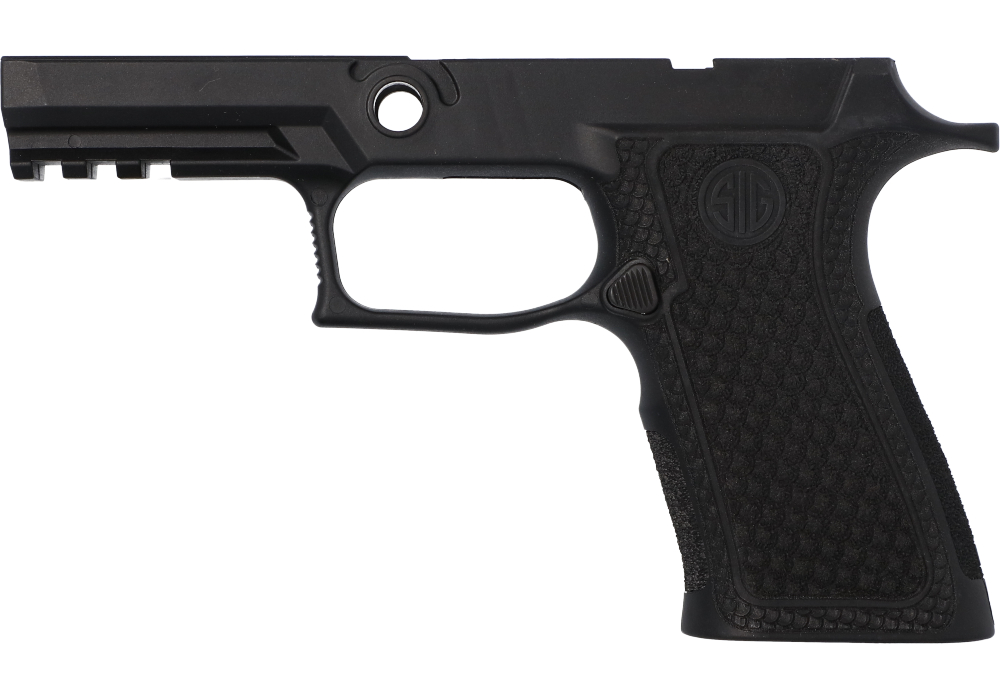
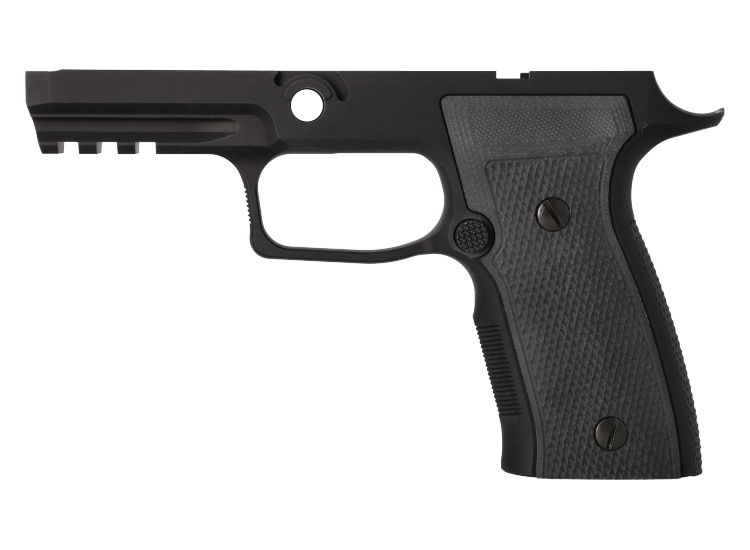
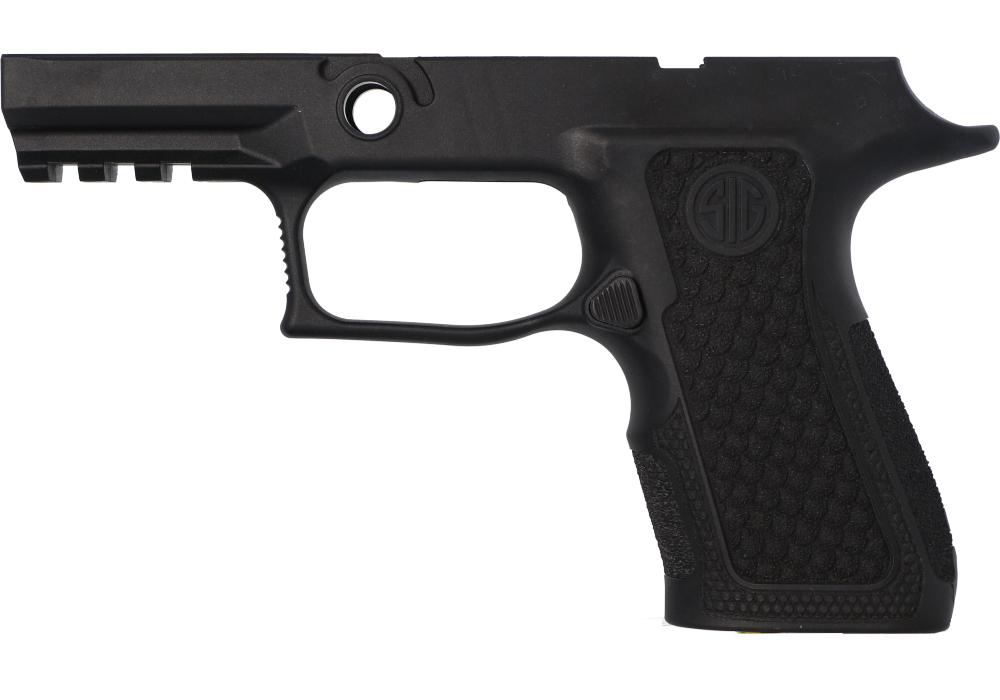
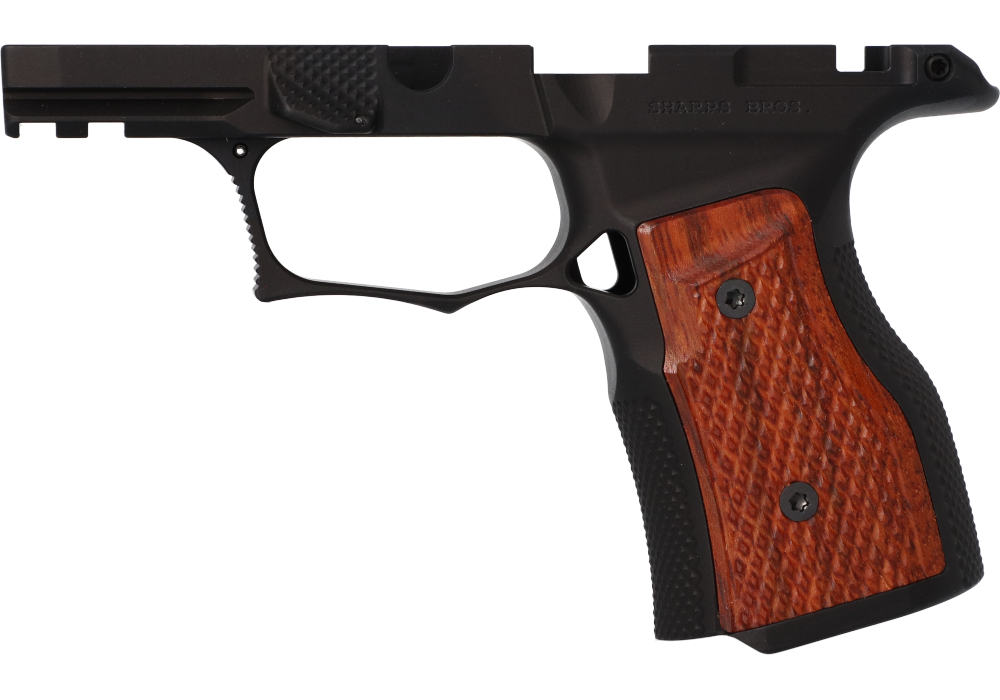
Custom grip modules give shooters a practical way to refine the feel, appearance, and handling of a compatible handgun without replacing the complete firearm. Built for modular pistol platforms that use a removable fire-control unit, these frames can change the way a handgun fits the hand, points toward the target, and stays aligned during a rapid string of fire. A grip module may feature a different palm swell, a slimmer or fuller profile, more pronounced texturing, an extended beavertail, an integrated magwell, or a shape designed to support a more natural thumb position. Some models are made from lightweight polymer for comfortable everyday carry, while others use aluminum or billet construction to add a solid, balanced feel. The right choice depends on the way the handgun is used, the shooter’s hand size, and the controls or accessories that must remain compatible. Before selecting a custom grip module, confirm the exact firearm model, generation, caliber configuration, fire-control unit compatibility, magazine release arrangement, manual safety cut, dust-cover dimensions, and accessory rail requirements. Small differences between versions can affect fit, function, and the ability to reuse existing magazines or holsters. A module that looks ideal in a product photograph may feel noticeably different once it is seated in the hand, which makes details such as circumference, trigger reach, backstrap shape, and texture especially important. Shooters with smaller hands may prefer a reduced circumference and smoother contact points, while those with larger hands often appreciate a fuller palm swell and an extended surface beneath the pinky. Texturing should provide a secure grip without creating hot spots during extended practice or catching on clothing during a draw. The products collected on this page are suited to shooters who want a more personal connection with a familiar handgun, whether the goal is a more confident grip at the range, improved control during practical training, or a distinctive finish that sets a favorite firearm apart.
Custom grip modules are also useful for tailoring a handgun to different roles. A concealed-carry setup may benefit from rounded edges, a moderate texture, and a profile that works with the shooter’s existing holster and clothing. A range or competition setup may favor a more substantial grip, an enlarged magwell, aggressive checkering, or an extended dust cover that helps maintain a stable two-handed hold. Shooters who spend time training outdoors during the warmer season may value texture that remains dependable when hands are damp, while those practicing during cooler months may prefer a surface that provides traction through gloves without feeling abrasive against bare skin. Aluminum and other rigid materials can add weight toward the center of the handgun, helping some shooters manage movement and settle the sights more quickly, while polymer remains a popular choice for its lighter overall feel and comfortable resilience. Finishes range from understated black and earth tones to laser-patterned surfaces, coated treatments, and carefully defined stippling that changes both the visual character and the tactile response of the grip. These details can make a custom grip module a thoughtful gift for a shooter who already owns a compatible modular handgun, particularly when the recipient has expressed interest in improving ergonomics or creating a dedicated training configuration. Gift buyers should avoid guessing at compatibility; the firearm’s exact model and configuration are more important than color or appearance, and a gift receipt or exchange option can be helpful. A grip module is not a substitute for proper instruction, safe handling, or a secure storage plan, and installation should be completed according to the manufacturer’s instructions. Although many modular frames are designed for straightforward installation because the serialized fire-control unit remains with the firearm, laws and requirements vary by jurisdiction, and anyone uncertain about assembly should consult a qualified gunsmith. After installation, inspect the frame, controls, magazine fit, and holster interface, then verify function with an unloaded firearm before live-fire use at an appropriate range.
Choosing among Custom Grips is ultimately about matching the module’s design to the shooter rather than selecting the most elaborate option. Consider how the grip feels with the middle finger positioned beneath the trigger guard, whether the trigger finger reaches the trigger naturally, and whether the support hand has enough surface area to contribute without crowding the controls. An ambidextrous layout can be valuable for left-handed shooters, shared training environments, or anyone who practices shooting from either side. A pronounced beavertail may help protect the hand and encourage a higher hold, while carefully shaped contours can reduce fatigue during a long practice session. Check the location of the magazine release and confirm that the chosen texture does not interfere with a clean release or create difficulty when inserting a magazine. If an extended magwell is included, make sure it does not conflict with the intended magazine baseplates, carry equipment, or the shooter’s preferred reload technique. Holster compatibility deserves equal attention, since changes to the frame’s rail, dust cover, trigger-guard profile, or overall dimensions may require a different holster. It is also wise to keep the original grip module in a labeled, secure place so the handgun can be returned to its previous configuration if needs change. Many shooters discover that a subtle alteration—a slightly narrower palm, a more supportive beavertail, or a texture that locks the hand in place—can make practice feel more consistent and reduce the need to adjust the grip between shots. During the cooler months, a carefully chosen module can complement a dedicated training or range setup, while as the weather warms, a lighter frame and comfortable texture may be appealing for regular practice and outdoor use. Browse the recommended options with attention to verified specifications, fitment details, material, finish, and intended application, and select a custom grip module that supports safe, repeatable handling with the compatible firearm.