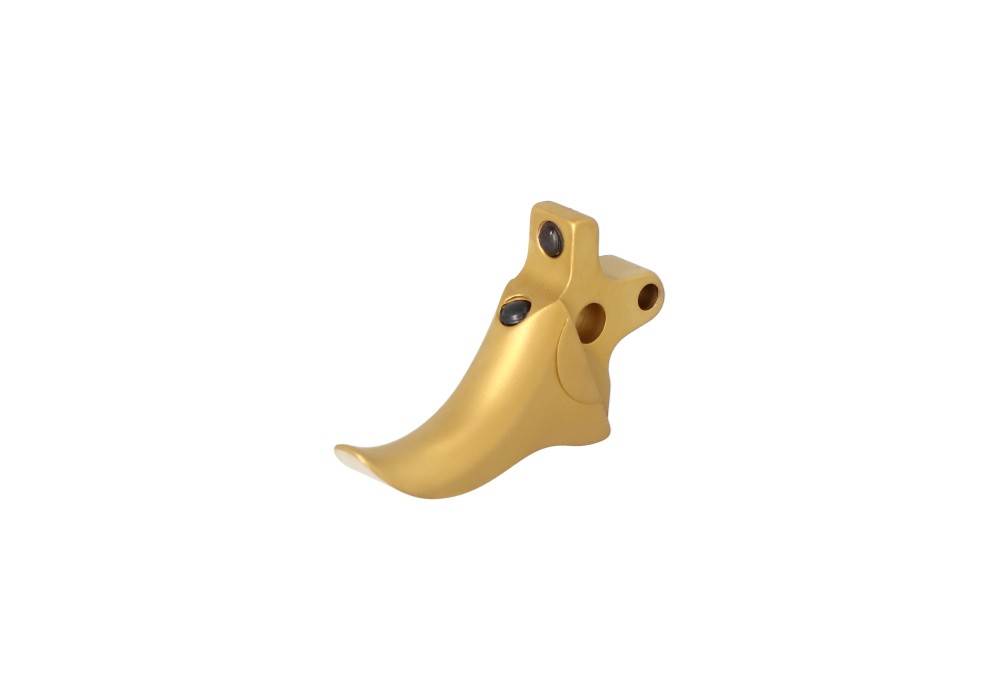
Autumn firearm trigger kits for the P226 bring attention to a part of the pistol that shapes how each practice session feels: the trigger system. A trigger kit is a set of replacement components intended to change a defined aspect of trigger operation, such as reset travel, trigger reach, or the feel of the pull. The most useful distinction is between a shorter reset and a lighter pull. Reset is the forward movement needed for the trigger mechanism to prepare for another shot; pull weight is the force required to move the trigger through its firing stroke. A kit that changes one does not necessarily change the other. That difference matters to owners comparing components for target practice, organized competition, or the upkeep of a familiar training pistol. For a double-action/single-action P226, the first pull and subsequent pulls have different characteristics, so a component’s purpose should be understood in relation to both modes. Single-action-only configurations require their own compatibility checks rather than assumptions based on the model name alone. Trigger shape can also affect the contact point under the finger and the perceived reach, but comfort depends on hand size, grip, and the existing configuration. An experienced range regular might value a familiar feel across repeated drills, while a competition participant may look for components permitted under the applicable rules. Autumn range outings give these considerations a practical setting: a jacket sleeve near the wrist, dry hands against the grip, and deliberate practice on a covered firing line. Gloves can change how a trigger feels, making adequate clearance and safe handling more important than a preferred profile alone. No replacement component takes the place of sound handling habits or supervised instruction. A clearly defined need and verified compatibility are more useful starting points than the expectation that one trigger arrangement will suit every shooter or every use.
Materials, manufacturing tolerances, and the relationship between individual parts all influence the suitability of a P226 trigger kit. Depending on the design, a kit may contain steel engagement components, springs, a replacement trigger, or a combination of parts intended to work together. Steel composition and heat treatment can influence resistance to wear, while surface finish can affect corrosion resistance and the interaction between contacting surfaces. A coating or polished appearance, however, is not proof of correct fit or dependable function. The important details are the kit’s stated purpose, its supported configurations, and any requirements associated with the pistol’s existing components. Model family alone is not enough to establish compatibility; operating system, production variations, and previous alterations may all affect the answer. Likewise, a trigger shoe, a reset-focused kit, and a spring set serve different purposes even when their descriptions use similar language about feel. Component lists deserve close attention because a kit may address only one part of the mechanism rather than every element involved in trigger operation. Durability is especially relevant for owners who practice regularly and expect consistent behavior over repeated sessions. Reliable spring function, suitable wear resistance, and correct engagement matter more than a dramatic change in perceived lightness. A softer pull should never be treated as an automatic improvement for every application, particularly when the pistol has a role beyond recreational target shooting. Competition rules, organizational requirements, and the manufacturer’s guidance may narrow the appropriate choices. Professional installation and inspection by a qualified gunsmith help establish whether the selected components are appropriate for the individual firearm and whether its safety functions remain intact. Kits should not be assumed to require no fitting simply because their packaging presents them as replacement parts. For the shopper, the strongest comparison is between documented fit, intended use, and the scope of the kit—not between isolated claims about speed or smoothness.
Care and storage are part of the long-term value of trigger components, particularly when autumn practice involves damp range benches, wet outerwear, or travel between outdoor shooting areas and indoor storage. Moisture and debris can reach a firearm even when the trigger mechanism is largely enclosed, and the condition of the complete pistol matters as much as the condition of a newly installed part. Cleaning and lubrication should follow the firearm and component manufacturers’ recommendations, with attention to products and methods appropriate for the materials involved. Excess lubricant is not a substitute for maintenance, and an external wipe alone does not establish that an internal mechanism is clean or functioning correctly. Changes in trigger feel, unreliable operation, or unexpected behavior warrant professional evaluation rather than continued use. Secure storage, separate from ammunition and protected from unauthorized access, remains essential whether components are installed or waiting for professional service. Owners planning a broader autumn maintenance refresh can also explore Autumn Firearm Recoil Spring Assemblies for a related category of replacement components with its own fit and service considerations. Recoil springs and trigger components serve different functions, so each deserves an independent compatibility check rather than selection as a presumed matching set. Trigger kits can also be thoughtful gifts for knowledgeable adult firearm owners when the recipient’s exact configuration and preferences are already known. A familiar model name is not sufficient for choosing a technical component, and a gift should never create pressure to install parts that do not suit the firearm or its intended role. For someone who enjoys careful equipment selection, the appeal is often less about a dramatic transformation and more about addressing a specific preference in a well-understood pistol. Whether the goal is a different trigger profile, a shorter reset, or replacement of worn components, thoughtful selection keeps attention on dependable function, appropriate fit, and the shooting experience the owner actually wants.