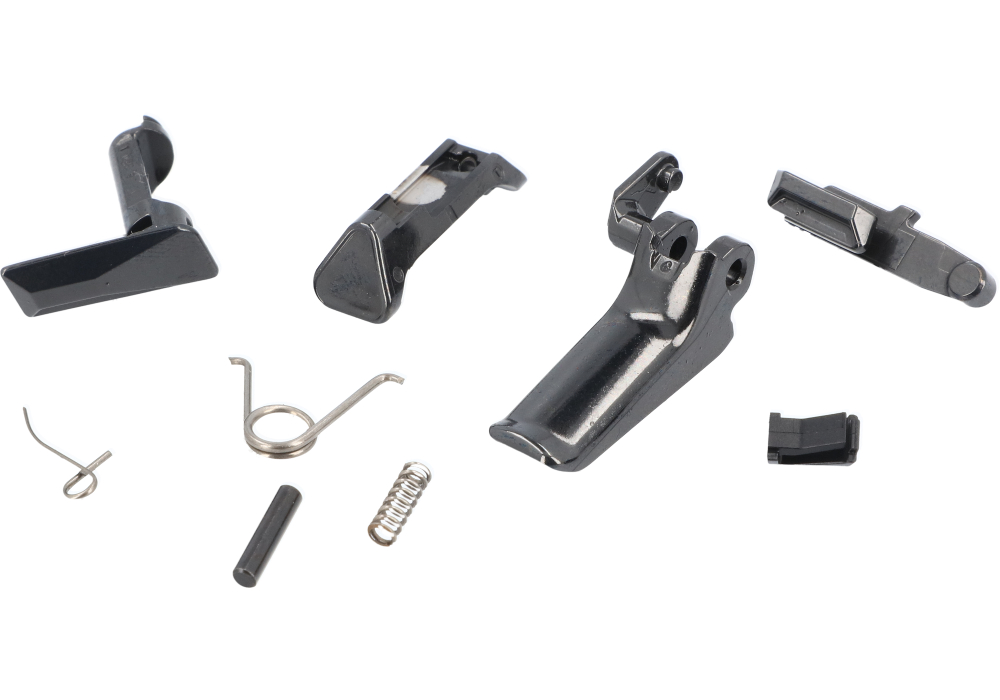
Autumn handgun parts replacements bring routine maintenance into focus for owners whose firearms see regular range practice, outdoor training, or extended periods in a storage case. Replacement components help address documented wear while preserving the fit and function intended for a particular handgun. Recoil springs, extractors, firing pins, and magazine springs and followers are among the components that may warrant attention over the service life of a firearm, though replacement needs depend on the model, use history, inspection findings, and manufacturer recommendations—not the season alone. A handgun used for frequent practice has a different maintenance history from one brought out for an occasional range visit, and round-count records can provide useful context when evaluating spring service intervals. Autumn also brings practical concerns that extend into winter: damp range bags, wet sleeves brushing against metal surfaces, and condensation when equipment moves between cold outdoor air and a heated room. These conditions make corrosion resistance, proper care, and suitable lubrication relevant considerations, but they do not mean every component requires seasonal replacement. The value of replacement parts lies in matching a genuine maintenance need with the correct component rather than treating a calendar change as a reason to alter a functioning firearm. For recreational shooters, training participants, and owners maintaining a handgun for lawful personal protection, the emphasis is on dependable operation and consistent upkeep. A familiar firearm that has accompanied years of practice deserves the same attention to small internal components as its more visible exterior surfaces. Signs of damage, unusual wear, or recurring operation problems belong in an evaluation by a qualified gunsmith or armorer, especially when their cause is unclear. Replacement parts are not a substitute for diagnosis: ammunition, magazine condition, cleanliness, lubrication, and other factors can influence function. Viewed in that context, autumn handgun replacement parts support a measured maintenance approach, with compatibility and condition taking priority over cosmetic changes or assumptions about what cold weather might require.
Fit is the central consideration when comparing handgun replacement components. Similar-looking parts can differ in dimensions, spring specifications, attachment features, or compatibility with particular model generations and configurations. A shared model family name does not always establish that an internal component is interchangeable, and compatibility information should account for the firearm’s exact configuration. Factory specifications and the owner’s manual provide a more reliable basis for selection than appearance alone. Recoil spring assemblies illustrate why these distinctions matter: they work with the handgun’s operating system, and the correct specification depends on the design rather than a general preference for a stronger or lighter spring. The Autumn Firearm Recoil Spring Assemblies page offers a related category for owners considering this area of routine maintenance. Other internal components demand the same attention to fit, especially where small differences affect engagement or movement. Materials also serve different purposes within a handgun. Steel components may use heat treatment or protective surface finishes appropriate to their mechanical role, while polymer followers can combine low weight with shapes designed for a particular magazine body. Neither material is automatically the better choice in every application; dimensions, surface condition, and adherence to the original design remain important. Durability reflects the complete part, including its geometry, finish, and intended working environment, rather than a single material description. Corrosion-resistant finishes can help protect exposed surfaces, but they do not eliminate the need for cleaning or appropriate storage. Magazine springs and followers likewise deserve evaluation as part of the complete magazine, since a replacement component cannot correct every issue associated with a damaged body or worn interface. For an owner preparing equipment for an outdoor practice session, the practical goal is a compatible replacement that restores the intended condition without introducing uncertainty. Internal wear is not always visible from a casual glance, and a professional assessment is particularly valuable when a component’s condition or service history is unknown.
Care and handling complete the picture for seasonal replacement parts. A firearm returned from a misty range session may look dry on the outside while moisture remains around seams, inside its case, or on accessories stored beside it. Clean, dry storage and care consistent with the manufacturer’s instructions help protect both existing components and newly installed replacements. Lubricant suitability also matters in cold conditions, because temperature can affect how a lubricant behaves; the firearm manufacturer’s guidance should determine the appropriate product and application rather than the assumption that more lubricant provides more protection. Excess residue can attract debris, while unsuitable cleaning chemicals may affect finishes or nonmetal components. Parts waiting for installation benefit from protection against moisture, dirt, and impact, with their identifying information kept alongside them so that compatibility remains clear. Any inspection, cleaning, or maintenance should begin with the firearm unloaded and ammunition kept separate from the work area, following the safety procedures in the owner’s manual. Work involving internal components, uncertain fit, or unresolved function concerns is best handled by a qualified professional, with appropriate inspection and verification before the handgun returns to use. These considerations apply equally to the experienced range regular maintaining a well-documented firearm and the newer owner learning how routine care supports long-term reliability. Replacement parts can also be a practical gift for a knowledgeable handgun owner, but exact compatibility makes them less suitable as an uninformed surprise. Confirmed model details and the recipient’s established maintenance needs matter far more than a general interest in shooting. Across autumn outings and winter storage, a thoughtful selection centers on serviceable materials, correct fit, clear care requirements, and the firearm’s intended use. That approach keeps seasonal maintenance grounded in the condition of the equipment, whether it travels in a range bag every weekend or spends longer stretches secured between practice sessions.