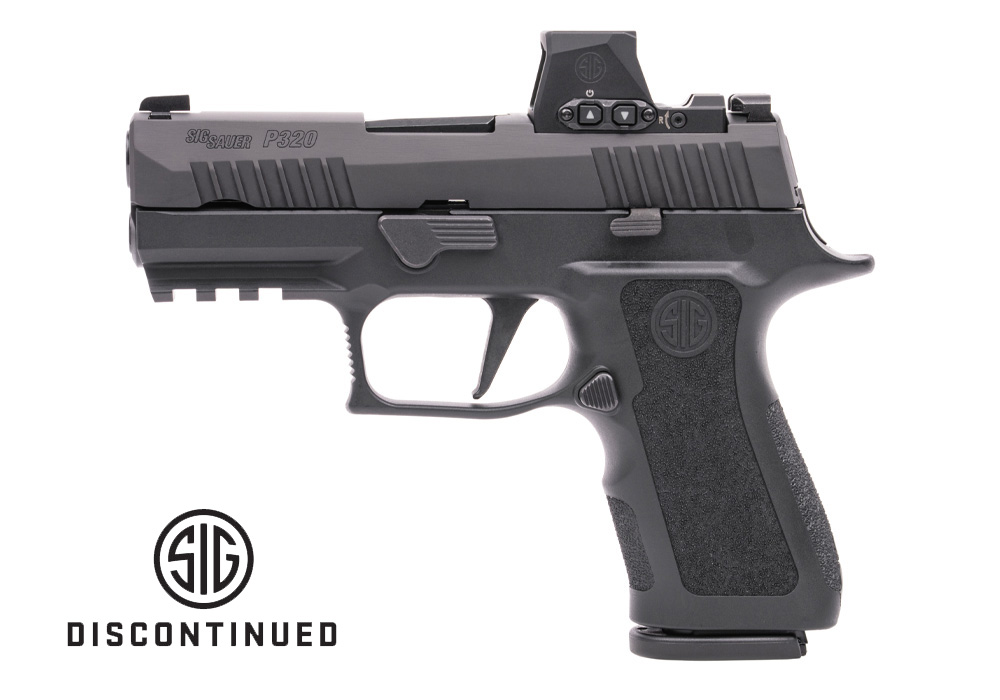
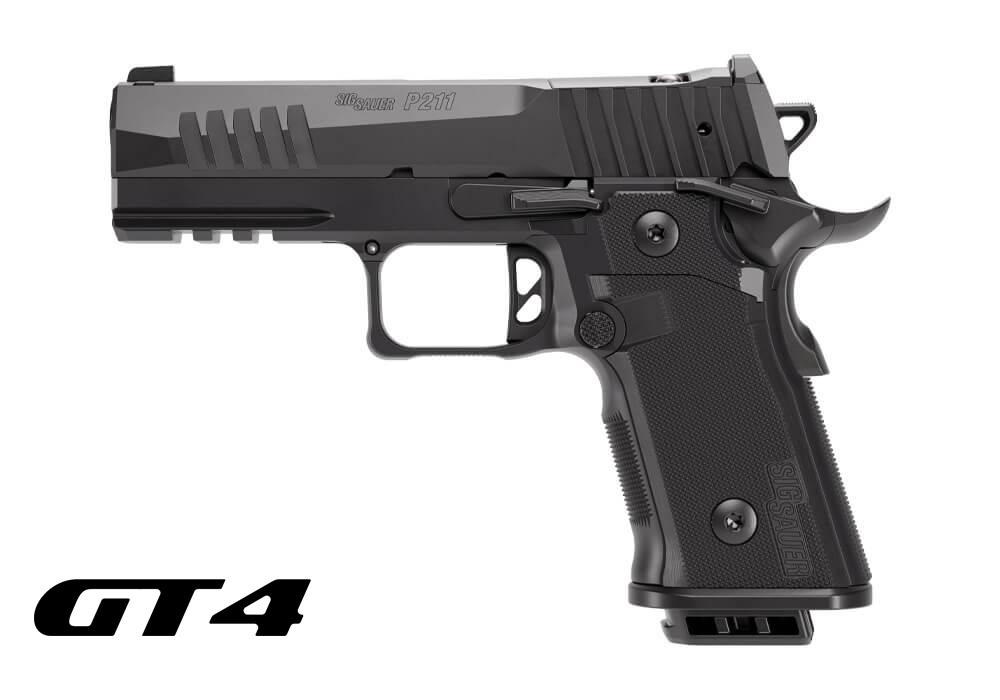
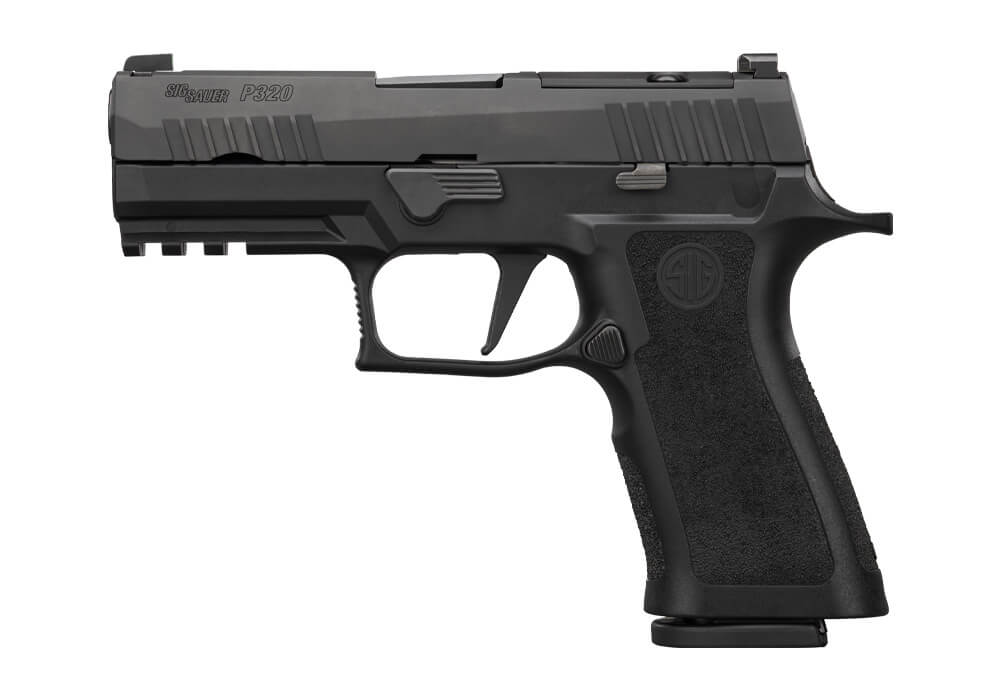
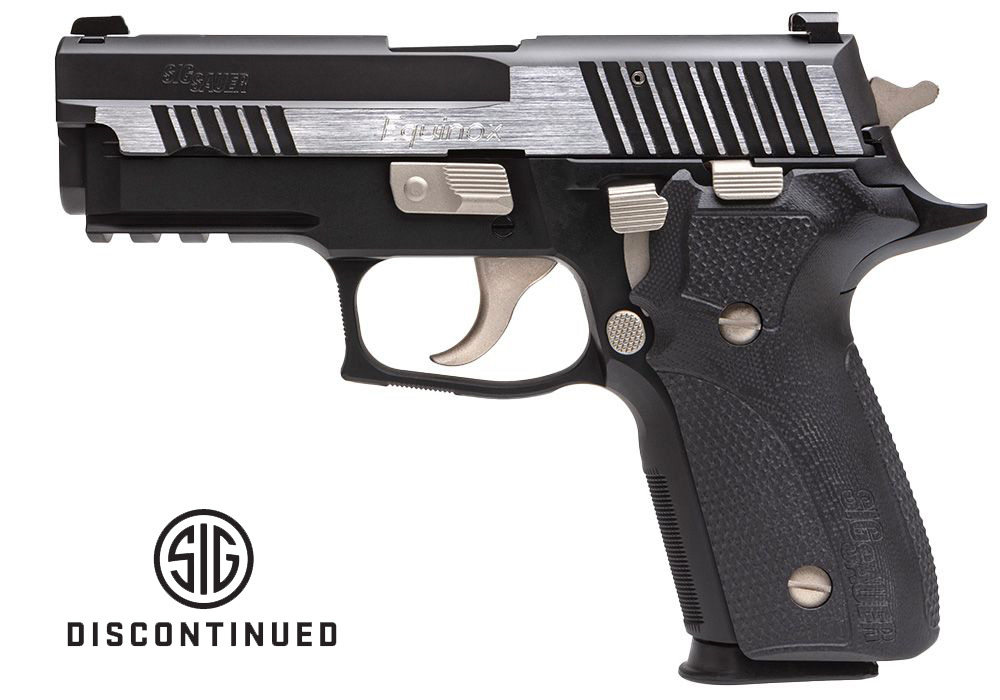
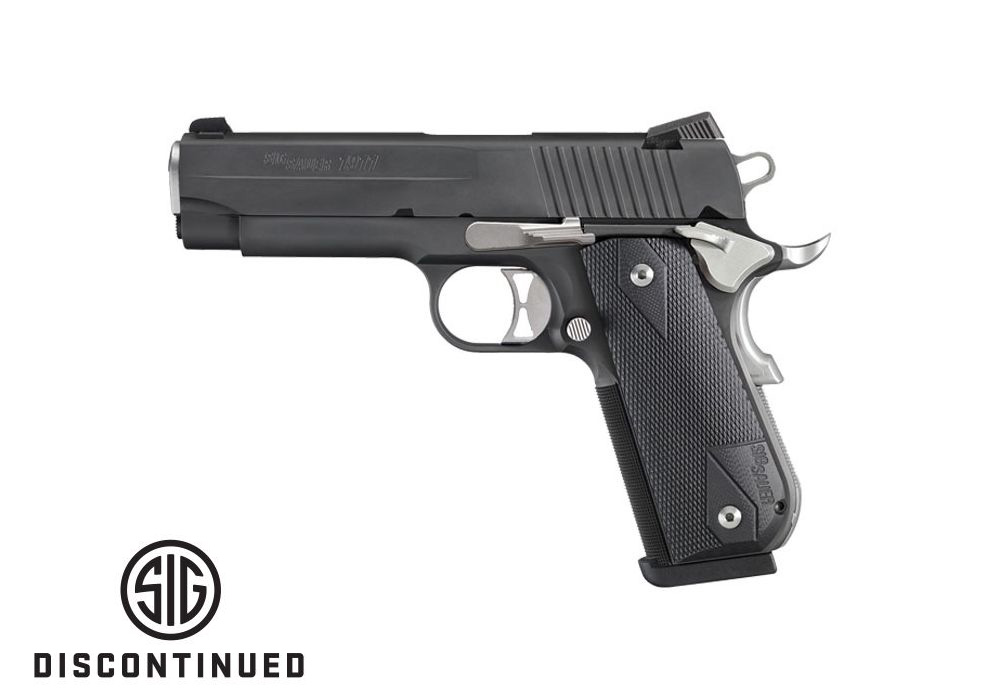
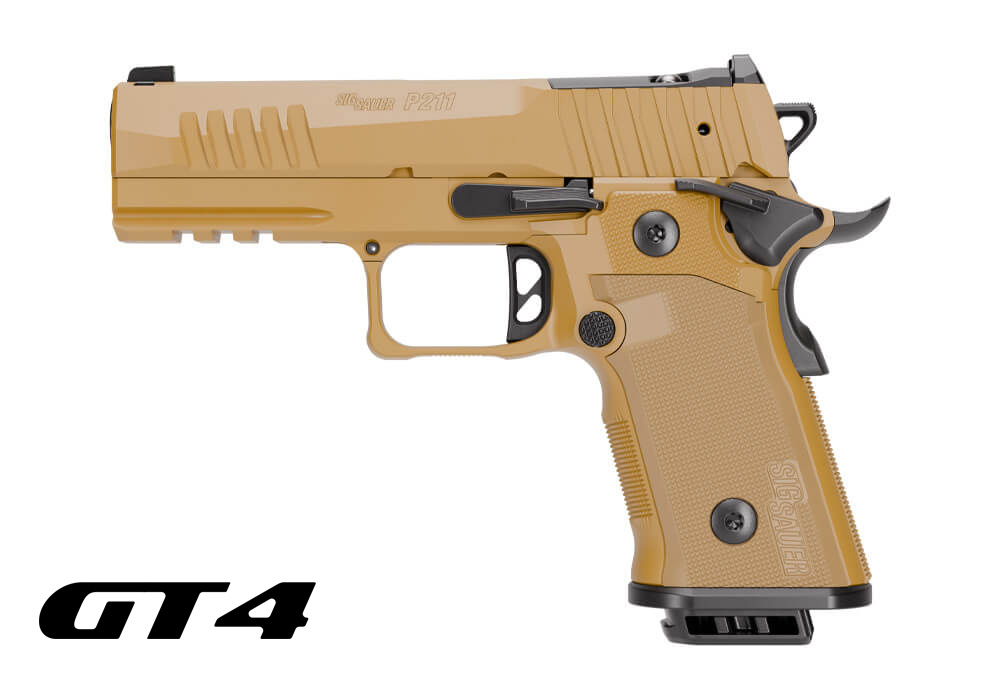
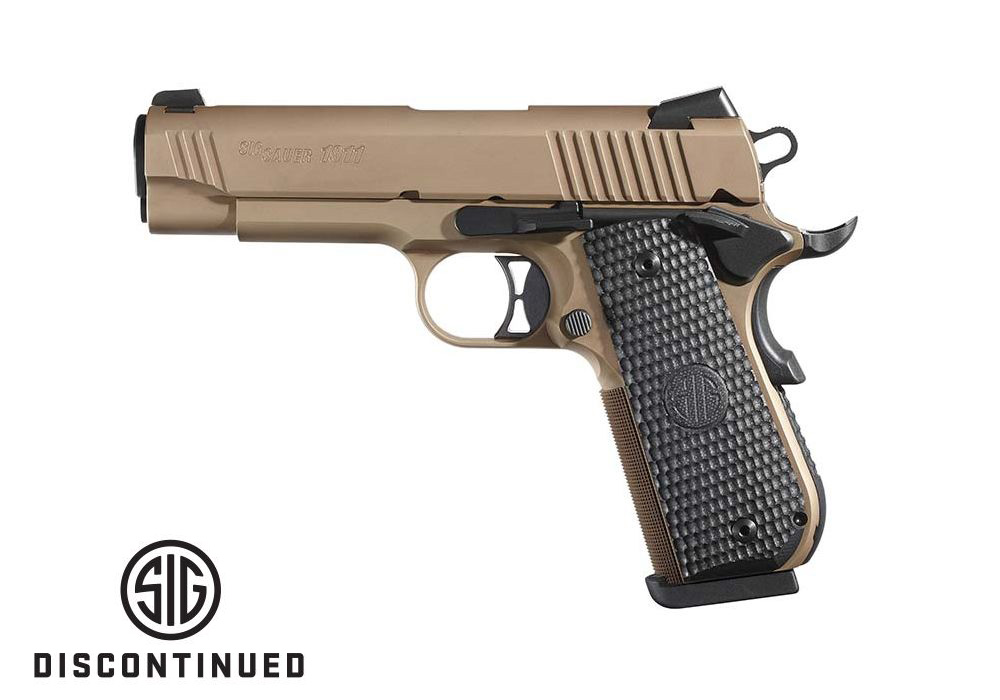
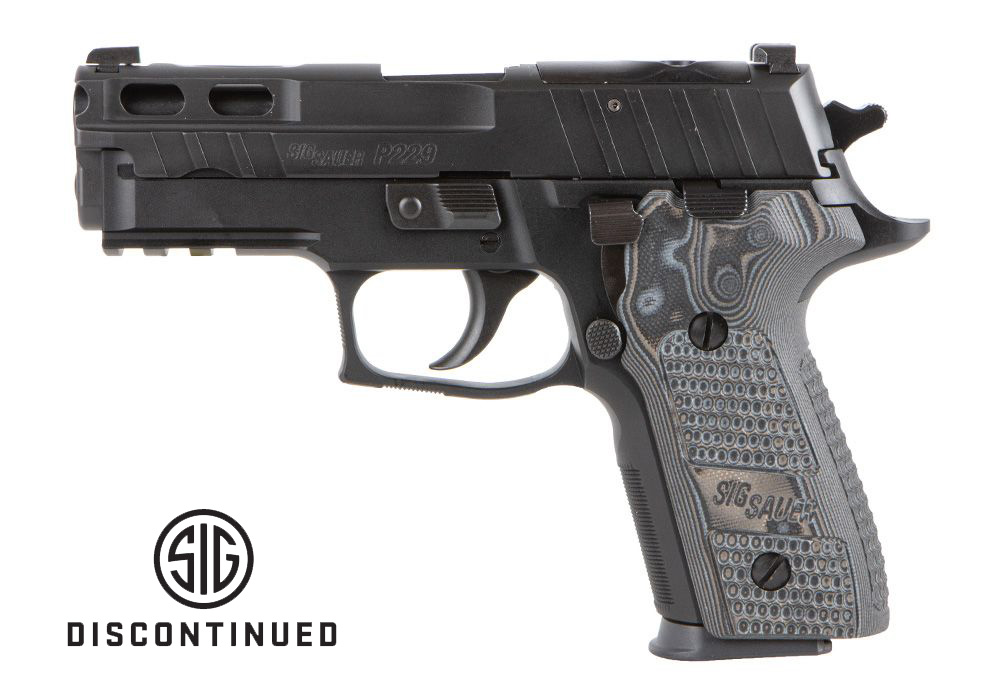
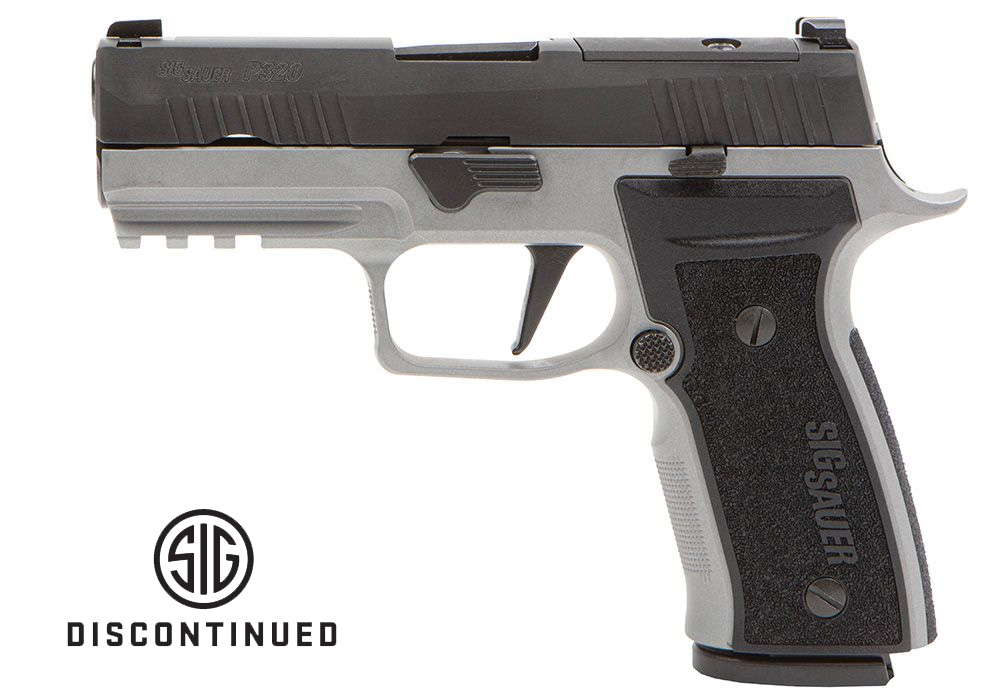
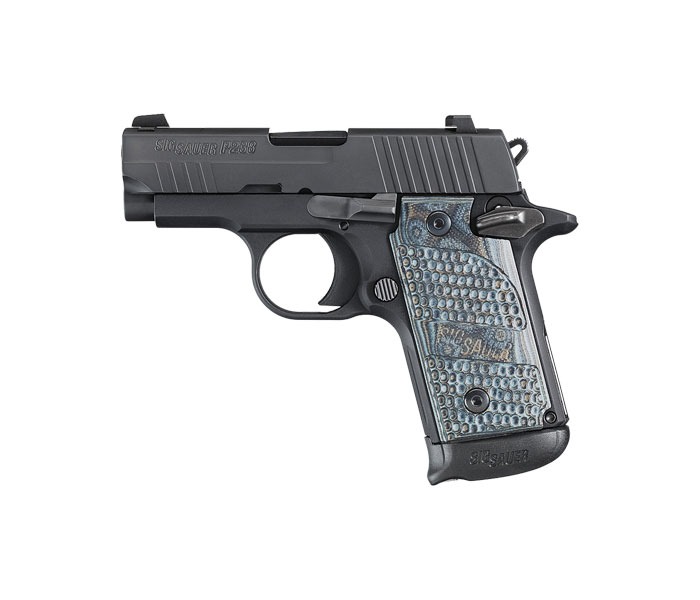
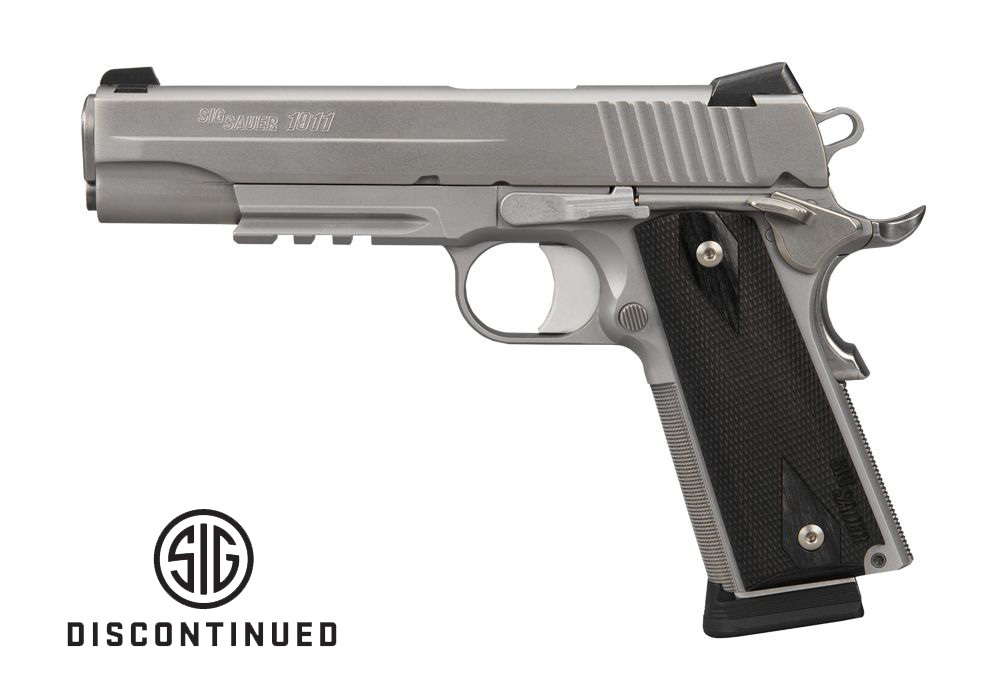
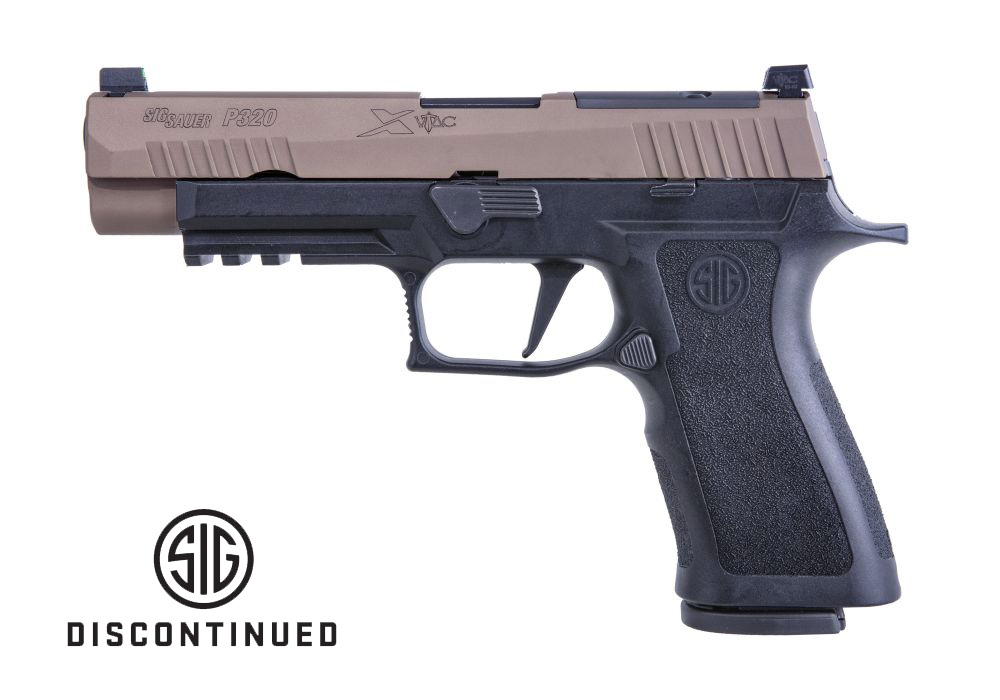
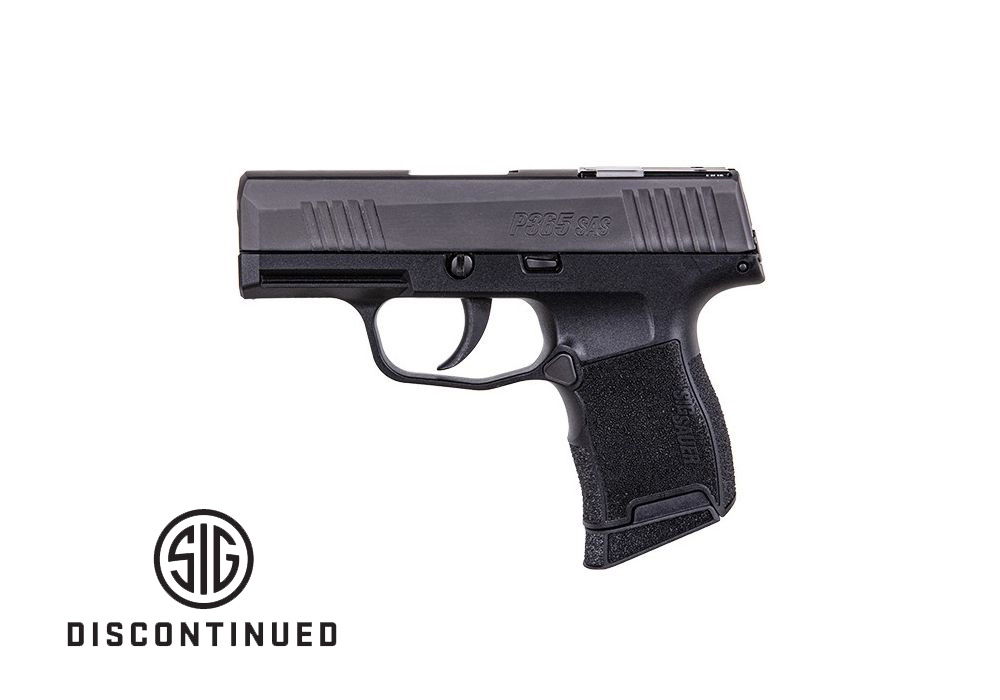
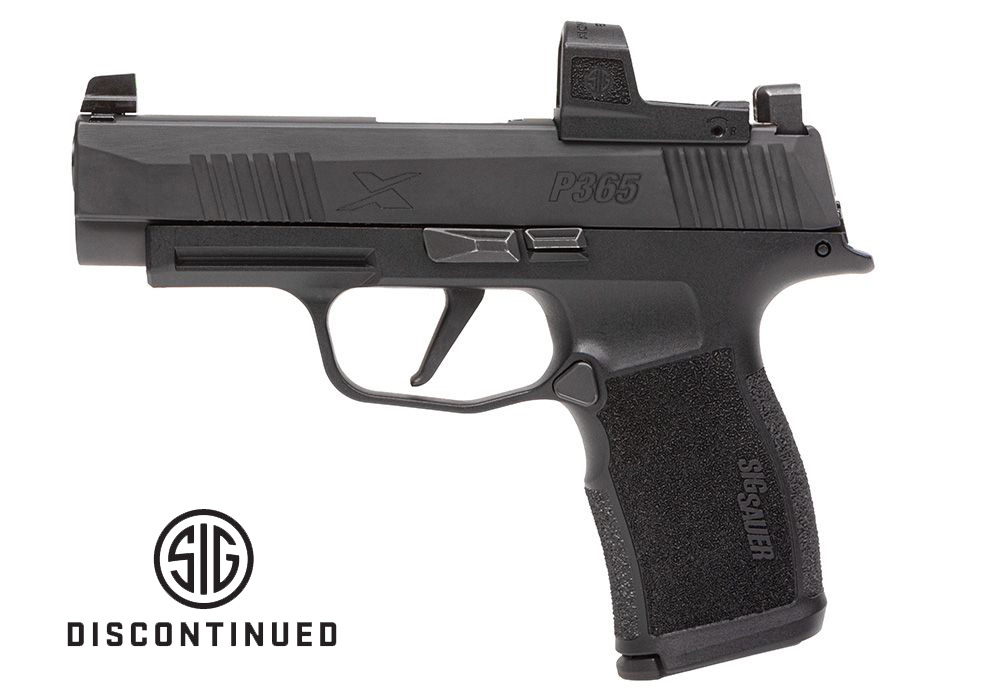
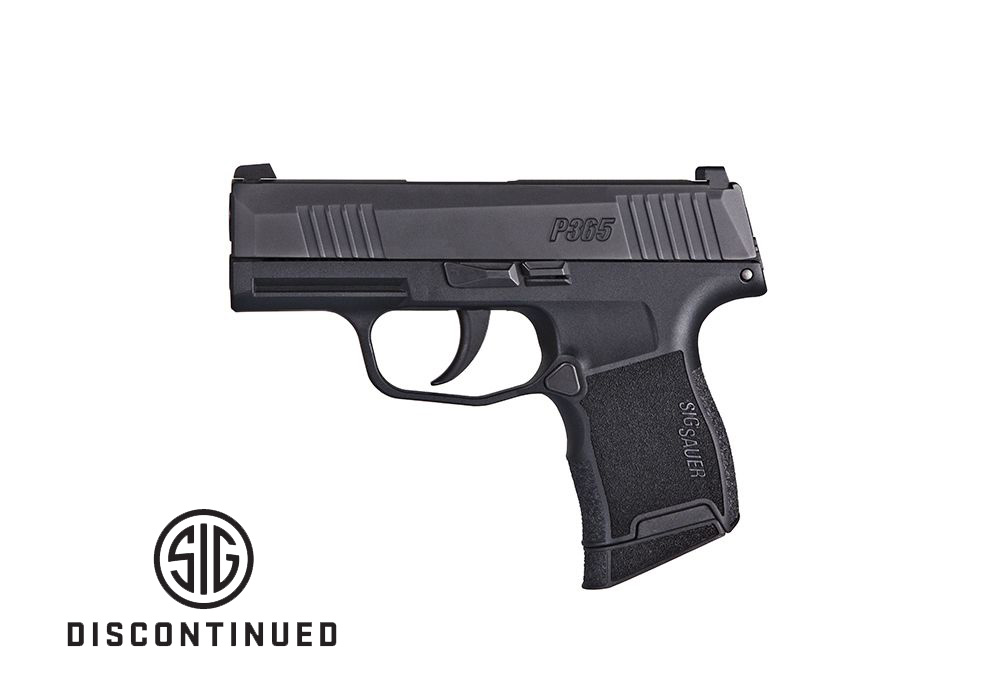
Beavertail frame compact pistols are valued for the way their rear grip profile supports a higher, more secure hand position while helping shield the web of the hand from the reciprocating slide. The beavertail extends upward and rearward from the frame, creating a smooth barrier between the moving upper assembly and the hand. That detail can be especially helpful for shooters who naturally place their grip high on the backstrap, as well as for anyone who has experienced discomfort from a conventional compact grip profile. A higher grip can give the shooter more leverage over the pistol, helping manage muzzle movement and maintain a consistent sight picture during rapid, controlled fire. The curved tail also adds a reassuring point of contact when the pistol is drawn, presented, or held for extended practice. In a compact format, these advantages are paired with a shorter overall profile that can be easier to store securely, transport to a range, or carry in a suitable holster where lawful. Frame construction varies, with polymer options generally emphasizing low weight and corrosion resistance, while alloy or steel frames may offer a denser feel and a steadier presence in the hand. Neither approach is universally superior; the best choice depends on hand size, training habits, intended carry method, and how the pistol balances when held in a ready position.
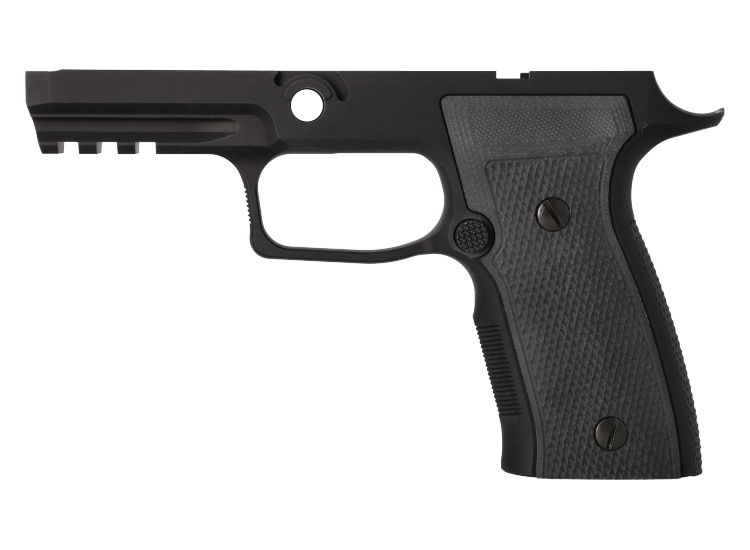
When comparing Beavertail Frame Compact Pistols, begin with fit rather than appearance. Place the dominant hand as high as the frame allows without touching the slide, then wrap the fingers around the grip and check whether the beavertail feels rounded, stable, and comfortable. The support hand should have enough surface area to establish a complete two-hand grip without forcing the thumbs into an awkward position. Pay close attention to grip circumference, texture, trigger reach, and the location of controls. A compact pistol should permit the trigger finger to rest naturally along the frame until the sights are aligned and the shooter has decided to fire. Controls should be easy to operate deliberately, yet positioned so they are less likely to be activated through an unintentional shift in grip. Sight design, slide serrations, recoil spring arrangement, and the shape of the trigger guard can also influence practical handling. Magazine options deserve consideration as well. Standard or extended magazine choices can affect grip length, concealment, reload technique, and the number of rounds available before a reload. When possible, handle an unloaded example and practice basic manipulations under qualified supervision before selecting a holster or storage solution. A range session with several suitable loads can reveal how the pistol behaves in the hand, whether the texture remains comfortable over time, and how quickly the shooter can return the sights to the intended point of aim. For those exploring grip accessories, Beavertail Grips may provide another way to refine the relationship between the hand and frame, provided the accessory is compatible and installed according to its instructions.
These pistols can serve a variety of lawful purposes, including structured range practice, personal protection, and secure home storage, with the final choice shaped by the user’s training, environment, and local regulations. A compact frame may suit an experienced carrier who wants a manageable sidearm for everyday use, while a new shooter may appreciate the added hand protection and predictable grip reference offered by a pronounced beavertail. People with larger hands often benefit from the extra rearward coverage, while shooters with smaller hands should verify that the grip does not force the wrist into an uncomfortable angle or make the trigger difficult to reach. During the cooler months, layered clothing can change how a holster sits and how easily the pistol can be accessed, making practice with the intended clothing and equipment especially important. Secure storage remains essential in every season: use a purpose-built locking container, keep the firearm inaccessible to unauthorized users, and store ammunition separately as appropriate for the household and applicable law. For a gift, a compact pistol may be appropriate only when the recipient is legally eligible, has expressed a genuine interest, and can complete any required transfer, background check, training, and registration steps. A safer gift approach can include professional instruction, a quality safe, eye and ear protection, a properly fitted holster, or range time rather than selecting a firearm on someone else’s behalf. Regardless of experience level, careful handling begins with treating every firearm as loaded, keeping the muzzle pointed in a safe direction, keeping the trigger finger outside the guard until ready to fire, and identifying the target and what lies beyond it. A beavertail frame can improve comfort and control, but it works best alongside sound technique, suitable equipment, regular practice, and responsible storage.