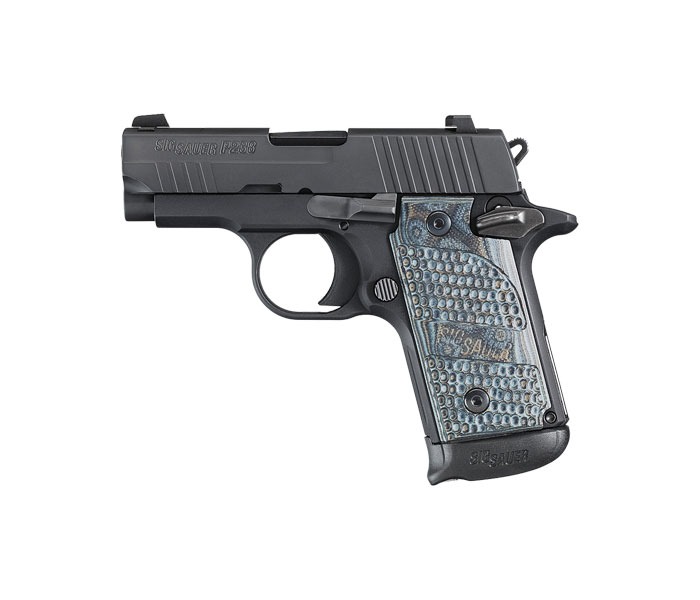
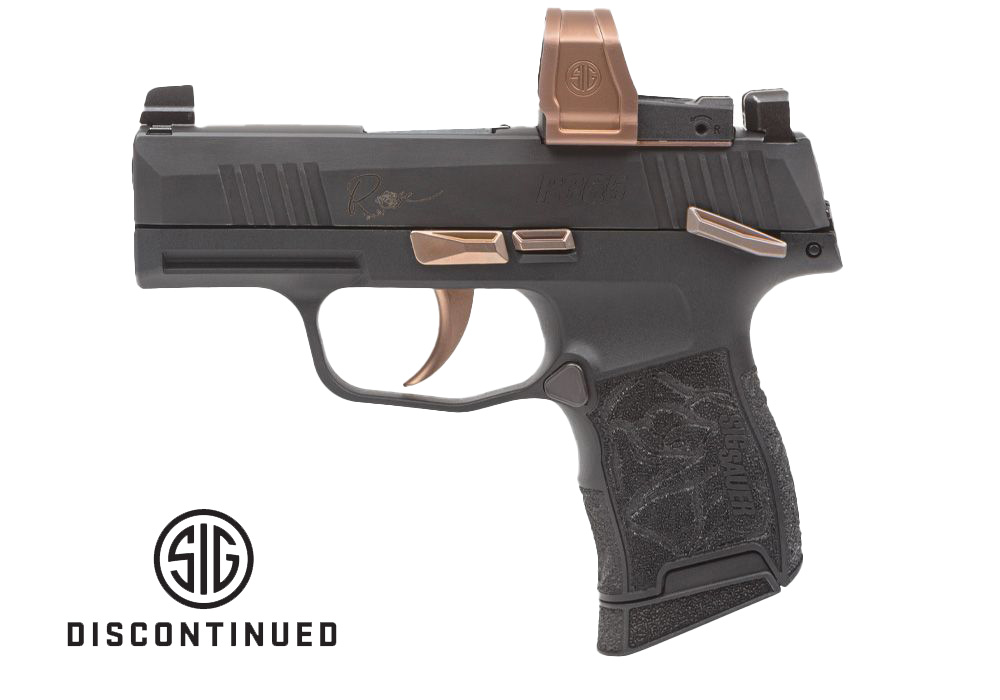
The best .380 ACP pistols for women are not defined by size or appearance alone; they are the ones that fit the shooter’s hands, experience level, and intended method of carry. A .380 ACP pistol can offer a practical balance of manageable recoil, compact dimensions, and useful performance for personal protection, but individual comfort matters more than a specification sheet. Someone with smaller hands may prefer a narrow grip and controls that are easy to reach without shifting the firing hand, while another shooter may feel more confident with a slightly fuller grip that provides additional purchase during recoil. Weight also deserves careful consideration. A very lightweight pistol can be convenient to carry, especially in a properly designed pocket or waistband holster, yet a modest increase in weight may make the pistol feel steadier and softer during practice. The most suitable choice should allow the shooter to establish a consistent grip, align the sights naturally, operate the magazine release and slide stop comfortably, and reach the trigger without stretching or crowding the trigger finger. If slide manipulation is a concern, look for features that reduce the effort required to rack the slide, and test that movement safely with an unloaded firearm under knowledgeable supervision. Controls should feel positive and predictable rather than stiff, sharp, or difficult to locate. Sight visibility is another practical detail, particularly for anyone who may practice in changing light or who prefers a clear front sight and uncomplicated sight picture. Those comparing compact .380 ACP options may also want to explore Micro Compact Pistols for Women to see how slim dimensions, grip design, and carry-oriented features can vary across this category.
Intended use should guide the rest of the decision. A pistol carried on the waistband, inside the waistband, or in a pocket requires a purpose-built holster that fully covers the trigger guard and keeps the firearm oriented consistently. A purse or handbag should never be treated as a loose storage compartment; if off-body carry is chosen, a dedicated concealed-carry purse with a secured, separate firearm compartment is essential, and the bag should remain under the owner’s control. For someone who spends time walking, commuting, traveling between a vehicle and the workplace, or managing daily responsibilities with both hands occupied, a compact .380 ACP pistol may be appealing because it can be easier to conceal and less burdensome than a larger handgun. That convenience should not come at the expense of access, retention, or safe handling. Capacity is another consideration, but it is only one part of the overall package. Some pistols use a standard-capacity magazine designed to keep the grip short and easy to conceal, while others accept an extended-capacity magazine that can provide additional rounds and a longer gripping surface. Shooters should compare how each magazine changes the balance and concealability of the pistol, and should confirm that magazines are legal where they live. These pistols can also be thoughtful gifts for a spouse, adult daughter, sister, or friend who has expressed a genuine interest in responsible firearm ownership, but a firearm should never be given as a surprise to someone who has not chosen it, learned the applicable laws, or established a safe storage plan. A gift of this kind is best paired with professional instruction, a secure locking device, eye and ear protection, and time at a reputable range so the recipient can make an informed decision based on actual fit rather than appearance or advertising.
Before purchasing any .380 ACP pistol, review federal, state, and local requirements, including eligibility, transfer procedures, waiting periods, magazine restrictions, registration rules where applicable, and regulations governing concealed carry. A first visit to a range can reveal more than hours of online comparison. With an unloaded firearm and guidance from a qualified instructor, a prospective owner can evaluate whether the grip sits comfortably, whether the slide can be operated without excessive strain, whether the sights are easy to see, and whether the trigger reach feels natural. Live-fire practice should begin with a calm, deliberate pace and suitable hearing and eye protection; the goal is to build safe habits, reliable fundamentals, and confidence without rushing. Recoil that seems mild in a single demonstration may feel different after several magazines, so comfort over a longer practice session is worth noting. Reliability should be confirmed with the ammunition recommended by the manufacturer, and defensive ammunition should be tested at the range before being carried. Regular cleaning and inspection, along with periodic checks of magazines, sights, and holster condition, help keep the equipment ready for responsible use. Secure storage is equally important: use a locked container or other appropriate locking device, keep ammunition secured as required by local law, and prevent unauthorized access by children, visitors, or anyone who should not handle the firearm. During cooler months, layered clothing can change how a holster feels and how well it conceals, while gloves may affect grip and trigger access, making seasonal practice a sensible part of preparation. The right .380 ACP pistol is ultimately the one the owner can safely store, comfortably carry, confidently operate, and consistently practice with—regardless of whether it is selected for everyday protection, range training, or a carefully considered addition to a responsible household.