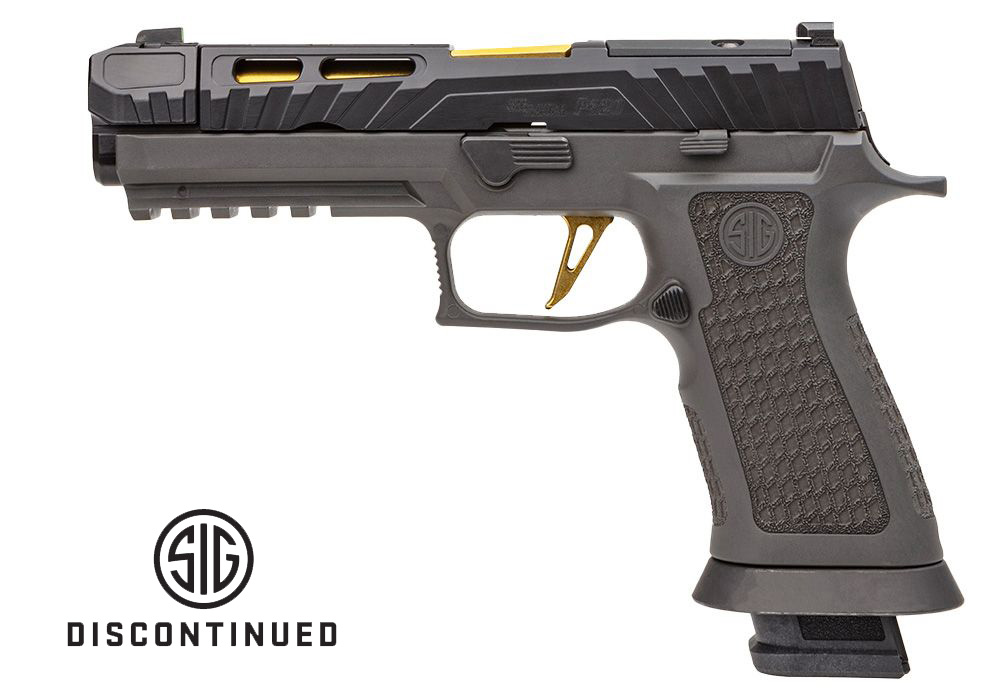
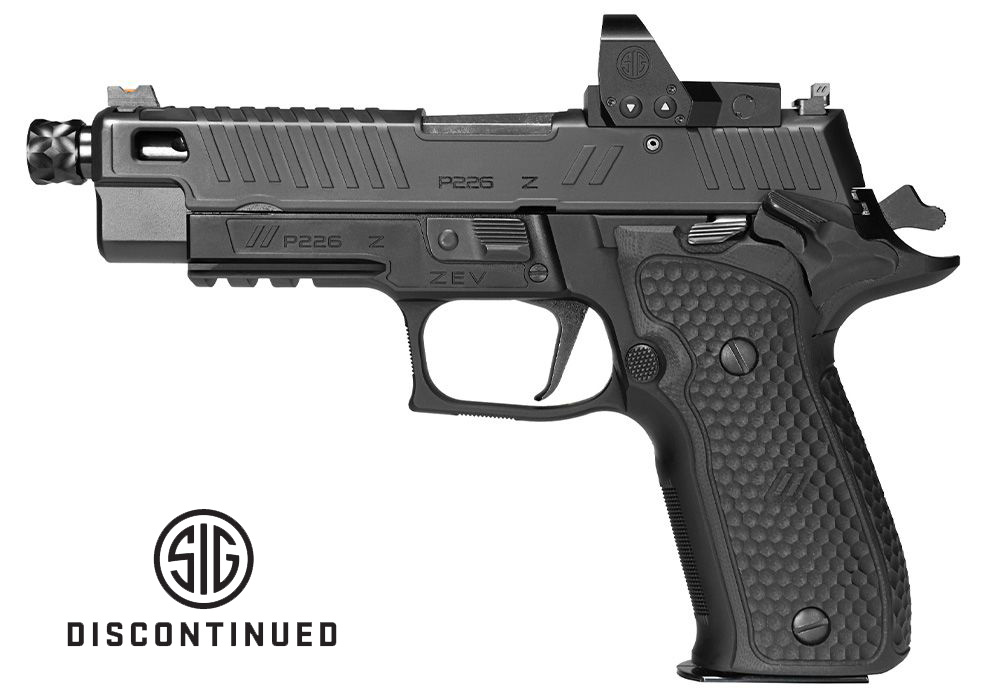
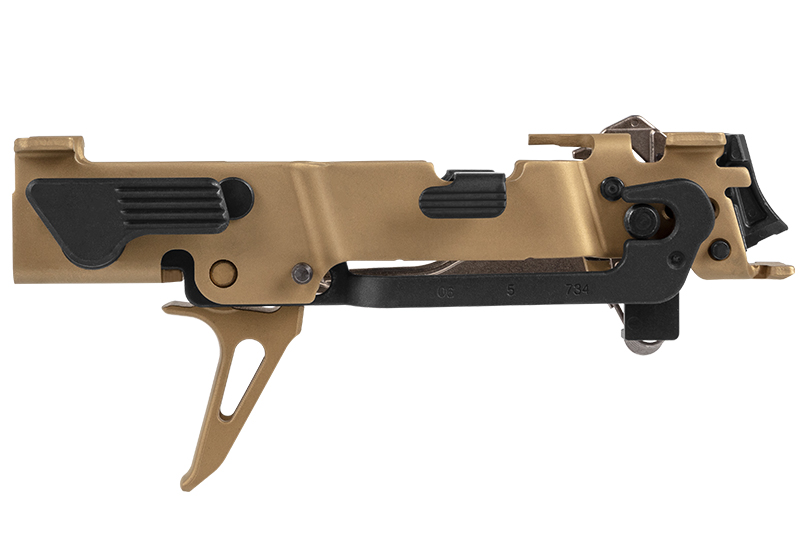
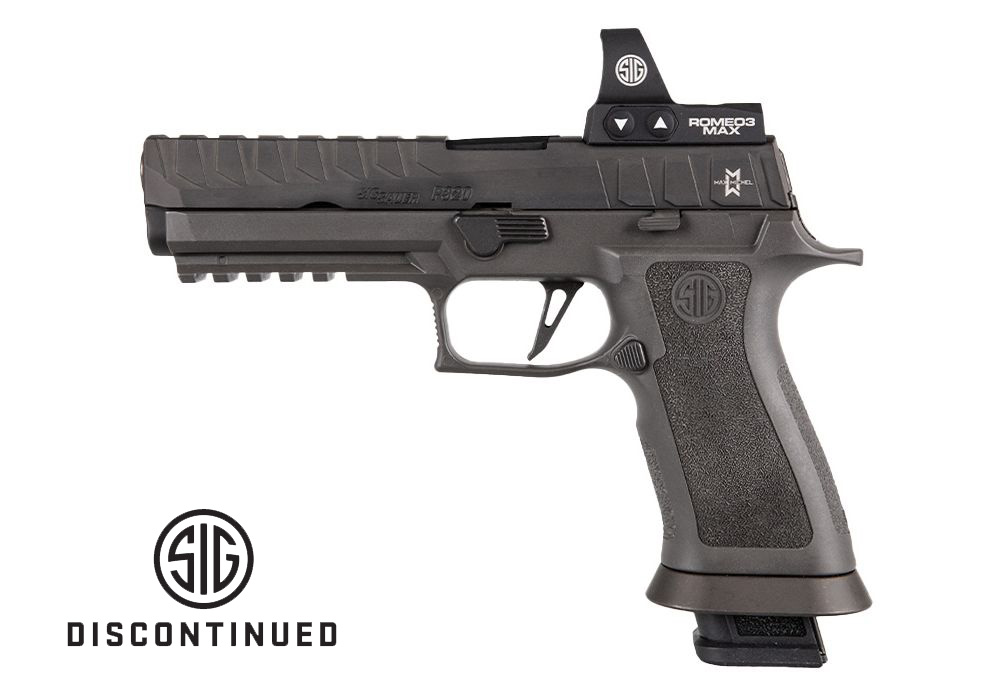
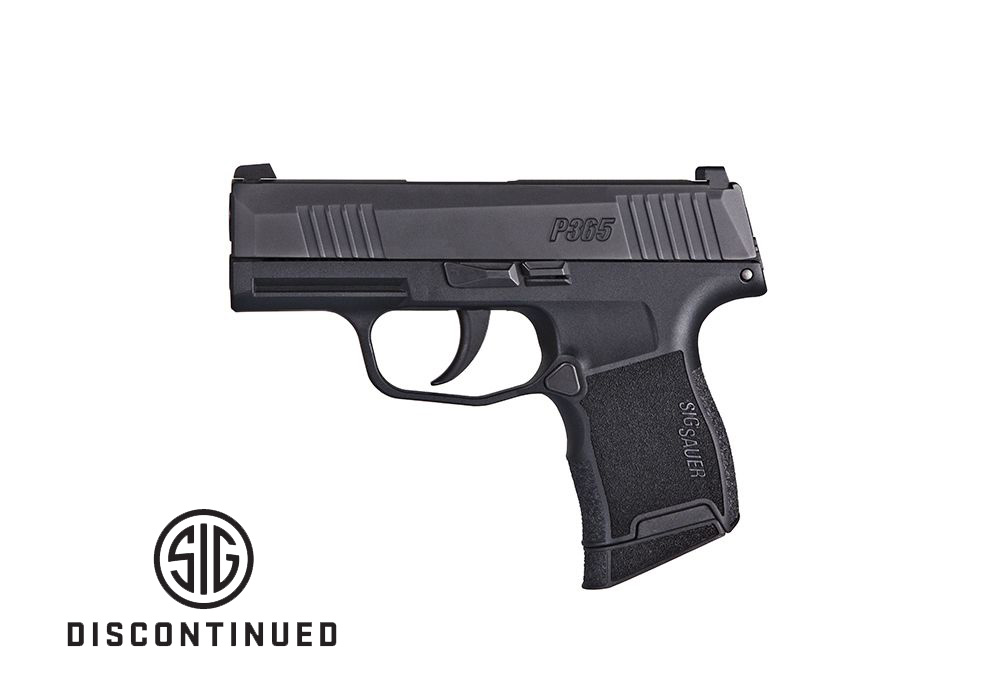
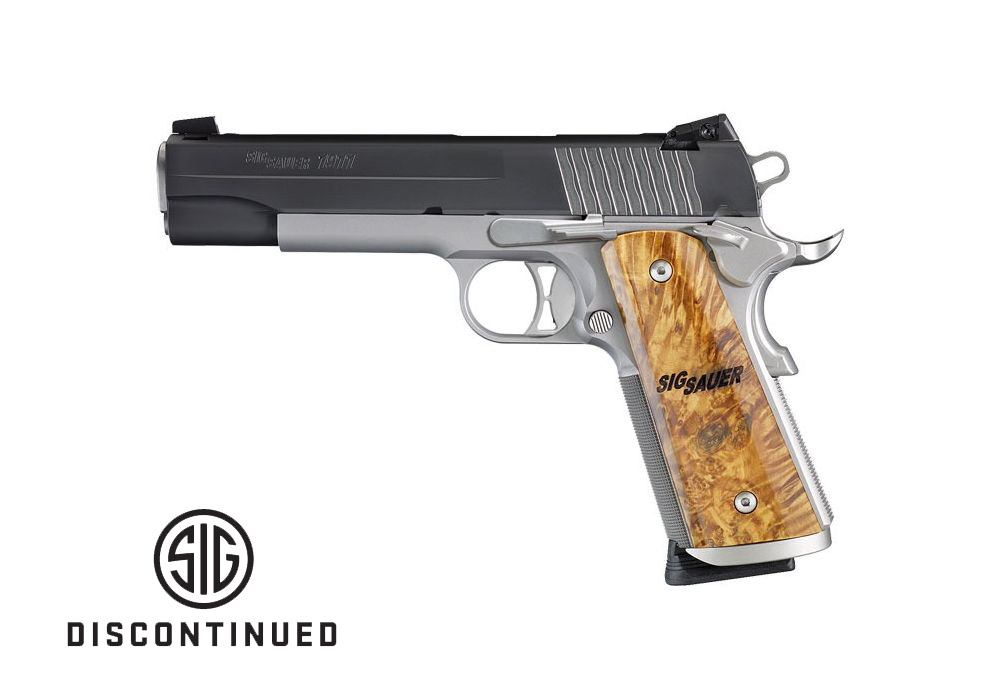
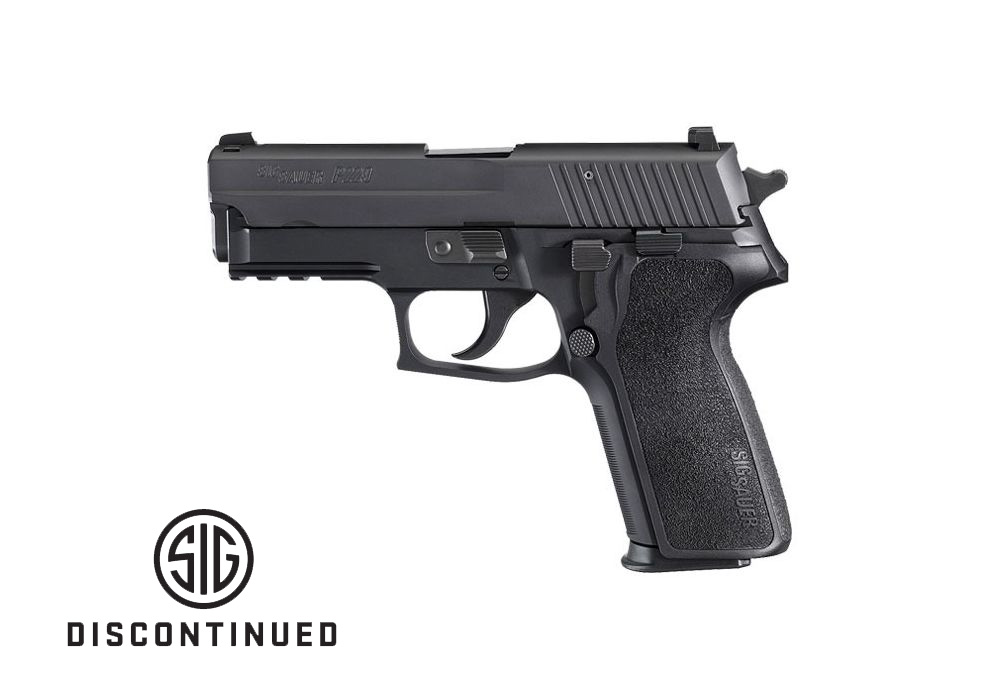
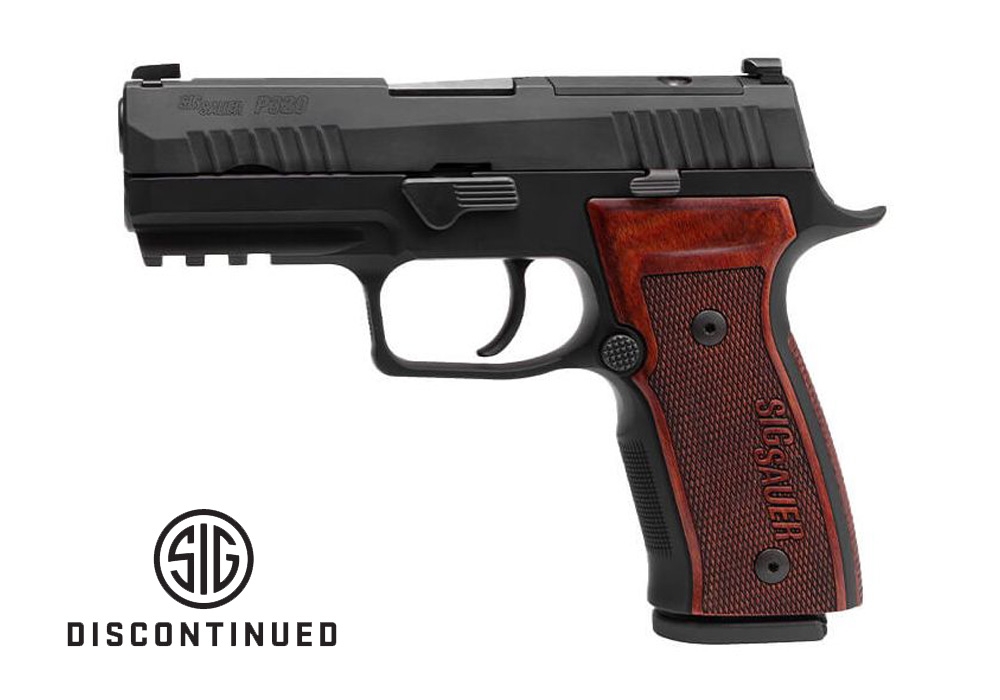
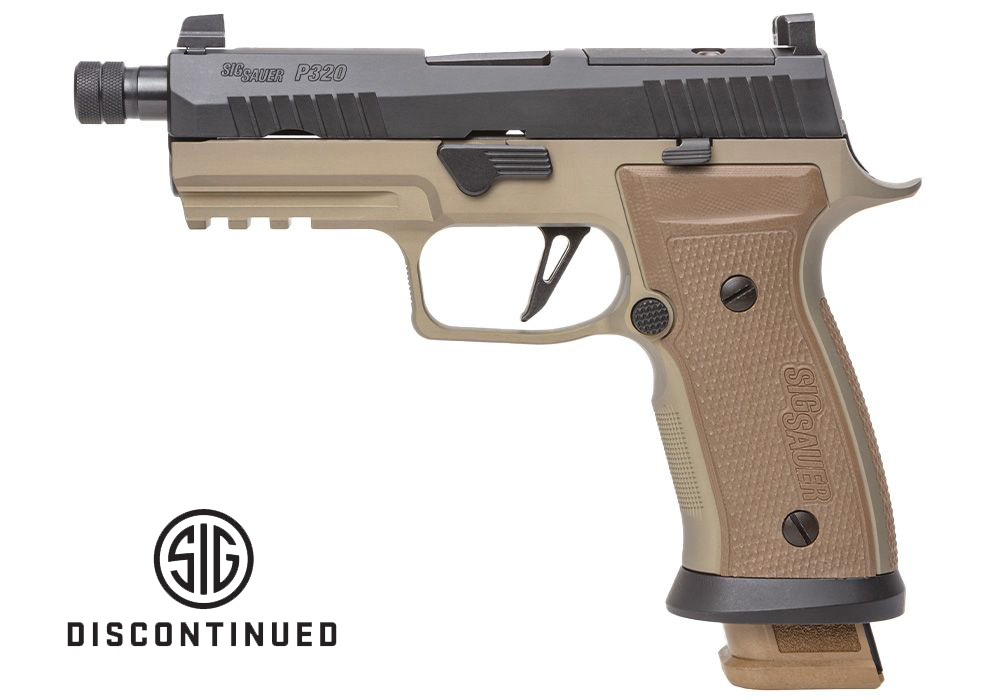
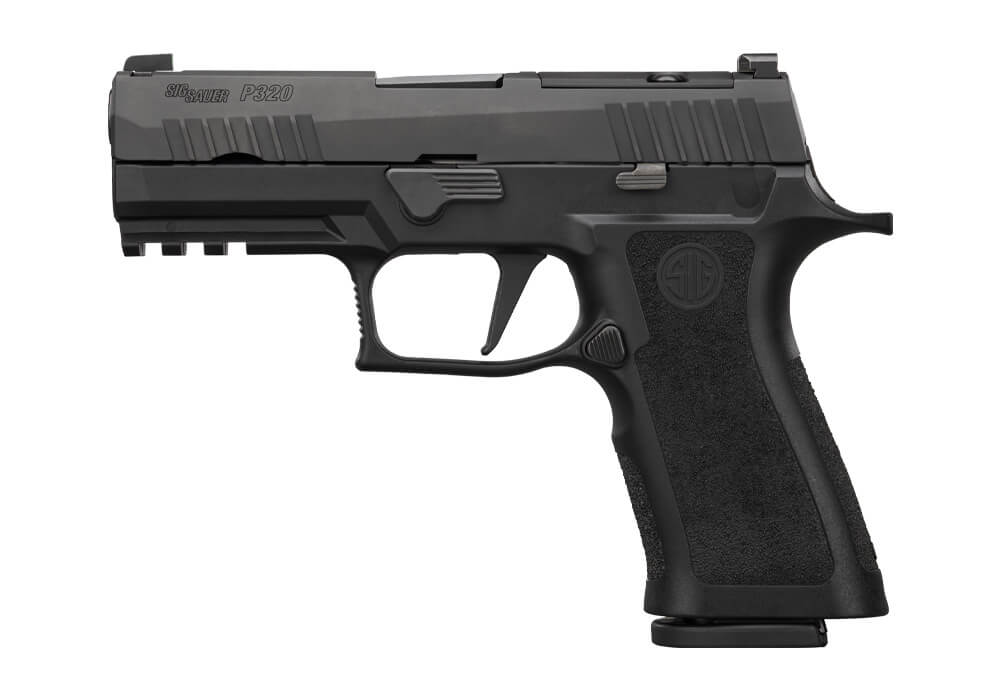
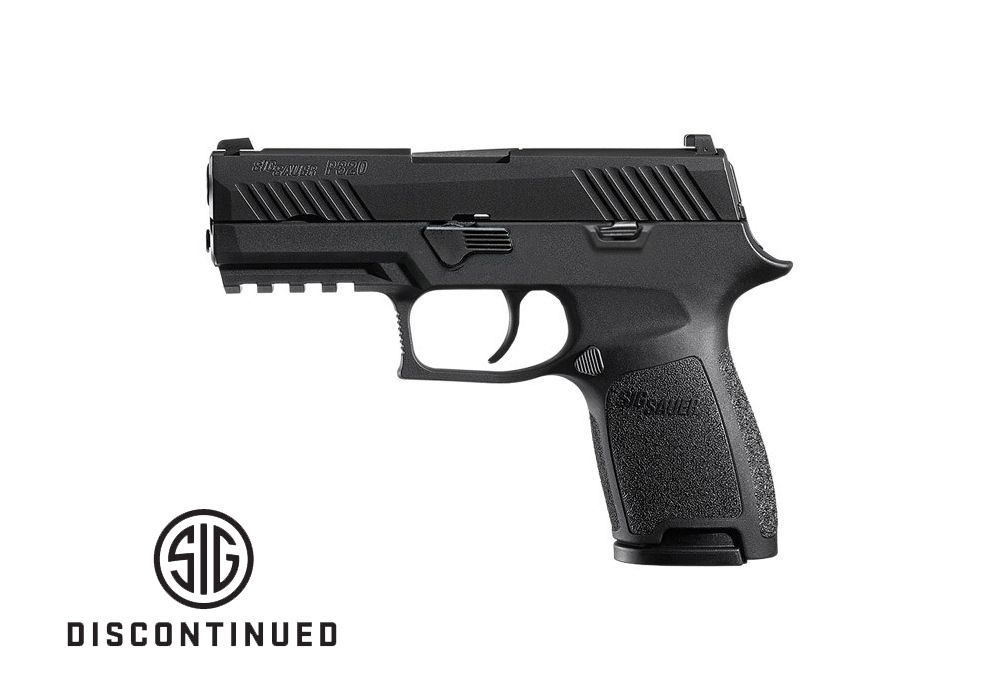
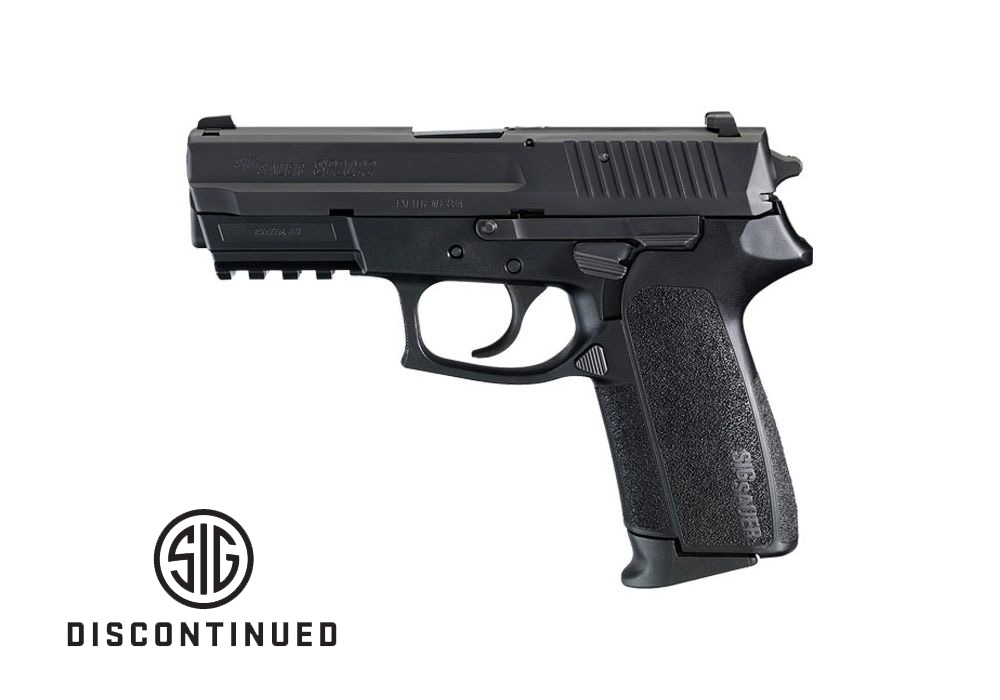
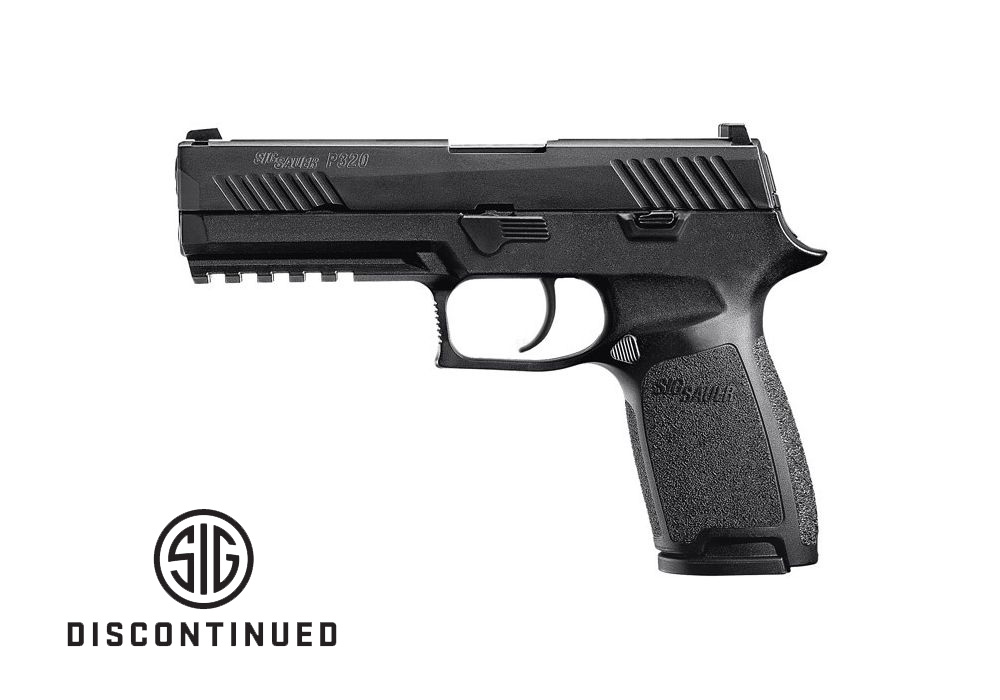
Handguns selected for customization give owners a practical way to shape a firearm around their hands, intended use, and shooting habits. The strongest candidates typically have broad support for replacement components, clear compatibility standards, and a design that allows common upgrades without requiring permanent modification. A compact striker-fired pistol is often a sensible starting point for someone who wants a dependable everyday range or defensive handgun with room to personalize the grip, sights, trigger controls, and slide setup. A modular chassis-style design offers another flexible path, allowing the serialized fire-control assembly to move between compatible grip modules and, where permitted by the manufacturer and applicable law, different slide and barrel configurations. This approach can be especially useful for shooters whose preferences change over time, such as someone who begins with a compact configuration and later adds a larger grip for range practice or a smaller setup for discreet carry. Traditional single-action platforms remain popular with enthusiasts who value a refined trigger, familiar controls, checkered or textured grips, and the possibility of careful fitting by a qualified professional. Competition-oriented double-stack designs may appeal to experienced range shooters seeking an expansive selection of holsters, magazine pouches, sights, triggers, magwells, and other performance-focused components. Across all of these categories, the best handgun for customization is not simply the one with the longest parts list. It is the model that fits the shooter’s hand, supports the desired accessories, and has a clear path for safe, lawful upgrades. A pistol that points naturally and can be operated confidently is a better foundation than one chosen only for its appearance or online popularity.
Before purchasing, consider the role the handgun will serve and the type of customization that genuinely supports that role. For personal protection, reliability, secure handling, and a consistent manual of arms should remain the priority. Grip modules or grip panels can improve reach and control, while high-visibility iron sights or a compatible red dot sight may make aiming more intuitive for some users. An optics-ready slide can provide flexibility without requiring permanent milling, but the sight must be properly mounted, zeroed, and checked regularly. A replacement trigger may alter pull weight, reset, or feel, and internal work should be performed by a qualified gunsmith rather than treated as a casual do-it-yourself project. For range training, changes such as an adjustable backstrap, extended controls, a textured grip surface, or a competition-style sighting system can make long practice sessions more comfortable and help the shooter maintain a consistent grip. Slide finishes, grip colors, and custom panels offer visual personalization, although cosmetic changes should never take precedence over secure fit and dependable function. Keep original factory components in a labeled container, particularly if the handgun may later be returned to its original configuration or used for defensive purposes. After any modification, inspect the firearm according to the manufacturer’s instructions and test it with appropriate ammunition at a safe range before relying on it. A useful customization plan often develops gradually: first establish a reliable baseline, then make one change at a time, record what was installed, and evaluate whether the result improves comfort, accuracy, or control. Firearm owners looking for compatible tools, maintenance items, protective equipment, and other supporting gear can explore Essentials for Firearm Customization as they build a considered setup.
Customization also makes these handguns appealing to experienced hobbyists and thoughtful gift-givers, although the firearm itself should always be purchased and transferred in compliance with federal, state, and local requirements. Because fit is personal, a firearm may be better selected together with the intended recipient rather than chosen as a surprise. Accessories are often easier gifts: a quality locking case, electronic hearing protection, eye protection, a secure holster selected for the exact model, a range bag, dummy training rounds, cleaning supplies, or a gift card for professional fitting and instruction can all support responsible ownership. New shooters may benefit most from a simple, well-supported configuration rather than a heavily modified pistol, paired with hands-on training from a certified instructor and regular practice with safe storage procedures. More experienced users may enjoy comparing grip circumferences, slide lengths, sighting systems, and control layouts to find a setup that feels natural during presentation, reloads, and slow-fire drills. During the cooler months, a shooter may also discover that gloves, heavier clothing, or different range conditions affect access to the grip and controls, making fit and practice especially important. Regardless of the season, store every firearm unloaded and secured from unauthorized access, transport it according to applicable law, and treat every modification as a responsibility rather than a decoration. The most satisfying customized handgun is one that reflects the owner’s needs while preserving safe operation, dependable performance, and a clear understanding of its controls.