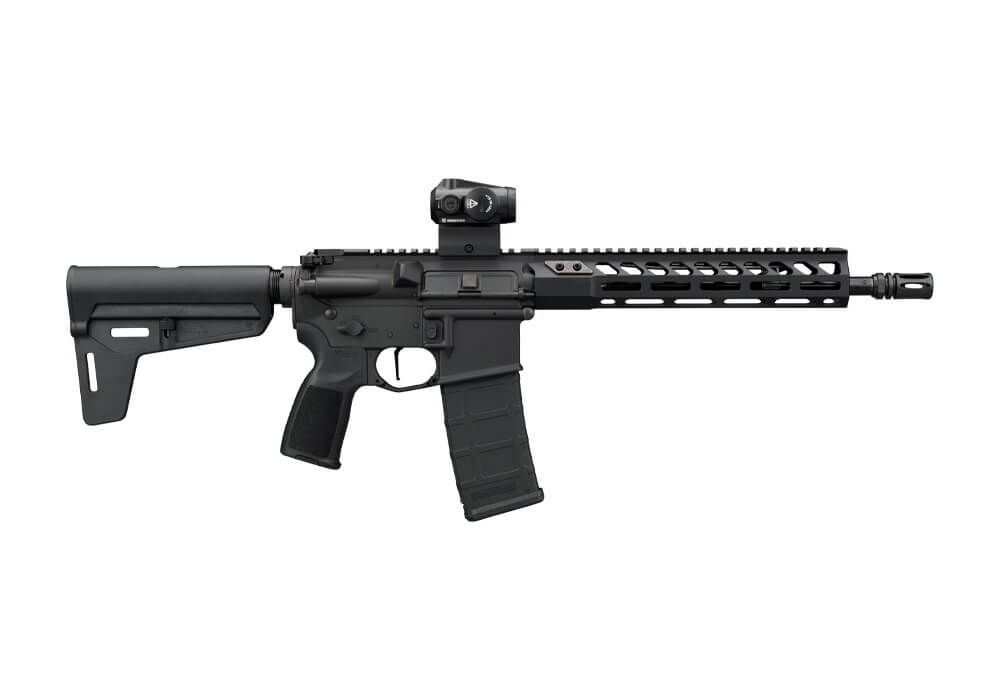
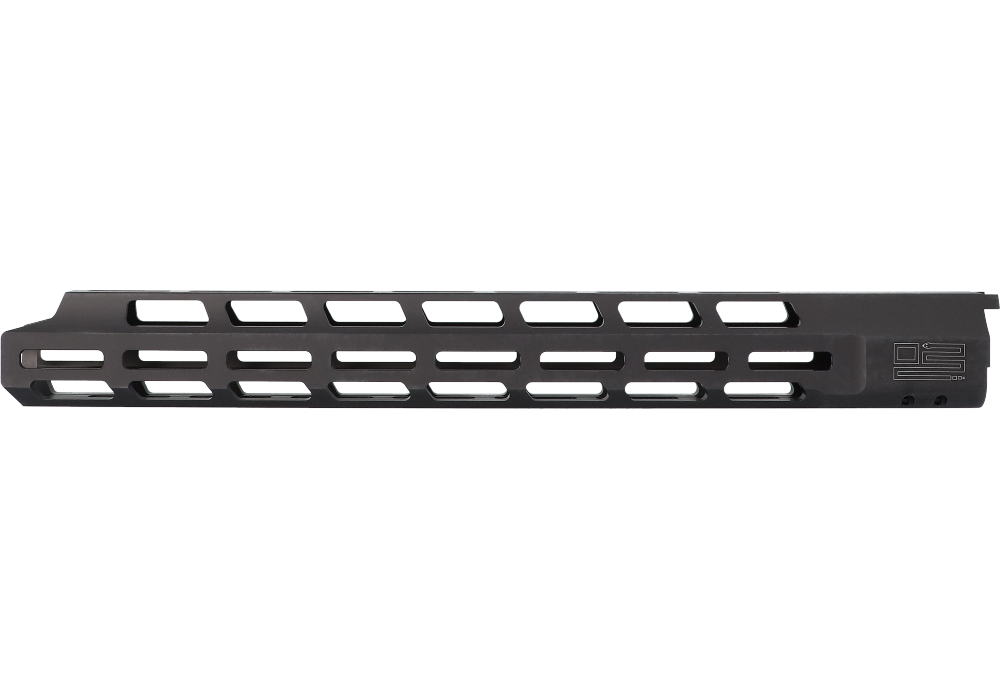
Black anodized receiver top rails provide a practical foundation for mounting optics and accessories on compatible rifles and tactical platforms. Typically formed from lightweight, high-strength aluminum such as 6061-T6 or 7075-T6, these rails balance durability with a streamlined profile that will not add unnecessary bulk to the firearm. Their matte black anodized finish helps reduce glare while offering resistance to surface wear and corrosion, making them well suited to range sessions, field use, and storage during the cooler months. A receiver top rail is more than a simple accessory interface: it creates a consistent mounting surface that can help position an optic at a comfortable height and maintain a repeatable relationship between the sighting system and the rifle. Many designs use MIL-STD or Picatinny cross-slots, giving shooters flexibility when positioning scopes, red dots, ring mounts, magnifiers, and other compatible accessories. Slot spacing allows the optic to be adjusted forward or rearward for proper eye relief, while a secure rail can help keep the setup aligned through routine handling and transport. Because receiver dimensions and attachment points vary widely, selecting a rail designed for the exact firearm model is an essential first step. Review the listed fitment details, receiver pattern, screw locations, and required hardware before ordering, especially when shopping for a replacement or upgrading an older mounting system.
When comparing black anodized receiver top rails, consider the shooting application, optic style, and desired sight height together. A 0 MOA rail generally provides a neutral mounting position, which can be a straightforward choice for many general-purpose setups and shorter-range applications. An elevated rail, such as a 20 MOA configuration, introduces additional angle for shooters who need more adjustment range at extended distances; it should be selected with the optic, ammunition, and intended range in mind. The number and length of cross-slots also matter. A longer rail can offer more latitude when balancing an optic with a forward-mounted accessory, while a compact rail may preserve a lighter, cleaner profile. Check whether the rail follows the Picatinny standard rather than assuming every slotted rail offers identical spacing or engagement. Pay attention to the rail’s overall height, edge profile, fastener type, and surface finish, since these details affect how the finished setup feels in the hands and how easily an optic can be removed or repositioned. During installation, use the screws and hardware specified for the firearm and rail, clean the contact surfaces, and follow the recommended torque values. Even pressure across the mounting points helps the rail seat evenly, while careful alignment prevents small shifts that can complicate sight-in. Once installed, confirm that the optic has adequate clearance, the action operates freely, and the chosen rings or mount engage the slots fully. A quick inspection after the first range session is a sensible part of routine maintenance, particularly if the rifle has traveled in a case over rough roads or been exposed to dust, moisture, or changing temperatures.
These rails can suit hunters, recreational shooters, precision enthusiasts, and anyone refining a rifle for a more adaptable setup. A hunter may appreciate a low-glare finish and a secure optic position when moving between shaded timber and open ground, while a range shooter may value the ability to experiment with eye relief, ring placement, or a secondary sight. They can also be a thoughtful gift for a firearm owner who has recently purchased an optic but has not yet selected the correct interface, provided the recipient’s exact firearm model is known. When model information is uncertain, confirm the receiver pattern before choosing; appearance alone is not enough to establish compatibility. For those comparing related mounting components, Black Anodized Scope Mounts can complement a rail-based setup when their dimensions and mounting standards align. Storage and care are simple: keep the rail dry, wipe away fingerprints and residue after handling, and inspect the fasteners and finish periodically. Avoid forcing an optic or mount into a slot that does not align naturally, and do not modify the rail or firearm without qualified guidance. With the right fit, a solid attachment surface, and a carefully chosen optic position, a black anodized receiver top rail can bring order and flexibility to a rifle setup without overwhelming its original balance. Whether preparing for a quiet afternoon at the range or organizing gear for field use during cooler weather, selecting the right rail helps create a dependable platform tailored to the shooter’s equipment and habits.