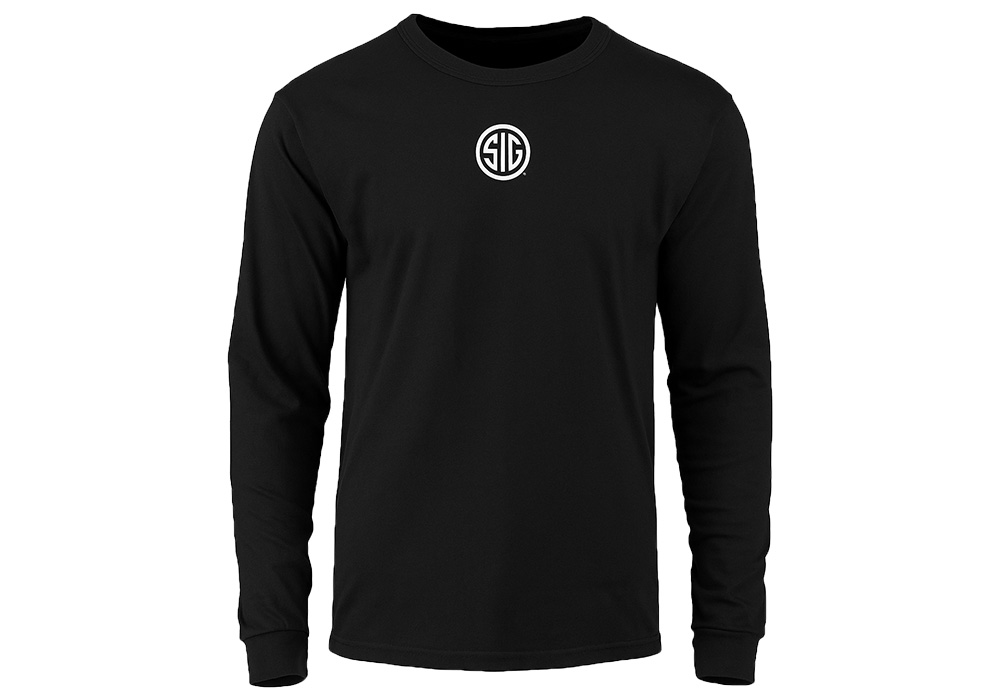
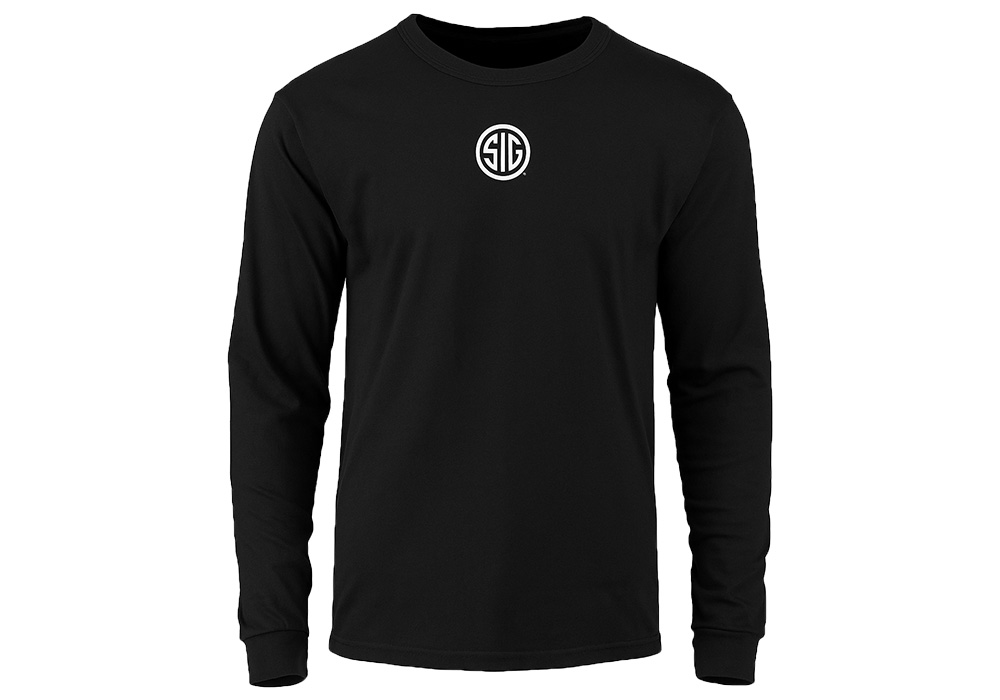
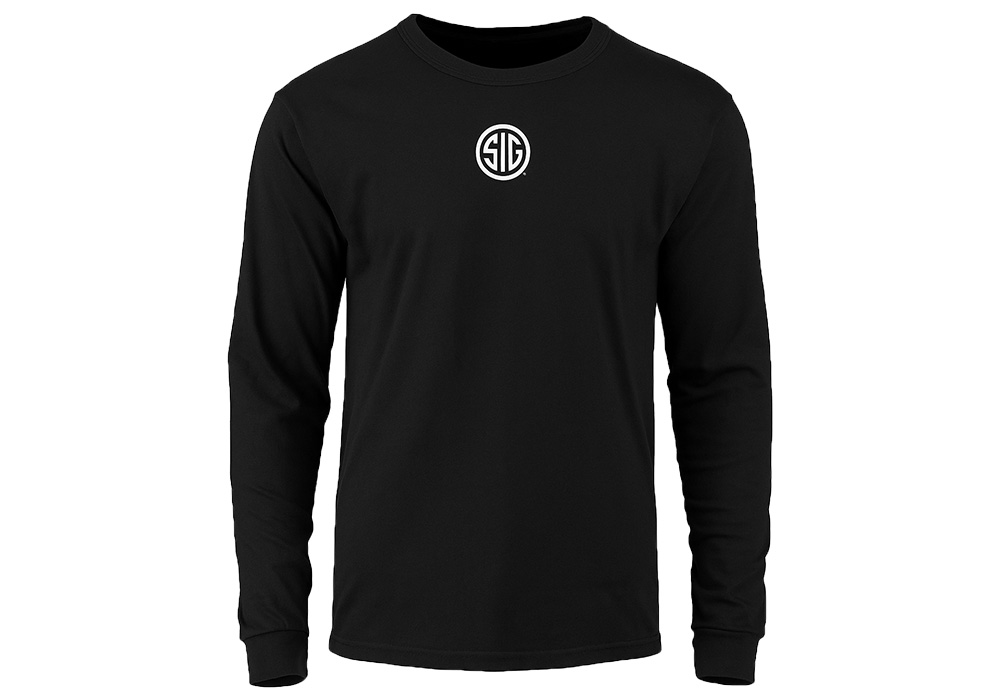
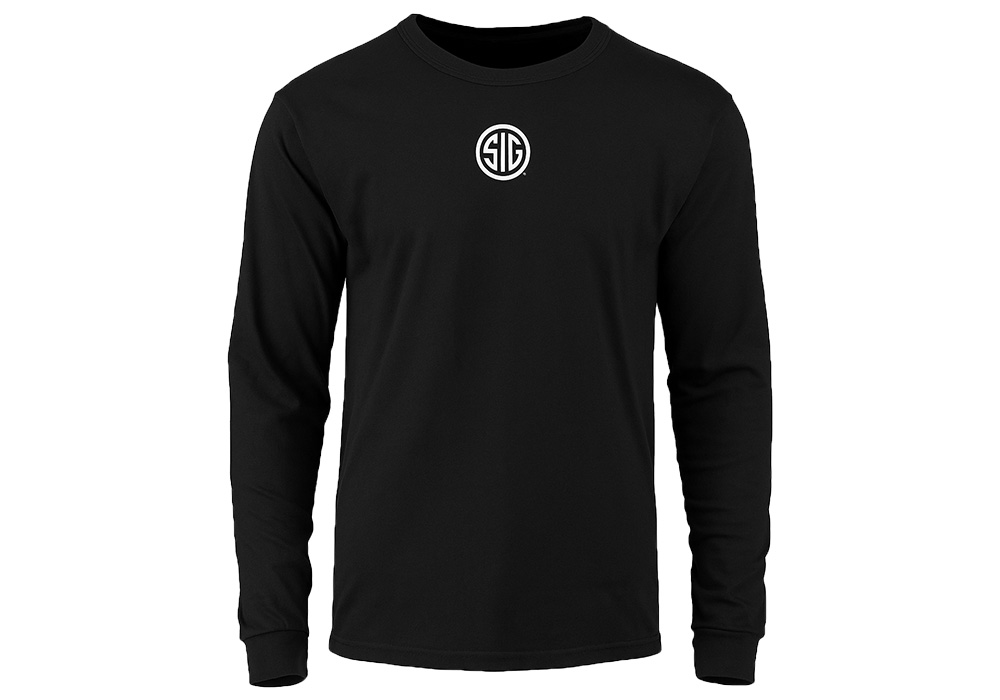
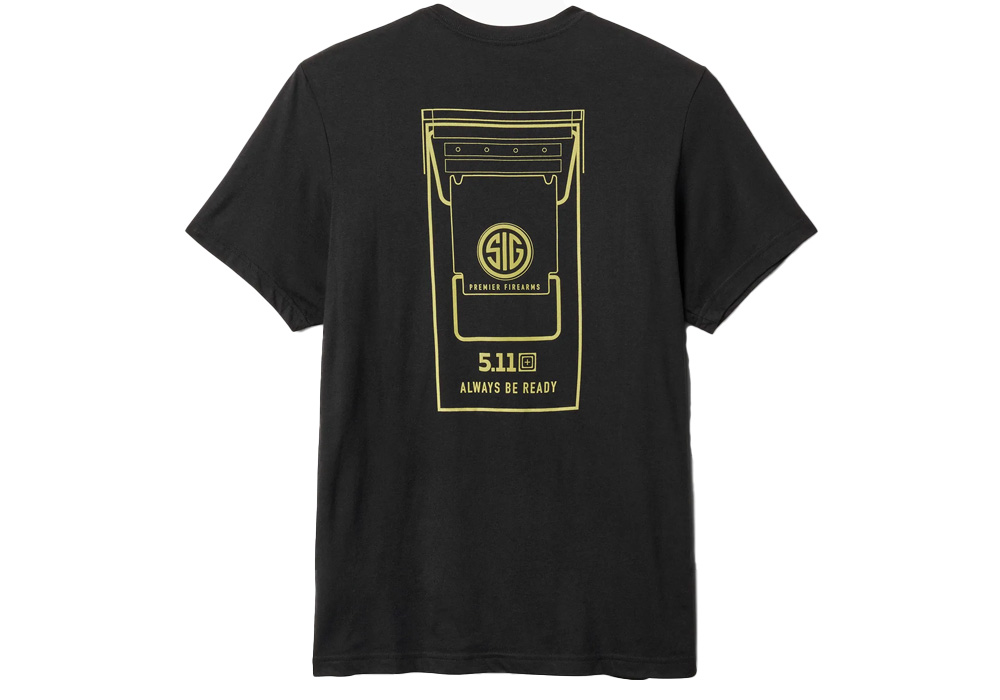
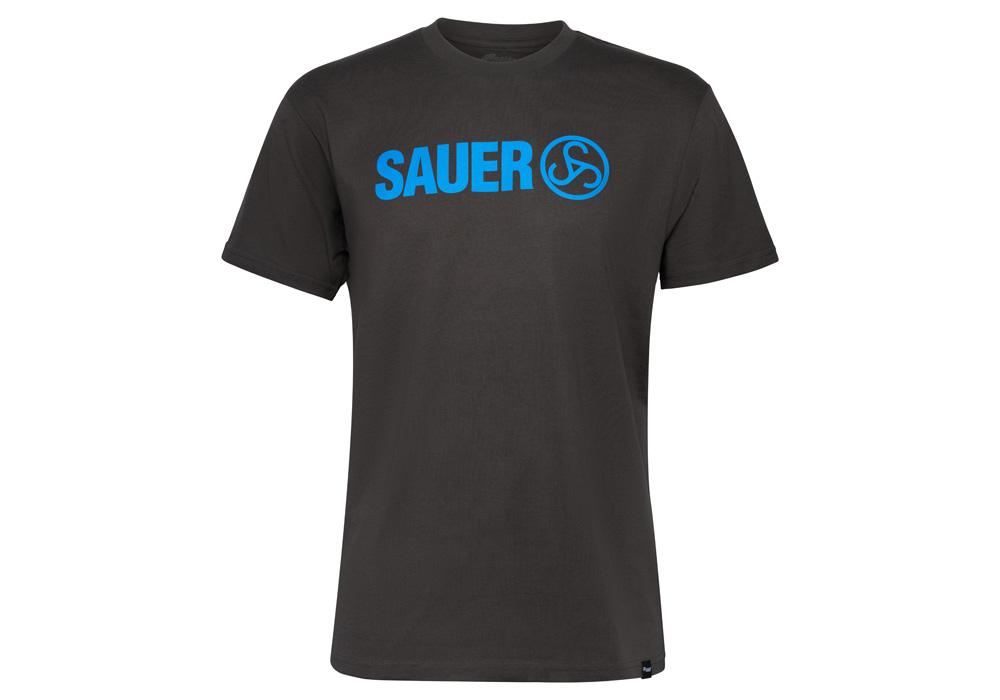
Black fall shirts bring a versatile dark color to everyday tees, long-sleeve tops, and comfortable layers suited to autumn dressing. Their appeal is practical: black pairs easily with denim, canvas work pants, neutral outerwear, and the earthy colors often associated with fall wardrobes. A simple shirt can serve as the foundation of an outfit, while a printed design adds personality without requiring much coordination. Short-sleeve styles work beneath an open flannel or lightweight jacket, and long sleeves provide more coverage when an outdoor morning gives way to an afternoon indoors. Fabric helps determine how each shirt feels in those settings. Cotton typically has a soft, familiar feel and breathes comfortably for everyday wear, although it can hold moisture after strenuous activity. Cotton and polyester blends can balance that softness with shape retention and quicker drying, depending on the proportions and construction. Fabrics with a small amount of stretch may offer easier movement through the shoulders and elbows, particularly when a shirt sits close to the body. Fabric weight matters just as much as fiber content. A lighter knit slides easily beneath other clothing, while a midweight knit can feel more substantial worn on its own. Waffle textures create a different surface and feel from smooth jersey, but texture alone does not establish how warm a shirt will be. The overall thickness, fit, and surrounding layers all contribute to comfort. For errands, a casual meal, or time spent outside, the most useful black fall shirt is often one that feels comfortable across several activities rather than one chosen only for its appearance. A shirt is still a clothing layer, not a substitute for weather-appropriate outerwear. Wind, rain, and prolonged exposure call for additional protection, even when long sleeves and a substantial fabric feel comfortable at the start of the day.
Fit shapes how black fall shirts look and how well they function within a layered outfit. A regular fit generally leaves enough space for natural movement without creating excessive fabric beneath a jacket. A closer fit can give a neater silhouette under an overshirt, though it should not pull across the chest or restrict the arms. A relaxed cut offers more room through the torso and can feel comfortable for casual wear, but extra fabric may bunch when tucked into pants or covered by a fitted outer layer. Size names alone do not capture these differences; chest measurements, body length, and sleeve length provide a clearer picture when considered alongside a shirt that already fits well. Shoulder seams should sit comfortably, and the neckline should feel secure without rubbing or pressing against the skin. For long-sleeve styles, cuffs that stay near the wrist are useful when reaching for a steering wheel, carrying groceries, or working at a desk. Sleeves that extend too far can interfere with ordinary tasks, while sleeves that pull back sharply may indicate that the garment is too short through the arms or shoulders. Hem length deserves similar attention. A shorter hem may look balanced untucked, whereas additional length can help a shirt stay tucked while bending or reaching. Layering also changes the fit equation: a shirt that feels roomy on its own can become uncomfortable beneath a snug jacket, especially around the upper arms. Construction details contribute to long-term wear. Even stitching, neatly finished seams, and a neckline that recovers after gentle stretching are useful qualities to assess. Reinforced shoulder seams and well-finished hems can support durability, although no single feature guarantees a garment’s lifespan. For someone who spends a fall weekend between a range visit, a lunch stop, and household projects, comfort through repeated movement matters more than an overly tailored appearance. Clothing worn for range activities should also suit the facility’s requirements and leave protective equipment unobstructed. The shirt’s role is everyday comfort and coverage, not specialized protection.
Keeping a black shirt looking sharp involves preserving both the fabric and its dark color. The care label is the best starting point because washing and drying requirements vary with fiber content, decoration, and construction. When the label permits machine washing, turning the shirt inside out can help limit surface friction and protect printed areas from repeated rubbing. Washing with similar dark colors reduces the chance of visible color transfer, and a detergent appropriate for the fabric helps avoid unnecessary residue. Cool water is often suitable for everyday cleaning when allowed by the care instructions, while heavy soil may require a different approach. Excessive detergent does not necessarily improve cleaning and can leave a dull film on dark fabric. Chlorine bleach can damage color and should be avoided unless the label expressly allows it. Drying deserves equal care: high heat can contribute to shrinkage in some cotton garments and affect certain printed finishes. Air drying or a permitted low-heat setting may be gentler options, with the shirt reshaped while damp when appropriate. Direct sunlight can contribute to fading over time, so a shaded drying location can help preserve a deep black appearance. Pet hair, lint, and pale dust are especially noticeable against dark cloth; a fabric-safe lint roller offers a quick refresh before heading out. Storage matters, too. Folding a knit shirt neatly or using a suitable hanger can help avoid stretched shoulders and pronounced creases. These habits are particularly useful for a frequently worn layer that moves between casual outings, travel, and time at home. Black fall shirts can also be thoughtful gifts for people who prefer understated clothing, enjoy outdoor recreation, or regularly wear easygoing layers. The recipient’s usual fit, sleeve preference, and comfort with printed designs are better starting points than guessing from a size label. For a coordinated casual outfit, Fall Trucker Hats offer a related accessory direction without requiring every piece to match exactly. A comfortable shirt with a familiar silhouette is often the piece that earns repeat wear.