Long-Sleeve Shirts for Fall Layering

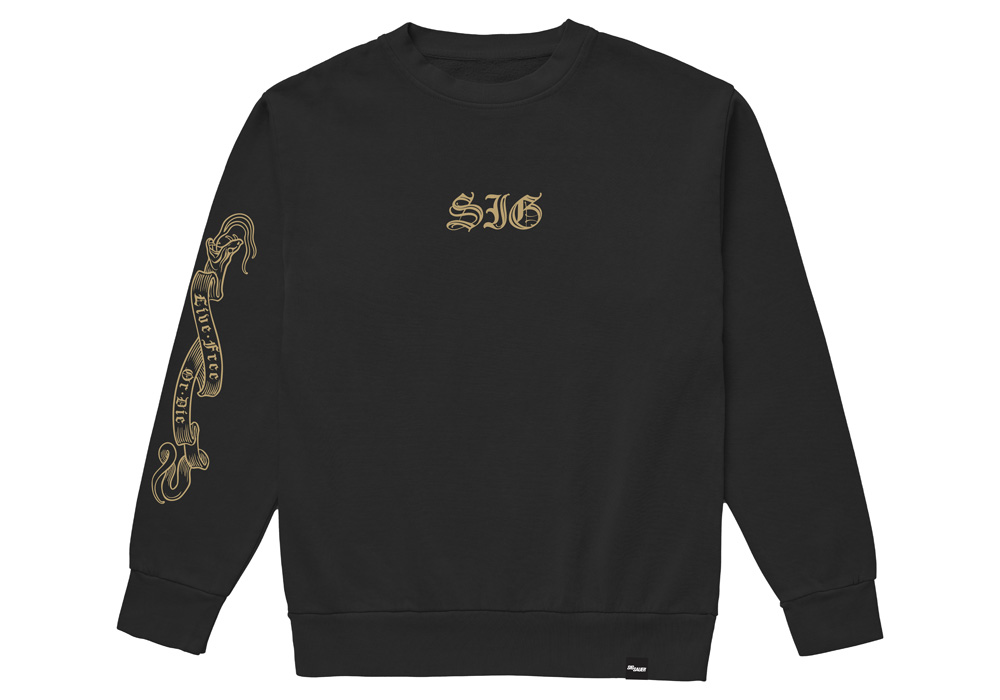
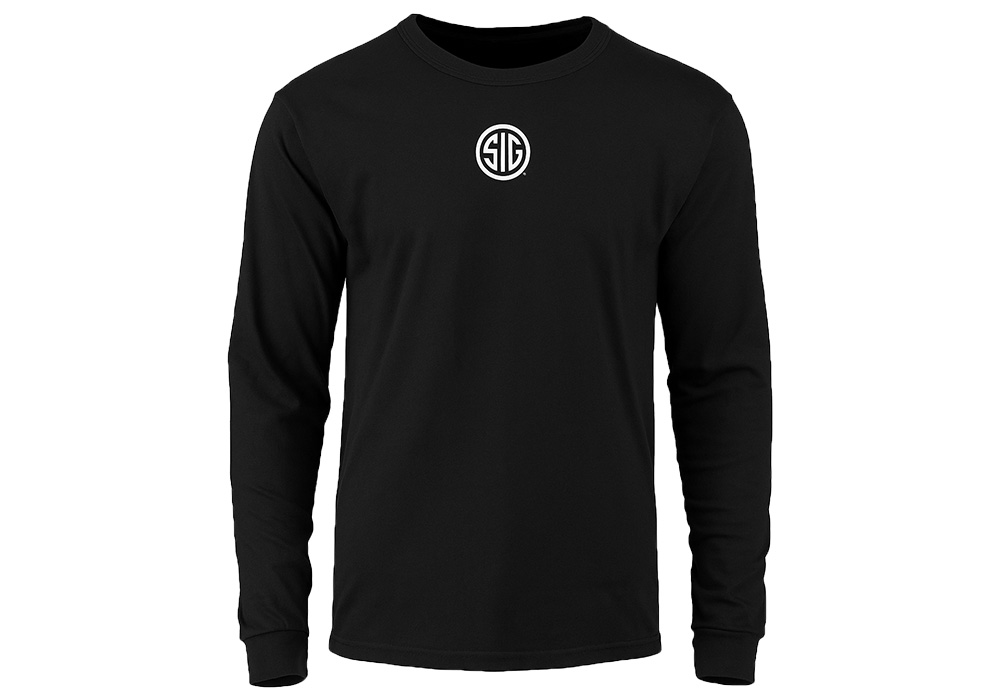
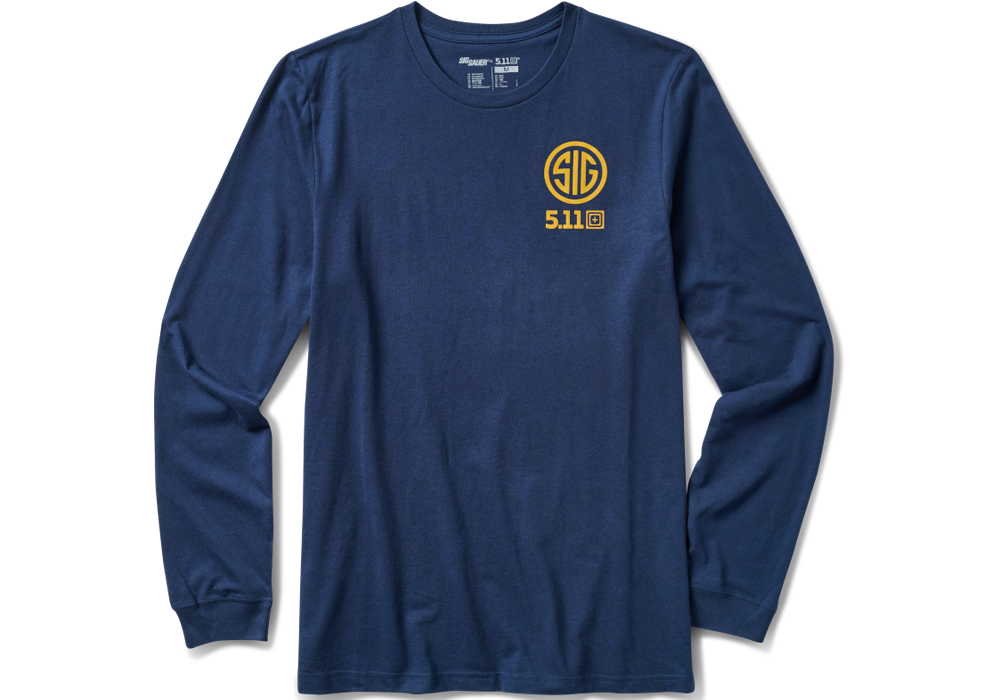
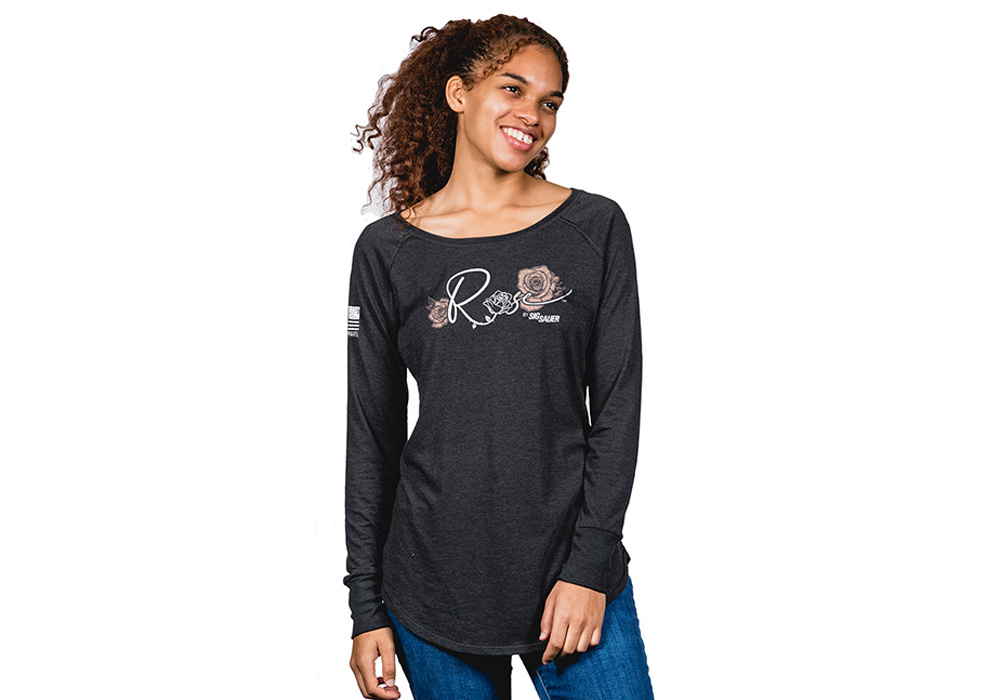
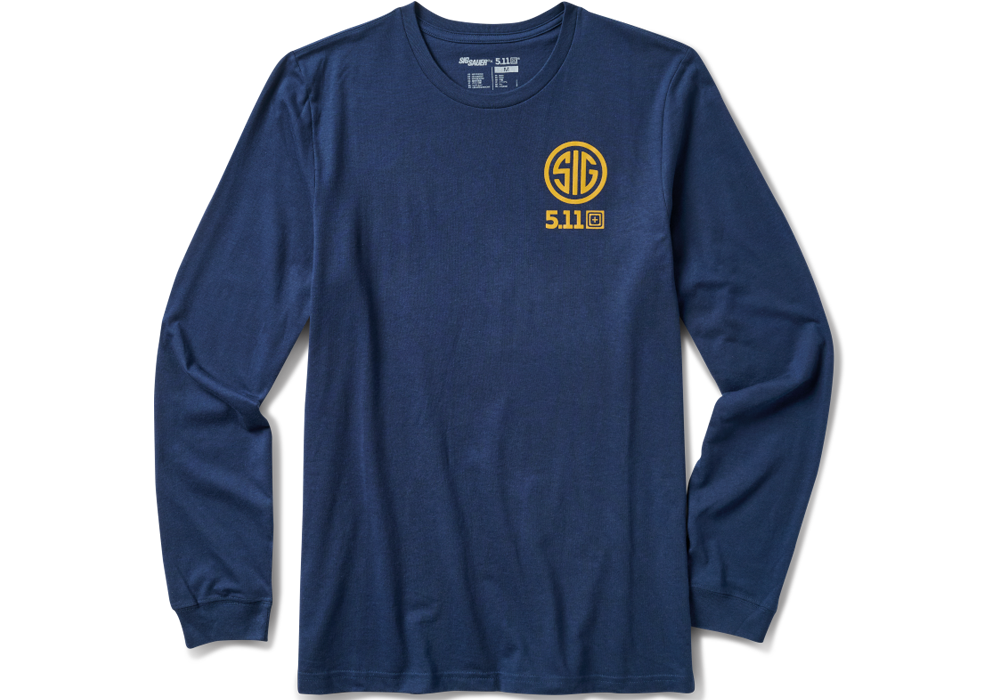
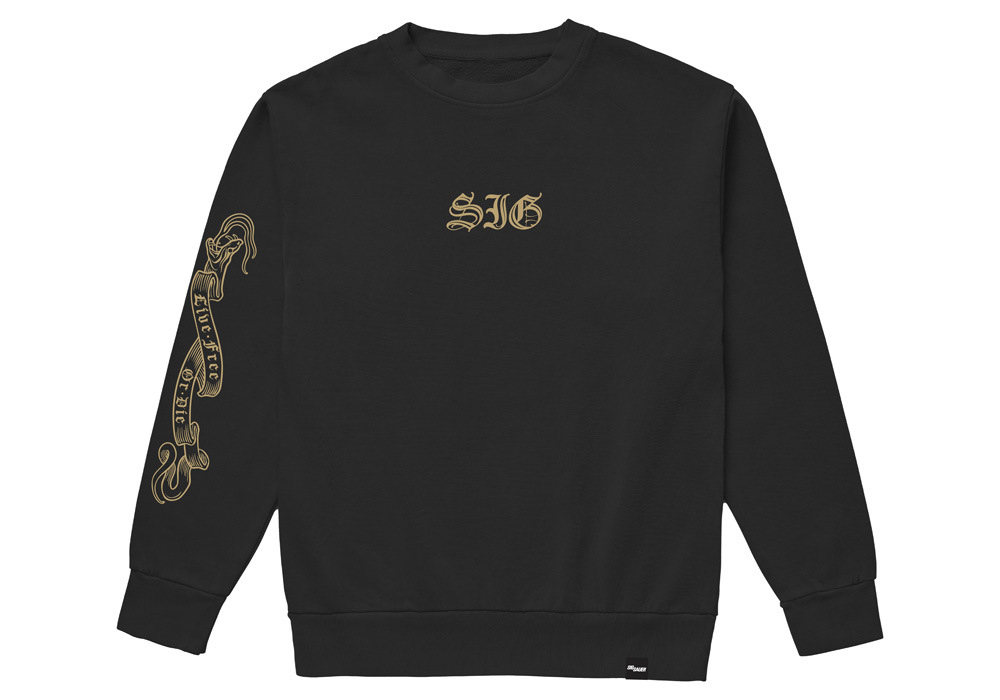
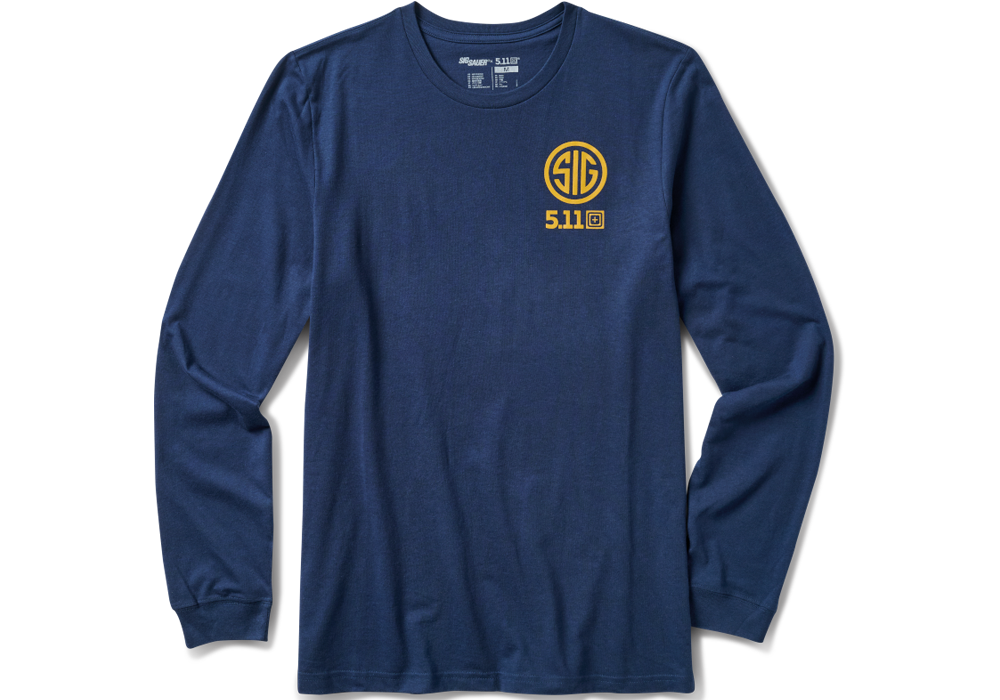
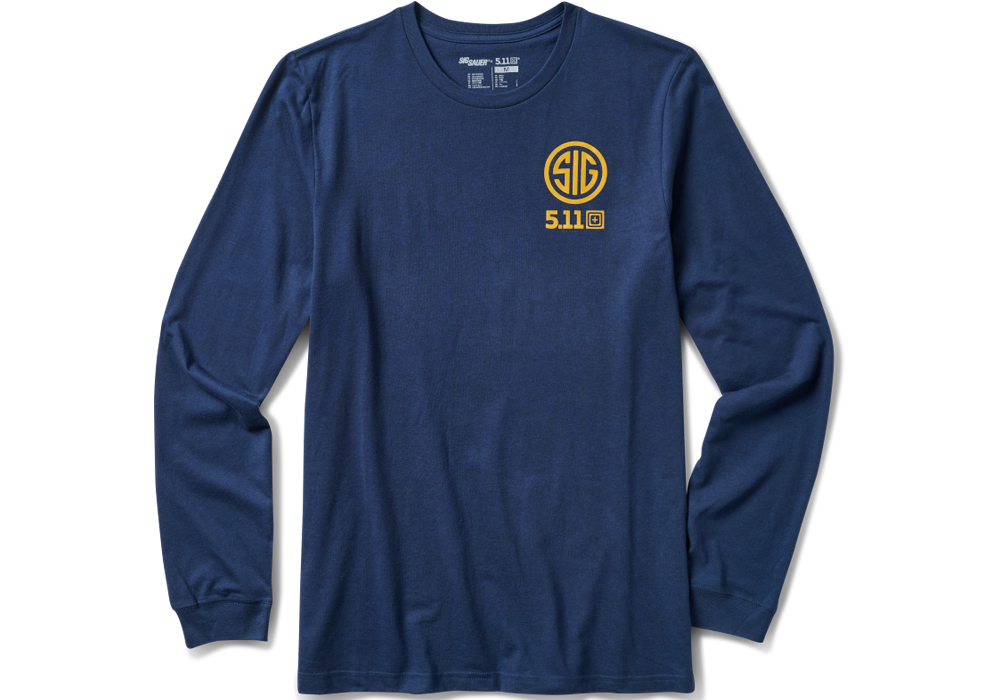
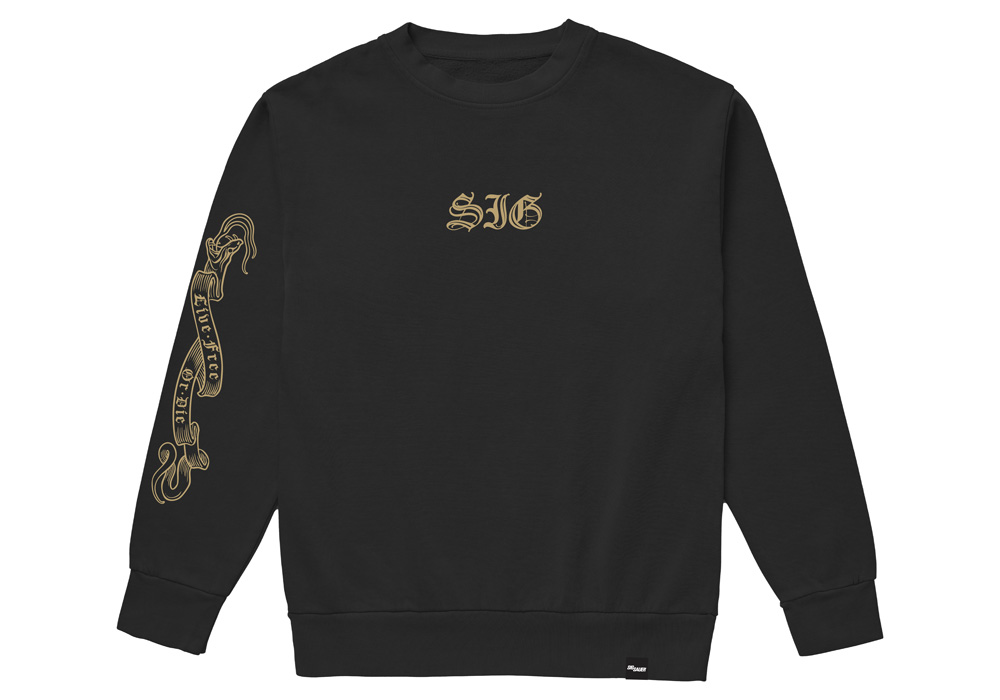
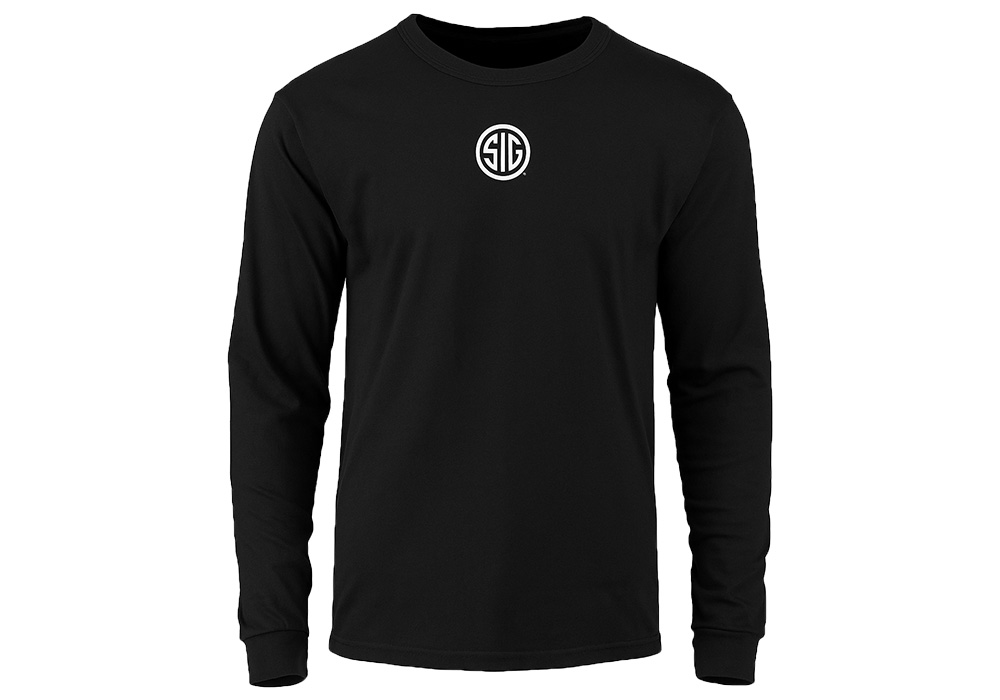
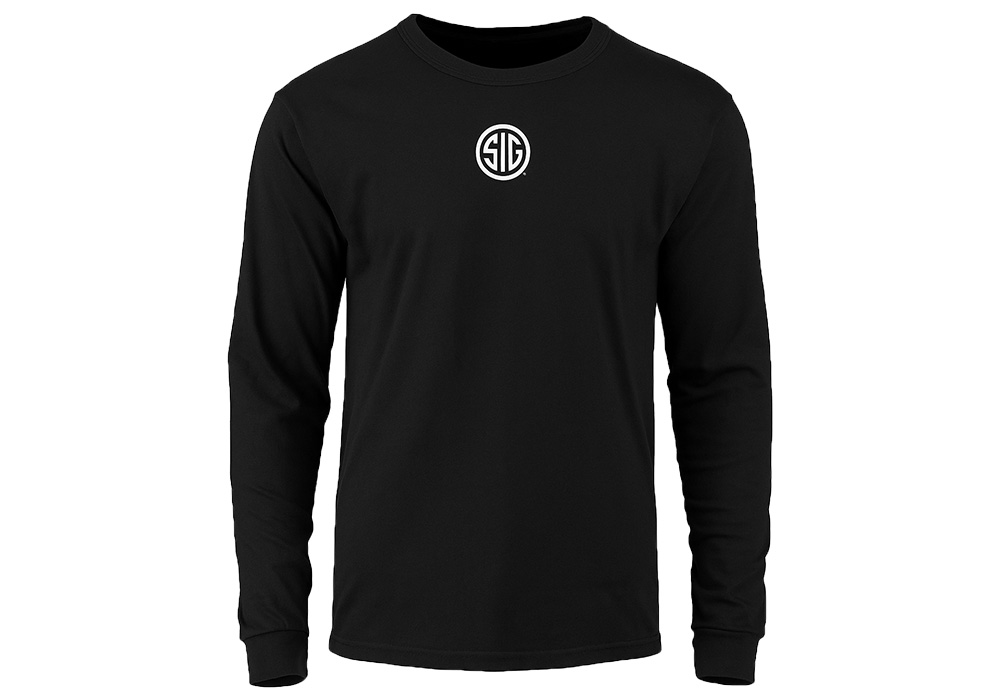
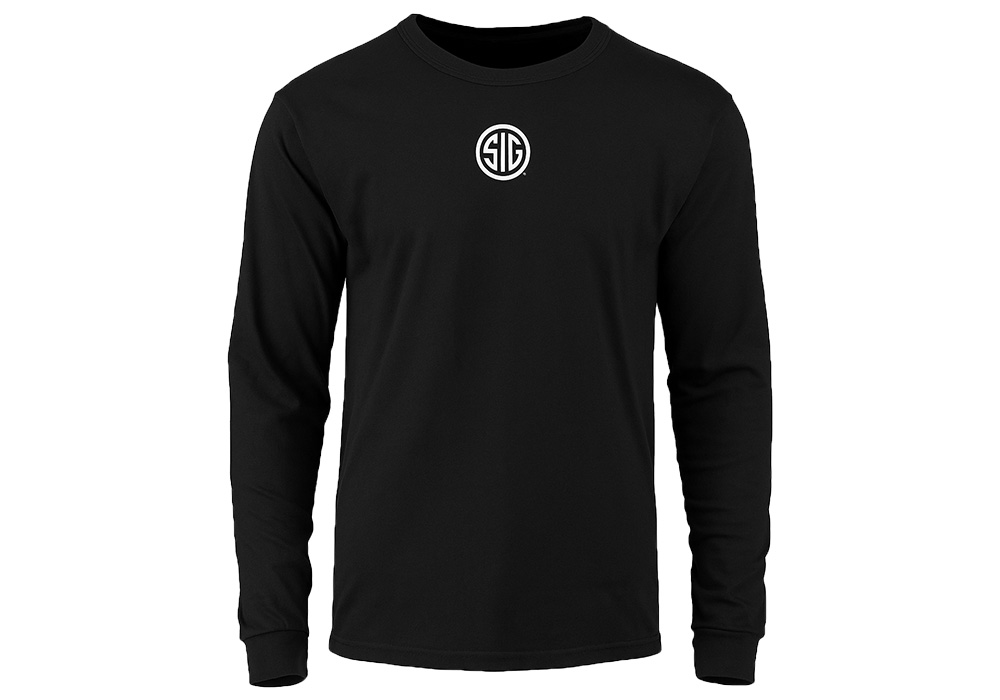
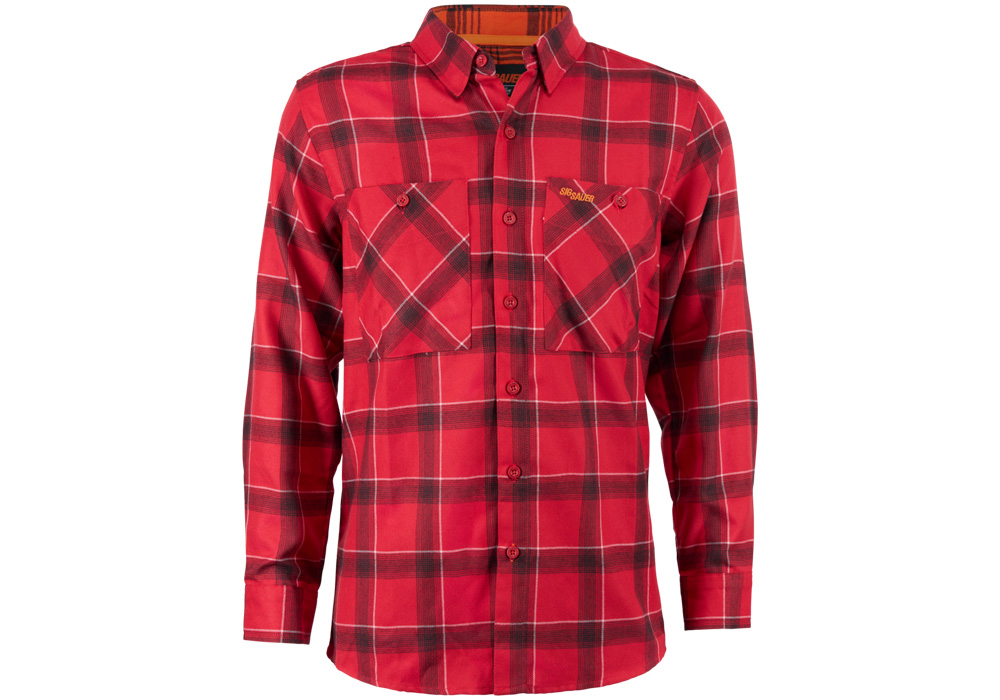
Shop long-sleeve shirts for fall layering, whether you need a standalone top for mild days or an extra layer beneath a sweatshirt or jacket. Consider fit and styling to find a shirt that pairs with your everyday wardrobe and sits comfortably under outer layers.

per page
Long-sleeve shirts for fall layering provide an adaptable foundation beneath flannels, cardigans, vests, and jackets, while remaining comfortable enough to wear on their own. Their usefulness comes from balancing fabric weight, breathability, and fit: a shirt should feel substantial enough for a crisp morning without becoming bulky beneath another layer. A lightweight knit works well under a close-fitting sweater, while a midweight shirt offers more substance when worn with jeans and an open jacket. Cotton typically has a soft, familiar feel that suits everyday wear, from a morning coffee stop to an afternoon spent organizing the garage. Cotton blends can combine that softness with other characteristics, such as improved shape retention or faster drying, depending on the fibers and construction. Polyester-rich fabrics often dry more quickly than cotton, making them worth considering for active outings where perspiration is a factor. Wool blends can provide warmth in a relatively thin layer, although their texture and care requirements vary. Fabric weight alone does not tell the whole story. A dense knit may feel warmer and less airy than a lighter, more open construction, and a brushed interior can feel cozy without requiring an especially thick shirt. The best match depends on how the shirt will be worn. Walking a wooded trail, spending several hours at an outdoor range, and moving between a vehicle and a heated building place different demands on the same basic layer. For a mostly indoor day with brief stretches outside, a breathable shirt under removable outerwear offers flexibility. For longer periods outdoors, the long-sleeve shirt becomes one part of a broader clothing system rather than a substitute for insulation or weather protection. That distinction keeps expectations practical: sleeves provide coverage, but warmth and protection depend on the complete outfit, the fabric, and the conditions. A useful fall layer earns its place by feeling comfortable across those ordinary changes in activity, whether worn beneath a substantial overshirt or paired with a vest that leaves the arms free.

Fit matters just as much as fabric when several garments share the same space. Long-sleeve layering shirts generally work best when they follow the body without pulling across the chest, shoulders, or upper arms. Excess fabric can bunch beneath a jacket, while a shirt that is too snug may restrict reaching or feel uncomfortable after several hours. The shoulder seam, sleeve length, and body length offer useful clues. A shoulder seam that sits near the natural shoulder usually creates a clean foundation, and sleeves should cover the wrists without collecting in thick folds beneath outerwear cuffs. Someone with a longer torso may appreciate enough length to keep the hem in place when bending to tie a boot or reaching into the back of a vehicle. A straight hem can look tidy untucked, while a longer hem may suit someone who prefers a tucked base layer. Necklines also affect how a layered outfit feels. A crew neck sits neatly beneath an open flannel or a zip-front jacket; a higher neckline provides more coverage but may feel crowded beneath another close collar. Cuffs that stay comfortably in place help prevent sleeves from shifting when another garment goes on over them. A small amount of stretch can make reaching and bending easier, though a well-proportioned cut remains important even when the fabric stretches. Trying the same motions used throughout the day—crossing the arms, reaching forward, sitting, and bending—reveals more than standing still in front of a mirror. Construction deserves similar attention. Even stitching, smooth interior seams, and a neckline that lies flat contribute to everyday comfort. Reinforcement at areas that receive repeated tension can support durability, but no single detail guarantees a longer service life. Friction from backpack straps, frequent laundering, and rough work surfaces all affect how fabric wears. For a shirt intended to move between casual workdays, weekend errands, and outdoor recreation, an uncomplicated shape and a comfortable finish often matter more than decorative details.

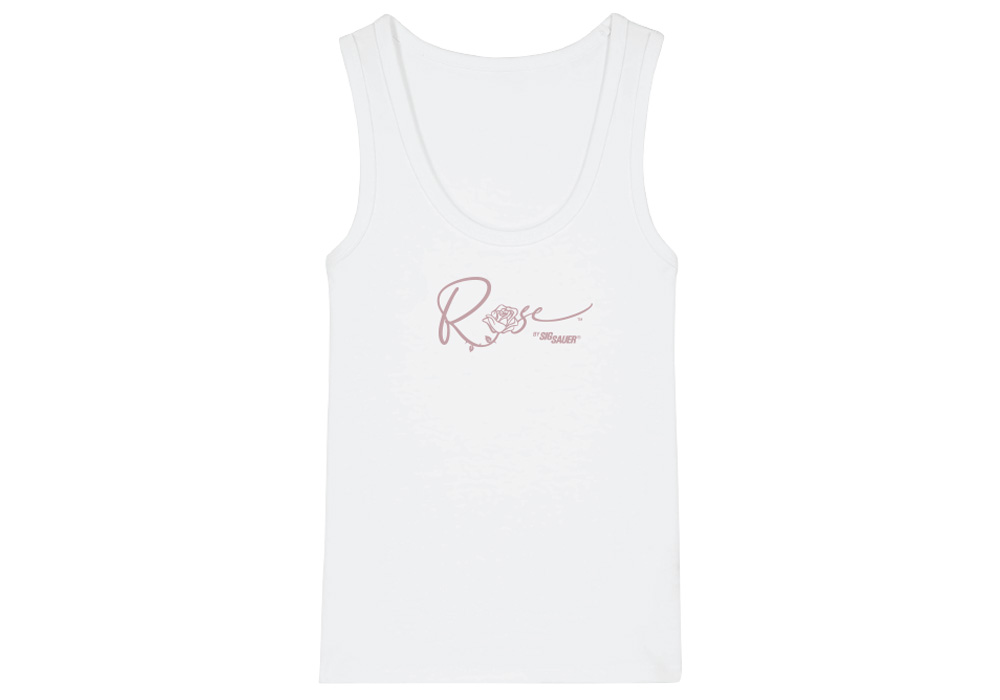
Care helps preserve the qualities that make a long-sleeve shirt useful in the first place. The garment label should guide washing and drying, especially when a fabric combines fibers with different needs. Cooler wash settings and lower drying heat often help limit shrinkage and unnecessary wear when the label permits them. Separating shirts from abrasive hardware, securing zippers on other garments, and avoiding an overloaded washer can reduce friction during laundering. Some knits benefit from being reshaped and dried flat; others tolerate routine machine drying. A shirt that fits neatly before washing may feel very different afterward if its care requirements are overlooked, so expected shrinkage and drying instructions belong alongside size and fabric in the buying decision. Appearance is another practical consideration. Heathered fabrics introduce subtle texture, solid colors create an understated foundation, and restrained graphics can add character without competing with an outer layer. Darker shades may show lint more readily, while lighter shades can reveal marks from daily use. Neither is inherently better; the right choice reflects the wearer's routine and willingness to maintain it. Long-sleeve shirts also fit naturally into a wardrobe built around familiar pieces rather than complete outfits reserved for one occasion. Pairing a shirt with broken-in denim, a comfortable vest, or a favorite flannel can carry the same basic layer from a quiet morning at home to an afternoon outside. Lighter pieces such as summer tops for women can remain useful beneath a long-sleeve shirt worn open, adding another way to adjust coverage without relying on one heavy garment. As gifts, long-sleeve shirts suit people who appreciate practical clothing for everyday routines, travel, and relaxed outdoor time. Familiar sizing, preferred necklines, and the recipient's usual care habits are more useful starting points than guessing at a bold new style. An easy-care fabric, comfortable sleeves, and room for a familiar outer layer help turn a simple shirt into something that gets worn repeatedly throughout fall and beyond.

FAQ

Related Pages

Compare Products
Items
Launch Compare

Zip Code Verification

Some localities have legal restrictions on products which requires the validation of your ZIP code

Age Verification

Some localities have legal restrictions on products which requires the validation of your age