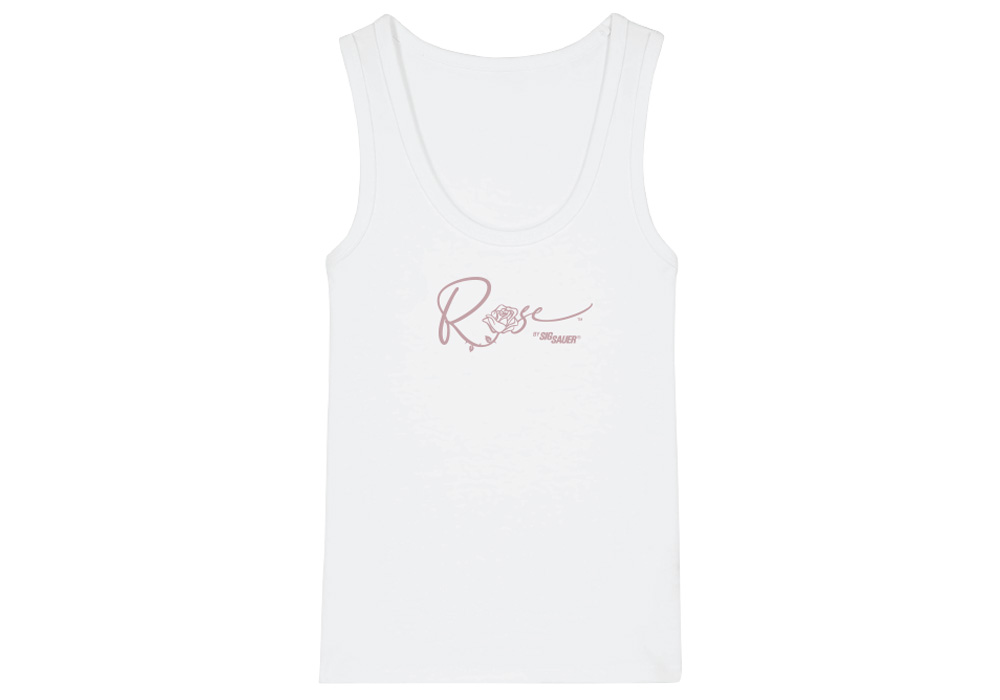
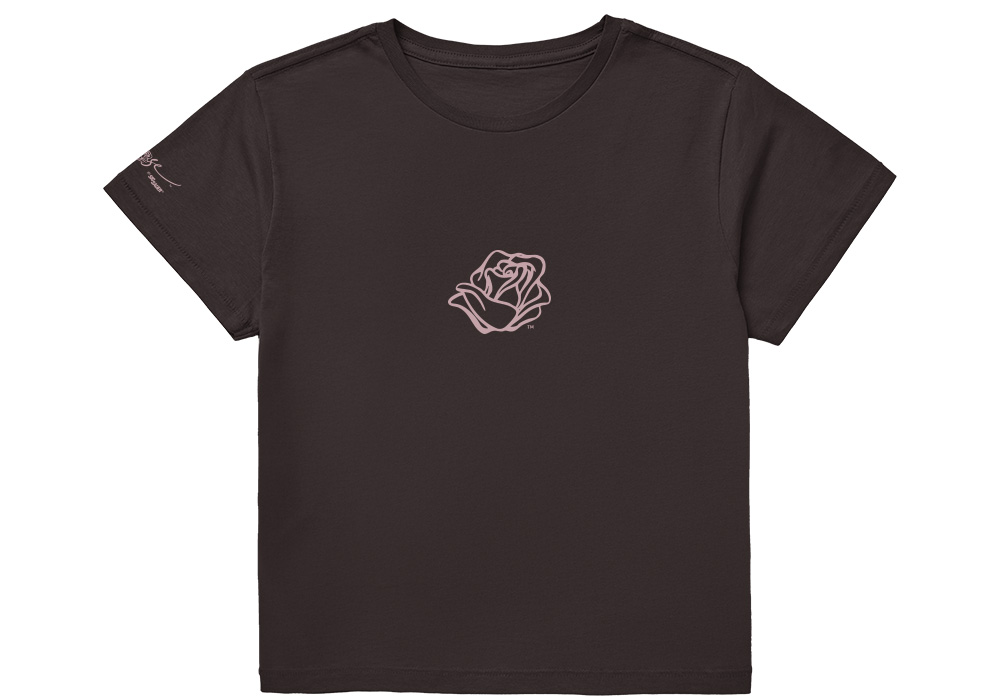
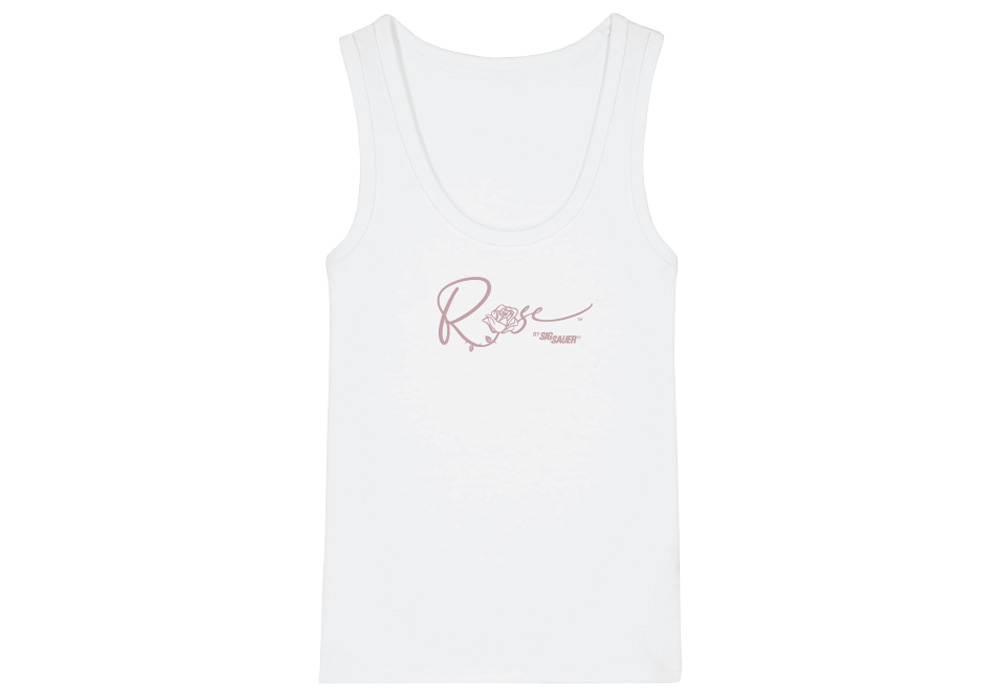
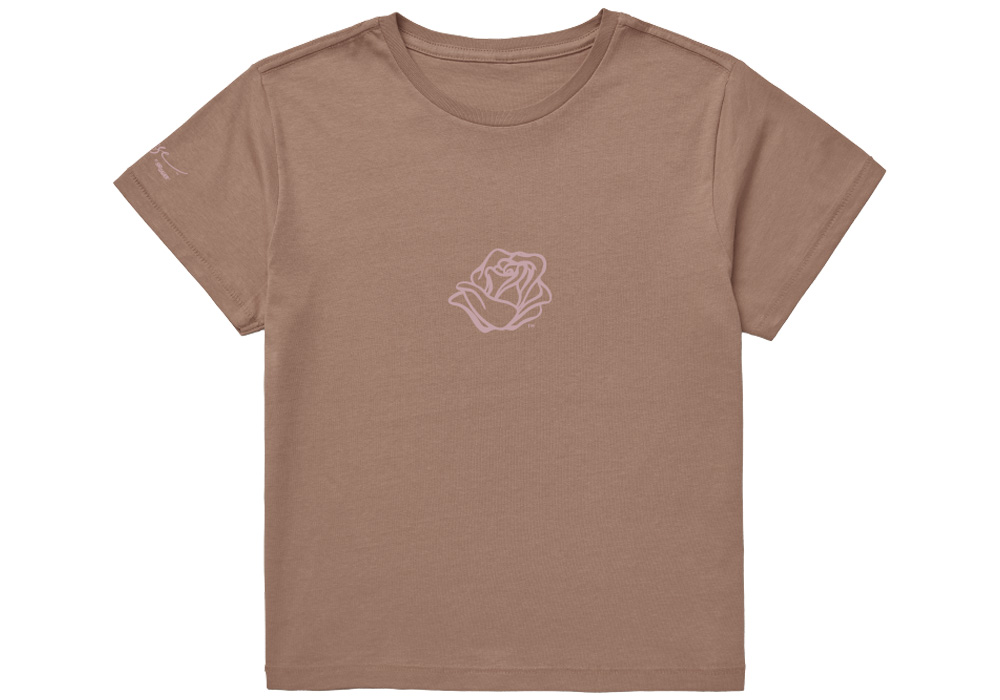
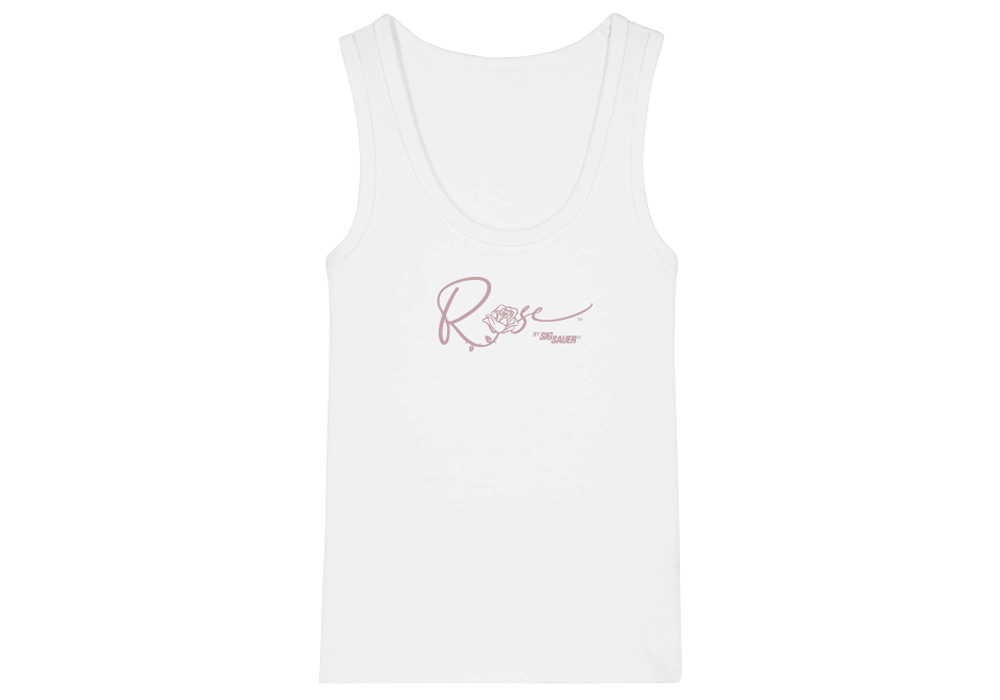
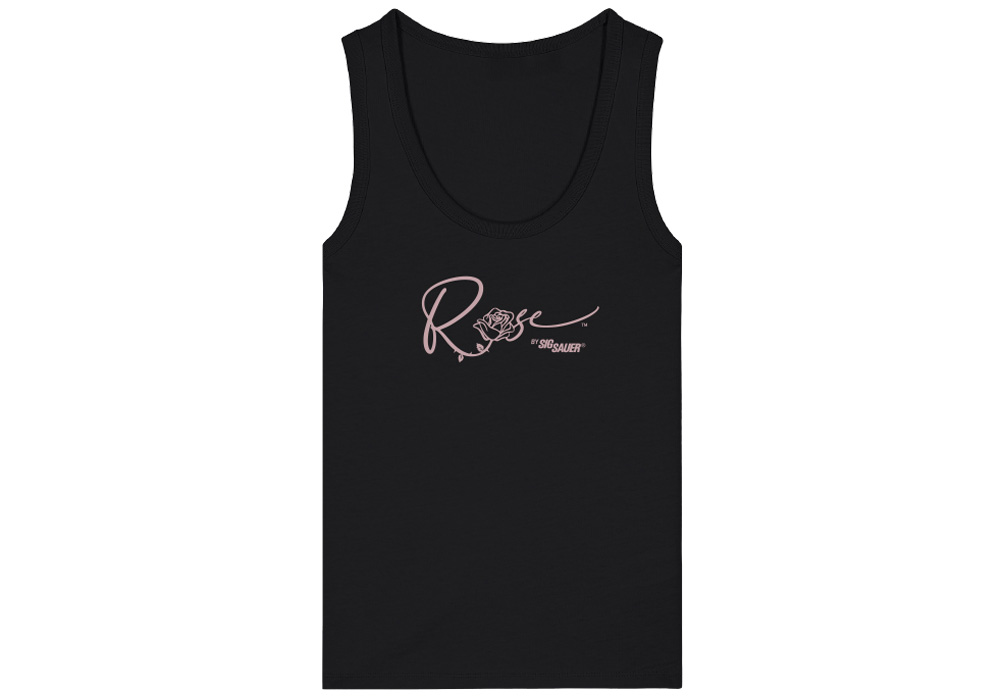
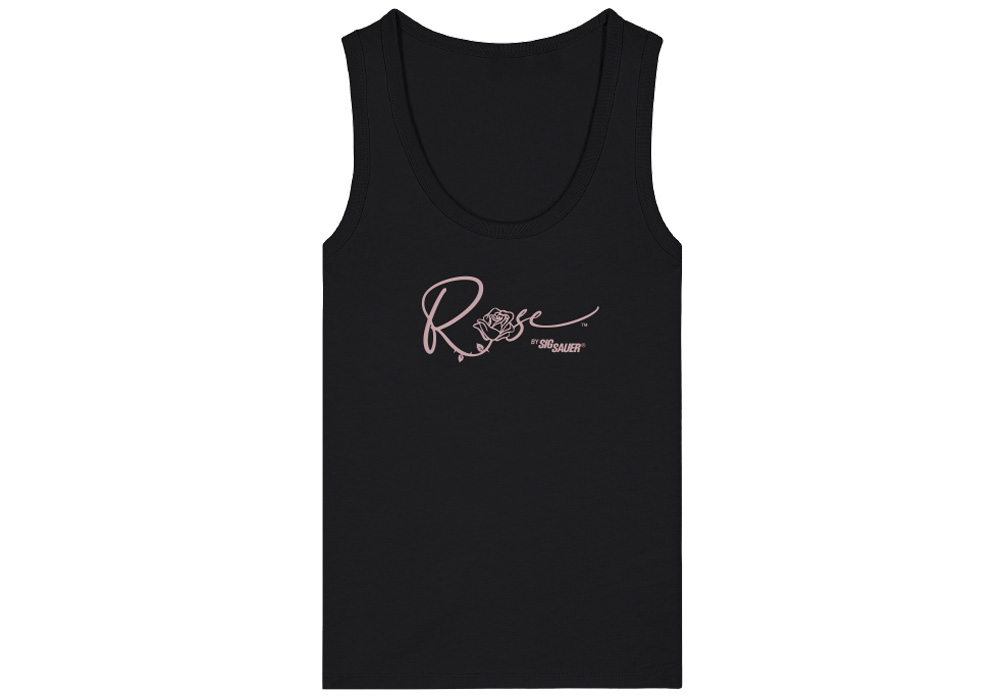
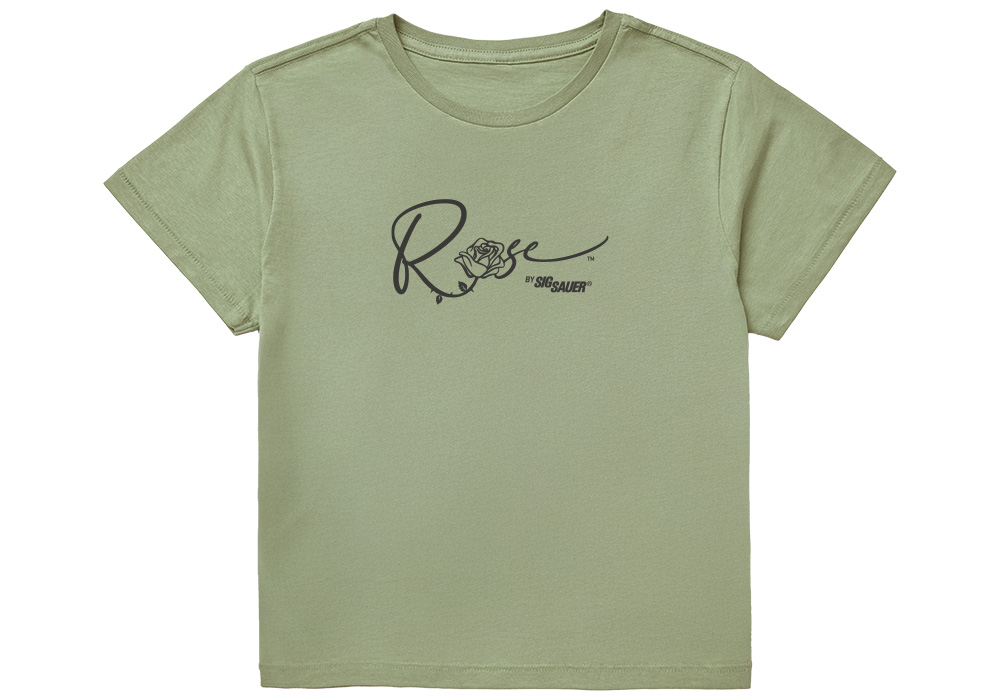
Summer tops for women balance an easy feel with the coverage, shape, and styling details that make a piece comfortable to wear throughout the day. Tanks, short-sleeve tees, sleeveless blouses, and cropped silhouettes each bring something different to a warm-weather wardrobe, whether the occasion is a backyard lunch, a weekend road trip, or an afternoon spent walking around town. Fabric has a noticeable influence on how a top feels and hangs. Cotton jersey generally has a soft, familiar texture that works well for everyday wear, while linen has a more textured appearance and tends to sit lightly against the skin. Blends can combine the characteristics of several fibers, adding stretch, helping fabric retain its shape, or reducing some of the wrinkling associated with natural materials. Fabric weight matters just as much as fiber content: a fine knit can feel light without being especially airy, while a slightly heavier fabric with an open structure may allow more airflow. Breathability, moisture management, and drying speed are separate qualities, so a lightweight feel alone does not tell the whole story. Surface texture also changes the look of a top. Smooth jersey creates a clean backdrop for a graphic or a favorite necklace, ribbing adds dimension, and woven fabrics can give a simple silhouette a little more structure. Lighter colors can complement denim, canvas shorts, and neutral trousers, though pale fabrics deserve a closer look for opacity. Darker shades and printed designs offer a different visual effect without necessarily indicating how breathable a garment will be. For a summer top that moves between everyday settings, the useful details are often straightforward: fabric that feels pleasant against the skin, seams that do not rub, and a shape that stays comfortable while sitting, reaching, or carrying a shoulder bag. Those details tend to matter longer than any single trend.
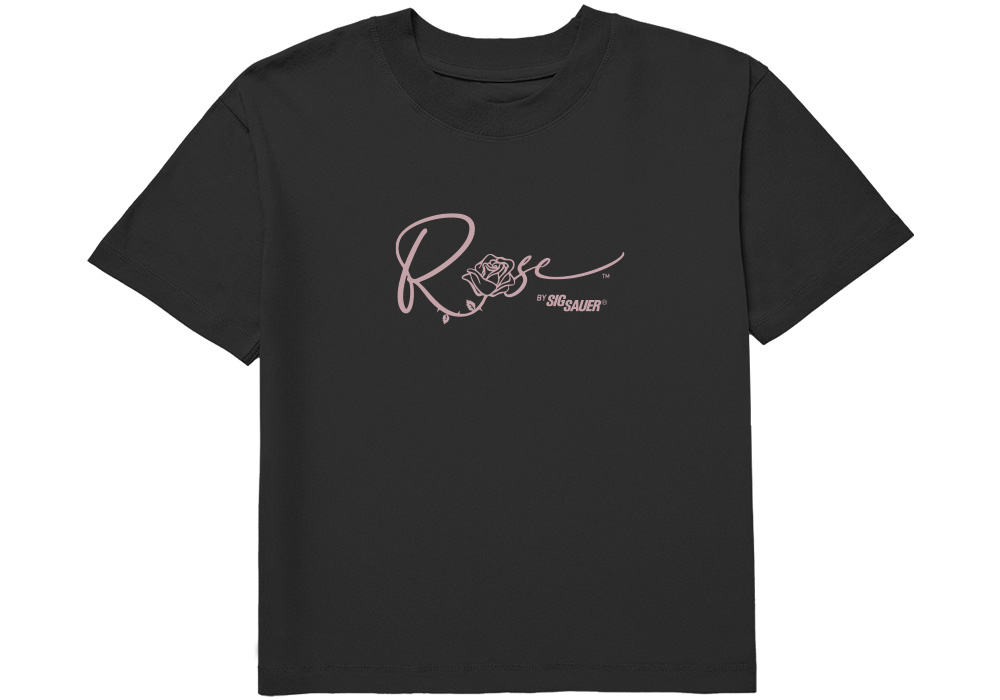
Fit determines how those fabric qualities translate into everyday comfort. A close-fitting ribbed top has a different feel from a relaxed tee, even when both contain similar fibers. Stretch can help a fitted silhouette move with the body, but the amount of stretch, the fabric’s recovery, and the placement of seams all influence whether it keeps its shape after several hours of wear. Shoulder width and armhole depth are especially useful considerations for sleeveless styles. An armhole that feels comfortable while standing may reveal more at the side when reaching across a table, and narrow straps can affect which undergarments sit neatly underneath. Crew necks offer more coverage across the upper chest, while scoop and V-shaped necklines create a more open frame; neither needs to feel restrictive when the proportions suit the wearer. Length is another practical distinction. A longer hem can stay tucked into shorts or trousers, while a shorter cut reduces extra fabric around the waistband. For a shorter silhouette with visual interest, women's cropped graphic T-shirts pair naturally with high-rise denim, relaxed shorts, or a skirt that sits at the waist. The point where the hem meets the waistband can change when sitting or lifting the arms, making torso length as relevant as the size on the label. Size charts are most useful when read alongside any fit description and garment measurements, rather than assuming every cut will fit alike. Comparing measurements with a comfortable top already in the closet can help clarify proportions. A relaxed top can balance a more fitted bottom, while a streamlined tank can sit neatly beneath an open shirt. For travel days, straps that work with a backpack and a hem that stays comfortable beneath a seat belt may matter more than decorative details. For lunch on a patio or a casual gathering, neckline shape, texture, and a clean fit can give a simple outfit a more finished appearance without adding much layering.
Durability and care help determine whether a summer top becomes an occasional option or a dependable part of the weekly rotation. Even stitching, secure hems, and a neckline that returns to its shape after gentle stretching are useful signs of thoughtful construction. Fabric that feels substantial enough for its intended use can be more practical than choosing by softness alone, particularly when a top will see frequent washing or friction from bag straps. Care needs vary by fiber, knit structure, trim, and print treatment, so the garment’s care label remains the best reference. Where the label permits it, washing with similar colors, using an appropriate gentle cycle, and avoiding excessive dryer heat can help preserve fit and appearance. Turning printed tops inside out can reduce direct friction against the design in the wash. Cotton can shrink under certain washing and drying conditions, linen often develops visible creases, and some stretch fabrics benefit from lower heat. Lightweight pieces can also catch on rough fasteners, so separating them from exposed hooks or abrasive hardware helps limit snags. Between wears, allowing a top to air fully before folding or storing it keeps the wardrobe routine simple. Summer tops also suit different kinds of plans: a soft tee for everyday errands, a sleeveless shape for an outdoor meal, or an easy layer beneath a shirt in an air-conditioned room. Ordinary lightweight clothing should not be assumed to provide a particular level of sun protection; a tested protection rating is the relevant detail when that performance matters. As a gift, a summer top is most personal when its fit, color, and graphic style reflect what the recipient already enjoys wearing. A familiar neckline or favorite silhouette is often a more useful starting point than an unfamiliar trend. Whether selected for a vacation suitcase or regular days close to home, the strongest choice is one that suits real routines, feels comfortable through movement, and remains easy to care for after the outing ends.