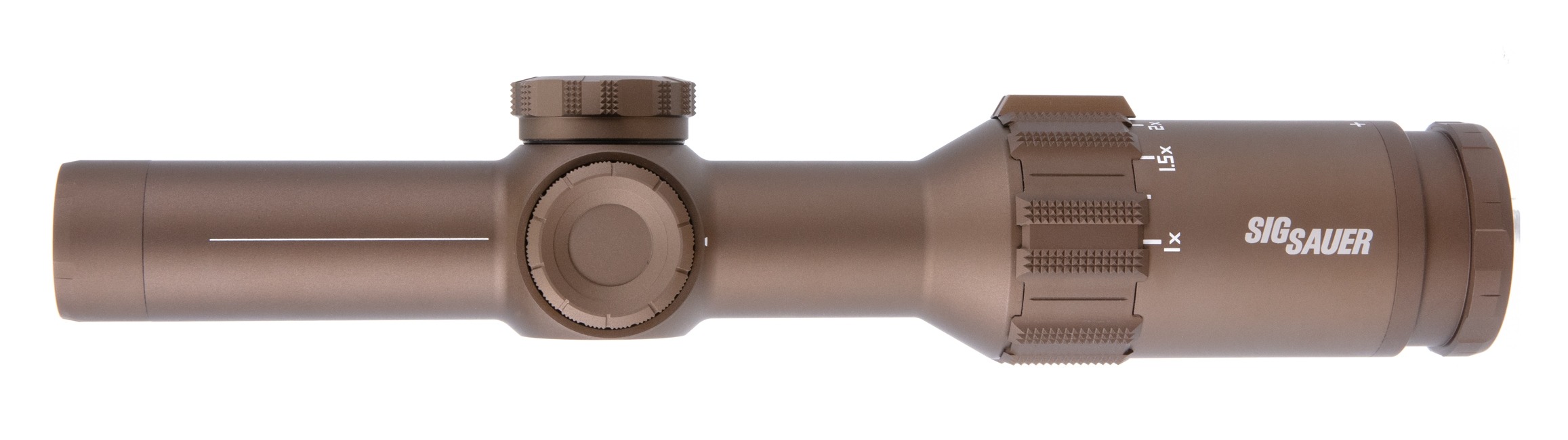
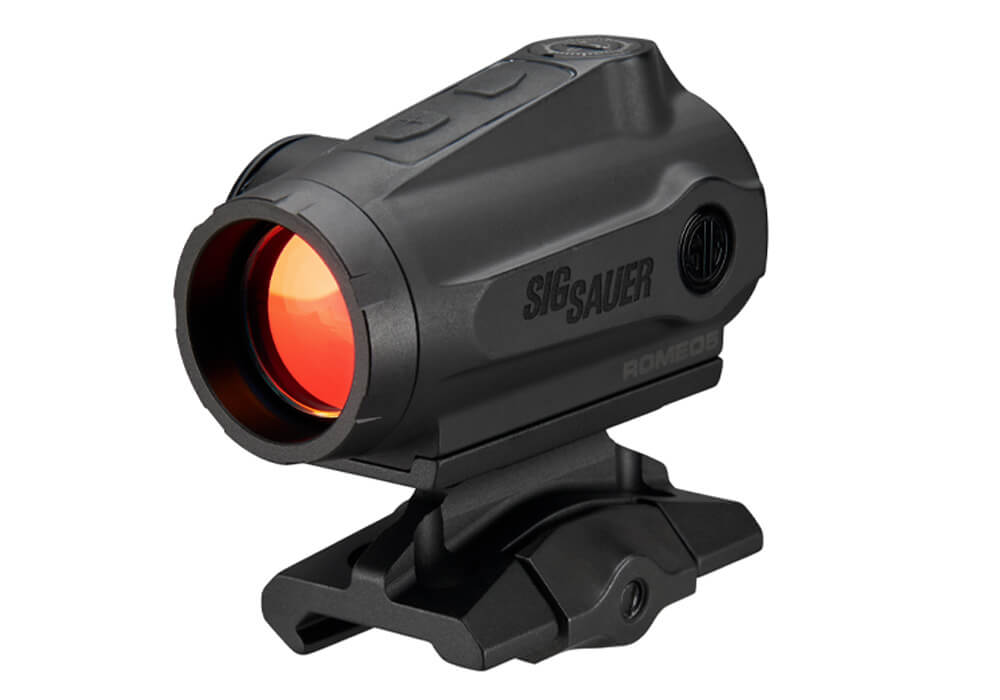
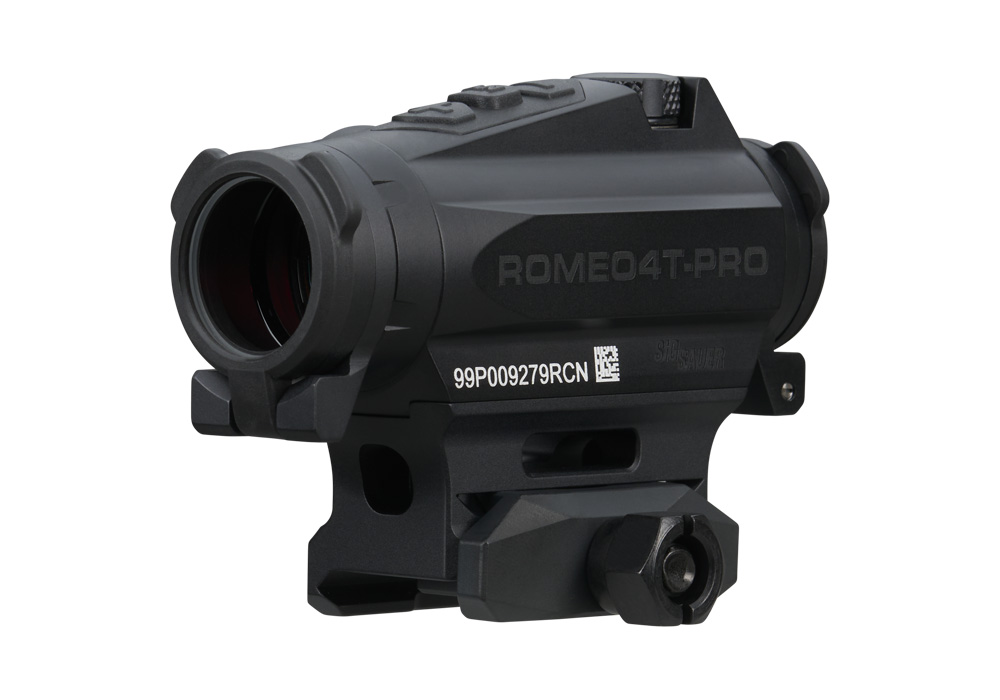
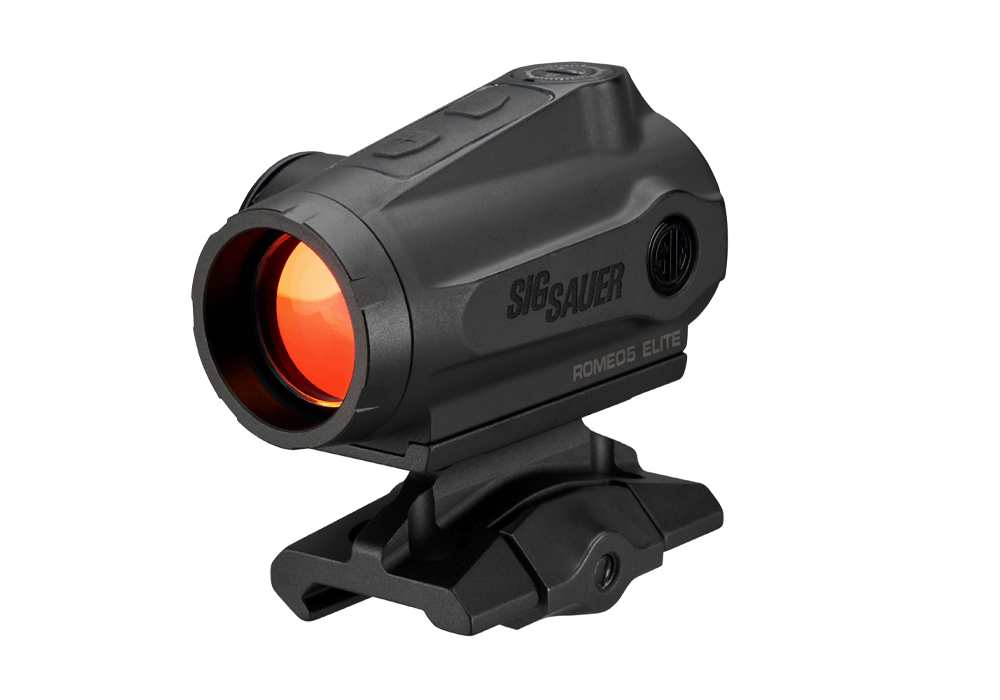
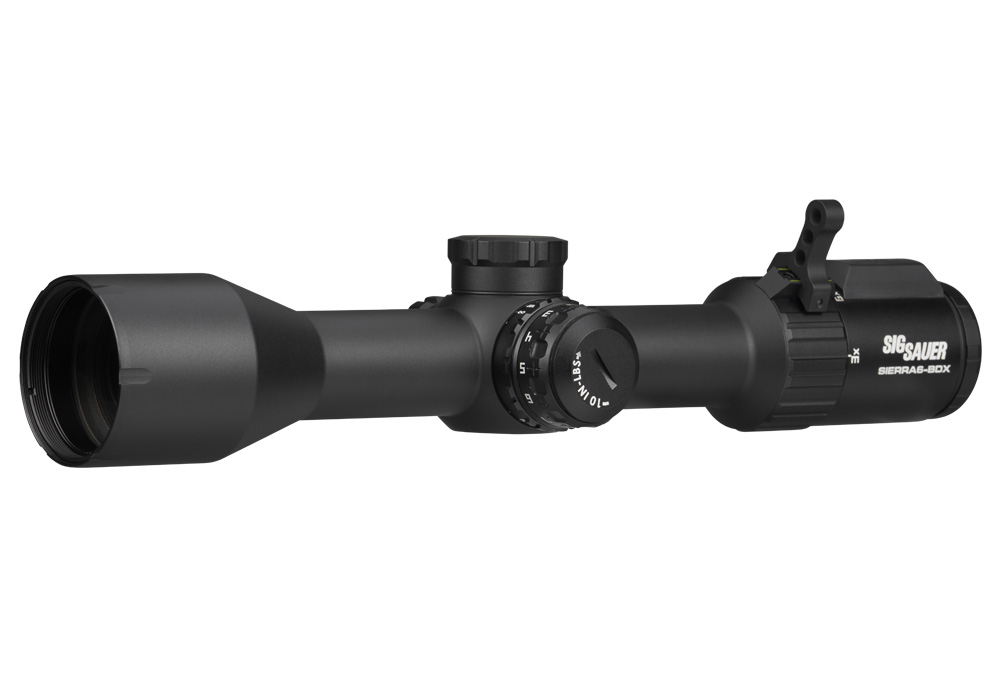
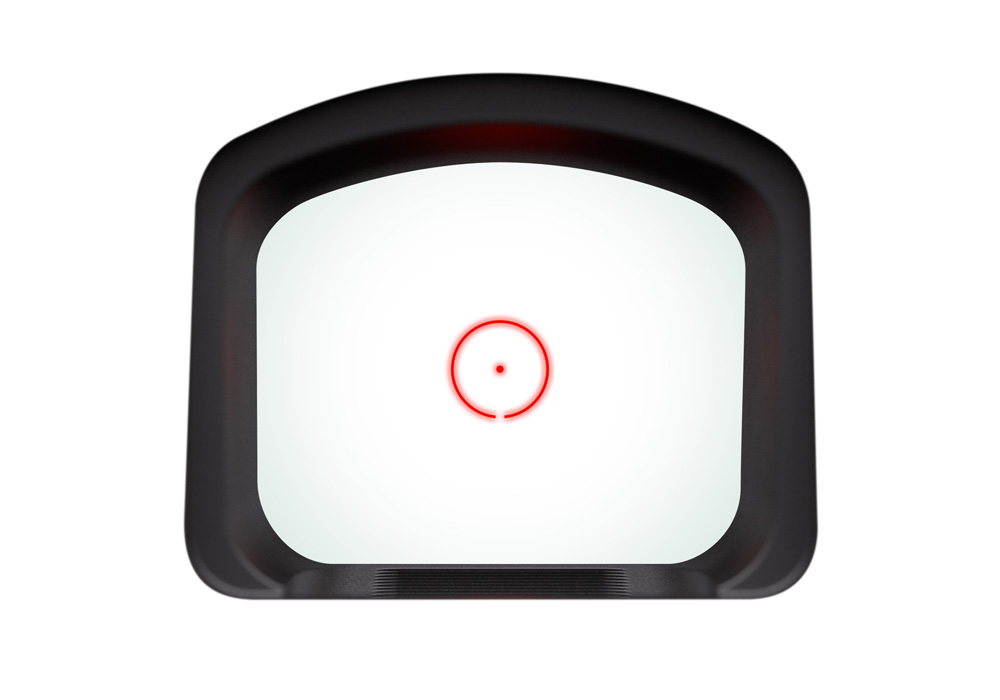
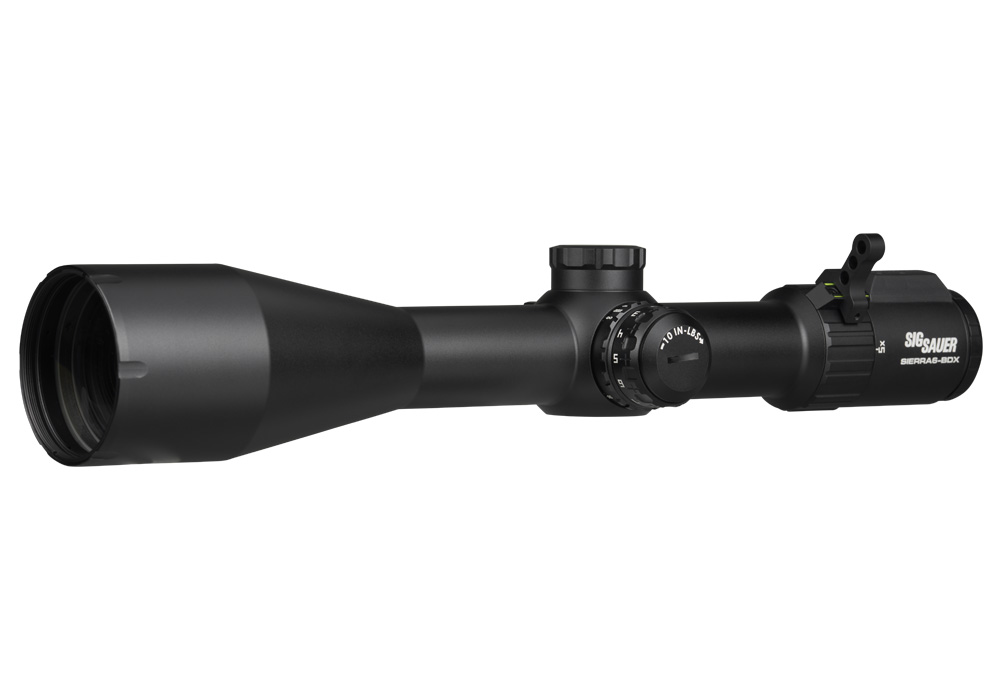
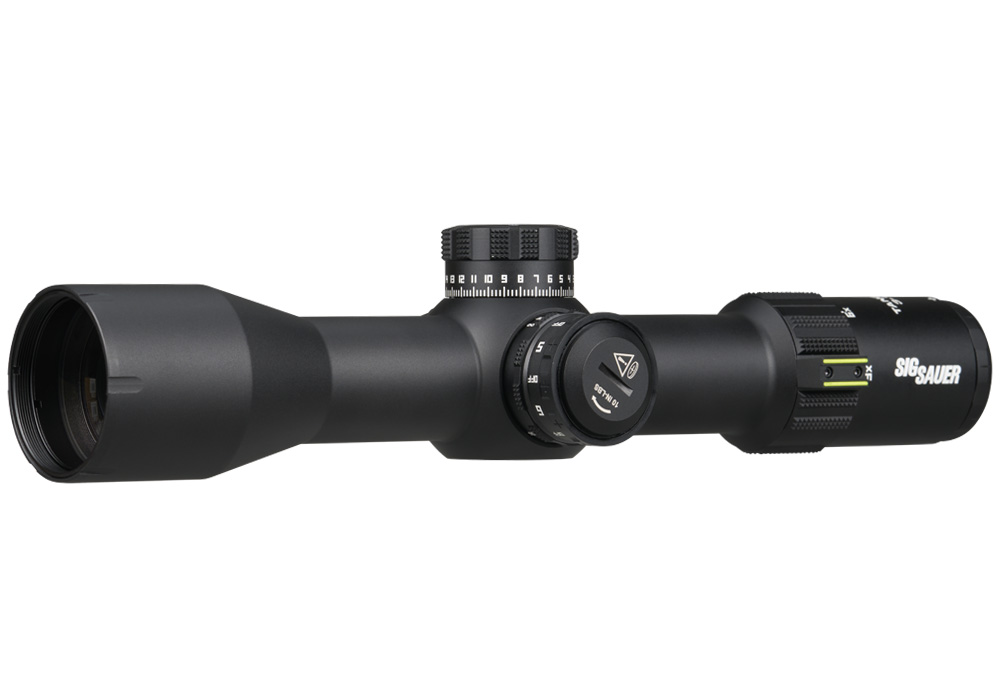
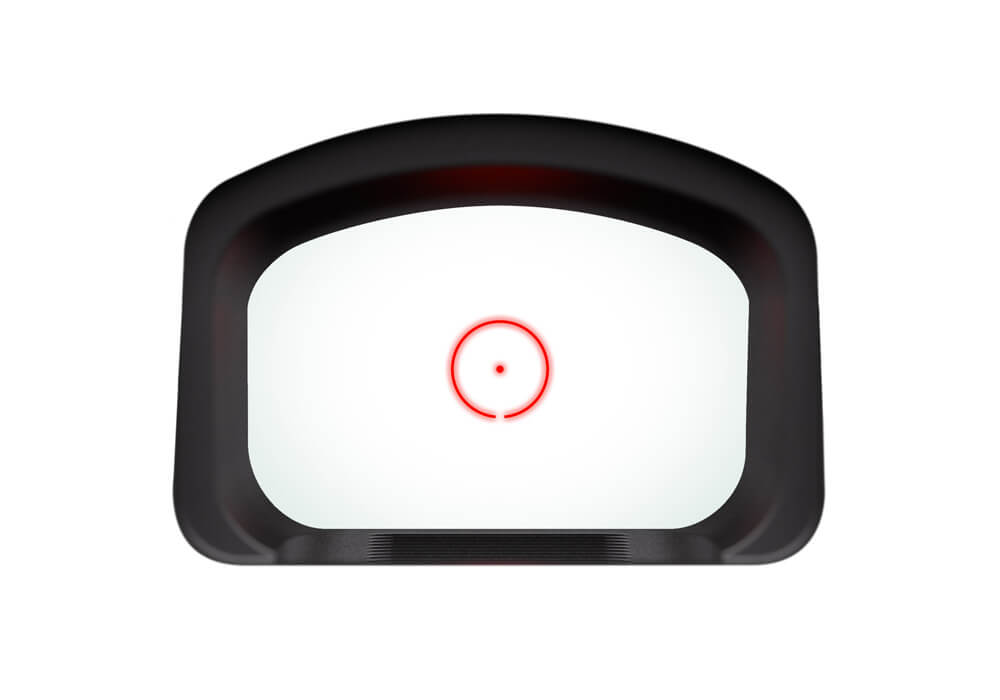
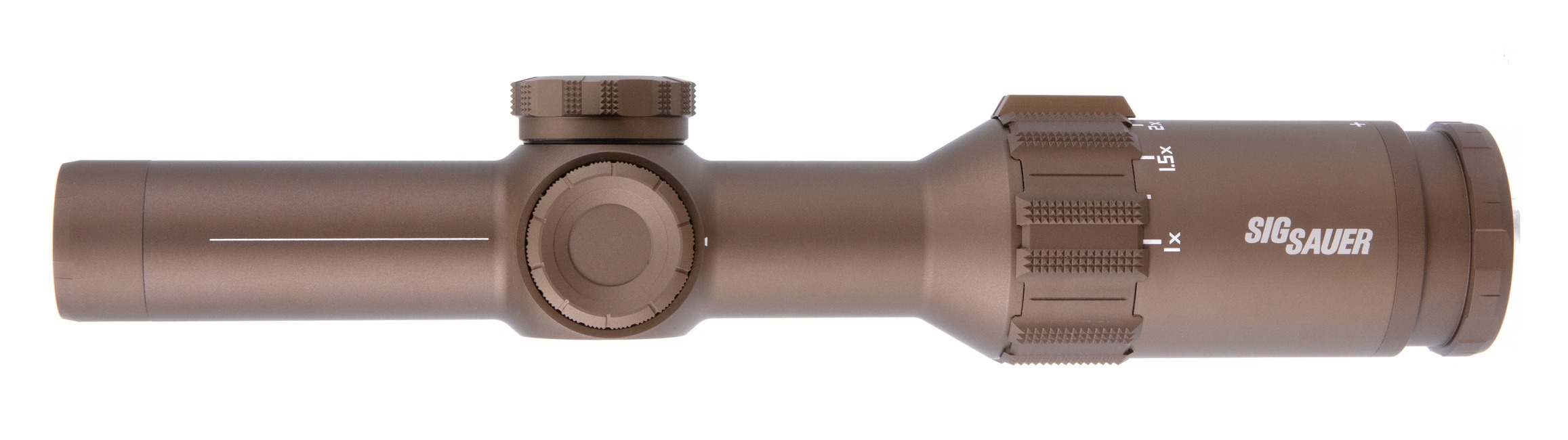
Black Friday optics shopping can bring several kinds of sporting optics into view at once, even though the differences between them aren’t always obvious in a product photo. Some use magnification to bring distant details into view, while a red dot sight typically offers an unmagnified view through a window with an illuminated point. Those are different viewing experiences, not steps on a ladder from basic to advanced. The broader selection is relevant to people who spend time at a sporting range, take part in organized target sports, or simply appreciate the design and construction of optical equipment. A shopper who already knows that an unmagnified view is the preference can browse Black Friday SIG Sauer Red Dot Sight Deals for that narrower category. Across optics types, lens quality is about more than how bright the glass looks at first glance. A neutral-looking view can make colors feel familiar rather than tinted, and coatings can help limit reflections that would otherwise compete with what’s visible through the glass. The housing deserves a separate look. Aluminum is common because it offers rigidity without the weight of some other metals, while a textured exterior can give fingertips a more distinct surface to hold when lifting the optic out of its case. Glass, housing, and finish each serve a different purpose. A matte exterior may show less glare on a bench under overhead lights, but it says little about how the lens handles reflections or how well the housing is sealed. A finish can also pick up a shiny spot where it rubs against a case divider without that cosmetic wear telling the whole story about the condition of the optic.
Fit is easiest to picture in terms of the equipment and storage someone already uses. A compact housing in a photo can look much like a larger one when both fill the same frame, so the listed dimensions are more useful than the image alone. Overall length matters, but so do height and width at the widest point, especially if the optic will share a fitted case with other gear. A case that used to close easily shouldn’t need pressure on the lid to accommodate a different shape. Weight is worth considering in the same practical way: a difference that seems minor on its own can be more noticeable when several pieces of equipment travel together. When intended compatibility isn’t clear, the manufacturer’s documentation is a better reference than visual resemblance. Two housings can have a similar outline without being interchangeable, and a familiar-looking shape is no guarantee that it will work with equipment already on hand. Durability descriptions benefit from the same close reading. A statement about resistance to moisture doesn’t necessarily describe resistance to dust, and neither tells a shopper much about how a surface will look after routine contact with hard objects. Specific test conditions, when provided, give those claims more meaning than a broad description of toughness. These details are particularly helpful when choosing a holiday gift for someone with an established sporting routine. A person who packs the same fitted case for every range visit may care more about dimensions than a different exterior finish. Someone who has mentioned wanting a particular style of viewing window is giving a more useful clue than someone who has simply said that an older optic is due for replacement. If the recipient’s preferences or equipment details aren’t known, an optic is a difficult gift to choose by appearance alone.
Care is part of how an optic holds up, and most of it happens during ordinary unpacking and storage rather than during a dedicated cleaning session. Fine grit on glass is a good example: a quick pass with a shirt hem may seem harmless, but the fabric can drag particles across the surface. Clearing loose debris with a hand blower or a soft lens brush before using a clean lens cloth gives those particles somewhere else to go. The cloth itself is best kept in a clean sleeve or pouch. One that has spent several outings loose in a bag beside keys and other small objects may be carrying the same grit it’s supposed to remove. If a fingerprint remains, a cleaner intended for coated optical glass is a better choice than a household spray, and any care directions for the optic take precedence. Exterior surfaces generally call for a different approach from the glass, so it helps to keep the lens cloth separate from anything used to wipe the housing. A padded compartment or properly fitting cover can also keep loose objects from rubbing against exposed surfaces in transit. If an optic or case is damp, let both dry before closing the case for storage rather than trapping moisture in the lining. For battery-powered designs, keep the care documentation handy so battery replacement and longer-term storage follow the guidance for that design. These habits are useful whether the optic spends most of its time in a cabinet or travels regularly with sporting gear. For everyday ownership, a clear view, a fit that suits the equipment already on hand, and a case that protects the glass without pressing against it are details that tend to matter long after the holiday shopping is finished.