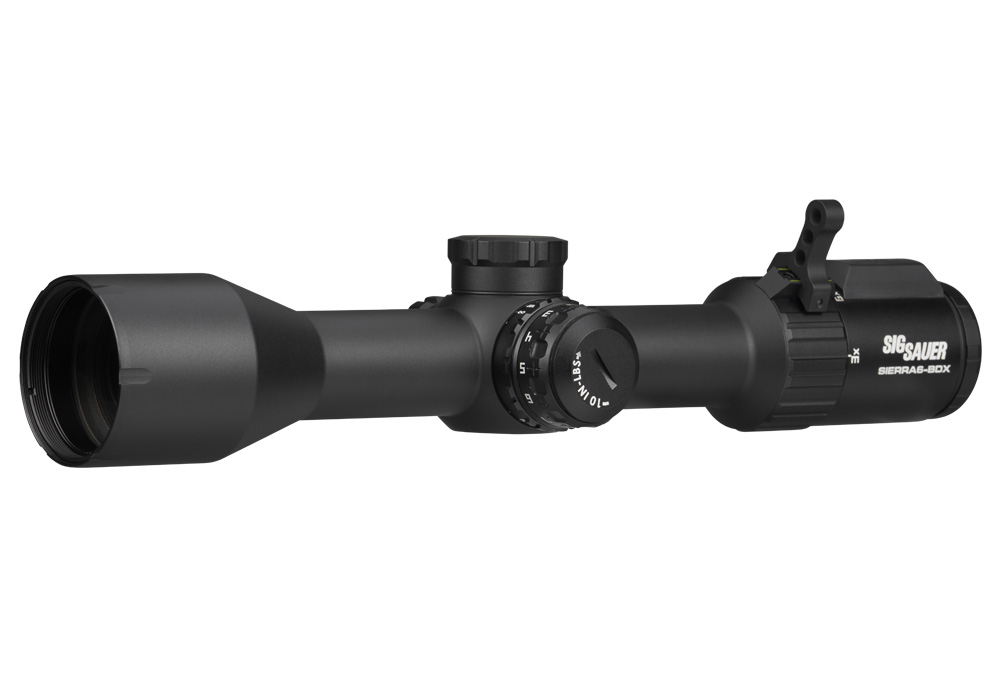
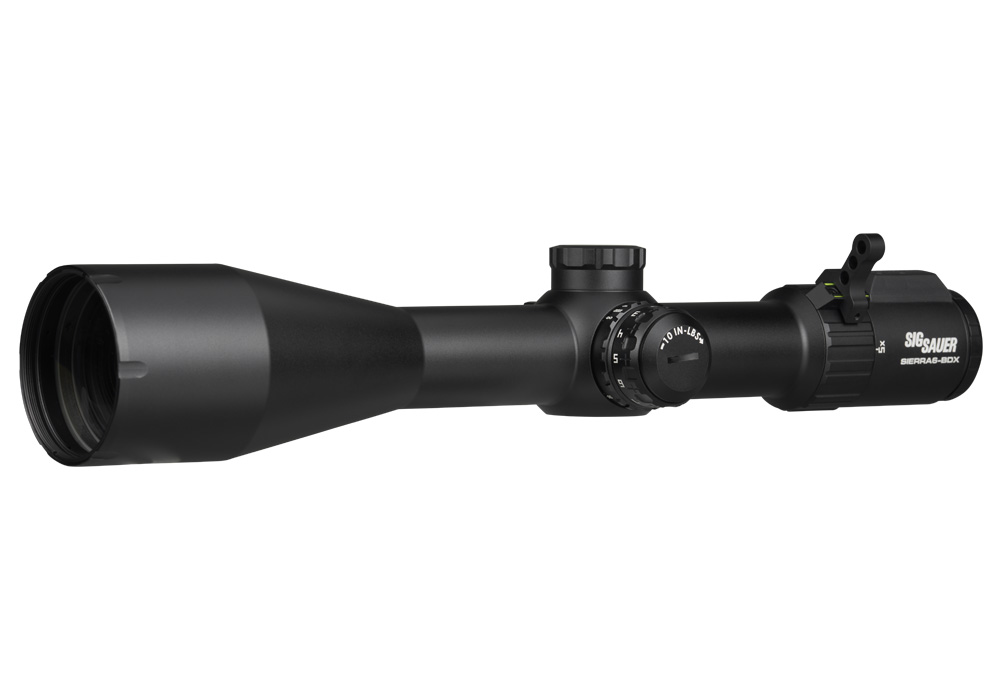
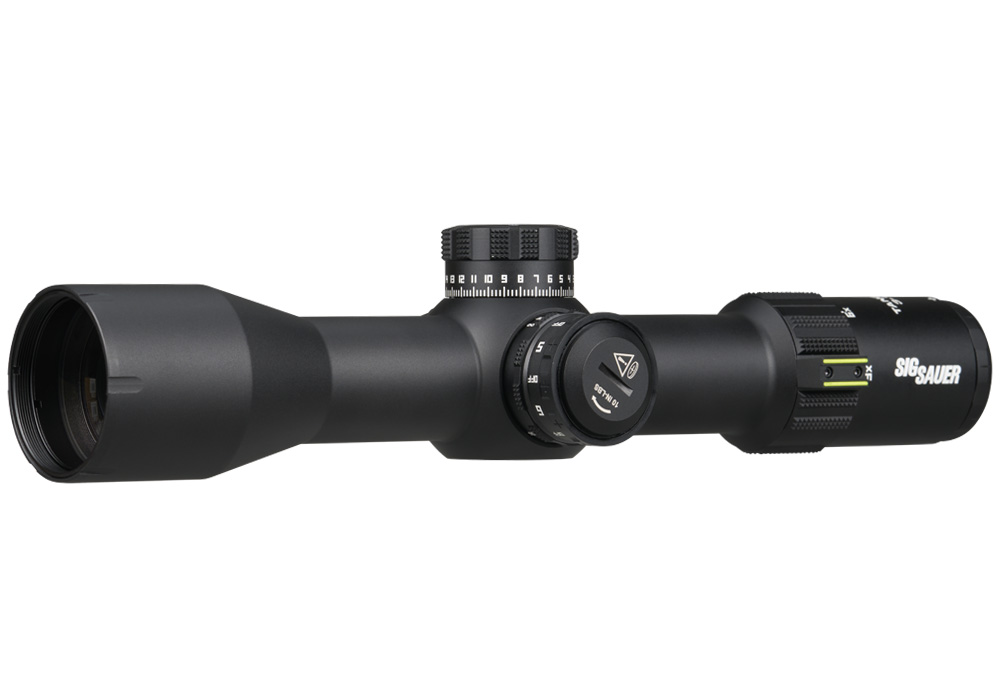
In a product photo, one scope can look much like the next: a dark housing, glass at both ends, and a set of dials. Spend a little time with the specifications on this Black Friday scope page and the differences become clearer. The length and weight help put the size of the optic in perspective, especially when the photos are all shown at the same scale. A compact housing and a longer one may look equally substantial on screen but feel quite different when taken out of a case. Aluminum is common in scope housings because it offers rigidity without unnecessary weight. The finish, engraved markings, and texture around the controls also tell part of the story. Deep ridges and fine knurling feel different under the fingertips, while crisp lettering is easier to read than faint markings on a crowded dial. The view through the glass has its own character. Lens coatings help manage reflections, but the coating description alone doesn’t capture how naturally colors appear or how distinct fine details look. A fixed-magnification scope presents one level of magnification, while a variable design covers a range. Neither description says much about what it feels like to look through the optic. The reticle, or the pattern visible inside the scope, contributes just as much to that impression. A simple pattern leaves the view uncluttered; one with more markings gives the image a busier appearance that some owners find familiar. Those qualities matter to people who spend time at a recreational range or take part in organized target sports, where personal preferences often come from handling the same equipment over many outings. Someone who has used several scopes may pay as much attention to clear markings and the feel of the controls as to the headline magnification figures.
Fit involves more than whether a scope looks compact or substantial. The listed dimensions and the manufacturer’s compatibility information are better references than a photo, especially when the rest of the setup is already in place. Similar-looking housings can differ in length, tube dimensions, and the space occupied by the controls. The same principle applies to storage. A scope that seems small in isolation can take up more space than expected in a fitted case, particularly with its lens covers on. Length and width are worth noting if the case has a shaped insert rather than an open compartment. Durability is another place where specific descriptions are more helpful than a general impression of sturdiness. A rigid housing helps protect the optics, while sealing addresses moisture exposure; neither takes the place of keeping grit off the glass. Water resistance and fog resistance describe different properties, and a fog-resistant scope can still collect condensation on an exterior lens. Ordinary care tends to matter most in small moments, like packing up after a range visit and spotting a fingerprint on the glass. It’s tempting to wipe it with a shirt hem, but a lens brush or hand blower can clear loose grit before a clean optical cloth touches the surface. Cleaning products intended for windows or household surfaces aren’t a substitute for a cleaner suitable for coated optics. Lens covers help keep dust and fingerprints off the glass in storage, and the case lining should be clean and dry before the optic goes back inside. A dry compartment also keeps the lenses away from small hardware or other loose objects that can rub against the exterior in transit. It’s the unremarkable routine of putting equipment away clean and protected that helps preserve the finish, legibility, and clear view that stood out when the scope was new.
Black Friday shopping often starts with a general idea of the gift and ends with a closer look at what the recipient actually likes. A scope can be a thoughtful choice for someone who already takes part in target sports or enjoys the optical and mechanical details of range equipment, especially if that person has mentioned the style of optic they prefer. Two people who regularly visit the same range might have very different tastes. One may like the familiarity of a fixed view and a plain reticle; the other may prefer a variable design and more visible detail in the pattern. Those are personal preferences, not distinctions that come down to how long someone has been involved in the sport. Familiar controls and an uncluttered view can be just as appealing to a longtime enthusiast as to a newer participant. For a holiday gift, a preference shared by the recipient is a better starting point than an educated guess based on appearance. A scope is also a more personal gift than it might seem from the outside. Someone who keeps equipment in a fitted case, for instance, may care about dimensions that another owner would barely notice. Taking those details seriously keeps the focus on what the recipient will appreciate beyond the occasion itself. It also helps to distinguish a conventional scope from other optics that can look similar in a short description. A typical red dot sight presents an illuminated dot in a view at normal scale, rather than the magnified image associated with a traditional scope. For shoppers whose gift list calls for that style of optic, Black Friday SIG Sauer Red Dot Sight Deals is a separate collection centered on red dot sights.