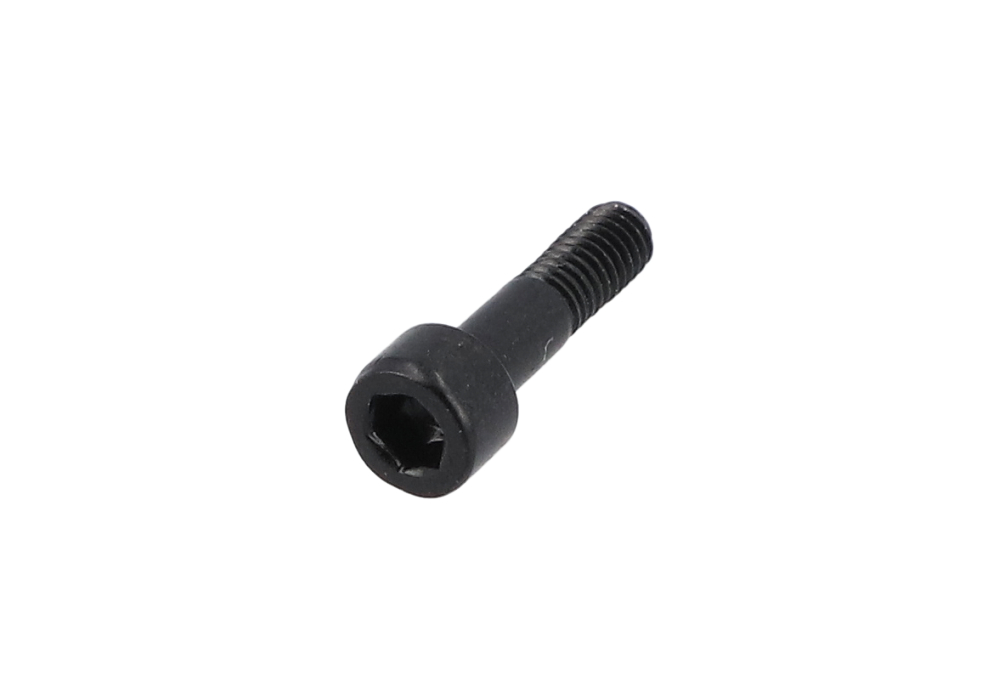
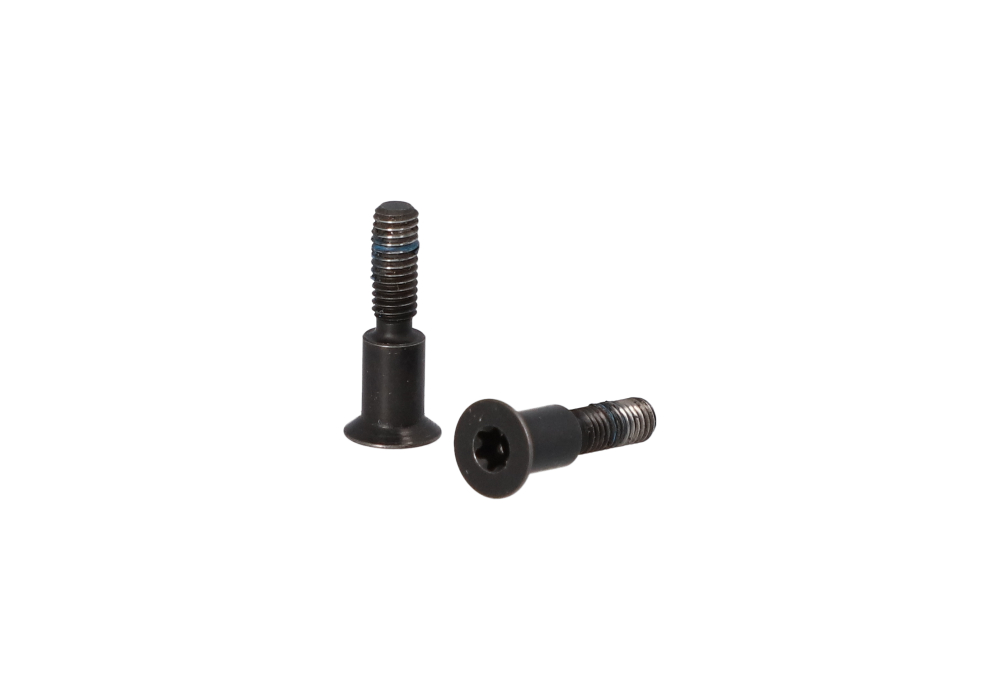
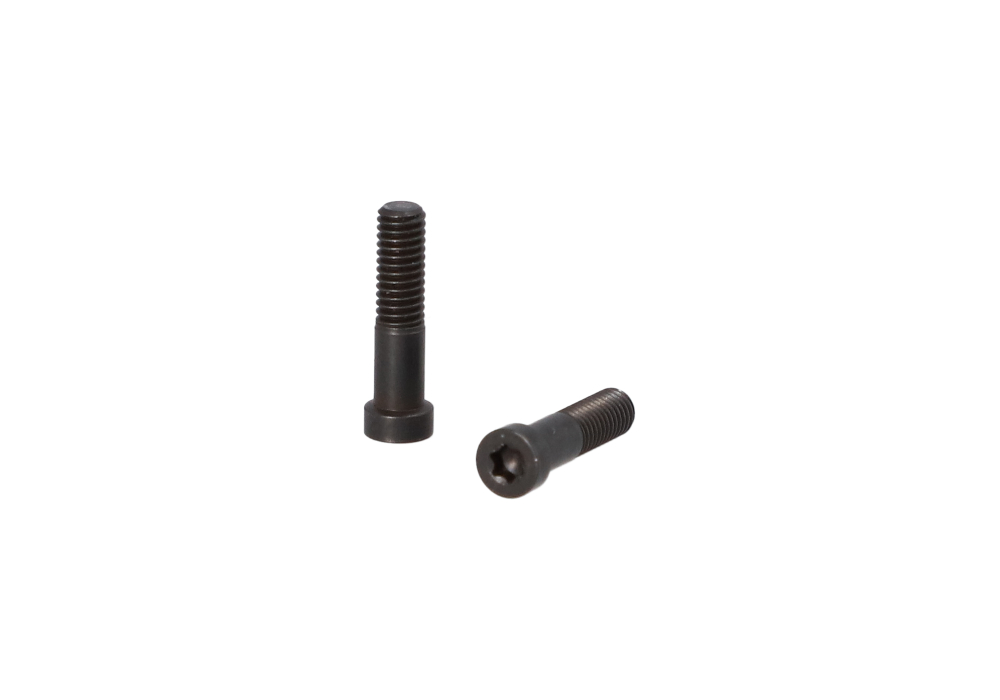
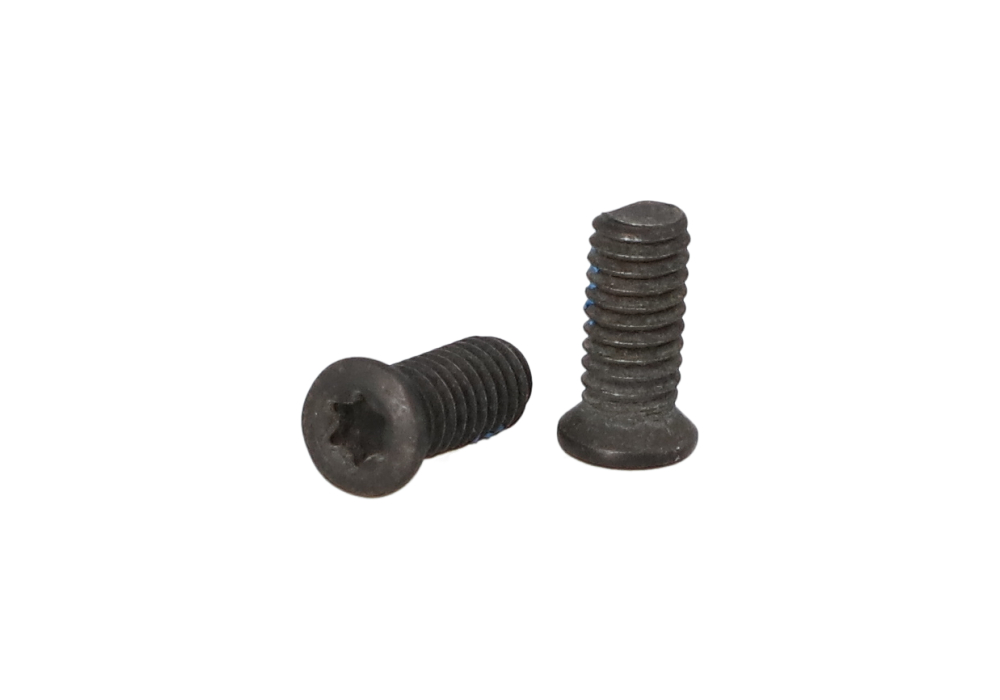
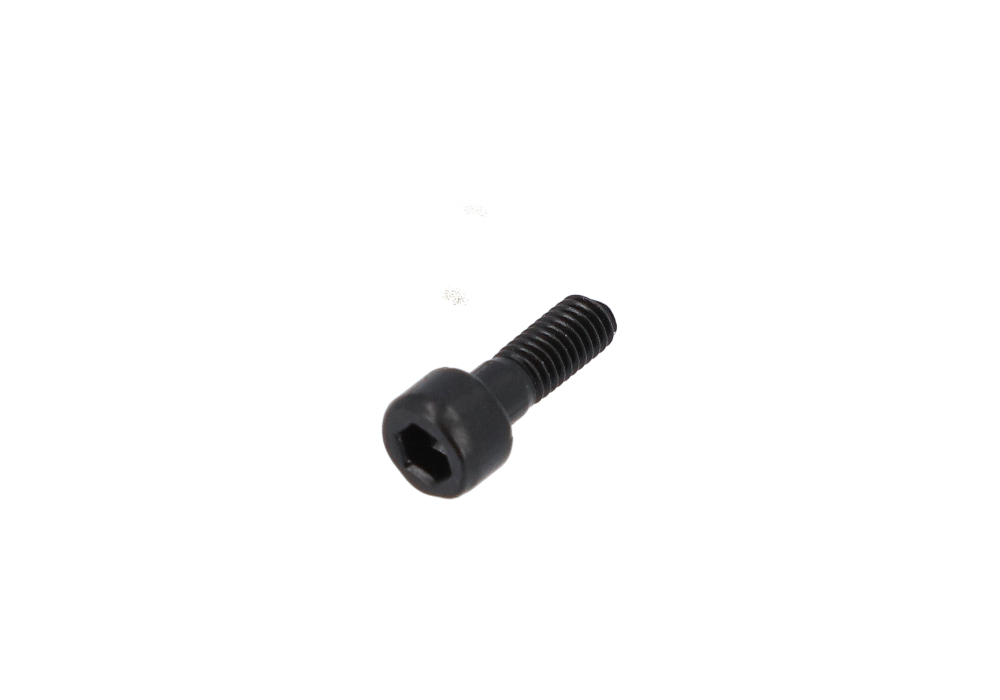
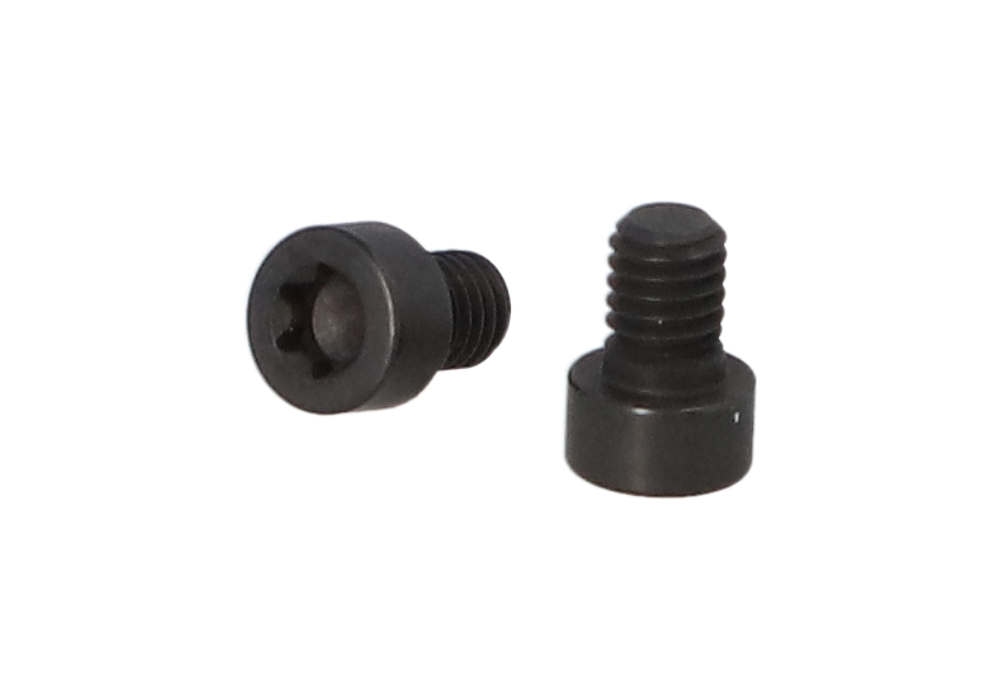
Black hex screws for rifle optics provide a practical way to secure scope bases, rings, red-dot mounts, and related sighting hardware while maintaining a clean, understated appearance. These fasteners are commonly made from hardened alloy steel and protected with a matte black oxide or blued finish that helps reduce glare and complements the dark finish found on many optic bodies and mounting systems. Their recessed hex-socket or Torx-style drive lets a properly sized driver engage the screw head securely, making it easier to apply consistent torque and reducing the likelihood of cam-out compared with a basic slotted fastener. For rifles exposed to recoil, transportation, field use, and changing weather, the right screw is more than a small replacement part. It is an important connection between the receiver, mounting base, rings, and optic. Hunters preparing a rifle for the cooler months, competitive shooters checking equipment before a match, and firearm owners refreshing an older setup may all keep a selection of black optic screws on hand. They can also make a thoughtful gift for a new rifle owner, a range enthusiast assembling a first optic setup, or an experienced shooter who prefers to maintain a well-organized supply of spare mounting hardware. A compact assortment stored with a torque driver, sighting tools, and cleaning supplies can be especially useful when a screw is misplaced during transport or when an optic is moved between compatible mounting systems.
Thread compatibility should be the first consideration when choosing black hex screws for rifle optics. Common American thread patterns include #6-48, often found on traditional scope bases, and #8-40, a larger diameter option used on many modern, tactical, or magnum-oriented mounting applications. Metric M3 and M4 screws are also common on contemporary rails, compact optic mounts, and some European-pattern systems. Thread pitch and diameter are not interchangeable, even when the screws appear similar at a glance, so the receiver, base, ring, or optic manufacturer’s specifications should always be checked before ordering. Forcing an incorrect screw can damage the threads, compromise the mount, or prevent the fastener from seating correctly. Length matters just as much as thread size. A screw that is too short may not engage enough thread, while one that is too long can bottom out before the base is clamped securely or extend into the receiver. A simple depth check with a non-marring probe can help establish how much usable thread is available, but the final selection should follow the specifications for the firearm and mounting system. It is also worth confirming the drive style and size before purchase. Hex and Torx sockets are available in several dimensions, and using a driver that fully fits the recess helps protect both the tool and the screw head. Black finishes are useful where a low-reflection appearance is preferred, whether the rifle is carried through open country, used under range lighting, or kept as a carefully finished sporting arm. Buyers comparing options may also find related hardware in the broader selection of Gun Sight Screws, particularly when a project involves more than one type of sighting component.
Installation quality has a direct effect on how reliably an optic stays positioned through repeated firing. Before fastening, make sure the contact surfaces are clean, dry, and free of oil, grit, or old thread-locking compound. A small amount of removable blue thread locker may help resist loosening from recoil, but it should be applied sparingly and only when compatible with the manufacturer’s instructions; excess compound can spread into areas where it is not wanted. Tighten screws gradually and evenly in a cross pattern when the mounting design calls for it, using an inch-pound torque wrench set to the stated specification rather than relying on feel. Typical figures may fall around 15–25 inch-pounds for some ring-cap screws and approximately 30–40 inch-pounds for some base-mount screws, but these ranges are not universal. The optic, rings, base, and firearm manufacturer’s torque recommendations should take priority, since over-tightening can damage threads, distort a scope tube, or place unnecessary stress on a mount. After installation, inspect the screw heads for full driver engagement and verify that the optic is seated squarely and aligned as intended. Recheck the setup after initial range use and periodically after transport, seasonal storage, or substantial changes in temperature. During late summer range days and the cooler months that follow, these small checks can make equipment preparation feel straightforward rather than hurried. Keeping spare screws separated by thread size, length, and drive type also prevents an easy mistake when working at a bench or in the field. With the correct specification, suitable length, durable black finish, and careful torque practices, black hex screws offer a discreet, dependable choice for maintaining rifle optic installations and keeping sighting equipment ready for its next use.