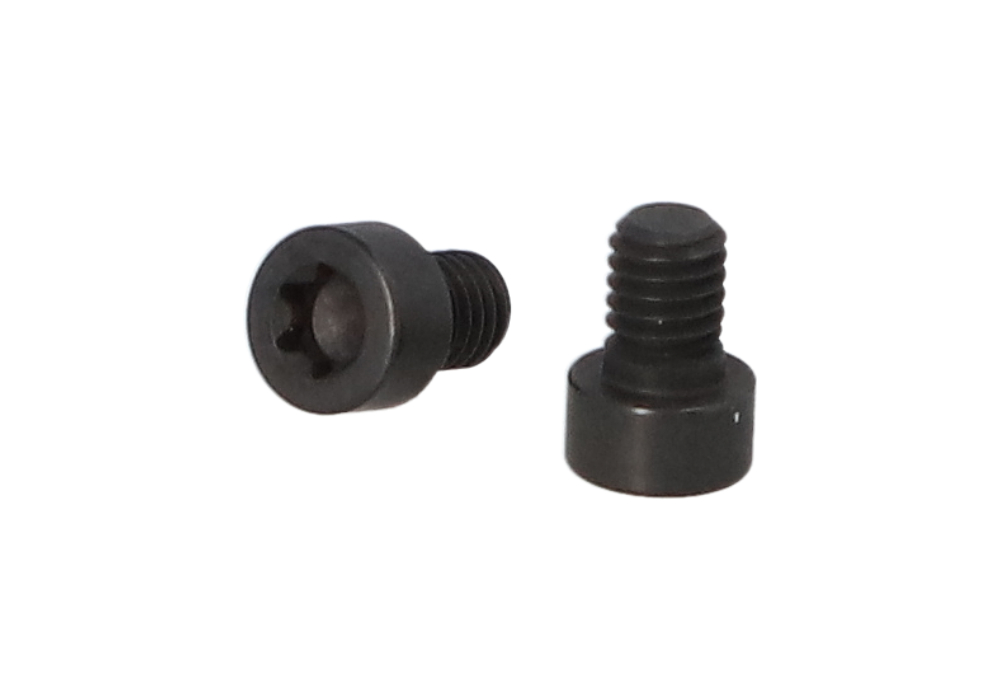
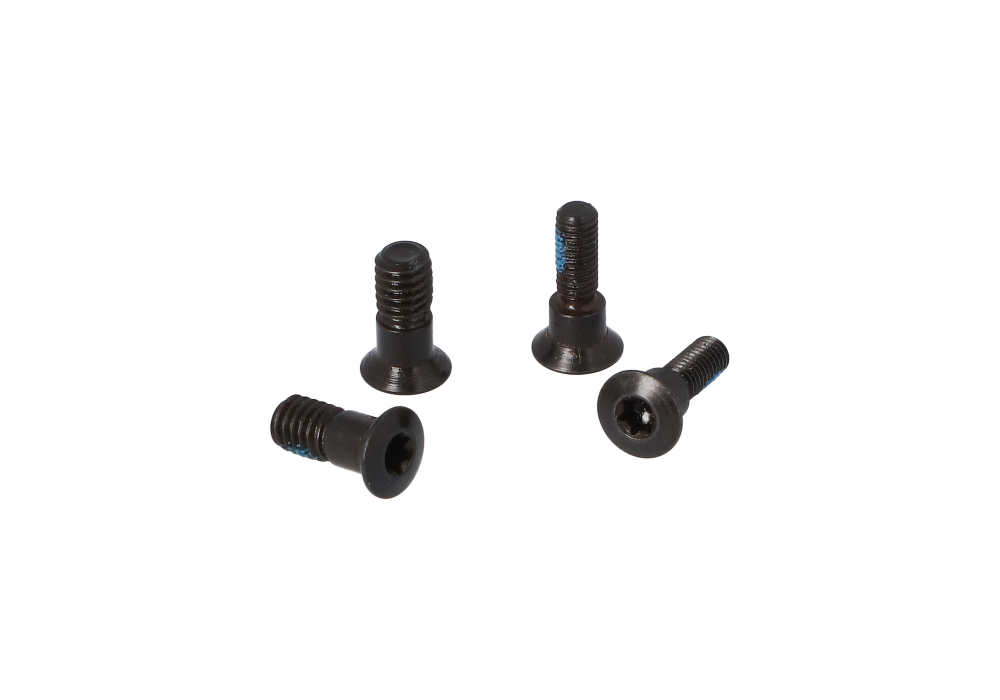
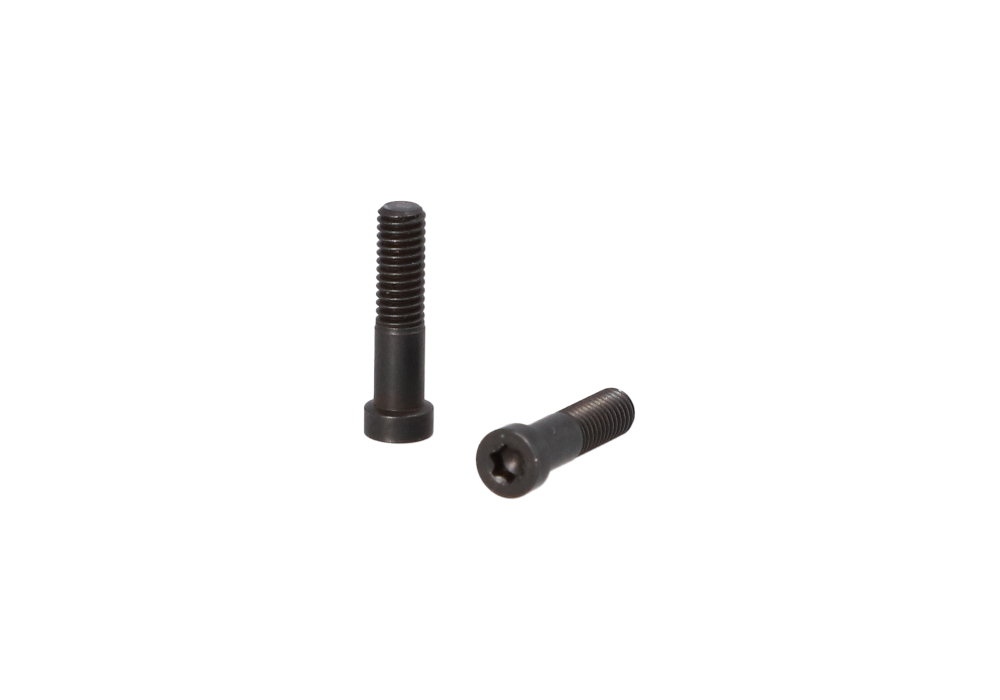
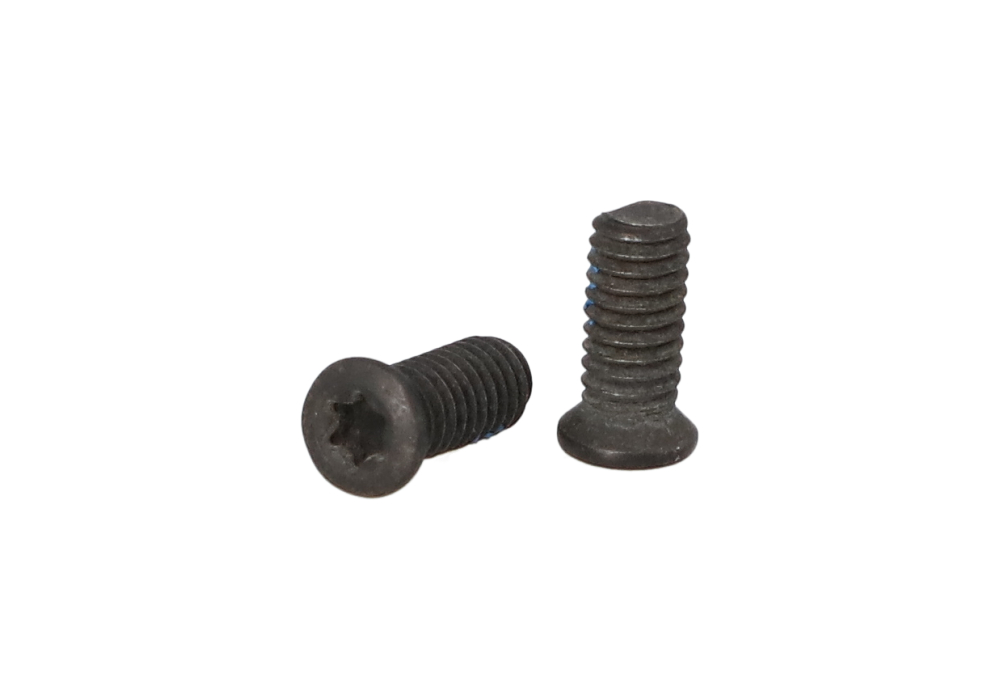
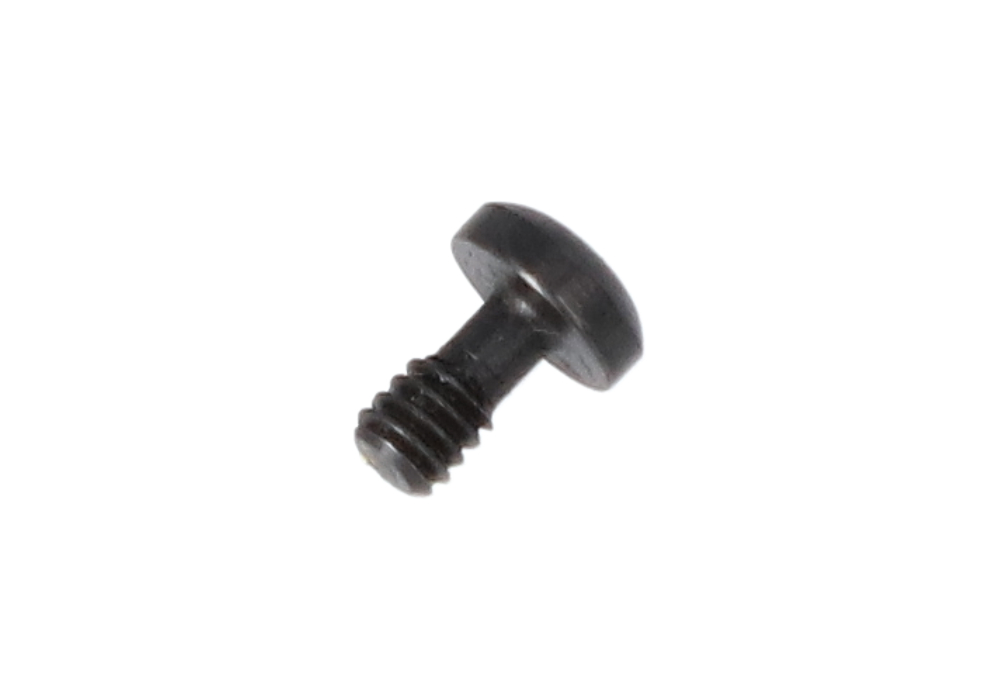
Gun sight screws secure sights and sighting-system components at the attachment points specified for each assembly. The category includes hardware associated with iron sights, optic mounting plates, scope bases, and scope rings, but those applications do not all use the same fasteners. A front sight retaining screw serves a different purpose from a ring cap screw, and a small adjustment screw is not necessarily suitable for securing a mounting base. The correct match depends on thread diameter, thread pitch, length, head geometry, and the requirements of the mating component. Common thread designations encountered in firearm sighting hardware include 6-48 and 8-40, along with metric sizes in some assemblies. These designations describe different thread dimensions, not interchangeable alternatives. Inch-based thread descriptions typically identify a screw size and the number of threads per inch, while metric descriptions identify diameter and pitch in millimeters. Appearance alone is not a reliable indicator of compatibility: two black screws with similar heads can have different threads or slightly different lengths. Length also requires careful interpretation because measurement conventions vary with head style. Many projecting-head screws are measured from beneath the head, whereas countersunk screws are generally measured over their full length. Manufacturer drawings and fit specifications provide the relevant reference for the intended application. A screw that is too long can bottom out before the component is secure or extend into an area that requires clearance; one that is too short may not provide the specified thread engagement. Correct fit therefore involves more than whether the threads appear to start. For replacement sight screws, documentation for the firearm and the attached sighting component is more useful than a visual comparison with hardware from another setup. Even closely related configurations can require different screw lengths because a mounting plate, sight body, or base changes the thickness of the assembled parts.
Materials and construction affect how sight mounting screws perform in repeated use. Alloy steel and stainless steel are common fastener materials, although material choice alone does not establish strength, corrosion resistance, or suitability for a particular mount. Heat treatment, dimensional consistency, finish, and the design requirements of the assembly all matter. Black oxide and other protective finishes can help address surface wear or corrosion concerns, but no finish eliminates the need for appropriate care. Stainless steel also requires attention rather than an assumption that it cannot corrode. Head style is another practical distinction. Socket, button, fillister, and flat heads have different profiles and seating requirements, and the correct shape must match the component rather than simply provide a preferred appearance. A low-profile head may be necessary where clearance is limited, while a countersunk head relies on a matching seat. Drive style matters separately: internal hex, star-shaped, and slotted drives require properly fitting tools to preserve their engagement surfaces. A rounded recess or battered slot is more than a cosmetic issue because it can complicate future service. These details are particularly relevant to equipment used frequently at the range, in competition, or during hunting. Recoil and repeated handling place demands on the complete mounting system, including the fasteners, threaded holes, seating surfaces, and attached components. A screw does not independently improve accuracy, but secure, correctly matched hardware supports the stability on which a consistent sighting arrangement depends. Consider a scope ring with a screw head that stands higher than its neighbors, or an optic plate with hardware that looks similar but has a different underside profile. Those differences warrant attention to the specified hardware rather than an assumption that every small fastener performs the same job. Intended use can influence the demands placed on an assembly, but it never replaces the need for exact compatibility.
Care for gun sight screws centers on preserving their threads, drive surfaces, and protective finish while following the firearm and component manufacturers’ maintenance requirements. Solvent residue, abrasive debris, and corrosion can affect small hardware just as they affect larger metal parts. Cleaning products suitable for one component may not be appropriate for a nearby optic, coating, or polymer part, so compatibility extends beyond the fastener itself. Inspection can reveal damaged threads, distorted heads, visible corrosion, or other signs that hardware needs professional evaluation. A repeatedly loosening screw may point to an underlying fit or assembly issue rather than a need for greater tightening force. Torque requirements are specific to the application, and a value intended for a base screw should not be assumed correct for a ring cap or a sight body. Thread treatment requirements also vary; lubricants and retaining compounds can change assembly conditions and should only be considered in accordance with the relevant written specifications. Work involving firearm hardware belongs on an unloaded firearm under the safety procedures in its manual, with a qualified gunsmith handling uncertain fit, damaged threads, or unexplained interference. For owners who maintain several firearms, clear labeling of spare hardware by its verified application helps prevent confusion between nearly identical screws. Keeping the relevant specifications with those parts is more useful than relying on memory when maintenance is needed later. The broader Gun Screws category provides context for related fastening hardware, while sight applications demand particular attention to mounting geometry and clearance. Recreational shooters, hunters, competitors, and gunsmiths all have reasons to value accurately specified replacement hardware. It can also be a practical addition to a knowledgeable firearm owner’s maintenance supplies when the exact compatibility is already established. The defining qualities are straightforward: documented fit, suitable materials, intact drive features, and dimensions that match the complete assembly. Those details give even a very small screw an important role in keeping a sighting system serviceable and dependable.