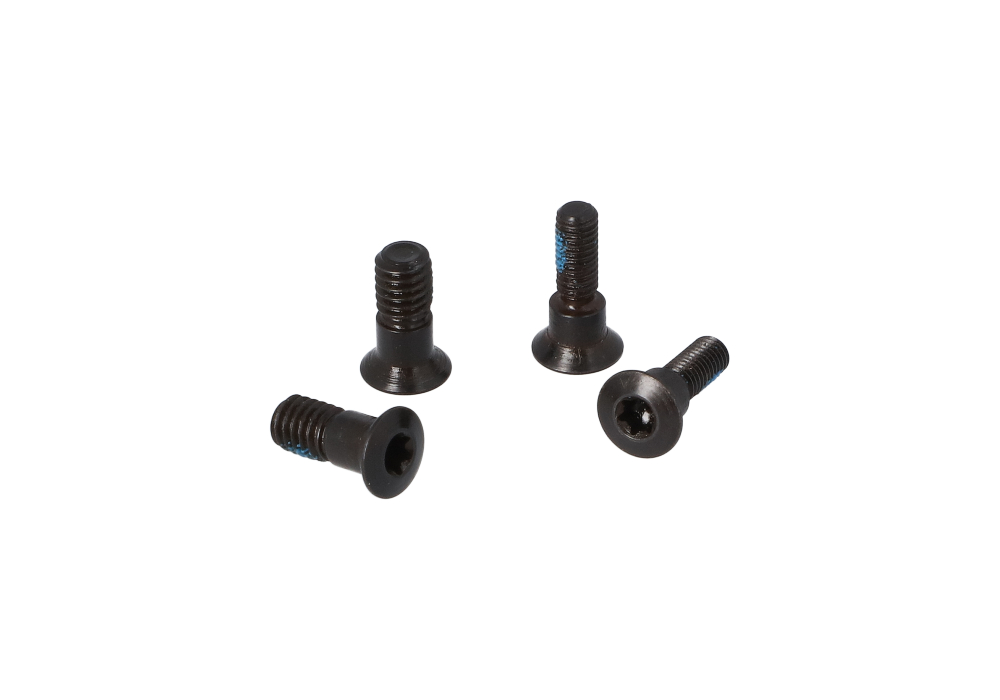
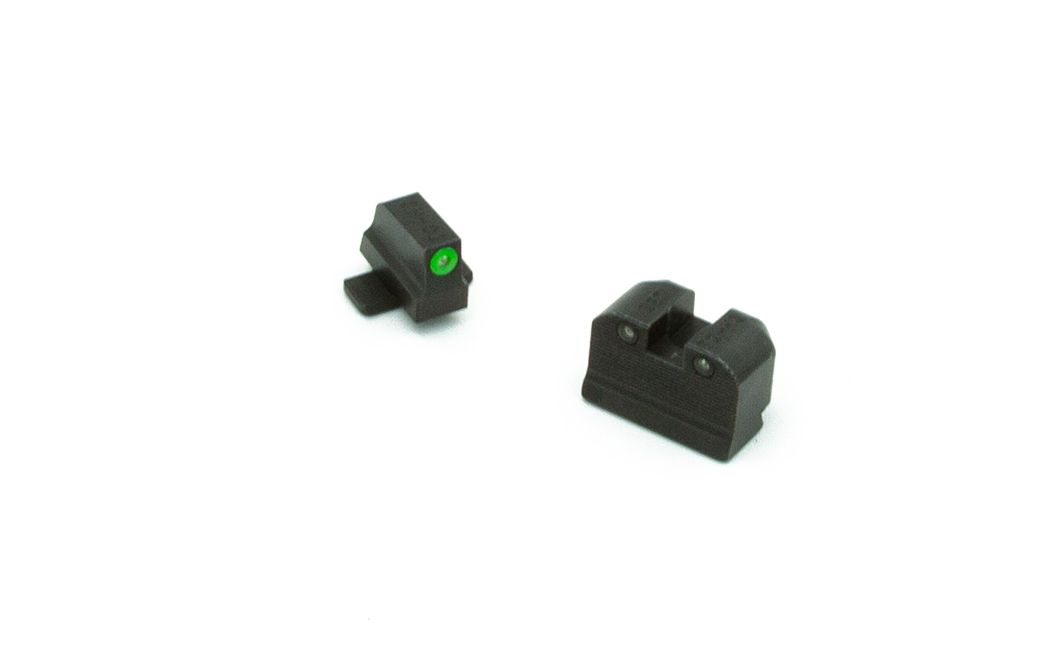
Replacement firearm screws are small components with an important job: securing grips, scope bases, rings, receiver covers, action components, and other fitted parts without interfering with the safe operation of the firearm. Over time, screws can become damaged, misplaced, marred by repeated installation, or difficult to remove after exposure to moisture and fouling. Keeping the correct replacement hardware on hand helps preserve a clean fit and makes routine maintenance more convenient, whether the work is being completed at a well-lit bench during the cooler months or as part of a broader inspection before time at the range. These screws are not universal, and a close visual match is not enough to confirm compatibility. The correct part depends on the firearm’s make and model, the exact location of the screw, the thread diameter and pitch, the length beneath the head, the head style, and the material or finish. Common thread designations such as #6-48 and #8-40 are often associated with scope rings, scope bases, and receiver plug screws, while 1/4-28 is frequently encountered in grip applications, but these sizes should be treated as reference points rather than assumptions. A screw that appears to fit may have the wrong pitch, bottom out before clamping properly, protrude into a moving part, or fail to provide adequate engagement. Before ordering, compare the original screw when available, consult the firearm’s documentation, and confirm whether the application calls for a particular shoulder, countersink, thread length, or head profile.
Choosing the right replacement firearm screws also means selecting a head style that suits the application and the tools available. Slotted heads may preserve a traditional appearance, while hex or Torx-style heads can offer a more secure driver interface when installed with the correct bit. Fillister, flat, oval, and socket-head profiles each seat differently, so the replacement should match the recess and surrounding surface rather than simply fitting the threads. Finish and material matter as well: corrosion-resistant hardware can be useful for firearms exposed to humidity, field conditions, or frequent handling, while a matching finish helps maintain a consistent appearance on a carefully maintained firearm. When replacing a screw, first ensure the firearm is unloaded, remove the magazine where applicable, and follow the manufacturer’s safety and disassembly instructions. Clean debris from the threaded opening and inspect both the screw and the female threads for damage. Start the screw by hand so the threads can align naturally, and stop if it binds, rocks, or requires unusual force. Use the specified torque whenever one is provided; tightening by feel alone can damage small threads, deform a component, or make future removal unnecessarily difficult. Thread-locking compounds should only be used when appropriate for the application and in the type and amount recommended by the manufacturer, since permanent or excessive compounds can complicate service. General hardware from a local or industrial supplier may resemble firearm-specific hardware, but it should not be substituted without confirming the exact dimensions, strength, fit, and intended use. Bringing the original screw to a qualified parts counter can help with identification, yet the final choice should be verified against the firearm’s specifications.
Replacement screws can be a practical addition to a maintenance kit and a thoughtful gift for a firearm owner, competitive shooter, hunter, collector, or hands-on enthusiast who appreciates having the right small parts ready when needed. They are especially useful for anyone who changes optics, replaces worn grips, refinishes a component, or maintains several firearms with different screw requirements. A labeled organizer containing assorted, clearly identified screws can save a trip to the store, but assortment value depends on accurate labeling and a useful range of thread sizes and head styles. For grip-related needs, browse Firearm Grip Screws to narrow the search by application. For scope and receiver hardware, confirm whether the firearm uses #6-48, #8-40, or another thread standard before selecting a replacement, and verify the required length carefully; longer is not automatically better. It is also helpful to record the firearm model, the screw location, the original dimensions, and the preferred driver style in a maintenance notebook or phone note. That simple record can make future ordering more accurate, particularly when a screw is missing and there is no original part available for comparison. Store spare hardware in a dry container away from loose ammunition and label each compartment by firearm and location. With careful identification, proper tools, and attention to fit, replacement firearm screws can help keep essential components secure, preserve the appearance of a well-maintained firearm, and support dependable service through changing conditions and regular use.