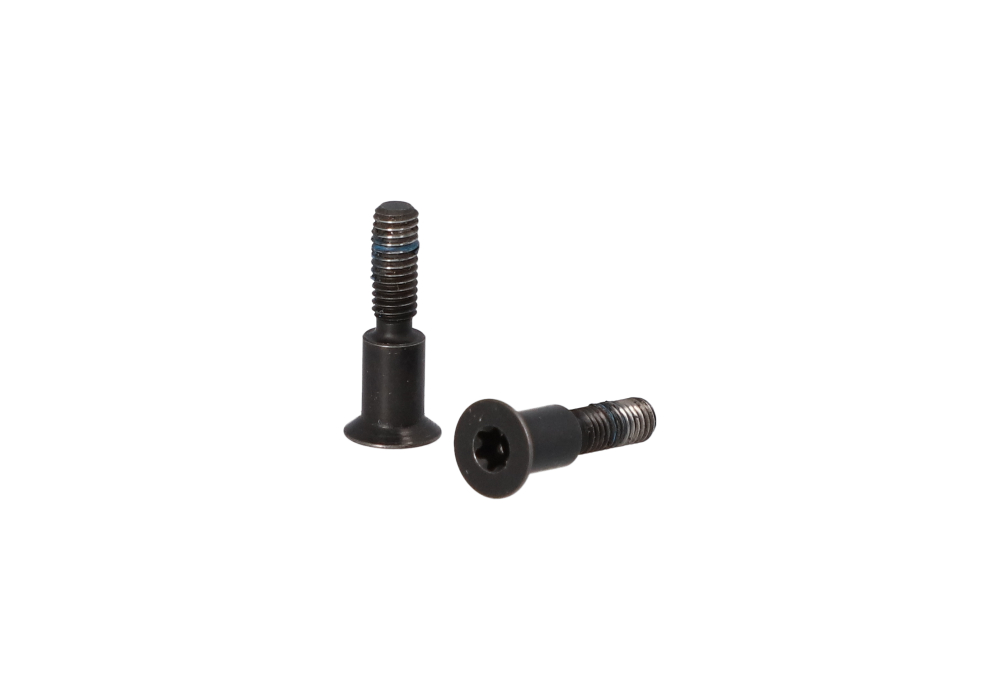
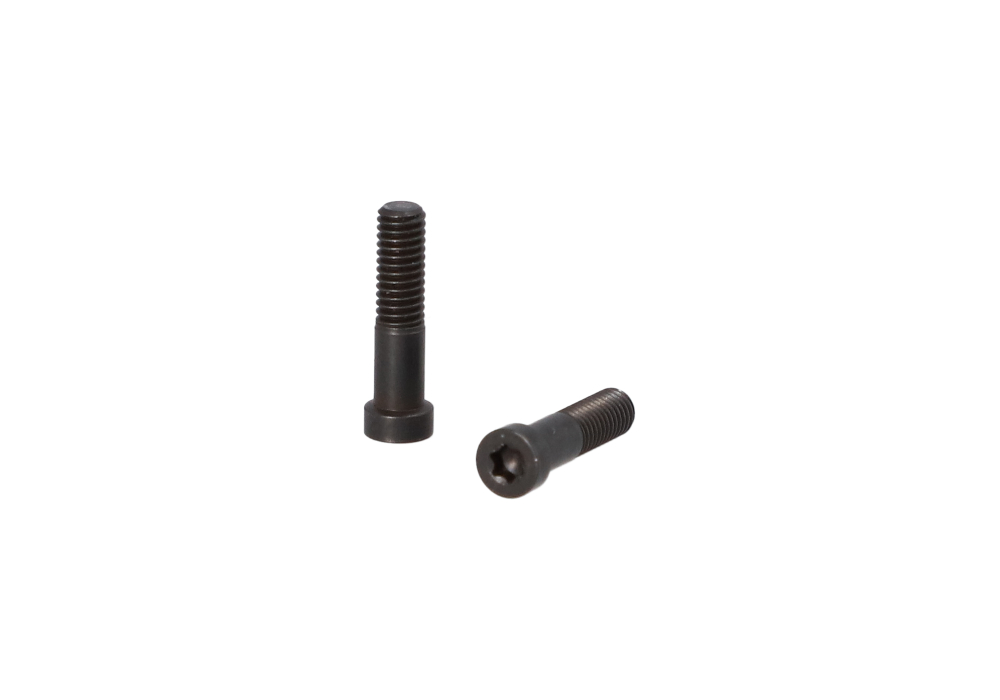
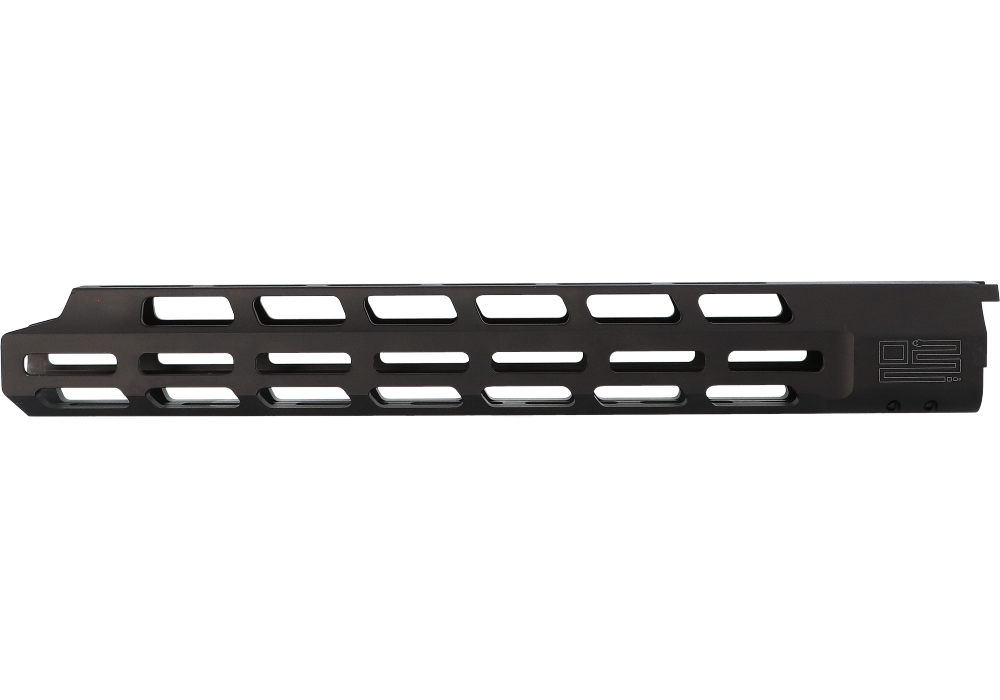
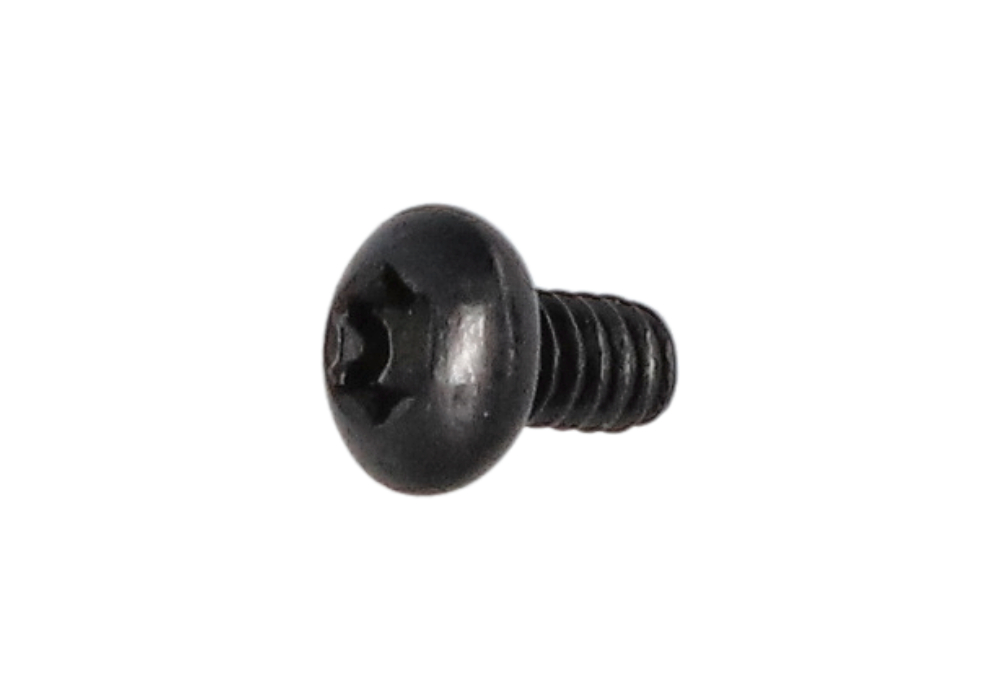
Gun screws are small components with an important job: securing the parts that help a firearm function, fit, and maintain its intended configuration. This category can include replacement screws for scope bases and rings, plug screws for unused mounting holes, action and guard screws, sight screws, grip screws, and other firearm-specific hardware. Because screw dimensions are not universal, selecting the correct replacement begins with identifying the firearm, the exact application, the required thread pitch, the screw length, and the head style. Common firearm screw specifications may include fine threads such as #6-48 or #8-40, but those measurements should never be assumed across every model or mounting system. A screw that appears close in size can still have the wrong pitch or length, which may prevent proper engagement, interfere with internal components, or damage the receiver and mounting surface. Reviewing the firearm manufacturer’s specifications, consulting the owner’s manual, or working with a qualified gunsmith can help confirm compatibility before installation. Shoppers may also want to compare finish, material, head profile, and drive type. Slotted, hex, and Torx-style heads are frequently selected for different applications, while a low-profile head can be useful where clearance is limited. Matching the replacement hardware to the existing fasteners can help preserve a consistent appearance, especially on a carefully maintained hunting rifle, range firearm, or personal collection.
Proper tools matter just as much as the screw itself. A correctly sized hollow-ground screwdriver bit is often preferred for slotted firearm screws because it fills the recess more fully and helps reduce the chance of marring or stripping the head. Hex and Torx drivers should likewise fit snugly, with no rocking or excessive play. Before replacing hardware, make sure the firearm is completely unloaded, remove the source of ammunition from the work area, and follow all applicable manufacturer safety instructions. Work over a clean, well-lit surface where a small screw cannot disappear into carpet, grass, or a cluttered bench. A magnetic tray or labeled container can keep original hardware organized while you compare lengths and head styles. Threads should be clean and free of burrs, and a screw should start smoothly by hand rather than being forced with a driver. If resistance appears immediately, stop and verify the thread pattern, alignment, and length. Depending on the application, the manufacturer may specify a particular torque value or thread-locking method; those instructions should take priority over general hardware practices. Excessive torque can damage threads or distort a mounting surface, while insufficient torque may allow movement during handling or use. Adhesives should not be applied casually, since some formulas can make future service difficult or affect finishes. When the application involves a scope mounting system, action bedding, or a component that affects alignment, a qualified professional can provide useful confirmation before the firearm is returned to service.
Replacement gun screws can be useful for owners who maintain several firearms, shooters who inspect their equipment before a new season, and hunters preparing a rifle for travel or time in the field during the cooler months. They are also practical additions to a range bag or maintenance kit, particularly for anyone who has experienced the frustration of discovering a missing screw at the workbench or trailhead. A carefully selected hardware set can make a thoughtful gift for a firearm owner who enjoys responsible maintenance, restoration, or detail-oriented customization, provided the recipient’s firearm and application are known. Grip screws, for example, may be selected to refresh worn hardware or replace a lost fastener, while plug screws can provide a finished appearance when an optic or sight has been removed. For owners comparing options, the most useful details to check are firearm compatibility, thread size and pitch, overall length, head diameter, drive style, finish, and the number of screws included. It is also worth confirming whether the hardware is intended for a specific mounting pattern rather than general use. A replacement screw should never be substituted solely because it looks similar; even minor differences can affect fit and function. Those searching for grip-related replacement hardware can review Factory Grip Screws alongside other firearm-specific options. With the right specifications and proper tools, gun screws can help keep mounting systems, grips, sights, and other secured components properly fitted through regular handling, storage, range use, and seasonal maintenance.