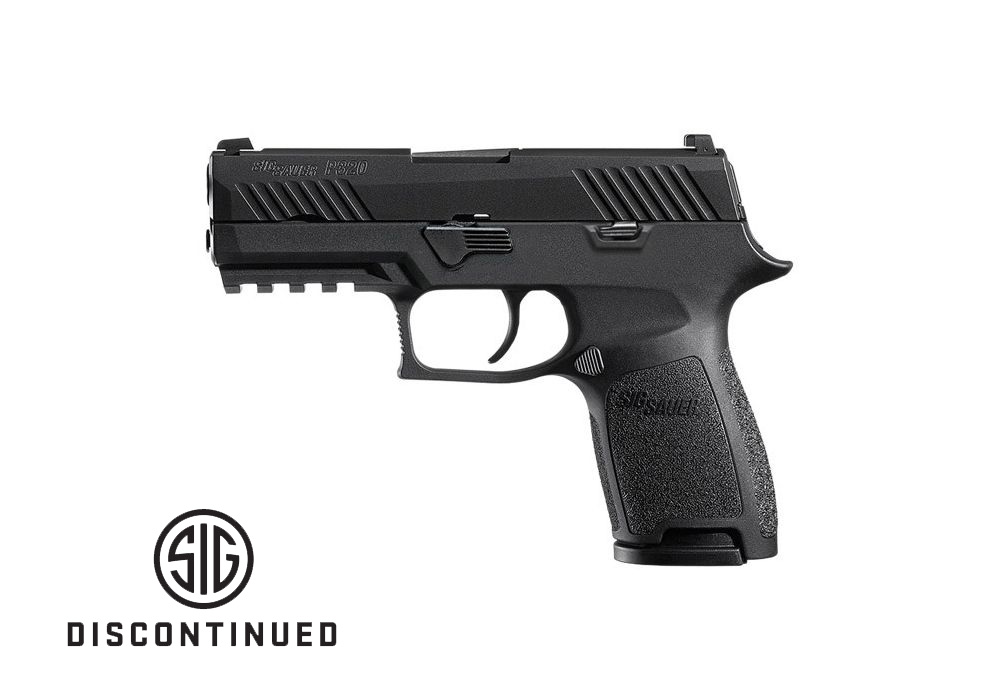
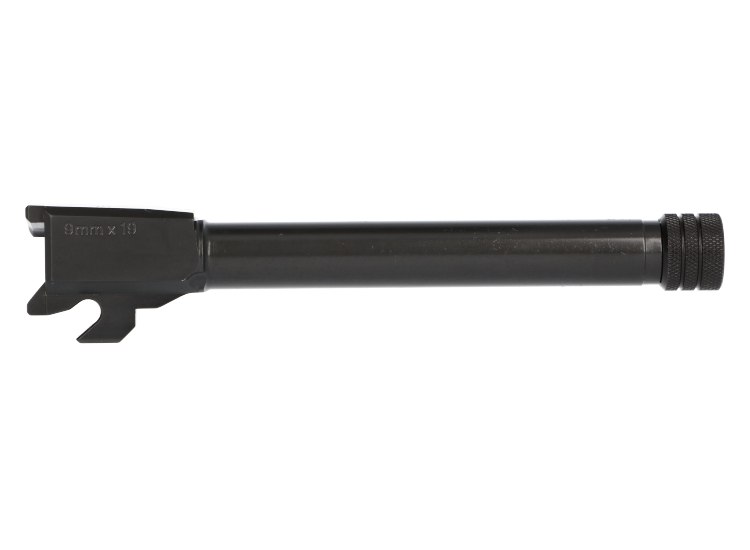
Black steel thread protectors for handguns cover exposed barrel threads when a compatible suppressor or other muzzle accessory is not attached. Their purpose is straightforward: help shield those external threads from dirt, abrasion, and minor contact that can affect their condition over time. On a threaded handgun barrel, the fine ridges at the muzzle deserve the same attention as other precision surfaces. Contact with a hard case divider, grit inside a range bag, or repeated handling can leave marks on an unprotected surface. A correctly fitted protector provides a replaceable outer surface around that threaded section while keeping the muzzle profile compact. For handgun owners who use a threaded barrel without an attached muzzle device, it is a practical finishing component rather than a decorative extra. Steel construction offers a durable option for regular handling, though the steel type, finish, dimensions, and manufacturing quality all influence how a protector holds up. Carbon steel and alloy steel are common material categories, and neither should be assumed to resist corrosion without appropriate surface protection and care. A black finish gives the component a subdued appearance that can coordinate with a dark barrel, slide, or other hardware without creating a bright accent at the muzzle. Black oxide and physical vapor deposition, or PVD, are different finish types; their protective characteristics depend on the specific treatment and underlying material. Black oxide generally benefits from a light protective oil film where the manufacturer recommends it, while coated surfaces still need routine inspection for wear. The finish color alone does not establish hardness, corrosion resistance, or compatibility. Smooth profiles emphasize a clean outline, while knurled or otherwise textured exteriors offer a more tactile gripping surface. Those details can matter when handling a small component during ordinary maintenance. The best overall match balances durable construction, an appropriate exterior profile, and precise compatibility with the barrel rather than relying on appearance alone.
Fit begins with the barrel’s actual thread specification, not simply the handgun’s caliber or the protector’s color. Thread diameter, pitch, and direction must correspond to the barrel, and those details should come from the barrel or firearm manufacturer’s specifications. A 1/2x28 pattern is common on many 9mm handgun barrels, while .578x28 appears on some .45 ACP barrels, but neither example is a universal rule. Other patterns exist, including metric dimensions and left-hand threads. Two protectors that look nearly identical in a photograph can therefore have completely different applications. Threaded length and seating geometry also matter because a protector should cover the intended threaded area without interfering with the barrel’s specified seating surface. An external profile that appears flush does not prove the internal dimensions are correct. Overall length and outside diameter affect both coverage and appearance: an oversized exterior can create a pronounced step at the muzzle, while an undersized profile may look noticeably narrower than the adjacent barrel surface. A close visual match can be appealing, but confirmed mechanical compatibility remains the priority. Product specifications should identify the relevant dimensions clearly enough to distinguish a genuine fit from a superficial resemblance. For shoppers coordinating a protector with a different barrel finish, Black and Gold 9mm Threaded Barrels offers a related category to consider, with the barrel’s individual specifications still determining which protector is appropriate. A dark protector can visually blend into a black barrel or create a restrained contrast against a gold-colored surface. Neither combination changes the need for the correct thread pattern and dimensions. The same attention applies to holsters and storage arrangements: any added muzzle length or width should be considered against the clearance specified for the equipment involved. A compact profile can suit a streamlined setup, but no thread protector should be assumed to fit every holster, every threaded barrel, or every handgun within the same caliber. Compatibility is specific to the actual components, even when their general descriptions sound alike.
Care for a black steel handgun thread protector centers on clean threads, a sound finish, and regular checks of its condition. Fine grit can collect around the muzzle after a range session or inside a frequently used case, so the protector and exposed barrel surfaces merit attention during the firearm’s normal maintenance routine. Any inspection or maintenance should begin with the firearm unloaded and handled according to its manufacturer’s safety procedures. Cleaning products and protective oils should be suitable for the particular steel and finish, with the manufacturer’s recommendations taking precedence over a general-purpose routine. Aggressive abrasives can alter the appearance of a black surface, and excessive force can damage small threaded components. A protector that does not engage smoothly, shows damaged threads, or no longer seats as specified calls for evaluation rather than additional tightening. Any retention feature, seal, or washer should be used only when specified for that barrel and protector combination; these components are not interchangeable assumptions. Routine condition checks are especially useful for handguns that travel between a range bag, a secure storage compartment, and a workbench for cleaning. Wear may first appear along textured edges or other frequently handled areas, while moisture or residue can remain less obvious near the threaded surfaces. Keeping those areas clean and appropriately protected supports the long-term condition of both the protector and the barrel beneath it. These accessories suit handgun owners who want exposed muzzle threads covered during storage, transport, or use without a compatible muzzle attachment. They can also be a thoughtful, practical gift for an owner whose exact barrel specifications are already known, though visual similarity is not enough to choose the correct fit. For a coordinated handgun setup, the strongest choice is a black steel thread protector with documented dimensions, a finish appropriate to the owner’s maintenance habits, and an exterior profile that works with the surrounding equipment. Its value lies in a small but useful task: covering a precision surface with a durable, properly matched component.