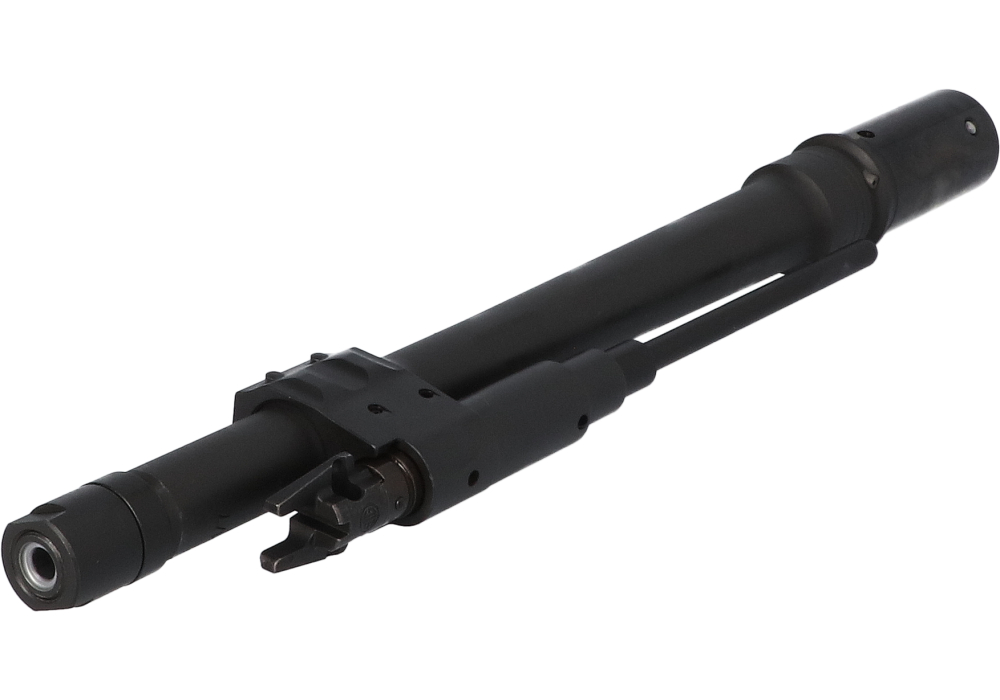
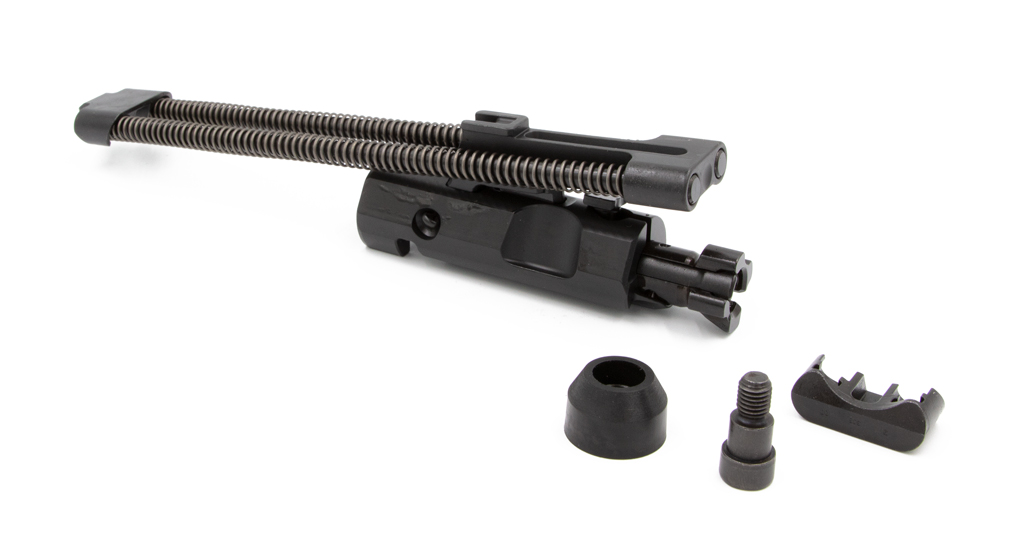
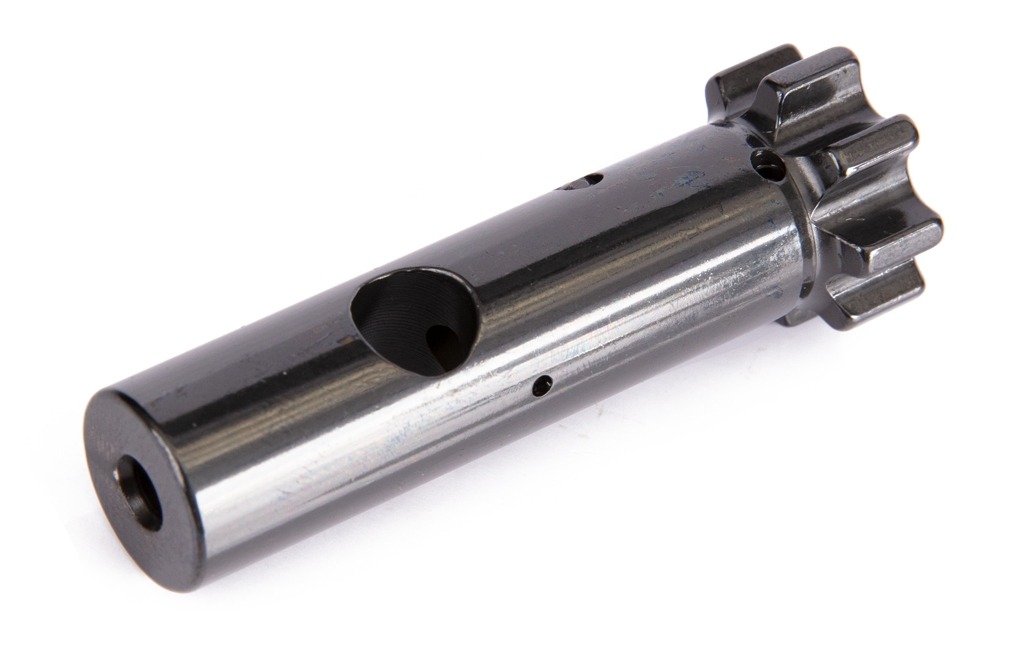
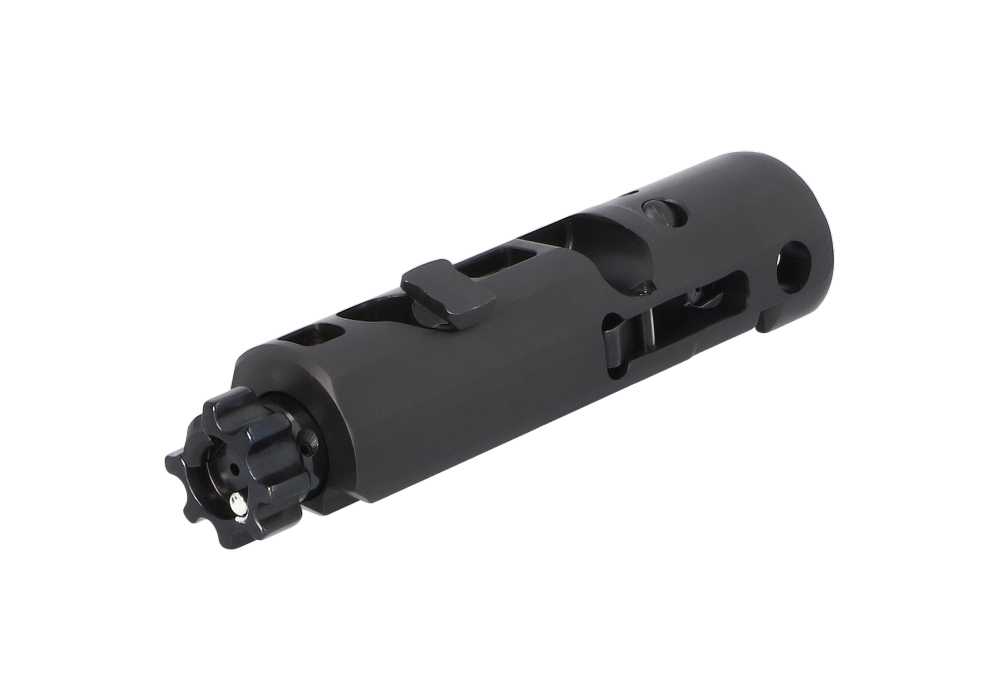
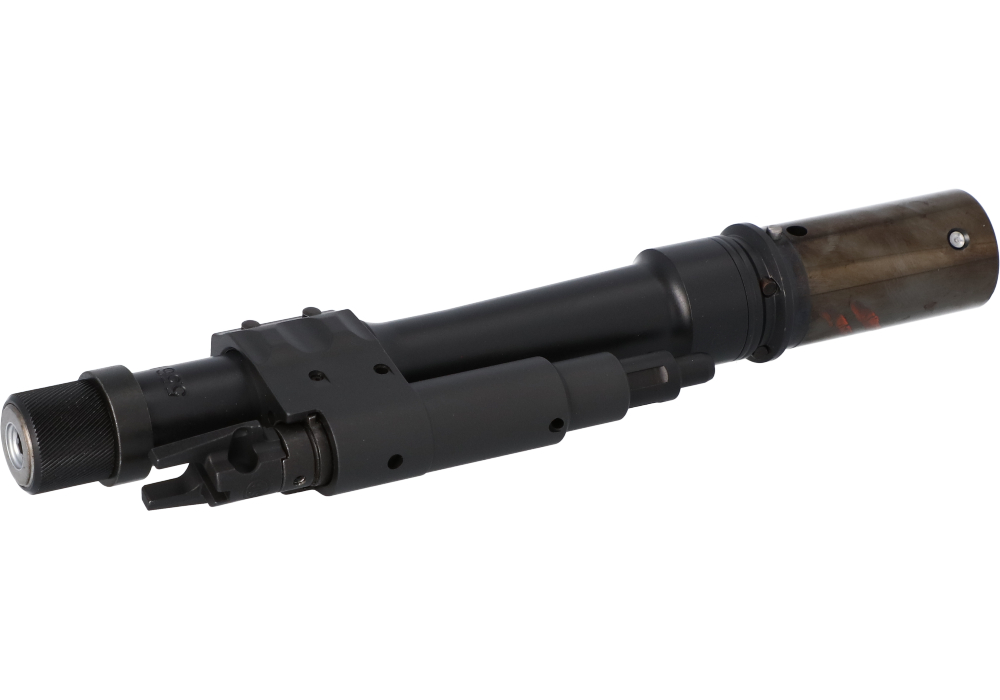
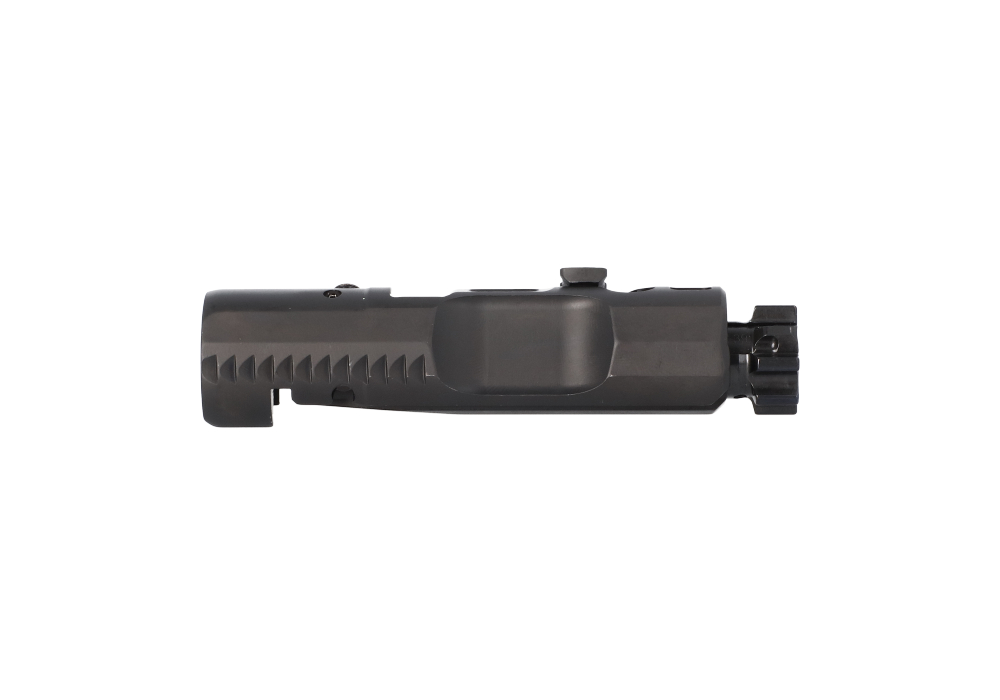
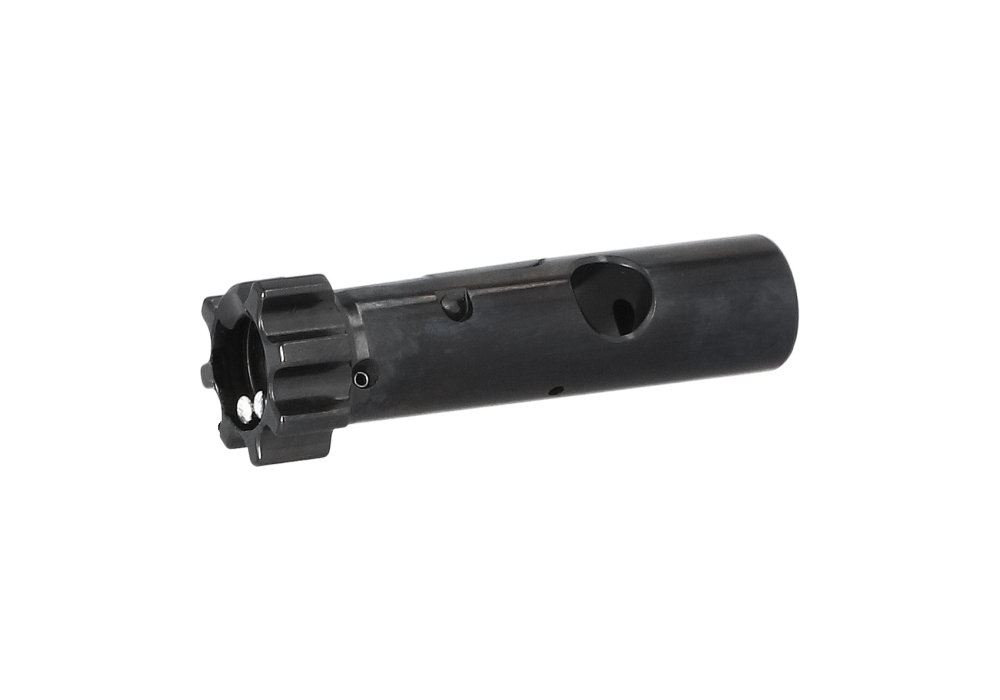
Bolt assemblies for semi-automatic rifles are precision mechanical components that support chambering, locking, and extraction during the firing cycle. The bolt secures the cartridge against the chamber, while the extractor engages the cartridge case so it can be withdrawn after firing. An ejector helps clear the case from the action, although its location and design vary by rifle platform. Depending on the assembly, related components may include a firing pin, cam pin, extractor, ejector, springs, or other retaining parts. A bolt assembly and a complete bolt carrier group are not necessarily the same thing: the carrier is the larger moving component that houses and guides the bolt in many designs. Some operating systems use a gas key on the carrier, while others use a different arrangement, so familiar-looking parts do not establish compatibility. Product descriptions should distinguish the bolt itself from the surrounding components and identify exactly what an assembly includes. For shoppers comparing replacement rifle parts, the most important considerations are the intended platform, chambering, manufacturer specifications, and compatibility with the rifle’s existing components. Similar dimensions or a shared caliber designation alone do not confirm a proper match. The relationship between the bolt and barrel is particularly important because correct lockup and headspace depend on their dimensional relationship. Headspace describes the space that accommodates a chambered cartridge when the action is locked; confirming that relationship belongs with a qualified gunsmith or an authorized service provider. A replacement assembly is therefore more than a component that physically fits inside a receiver. It needs to match the mechanical requirements of the rifle as a system. That distinction matters whether the purpose is replacing a worn component, addressing a service recommendation, or keeping an appropriate spare for a frequently used rifle. Clear specifications and verified fit provide a sounder basis for comparison than appearance, broad compatibility claims, or the assumption that similar rifle configurations share interchangeable internal parts.
Materials, machining, and surface treatment all influence how a bolt assembly holds up to repeated use. Rifle bolts commonly use heat-treated steel selected for the stresses associated with their intended design. The particular alloy matters, but it is only part of the picture: heat treatment, dimensional control, and inspection also contribute to the finished component’s suitability. Locking lug geometry, the bolt face, and the areas supporting the extractor and ejector each have distinct mechanical responsibilities. Their condition and dimensions matter more than a polished exterior or a dramatic finish name. Depending on the design, surface treatments may help resist corrosion, limit surface wear, or make routine cleaning easier. No finish eliminates the need for care, and a darker or smoother surface does not by itself establish greater durability. Useful product information identifies the material and treatment without suggesting that either can compensate for incorrect fit. For a rifle that sees regular range use, maintenance history and round count can provide helpful context when discussing component condition with a service professional. Visible damage, unusual wear, corrosion, or changes in function warrant professional evaluation rather than assumptions about which individual part needs replacement. Care should follow the rifle manufacturer’s recommendations for cleaning products, lubrication, inspection, and service intervals. Residue can collect around working surfaces, while inappropriate chemicals or abrasive cleaning methods can affect protective finishes. The goal is to preserve the component’s specified condition, not to alter its geometry or polish away evidence of wear. Storage also deserves attention: a clean, protected spare is easier to identify and assess than a loose assembly sharing space with tools and unrelated hardware. Keeping its documentation and compatibility information together helps prevent confusion later. For owners maintaining several rifles, clearly identified parts support consistent recordkeeping and reduce reliance on memory. Durability is best understood as the result of suitable materials, controlled production, correct application, and ongoing care rather than a single feature listed in isolation.
These considerations apply to a broad range of rifle owners, including recreational target shooters, hunters, competitors, and people responsible for maintaining equipment used in supervised training. Their reasons for comparing bolt assemblies may differ, but each depends on an appropriate relationship between the replacement component and the rifle. A shooter who practices regularly may be planning routine service around a documented maintenance history. A hunter may want a qualified professional to evaluate a familiar rifle before its next outing. Someone managing several training rifles may place particular value on clear part identification and consistent service records. In each case, an assembly’s intended use is more meaningful than a general promise of performance. A replacement should meet the rifle’s requirements without relying on unverified assumptions about compatibility or expected results. Complete assemblies can also differ in which small components are included, making the stated contents important even when two descriptions use similar terminology. An individual bolt, a bolt supplied with associated internal parts, and a complete carrier group represent different product configurations. Accurate descriptions help shoppers understand those distinctions before arranging service. Owners of platforms designed around more than one chambering may also find relevant context in Bolt Assemblies for Multi Caliber Rifles, where the same need for platform-specific verification applies. A compatible bolt alone does not establish that a rifle is suitable for a different cartridge; the manufacturer’s requirements for the complete configuration remain essential. As a gift, a rifle component is most appropriate when the recipient’s exact equipment and requirements are already confirmed, rather than inferred from a general interest in shooting sports. The practical value lies in supplying the correct component for a known purpose. For any owner, the strongest basis for choosing a bolt assembly is straightforward: documented fit, clearly described materials and contents, suitable care requirements, and access to qualified support when inspection or installation is needed. Those details connect the product description to the rifle it is intended to serve.