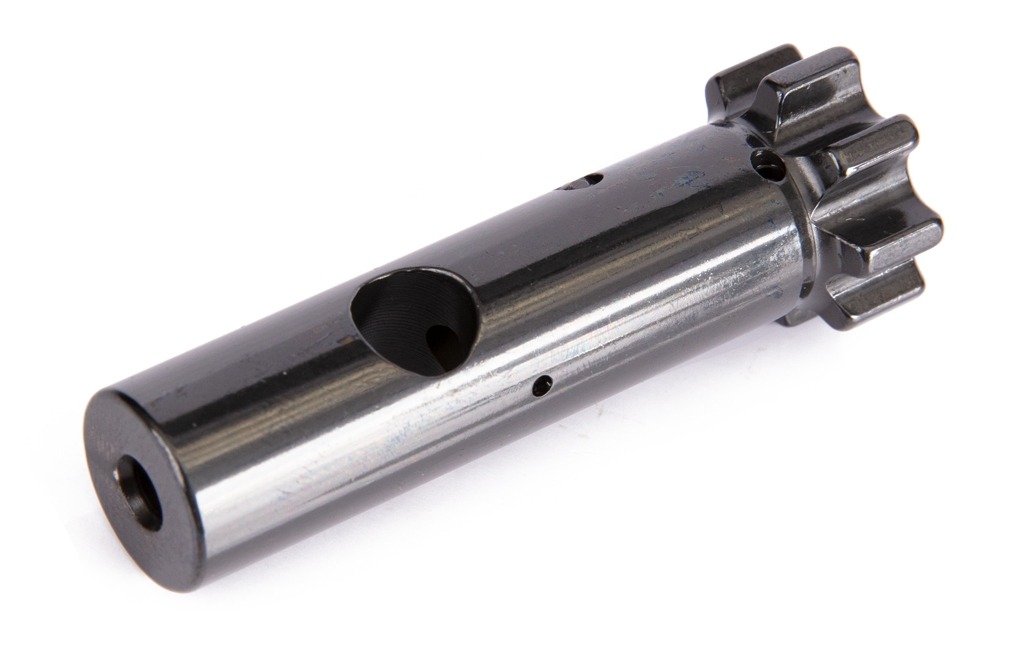
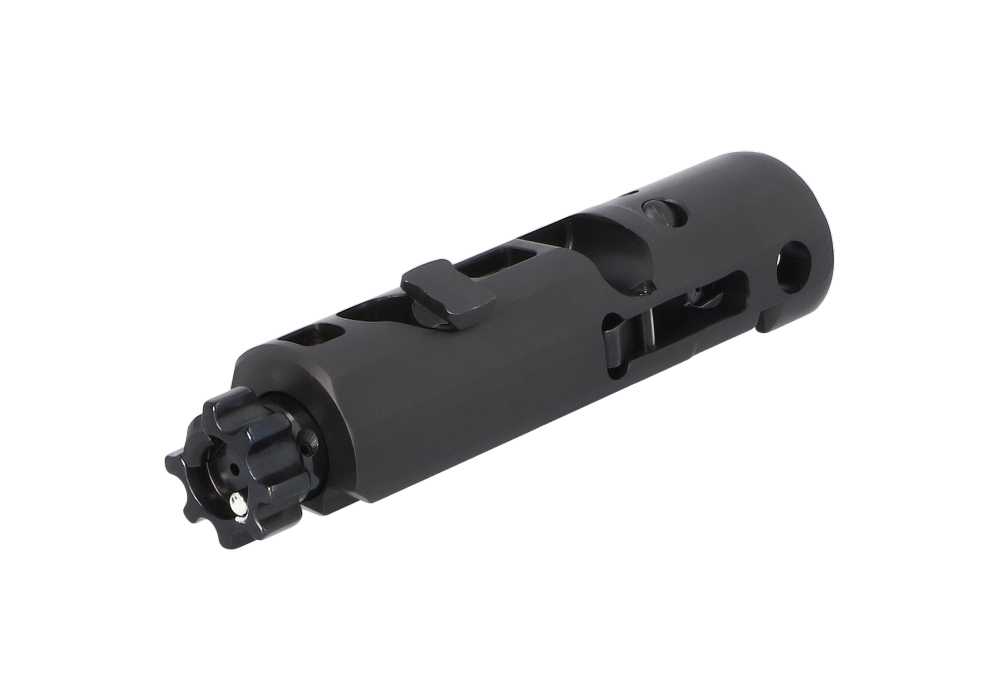
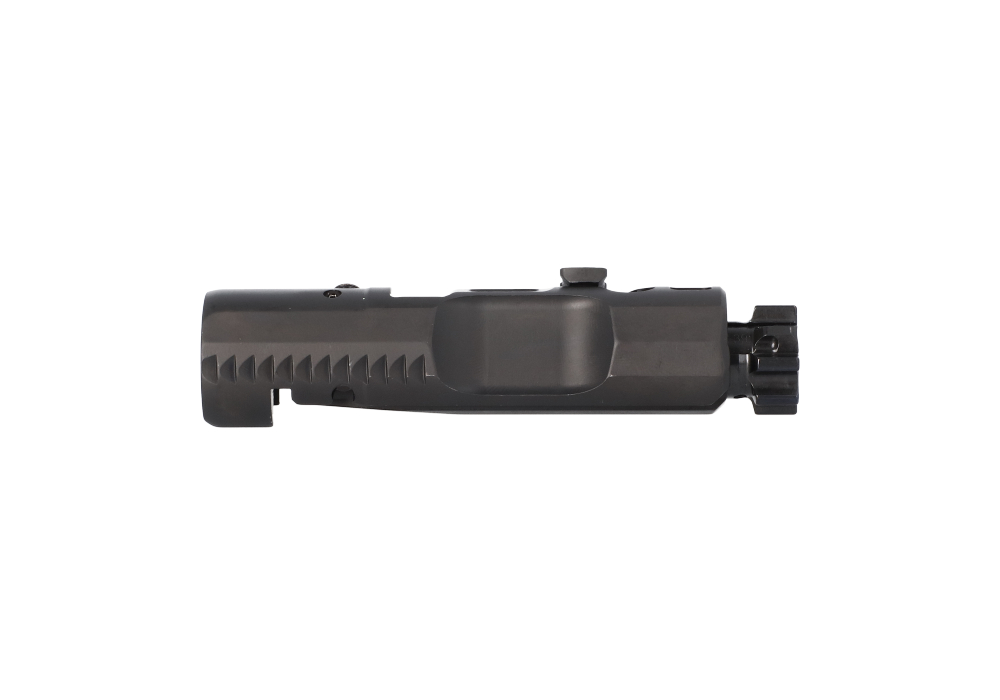
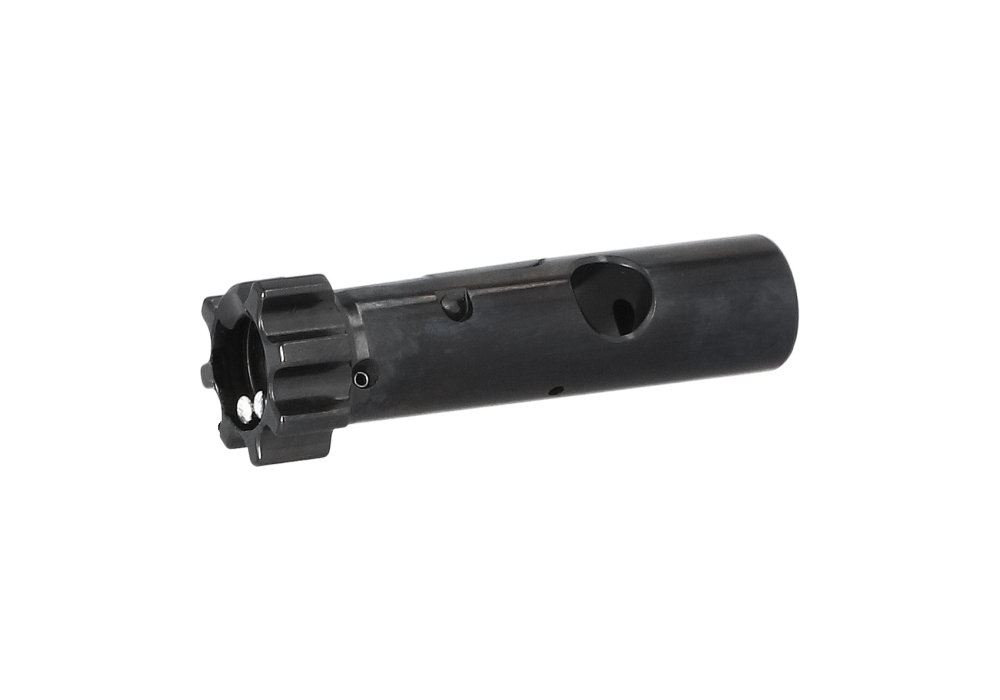
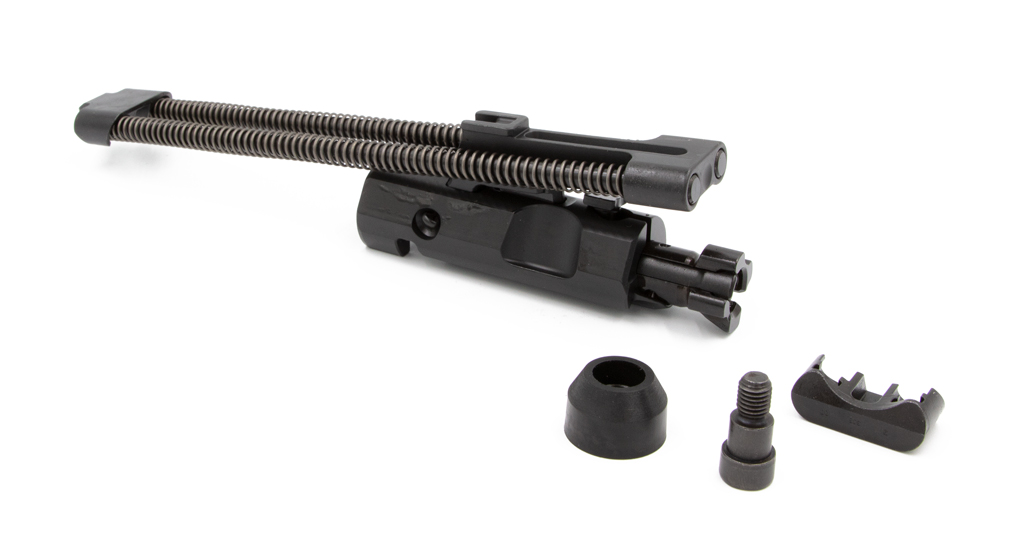
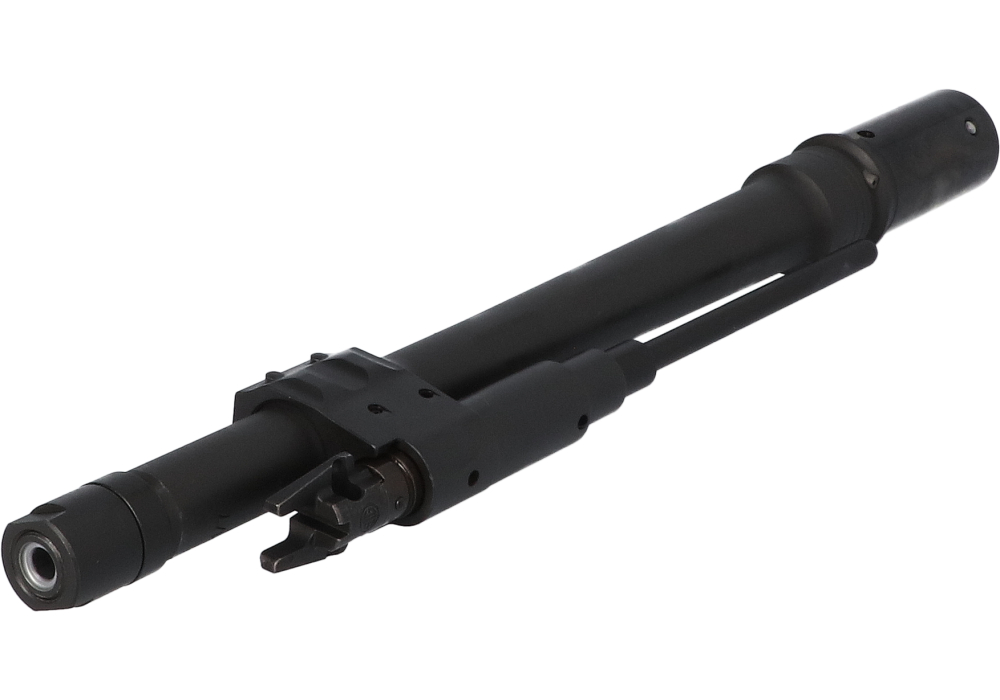
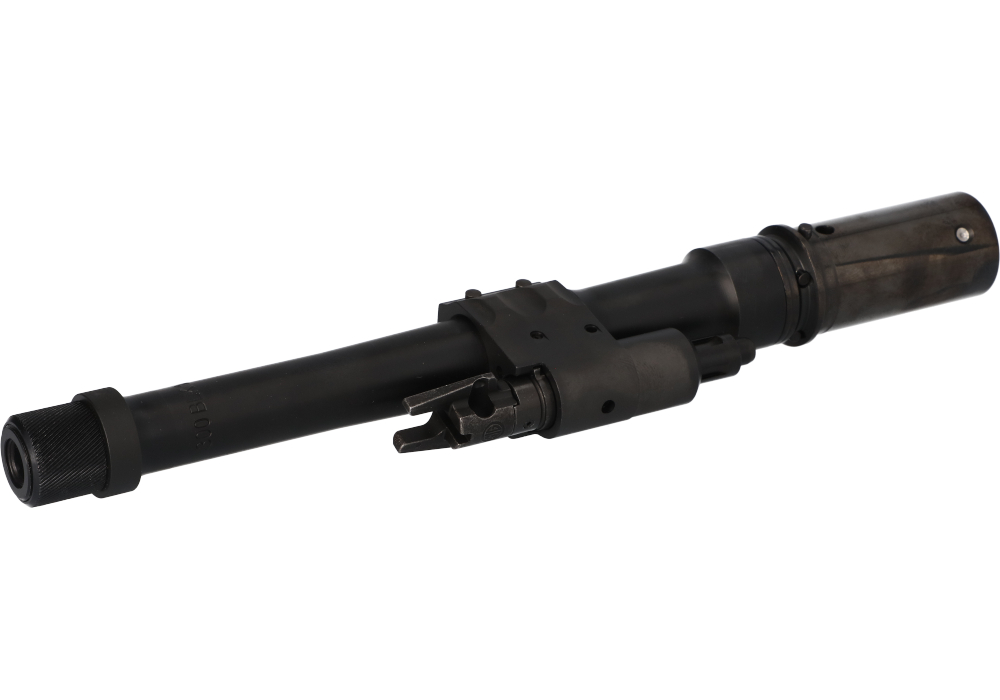
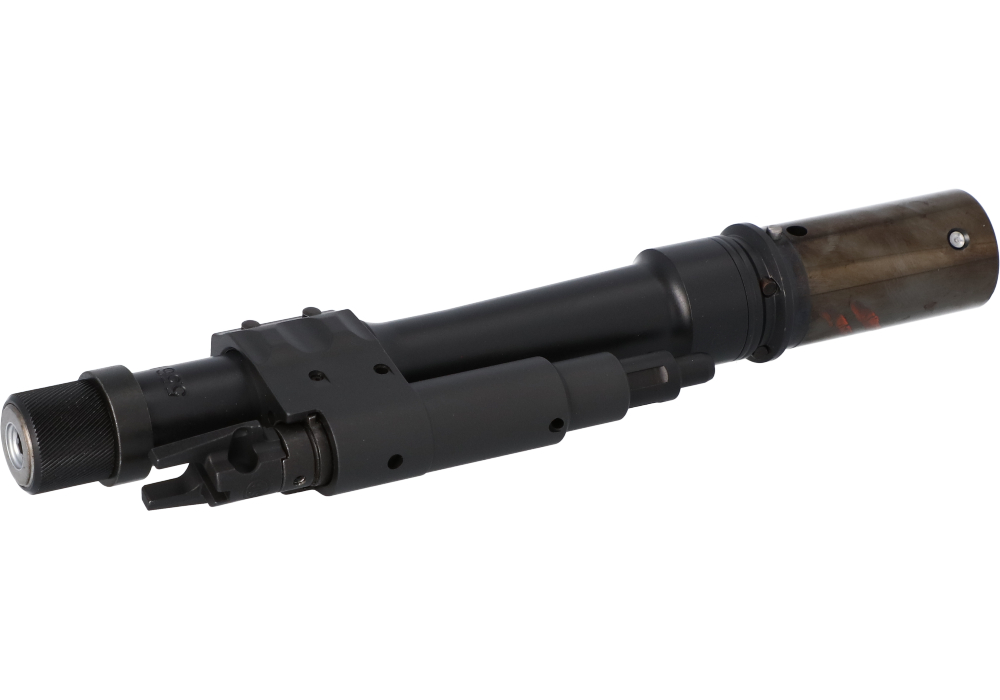
Bolt assemblies for multi caliber rifles are designed for shooters who value a modular setup and want one rifle platform to support more than one cartridge configuration. Depending on the rifle design, a multi-caliber system may use a removable bolt head, a dedicated bolt assembly, or a complete bolt carrier group matched to the barrel and ammunition being used. The bolt is responsible for several essential operations: it chambers the cartridge, locks the action, supports the case during firing, extracts the spent case, and ejects it from the rifle. Because these tasks depend on precise contact between the bolt face, cartridge rim, barrel extension, and chamber, compatibility is the first consideration when selecting a replacement or exchange component. A bolt assembly intended for one cartridge family may not be suitable for another, even when the cartridges appear similar at a glance. Rim diameter, case head dimensions, overall cartridge length, locking-lug arrangement, firing-pin relationship, and extractor geometry all influence fit and function. In a modular bolt-action rifle, changing from a cartridge based on a standard-size case to a smaller or magnum-size case may require a different bolt head or bolt assembly. In a semi-automatic rifle, moving between cartridges such as 5.56 NATO, .300 Blackout, and 7.62x39 commonly requires a properly matched bolt assembly or complete carrier group, along with a compatible barrel and magazine system. Cartridges sharing a similar case head may use a common bolt face in some platforms, but that should never be assumed without confirming the rifle manufacturer’s specifications. A careful buyer begins with the exact firearm model, action type, barrel chambering, and intended cartridge, then checks the replacement part against the applicable owner’s manual or factory compatibility information. When fitment is uncertain, a qualified gunsmith can verify the components and inspect headspace before the rifle is fired.
These assemblies appeal to precision shooters, hunters, recreational rifle owners, and anyone building a flexible platform around different range or field requirements. A shooter may keep one configuration set up for economical practice and another for a different distance, game animal, or suppressor-ready application, while using the same familiar stock, trigger, optic, and controls. During the cooler months, a modular rifle can be convenient for range sessions when equipment is packed into a case and every component needs to earn its place. The same practical approach is useful during hunting preparation, when a hunter may change configurations to suit terrain, local regulations, or the type of ammunition selected for a particular trip. Bolt assemblies can also be a thoughtful gift for an experienced rifle owner who already has a modular platform and appreciates maintenance parts, caliber-conversion options, or a carefully matched spare. They are less suitable as an impulse purchase for a new shooter, since the correct choice depends on the recipient’s exact rifle and cartridge requirements. Before placing an order, compare the listed specifications with the markings on the barrel and receiver, confirm whether the platform uses a removable bolt head or a dedicated assembly, and determine whether the package includes the complete bolt or only selected components such as the bolt head, extractor, ejector, or firing-pin parts. It is also important to distinguish between a bolt assembly for a bolt-action rifle and a bolt carrier group or dedicated bolt used in a semi-automatic operating system. These parts may look related, but their dimensions, operating cycles, and installation requirements can be entirely different. For owners who regularly train with their rifles, a properly fitted spare can reduce downtime when an extractor spring, ejector, or other wear component needs attention. Storage in a clean, dry container and periodic inspection for damaged lugs, unusual wear, weak springs, or debris around the bolt face can help preserve reliable operation.
Selecting the right multi-caliber bolt assembly is ultimately an exercise in matching the cartridge, action, and rifle platform rather than choosing by appearance alone. The bolt face must fully support the cartridge case, the extractor must engage the rim securely, and the ejector must work with the rifle’s operating system to clear the fired case consistently. Headspace is especially important: it is established by the relationship between the chamber, barrel, bolt, and locking surfaces, and it should be checked whenever a barrel or bolt assembly is changed in a way that could affect that relationship. A component that appears to fit may still be unsuitable if it creates excessive or insufficient headspace, interferes with the firing pin, or fails to lock correctly. Use only ammunition appropriate for the chamber marking and follow all inspection, installation, and function-check procedures specified for the firearm. Any conversion should be completed with the rifle unloaded and pointed in a safe direction, and live-fire testing should take place only after the assembly has been installed and verified by a knowledgeable professional when required. Keeping notes on each configuration can be helpful, particularly for owners who move between cartridges: record the barrel, bolt assembly, magazine, ammunition, and any required accessories together so the correct combination is easy to identify. Shooters seeking components suited to demanding practice schedules may also wish to review Bolt Assemblies for High Round Count Rifles for additional options. With careful attention to bolt-face dimensions, extractor and ejector design, headspace, and platform-specific requirements, a multi-caliber setup can provide a practical way to tailor one rifle system to changing range, training, and field needs.