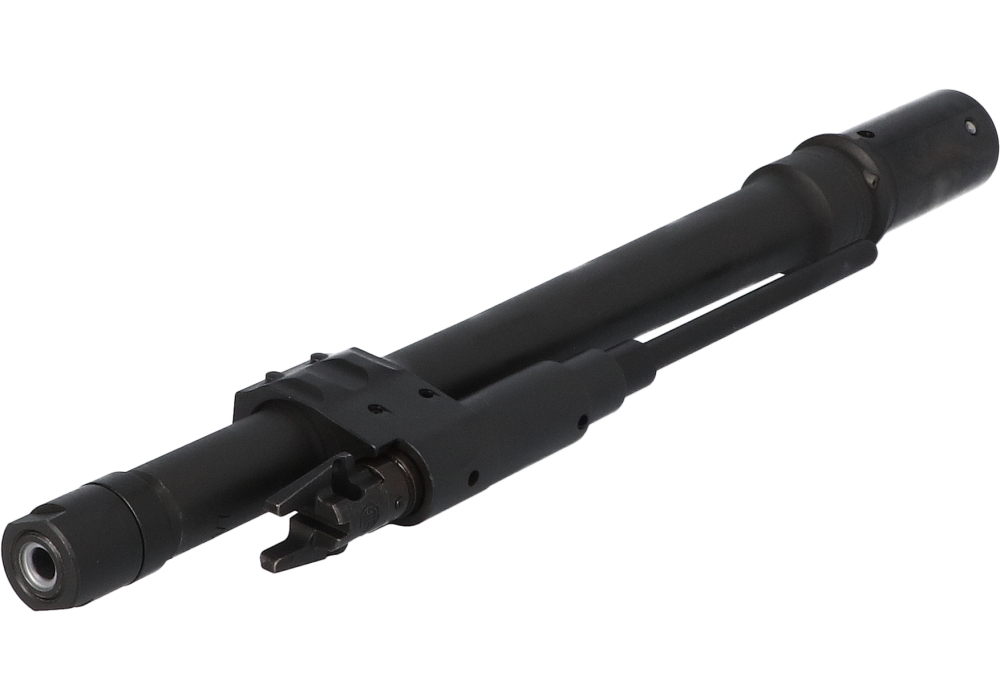
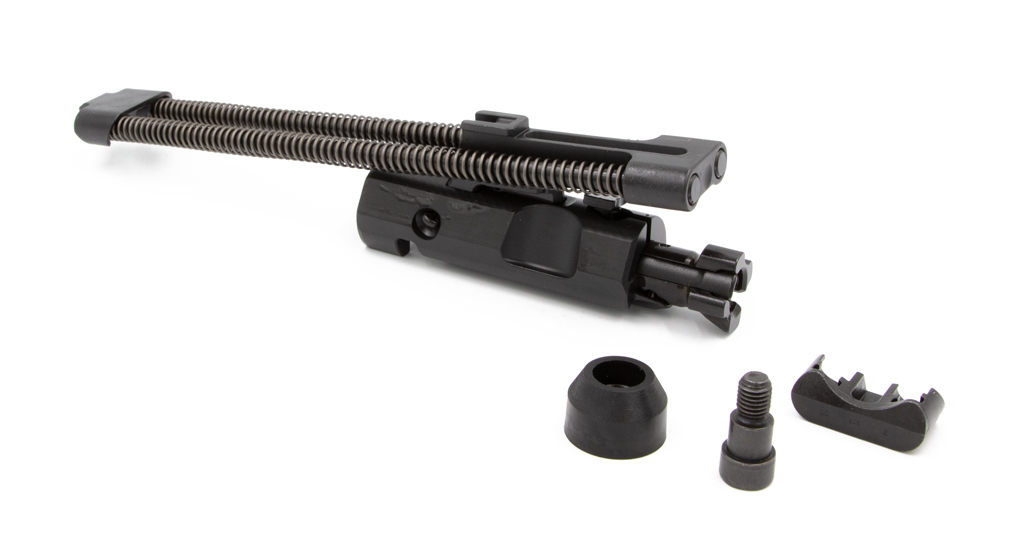
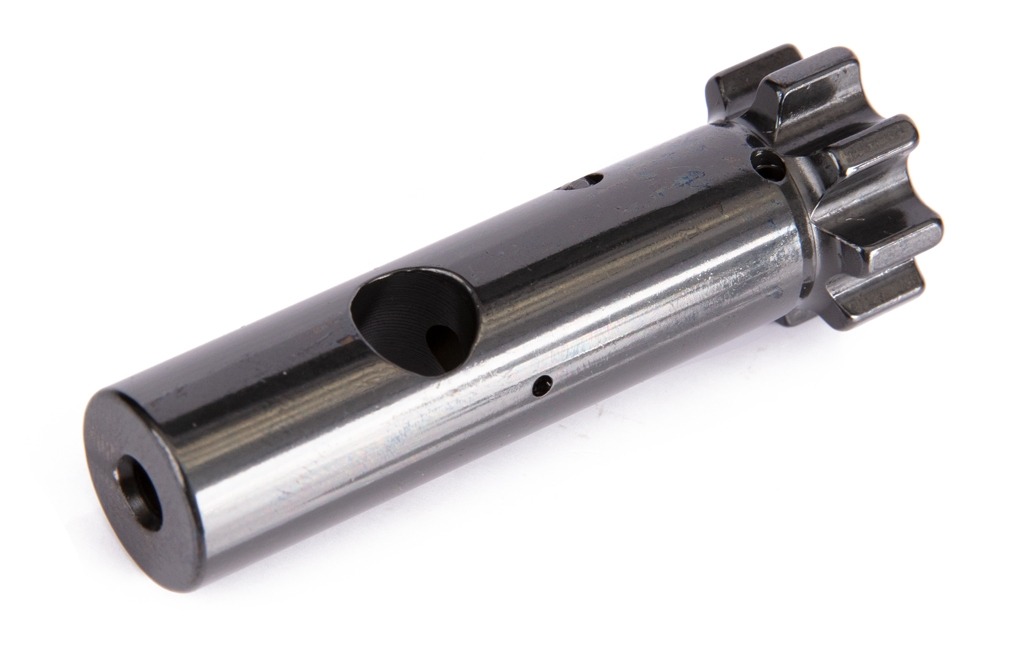
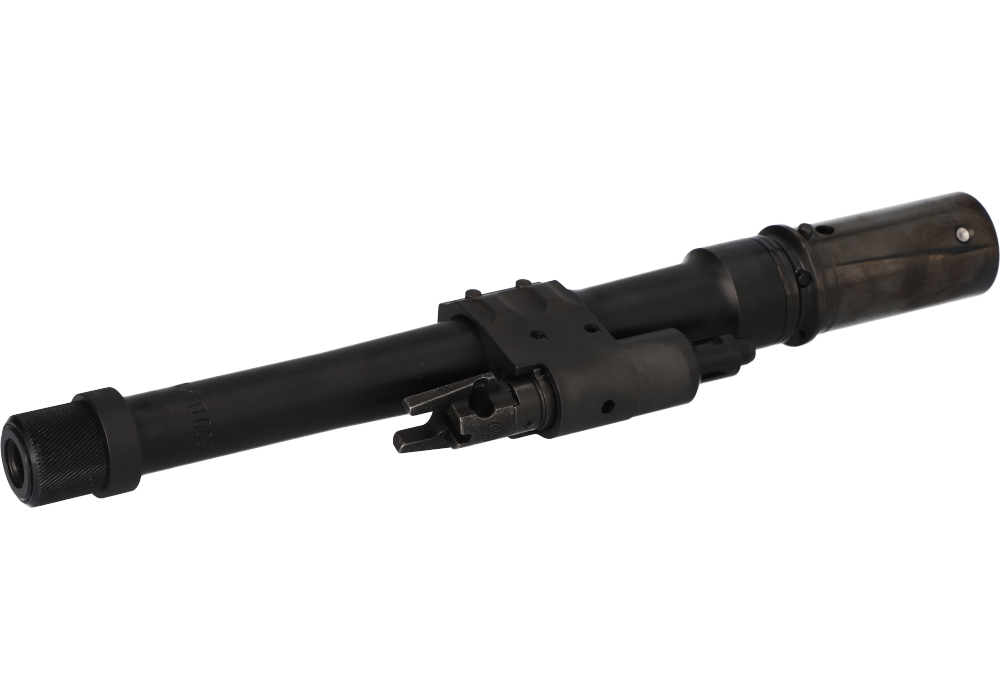
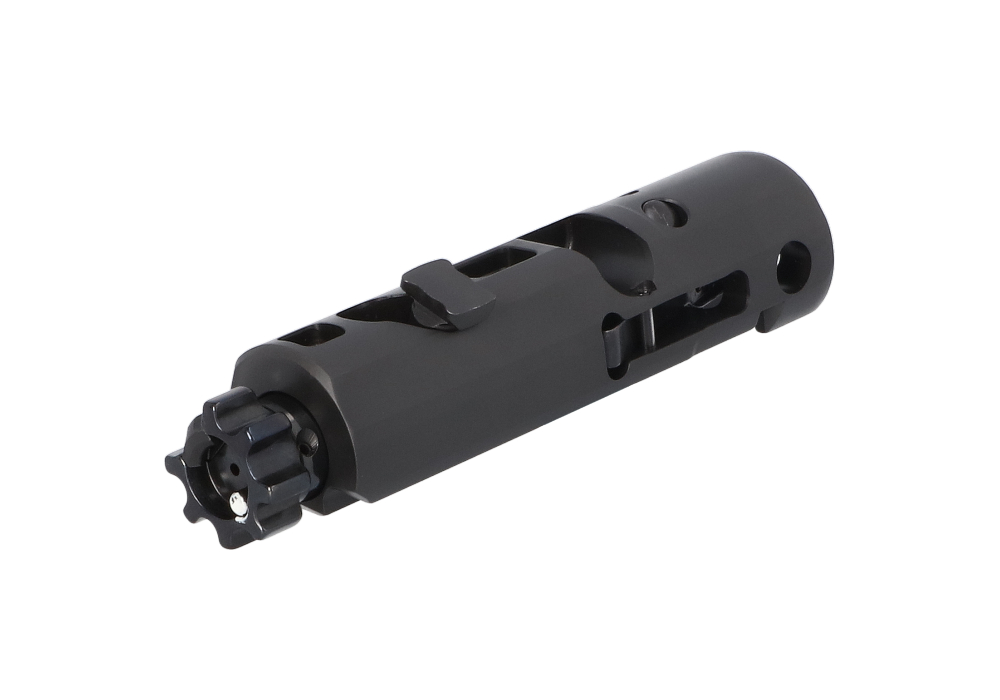
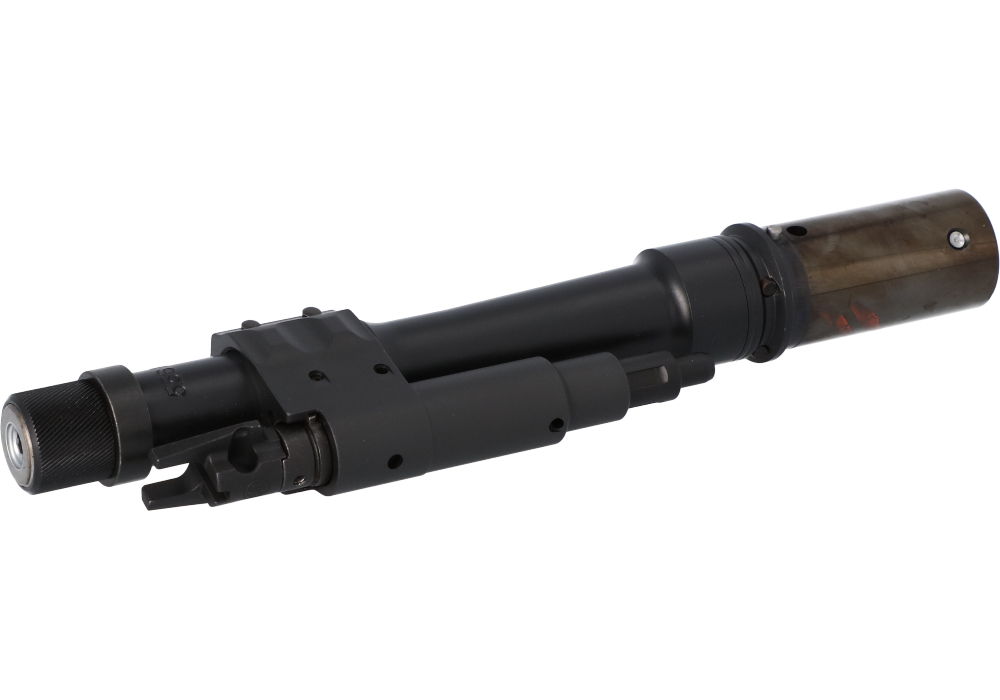
Bolt assemblies are central to the reliability, consistency, and safe operation of many modern rifles, particularly rifles that see frequent training, extended range sessions, competition use, duty use, or demanding field conditions. On a high round count rifle, the bolt cycles through substantial heat, pressure, and mechanical stress with every shot, making material selection, heat treatment, inspection, and correct fit important considerations. Assemblies made from proven high-strength steels such as Carpenter 158 or 9310 are commonly selected for their resistance to shock and repeated load when properly manufactured and treated. Surface treatments such as shot peening, QPQ nitriding, or other approved hardening processes may help improve wear resistance and reduce the effects of repeated cycling, while magnetic particle inspection, often abbreviated MPI, can help identify surface and near-surface imperfections before a component enters service. These details matter to shooters who spend long days behind a rifle, whether they are practicing positional shooting as the air turns crisp, checking zero before a hunt, or maintaining a rifle that must perform consistently through changing conditions. When selecting a replacement or spare, confirm the rifle’s platform, caliber, bolt pattern, carrier interface, firing pin compatibility, extractor configuration, and manufacturer specifications. A bolt assembly should match the rest of the operating system rather than being chosen solely by appearance or advertised durability. Proper headspace is especially important, and installation or replacement should be completed by a qualified gunsmith or other competent professional using the appropriate gauges and procedures. A well-matched assembly can support dependable function, but no component eliminates the need for inspection, cleaning, lubrication, and responsible handling.
High round count use places particular attention on the locking lugs, extractor, ejector, gas rings, firing pin, cam pin, and retaining hardware. During routine maintenance, look for chipped or peened locking lugs, hairline cracks, unusual bright spots, flattening, pitting, or uneven wear. Wear patterns that develop on only one or two lugs may indicate an issue with alignment, headspace, barrel extension fit, or the broader operating system and deserve professional evaluation. The extractor should maintain firm tension and show no deformation at its claw or pivot area; a weak spring, damaged insert, or worn extractor can contribute to failures to extract, especially when the rifle is hot or fouled. Gas rings should seal properly and be replaced when worn rather than waiting for unreliable cycling. Many shooters inspect them at regular intervals and replace them according to observed condition, round count, and the rifle manufacturer’s recommendations; a commonly cited maintenance range is approximately 5,000 to 10,000 rounds, though ammunition, lubrication, suppressor use, firing schedule, and rifle configuration can change that interval. Gas key staking and fastener condition also deserve attention on compatible systems, since secure staking helps prevent movement under repeated recoil and thermal cycling. Keep a simple maintenance record noting round count, spring changes, malfunctions, and parts inspections. That record can reveal gradual changes that are easy to miss during a single cleaning session, such as extraction becoming slightly less positive or a bolt beginning to show an unusual contact mark. Shooters comparing options for a frequently used rifle may also wish to explore Bolt Assemblies for Rifle Reliability Enhancements when evaluating replacement components and reliability-focused upgrades.
A bolt assembly can be a practical addition for an experienced rifle owner, a competition shooter preparing a dedicated spare, or a careful enthusiast assembling a maintenance kit for regular range use. It may also be a thoughtful gift for someone who already records training sessions, keeps a rifle log, or spends considerable time tuning and maintaining their platform, provided the recipient’s exact rifle specifications are known. A spare should not be treated as a universal part: even rifles that appear similar may use different bolt face dimensions, lug geometry, extractor systems, firing pin arrangements, or carrier interfaces. Check the chambering and cartridge family, confirm the intended rifle model and generation, and review all compatibility information before ordering. For rifles used with sound suppressors or in particularly dirty environments, additional fouling and heat may accelerate wear, making careful cleaning and inspection even more valuable. After installation, function checks should follow the firearm manufacturer’s instructions, and live-fire verification should take place in a controlled range environment with appropriate eye and ear protection. Watch for failures to extract or eject, unusual resistance during cycling, pierced primers, changes in primer appearance, inconsistent lockup, or other signs that call for immediate cessation of use and professional inspection. During the cooler months, a rifle may move between heated vehicles, cold firing lines, and damp cases, so allow condensation to clear and protect steel surfaces from corrosion without over-lubricating areas where excess oil can collect fouling. Thoughtful selection, correct fitting, documented maintenance, and regular inspection all contribute to making a bolt assembly a dependable part of a rifle prepared for many seasons and many rounds.