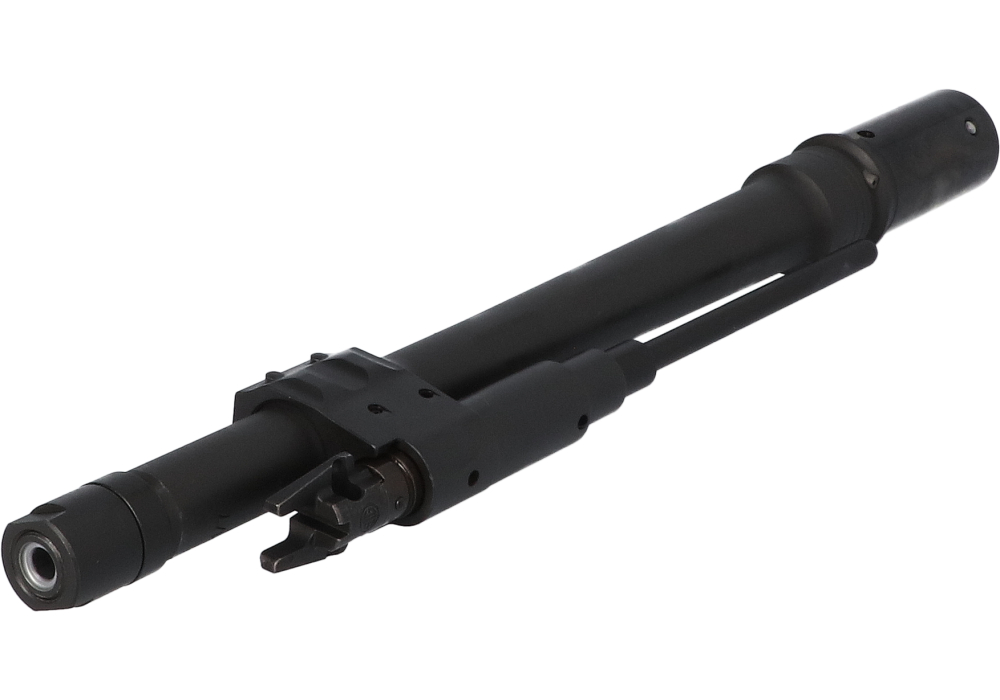
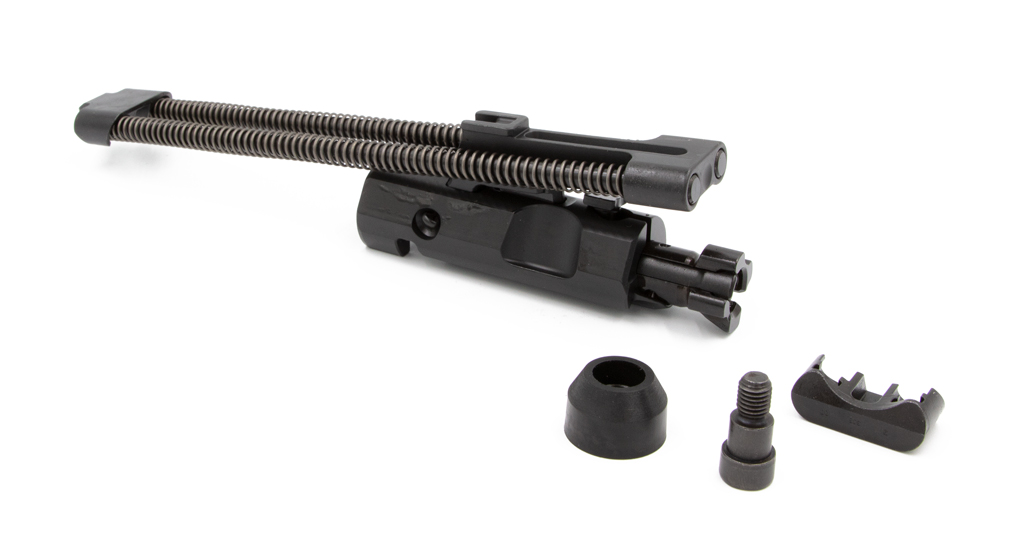
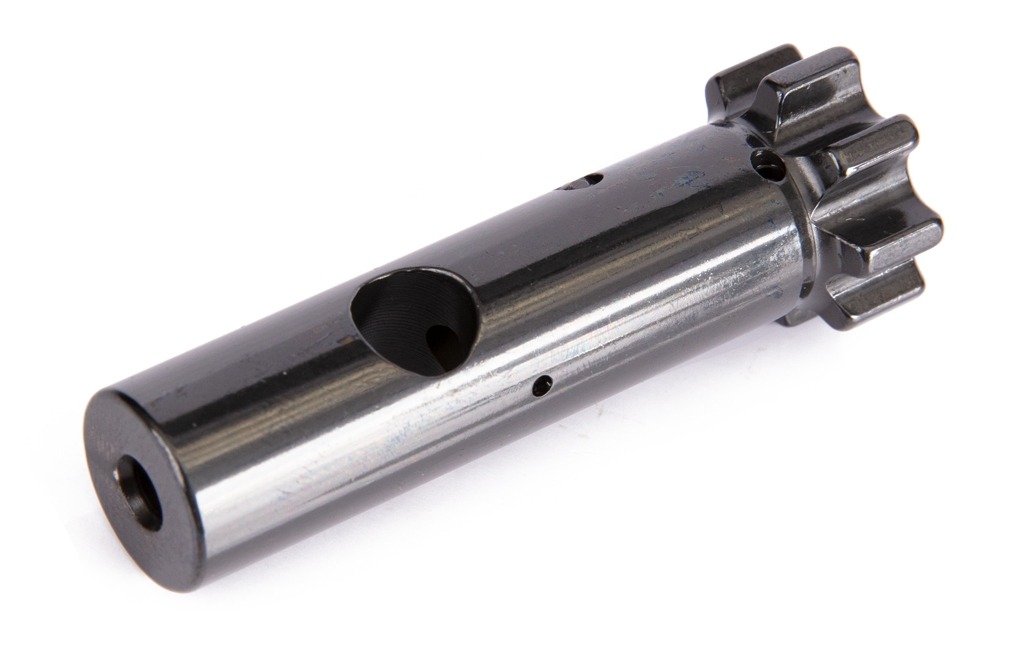
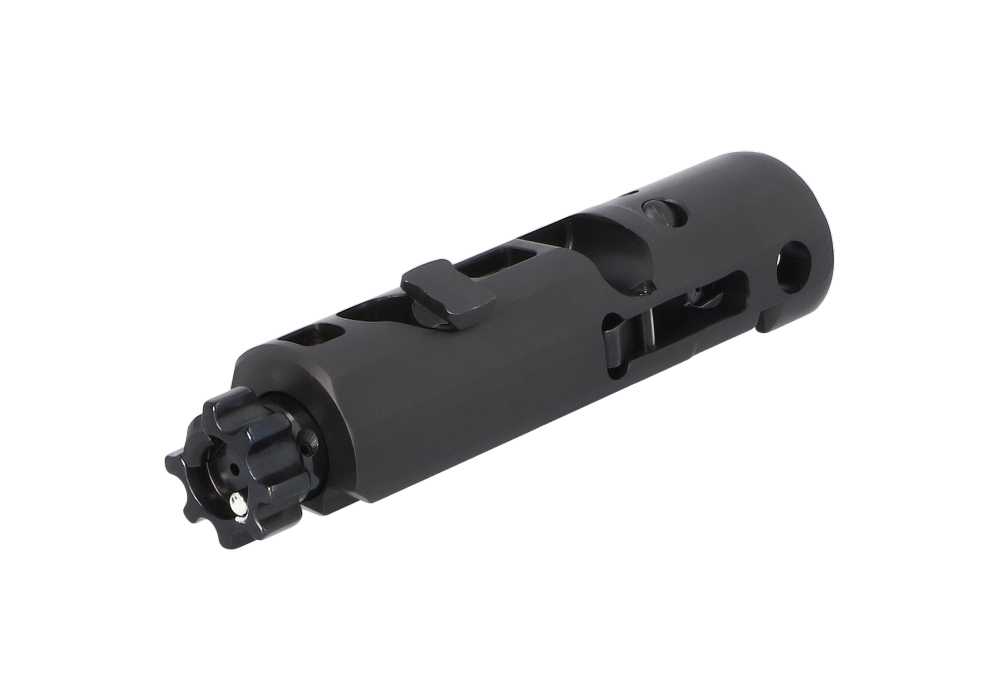
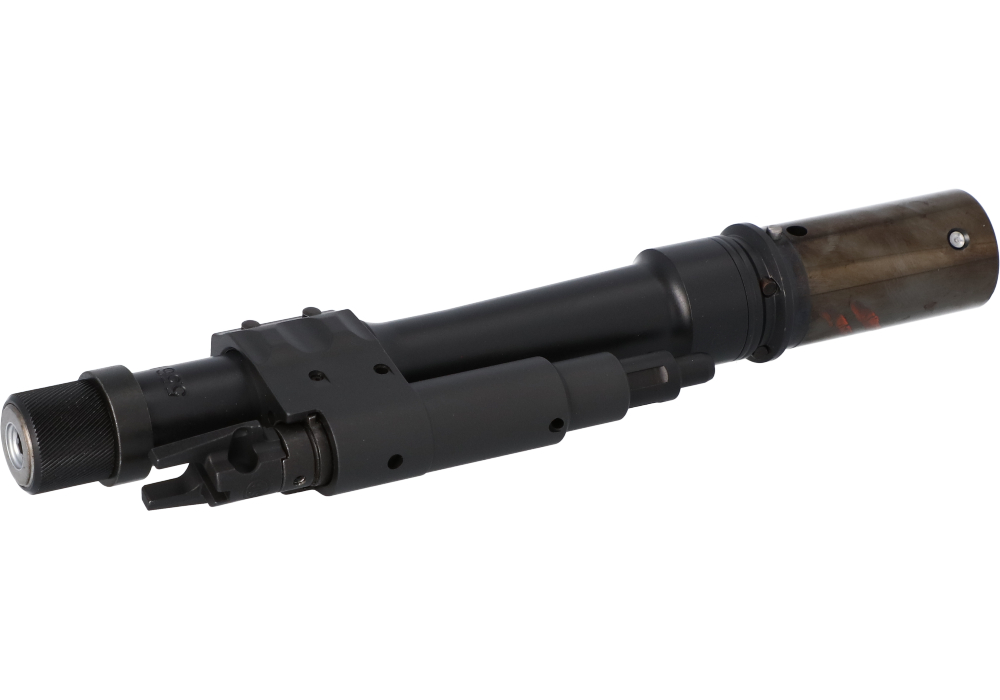
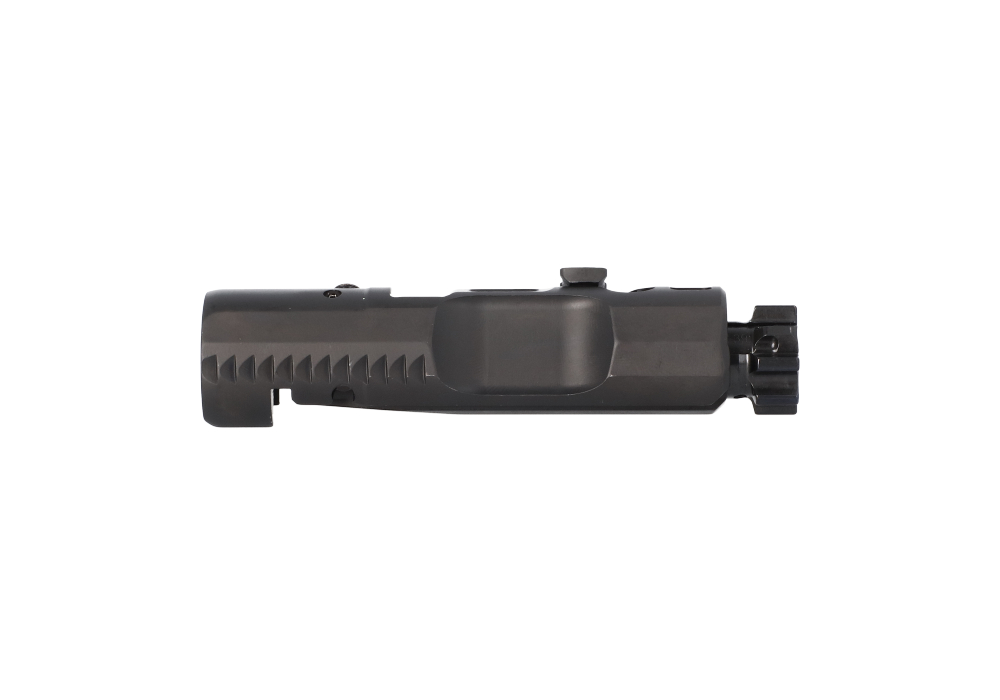
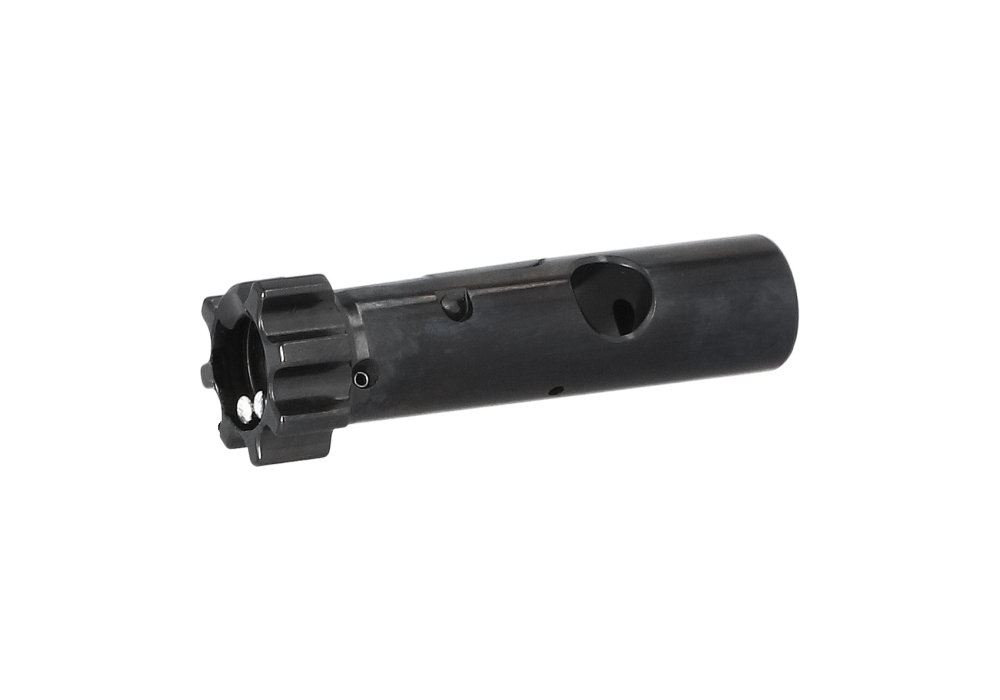
Bolt assemblies support rifle reliability through their role in locking the action, supporting the cartridge during firing, and helping manage extraction and ejection. Their performance depends on correct compatibility, appropriate materials, sound manufacturing, and the condition of the rifle as a complete system. A replacement or upgraded assembly may support dependable operation when it meets the firearm manufacturer’s specifications, but no single component can resolve every cause of inconsistent cycling. Ammunition, magazines, maintenance, and other action components also influence how a rifle functions. For that reason, bolt assemblies are best understood as precision components with defined applications rather than universal solutions. A bolt assembly and a bolt carrier group are also different product categories. A carrier group generally includes the bolt, carrier, and additional operating components, while the contents of a bolt assembly vary with the firearm’s design and the manufacturer’s description. That distinction matters when comparing listings: similar photographs or familiar terminology do not necessarily indicate the same included parts. Platform, chambering, model generation, and documented compatibility provide a more dependable basis for comparison than appearance alone. Even rifles with similar external dimensions can use different internal components. For a recreational shooter, the priority may be maintaining a familiar rifle for regular practice. A competitive shooter may value documented specifications and a consistent maintenance schedule, while a hunter may prioritize dependable function and resistance to ordinary field wear. Across these uses, the strongest foundation is an assembly intended for the exact rifle, supported by clear technical information. Reliability is not simply a feature printed beside a product name; it is the result of compatible parts functioning together within their intended limits. Product descriptions that identify the application, included components, material specifications, and relevant inspection information help distinguish meaningful engineering details from broad claims about performance.
Materials and manufacturing quality deserve close attention because a rifle bolt operates under repeated mechanical stress. Steel selection, heat treatment, dimensional consistency, and surface condition all contribute to how a component withstands its intended service. An alloy designation can provide useful context, but the name of the steel does not tell the entire story. Its suitability also depends on the design, processing, and quality controls associated with the finished component. Where documented, inspection and testing information can offer additional context about manufacturing standards, although different tests serve different purposes and should not be treated as interchangeable assurances. Surface treatments and coatings are another consideration. Depending on their composition and application, they may contribute to corrosion resistance, wear resistance, or easier removal of residue. A distinctive color or smooth appearance, however, is not proof of longer service life. A finish also does not eliminate the need for manufacturer-recommended cleaning, lubrication, and inspection. For someone who uses a rifle regularly, practical durability includes how the assembly holds up over repeated maintenance cycles as well as ordinary use. Clear care requirements are therefore as relevant as the finish description itself. Contact surfaces, locking features, and small operating components each have a role in the larger mechanism, and their condition matters more than cosmetic appeal. Consistent dimensions and appropriate material treatment support the intended relationship between those parts without turning any one feature into a guarantee. An assembly selected for frequent range sessions may be evaluated with service history and maintenance needs in mind; one intended to maintain an established rifle may place greater emphasis on matching the original specifications. Neither situation calls for choosing the most elaborate description. It calls for understanding what the documented features contribute, which claims apply to the intended platform, and what care the manufacturer requires throughout the component’s service life. That perspective keeps attention on functional suitability rather than appearance or terminology.
Fit is especially important when comparing bolt assemblies for semi-automatic rifles, where the bolt functions within a larger operating system. Compatibility involves more than whether a component appears to fit inside the receiver. The relationship among the bolt, barrel, chamber, and associated action parts must meet the firearm manufacturer’s requirements, including applicable headspace specifications. Those are matters for manufacturer documentation and, where appropriate, evaluation by a qualified gunsmith—not assumptions based on a shared cartridge designation or a similar model name. The Bolt Assemblies for Semi Automatic Rifles page provides another category to consider when comparing components for this type of action. Within any category, the exact application and included parts remain essential distinctions. A shooter maintaining a long-used range rifle may need a different component set from someone arranging professional service for a newer platform, even when both describe the goal as better reliability. Useful product information should make those differences easier to recognize. Ownership considerations continue after selection: access to the correct care instructions, a clear understanding of service requirements, and appropriate professional support all contribute to responsible upkeep. Cleaning methods and lubricants should follow the firearm and component manufacturers’ recommendations rather than a general assumption that every finish needs identical treatment. Visible damage, unusual wear, or changes in function warrant attention before further use; replacing a component without understanding the underlying issue can leave the original problem unresolved. For a gift recipient who enjoys rifle maintenance or regular target practice, compatibility is particularly important, since a precision component is only useful when it suits the recipient’s firearm and intended application. Confirming the exact platform through reliable documentation is more meaningful than choosing by appearance. Whether the goal is routine maintenance, replacement of a worn assembly, or a manufacturer-supported upgrade, the most relevant qualities remain the same: verified fit, suitable materials, consistent manufacturing, and care requirements that support dependable service over time. Those considerations give bolt assemblies their practical value within a well-maintained rifle.