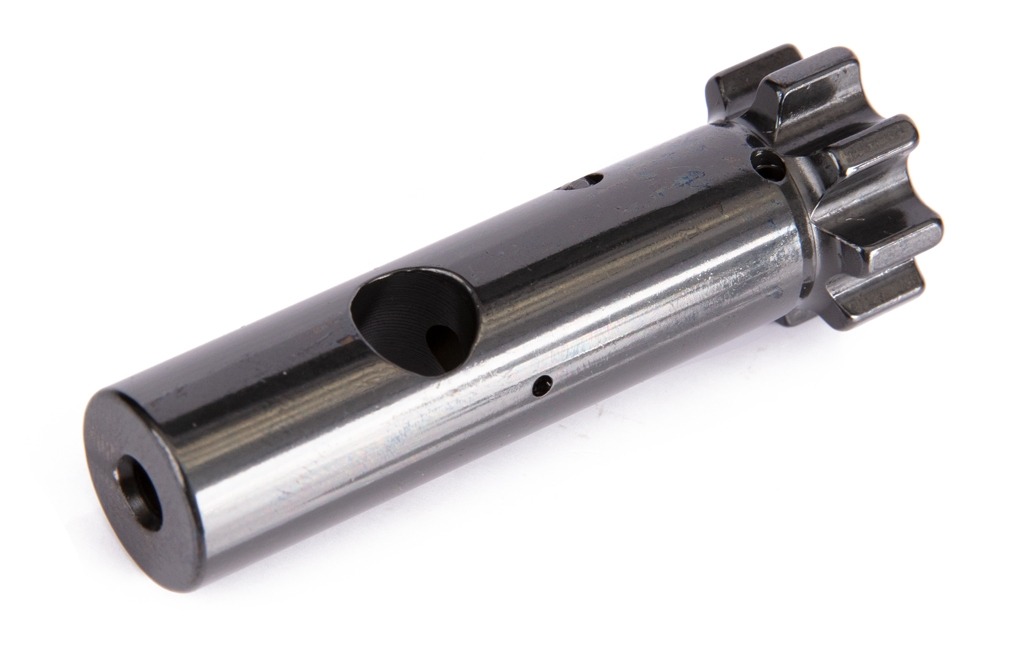
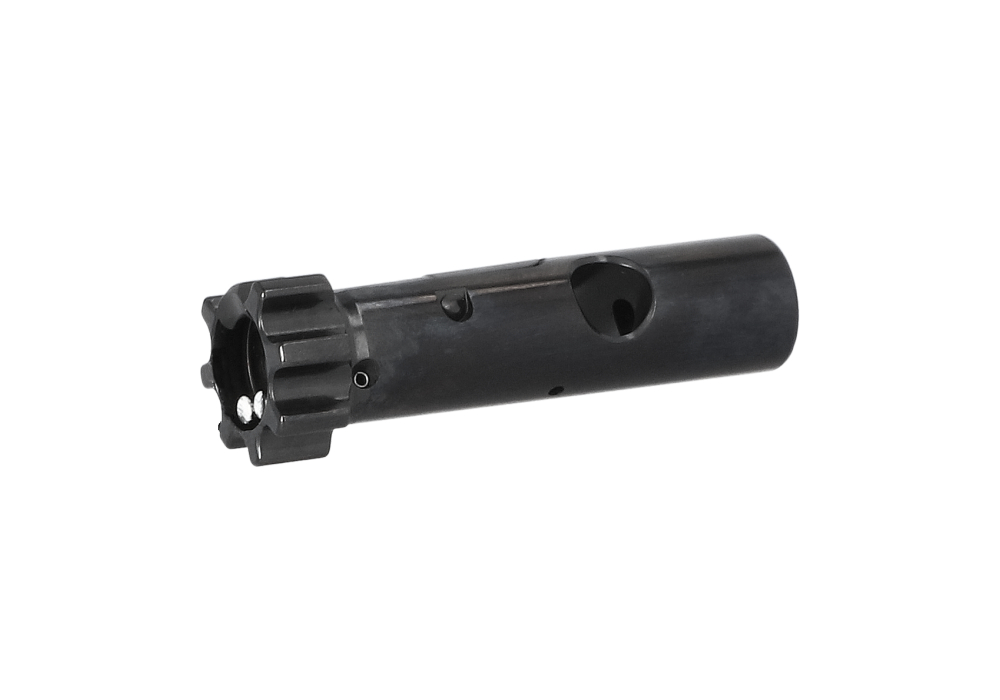
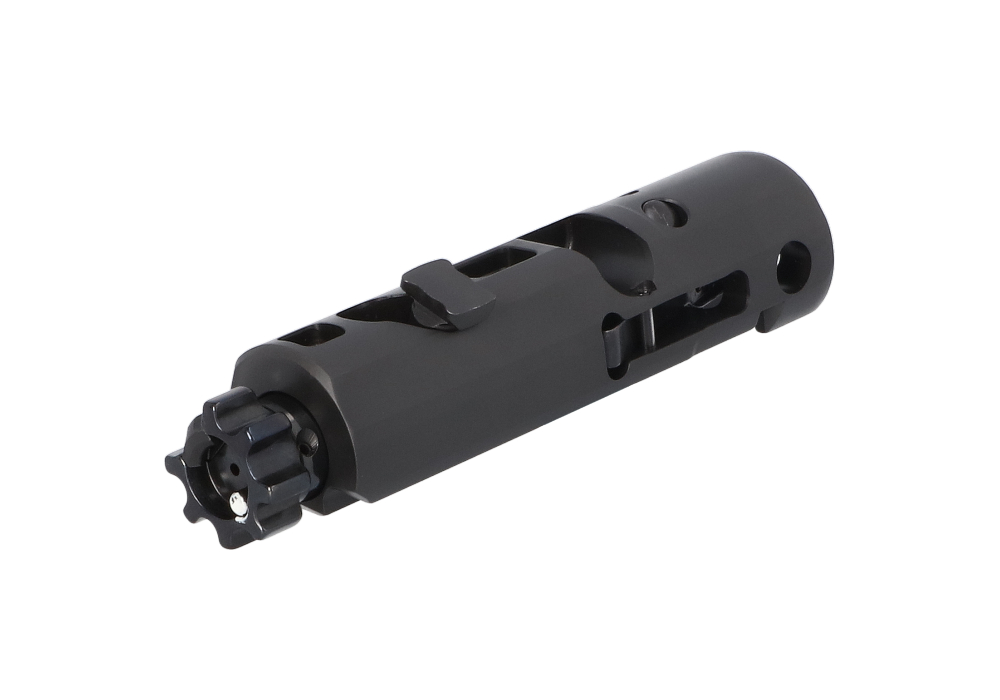
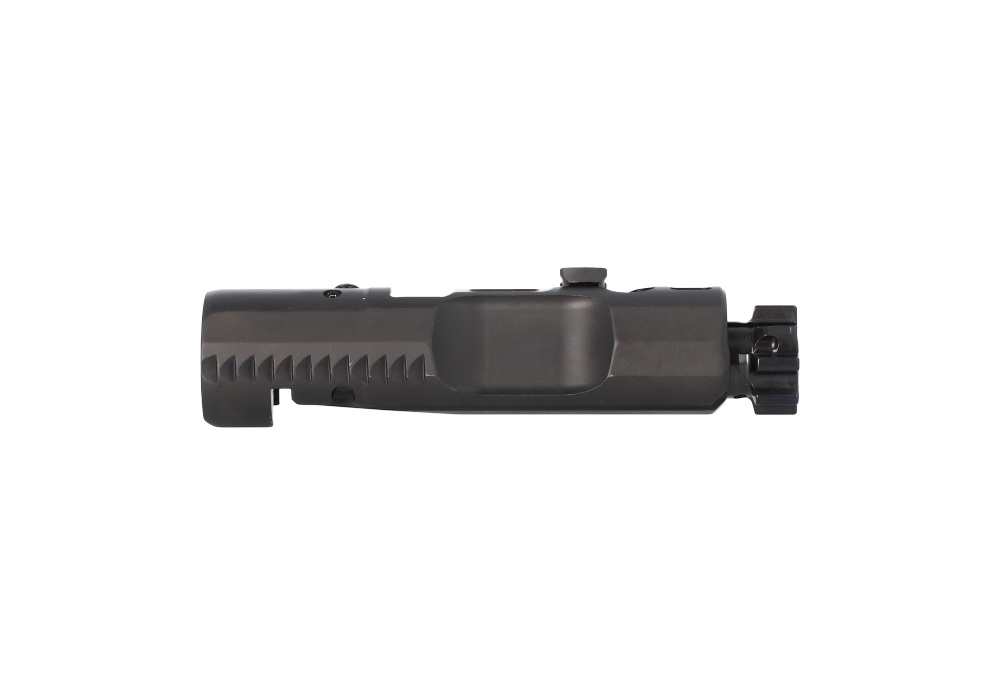
Bolt assemblies are a foundational consideration for anyone planning a custom rifle project, refining an existing bolt-action rifle, or selecting replacement components for a trusted platform. A complete bolt assembly generally brings together the bolt body, locking lugs, firing pin system, extractor, ejector, bolt shroud, and related components that work as a single operating system. The bolt body supports and positions the firing mechanism as it travels through the receiver, while the locking lugs engage the receiver or barrel extension to secure the cartridge during firing. After a shot, the extractor draws the spent case from the chamber and the ejector helps move it clear of the action. These parts must be selected around the exact action, cartridge family, bolt-face dimensions, and manufacturer specifications; a bolt that appears similar in photographs may not be suitable for a different receiver or chambering. Careful compatibility checks are especially important for custom rifle projects, where an action may be configured around a particular short-action or long-action footprint, a specialized firing-pin diameter, or a proprietary lug arrangement. Some platforms support interchangeable bolt heads or bolt faces, allowing a properly matched action to accommodate more than one cartridge family when the receiver, barrel, magazine, and other components are also designed for that configuration. That flexibility can be valuable to an experienced builder who wants a single platform to serve different roles, but it should never be assumed without confirming the manufacturer’s specifications and consulting a qualified gunsmith. Two-lug bolts commonly use a familiar 90-degree lift and offer the classic, deliberate feel many hunters and range shooters recognize. Three-lug designs may use a shorter 60-degree lift, which can make cycling feel quicker and provide additional clearance beneath large scope eyepieces. Neither layout is automatically right for every rifle; the best choice depends on the action, optic, stock, intended cartridge, and the shooter’s preferences for bolt lift, control, and maintenance. For anyone comparing bolt assemblies for custom rifle projects, useful details include the compatible action model, bolt-face type, lug configuration, firing-pin specifications, finish, included components, and whether the assembly is intended as a complete unit or as part of a broader system. These details help prevent costly mismatches and make it easier to create a reliable, consistent rifle that feels natural from the bench, blind, or field position.
The right bolt assembly can also be considered as part of a broader maintenance or reliability plan. A worn extractor, damaged ejector, inconsistent firing-pin component, or bolt body with evidence of improper wear deserves careful evaluation rather than a casual replacement based only on appearance. Changes to the bolt, receiver, barrel, or chamber should be performed or inspected by a qualified gunsmith, with proper headspace verification and function checks completed before the rifle is used. Always confirm that the firearm is unloaded before handling or inspecting the action, keep ammunition separate during work, and follow the firearm and component manufacturer’s safety guidance. For a new custom build, buyers often begin by identifying the action and intended cartridge, then match the bolt assembly to those specifications before choosing the remaining parts. For an established rifle, the safest path is to compare the original component’s markings and dimensions with the replacement listing and obtain direct confirmation when any detail is uncertain. Shooters who spend cooler months at the workbench may appreciate the tactile process of reviewing bolt lift, cycling feel, finish, and fit with a knowledgeable professional, while hunters and range users can focus on dependable operation and straightforward service when the rifle returns to regular use. These assemblies can make thoughtful gifts for an experienced rifle enthusiast, gunsmithing student, or precision-shooting hobbyist, provided the recipient’s action and cartridge requirements are known in advance; an accessory selected without that information may not be usable. A gift card or a carefully verified component is often more practical than guessing at compatibility. Buyers seeking additional options related to dependable operation can also explore Bolt Assemblies for Rifle Reliability Enhancements. Whether the goal is to support a fresh custom rifle project, maintain a familiar hunting rifle, or prepare a precision platform for long days at the range, a properly matched bolt assembly contributes to smooth cycling, positive extraction, consistent ignition, and confidence in the rifle’s overall operation. Selection should remain grounded in documented compatibility, professional inspection, and the specific demands of the rifle rather than appearance alone.