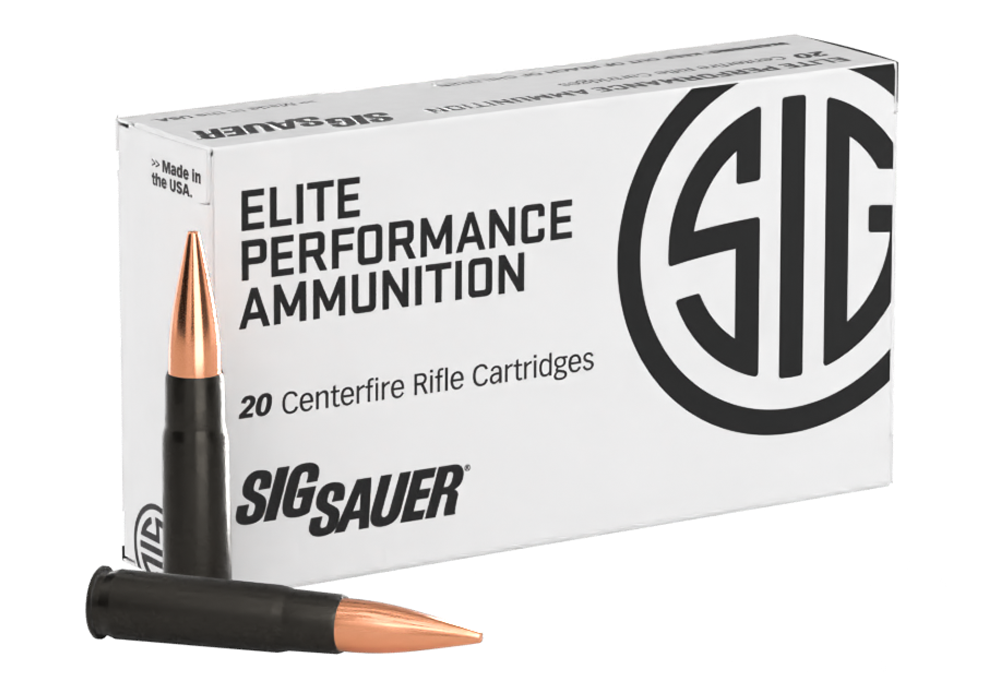
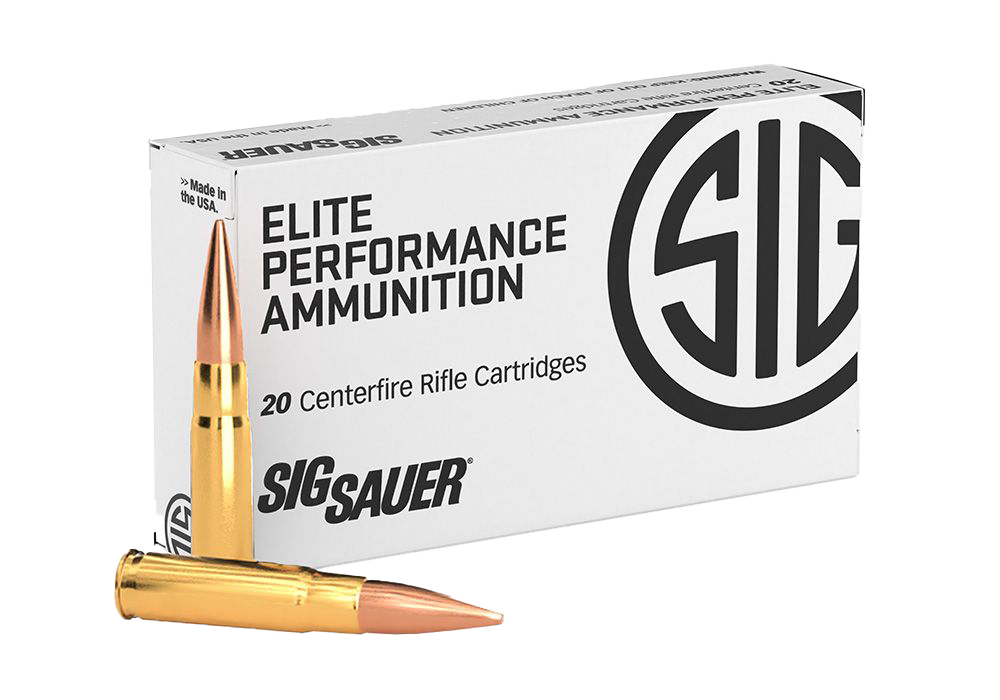
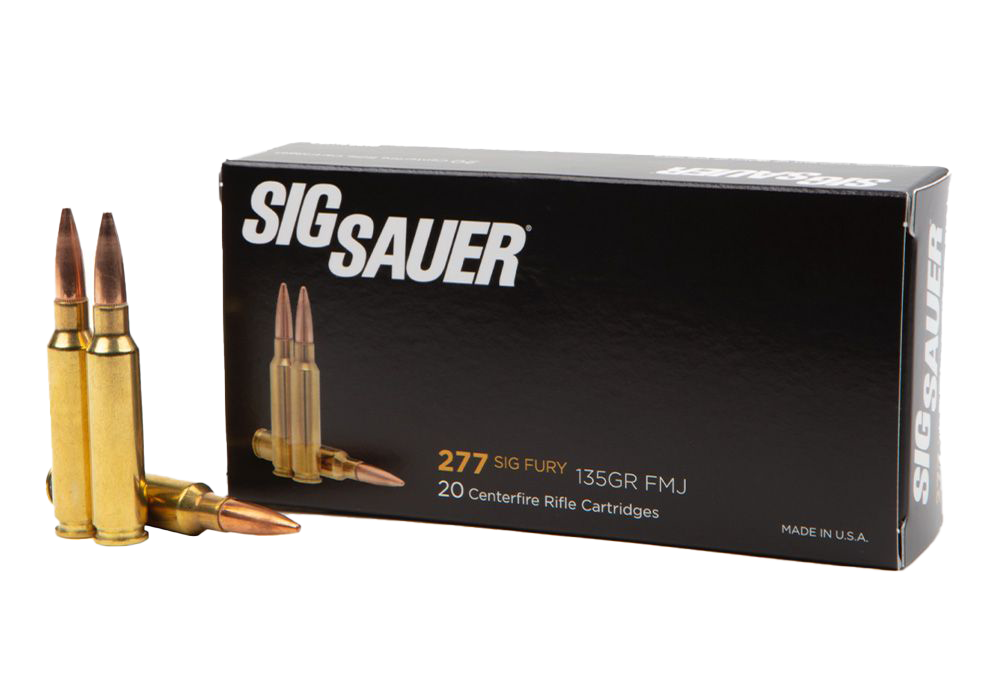
Brass case hunting ammo remains a trusted choice for hunters who want dependable performance from the first round in the magazine to the final shot of the season. Brass is strong enough to tolerate the pressure of modern hunting cartridges while remaining somewhat elastic inside the chamber. As a round fires, the case expands to help seal the chamber against escaping gas; after pressure drops, it contracts slightly to support smooth extraction. That combination of strength, resilience, and consistent fit is one reason brass cases are widely used for hunting ammunition. A reliable chamber seal can also help reduce gas and carbon moving back into the action, which is especially useful during long days in the field when dust, moisture, and field debris are already part of the challenge. Brass is generally softer than steel, which may help reduce unnecessary wear on the extractor and chamber when ammunition is properly matched to the firearm. For hunters preparing for the cooler months, brass case hunting ammo offers a practical balance of reliability, accuracy potential, and convenience for everything from sight-in sessions to carefully planned hunts.
Choosing the right load begins with the firearm and the game. Always match the cartridge designation on the ammunition box to the caliber marked on the rifle, and consult the firearm manufacturer’s instructions before purchasing or loading ammunition. Within a given caliber, bullet weight and construction can change trajectory, recoil, penetration, and terminal performance. A lighter bullet may produce a flatter trajectory in some applications, while a heavier bullet can offer different penetration characteristics; neither is automatically the right choice for every rifle or hunting environment. Consider the distances common to your hunting area, the size and toughness of the game, the type of terrain, and whether shots are likely to be taken from a blind, a stand, or while moving through thick timber. A load that groups tightly at the range is more useful than one selected only by reputation, so set aside time to confirm point of impact with the rifle, optic, and shooting position you intend to use. Even familiar rifles can print differently with a new bullet weight or projectile design. Hunters who prefer lead-free ammunition can also explore Copper Hunting Bullets as another option when evaluating hunting loads and local regulations.
Brass cases also offer value beyond a single range session. Many reloaders save fired brass for cleaning, inspection, resizing, and future loading, provided the cases are suitable for reuse and the process follows established reloading practices. This can make brass case hunting ammo appealing to experienced handloaders who keep organized records of cartridge dimensions, powder charges, primers, and bullet seating depth. Anyone new to reloading should use a reputable manual, follow published data exactly, and inspect every case for signs of damage before reuse. For hunters who do not reload, spent brass can still be collected for recycling or kept as a record of range practice. Proper storage matters throughout the year: keep ammunition in its original packaging or another clearly labeled container, away from excess heat, moisture, solvents, and oils. Nickel-plated brass may offer added resistance to tarnish and corrosion in damp conditions, while standard brass remains a proven and practical option for many hunting applications. Before heading out as the weather changes, inspect cartridges for corrosion, dents, damaged primers, or other irregularities, and carry ammunition that is clean, dry, and appropriate for the firearm. Brass case hunting ammo can be a thoughtful gift for a hunter preparing for a first season, replenishing a range bag, or organizing a traditional rifle setup, but the best selection is always based on the recipient’s exact caliber, firearm, hunting plans, and applicable laws. Whether used for confirming zero on a crisp morning, practicing from a steady bench, or carrying a carefully chosen supply into the field, dependable ammunition helps hunters spend less time second-guessing their equipment and more time focused on safe, responsible shot placement.